
Nobel Chor
Year: 2011
Runtime: 105 mins
Language: Bengali, Bangla
Director: Suman Ghosh
After the Nobel Medal awarded to Indian poet Rabindranath Tagore was stolen in 2004 and never recovered, the film imagines its possible fate. It follows a poor farmer who becomes entangled with the missing honor, using his story to examine loss, poverty and the lasting impact of Tagore’s legacy.
Warning: spoilers below!
Haven’t seen Nobel Chor yet? This summary contains major spoilers. Bookmark the page, watch the movie, and come back for the full breakdown. If you're ready, scroll on and relive the story!
Timeline – Nobel Chor (2011)
Trace every key event in Nobel Chor (2011) with our detailed, chronological timeline. Perfect for unpacking nonlinear stories, spotting hidden connections, and understanding how each scene builds toward the film’s climax. Whether you're revisiting or decoding for the first time, this timeline gives you the full picture.
Last updated: February 24, 2026 at 14:04
Nobel Chor (2011) Timeline Questions Answered – Chronology FAQ
Find frequently asked questions about the Nobel Chor (2011) timeline, including chronological order, nonlinear jumps, cause-and-effect links, and scene sequence clarifications. This timeline FAQ helps explain when key events happen, how moments connect, and why the story unfolds in that specific order.
Why does Bhanu decide to get involved with the stolen Nobel medal?
Bhanu, a poor farmer from a struggling village, sees the stolen medal as a chance to escape perpetual poverty. Rather than simply returning it for a reward, he contemplates selling it to secure a better future for his son and improve his entire village's circumstances. His decision stems from desperate economic need rather than criminal intent, he believes the medal's value could transform lives that seem trapped in hopeless conditions.
The film opens by establishing the medal's theft as a national sensation, but quickly shifts focus to how such an event ripples into the lives of ordinary people like Bhanu.
What happened to Tagore's Nobel medal in the film?
The medal is never recovered. Throughout the film, Bhanu wrestles with whether to return it or sell it, but ultimately the medal's fate remains unresolved. In 2010, the Central Bureau of Investigation formally closes the case without ever finding the medal, leaving the mystery unanswered and the cultural loss permanent.
The opening establishes the medal's theft as a national event, and the timeline confirms the case remains open throughout Bhanu's journey.
What does the Nobel medal represent in the story?
The medal functions as a powerful symbol on multiple levels. For the nation, it represents Rabindranath Tagore's legacy and India's cultural heritage. For Bhanu, it represents the only tangible opportunity to escape generations of poverty. The tension between these two meanings, cultural treasure versus survival resource, drives the film's central moral dilemma.
The film explicitly contrasts the national outrage over the theft with Bhanu's personal desperation, establishing the medal's dual symbolism from the start.
Why does Bhanu travel from Shantiniketan to Kolkata?
Bhanu journeys to Kolkata, known as the City of Joy, because that's where the networks of potential buyers and memorabilia dealers operate. He believes the metropolis offers both opportunities to sell the medal and resources to help his village. The trip represents a dramatic shift from his familiar rural life into the chaotic, morally ambiguous urban world where he must navigate crooks, collectors, and entrepreneurs.
The timeline establishes Bhanu's decision as a pivotal transition point, marking the move from rural innocence to urban complexity.
Who are the key characters Bhanu encounters in Kolkata?
In Kolkata, Bhanu encounters several influential figures: Hori, a wily memorabilia dealer who becomes a gatekeeper of information and temptation; Mastermoshai, a wise presence offering moral guidance; Raj, representing the city's opportunistic side; Diya, who provides warmth amid the market chaos; and Kaushik Ganguly's Merchant character, whose fascination with historical objects tests Bhanu's ethics. Each character represents different moral positions in the medal's potential commodification.
The summary introduces these characters as a 'spectrum of forces,' suggesting their collective influence on Bhanu's ultimate decision.
How does the film portray the rural-urban divide?
The film contrasts Bhanu's simple rural life in Shantiniketan with the relentless pace and moral complexity of Kolkata. The village operates on traditional rhythms and communal ties, while the city glitter of modern commerce sits beside the vulnerability of the poor. Bhanu's journey exposes how globalization reshapes livelihoods and expectations, with the city testing his resolve while exposing the precarious position of rural migrants.
The narrative explicitly frames the journey as a shift 'from a familiar rural rhythm to a relentless urban tempo.'
What role does Tagore's philosophy play in the film?
Tagore's philosophy serves as the film's moral and thematic backbone. The narrative uses Bhanu's journey to question whether Tagore's ideals of dignity, ethics, and compassion remain relevant amid rapid economic change. The ending asserts Tagore's philosophy as a guiding light for contemporary India, suggesting that personal dignity and hope can coexist with the harsh realities of poverty and exploitation.
The closing explicitly returns to Tagore's philosophy as the film's concluding statement on meaning and guidance.
What moral conflict does Bhanu face regarding the medal?
Bhanu must choose between returning the medal to authorities, which would restore a national treasure but leave his village in poverty, or selling it to uplift his community, which would betray cultural heritage but could genuinely transform lives. The film presents this not as a simple right-versus-wrong choice, but as a painful examination of what societies owe their most vulnerable members when cultural ideals collide with desperate need.
The summary notes Bhanu 'confronts the ethical and emotional consequences of each option,' establishing the complexity of his dilemma.
Why is the film set in 2004 after the real medal theft?
The film directly responds to the real 2004 theft of Tagore's Nobel medal from Shantiniketan's museum. By setting the narrative in the actual historical context, including the CBI investigation that ran from 2004 to 2010, the film grounds its fictional story in genuine cultural loss. This choice allows the story to function as both entertainment and commentary on a real unresolved mystery that continues to affect Bengal's sense of cultural heritage.
The opening explicitly states the film 'reimagines a real-world headline,' anchoring everything in historical fact.
What impact does Bhanu's quest have on his village?
Bhanu's pursuit of the medal transforms him into a beacon of hope for his village. News of his quest breathes new possibility into a community trapped by poverty. Even though the medal's fate remains uncertain, the very act of attempting to change their circumstances creates collective aspiration. The film links individual courage to community dreams, showing how one person's journey can ripple through a village facing systemic neglect.
The timeline explicitly notes Bhanu becomes 'the village's beacon of hope' as a direct result of his decision.
What is the ending outcome of the story?
The film ends with the medal never recovered and the CBI case officially closed in 2010. Bhanu's personal fate remains ambiguous within the summary, but his journey serves as a metaphor for individual struggle against systemic inequality. The closing asserts Tagore's philosophy as guidance, suggesting dignity and resilience can exist even when justice, and the medal, remain elusive.
The timeline confirms the case closure in 2010, and the ending returns to Tagore's philosophy as the film's final statement.

Explore Movie Threads
Discover curated groups of movies connected by mood, themes, and story style. Browse collections built around emotion, atmosphere, and narrative focus to easily find films that match what you feel like watching right now.
Desperate journeys for a better life like in Nobel Chor
Stories of impoverished characters entangled in urban schemes.Find more movies like Nobel Chor that explore desperate rural characters navigating cynical urban worlds. These films often blend drama and gentle thriller elements to critique social structures.
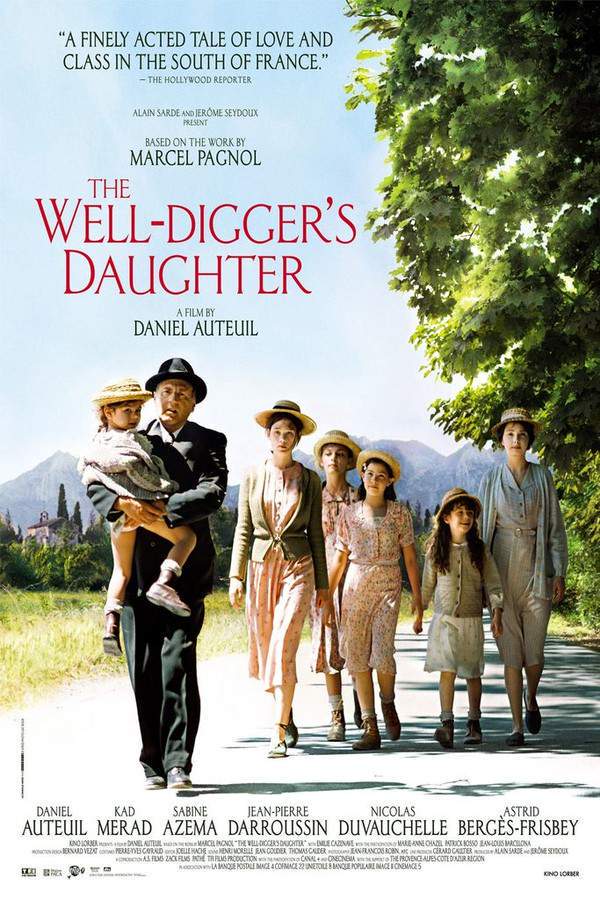
The Well Digger's Daughter
2012

A Long Way Down
2014

James' Journey to Jerusalem
2004
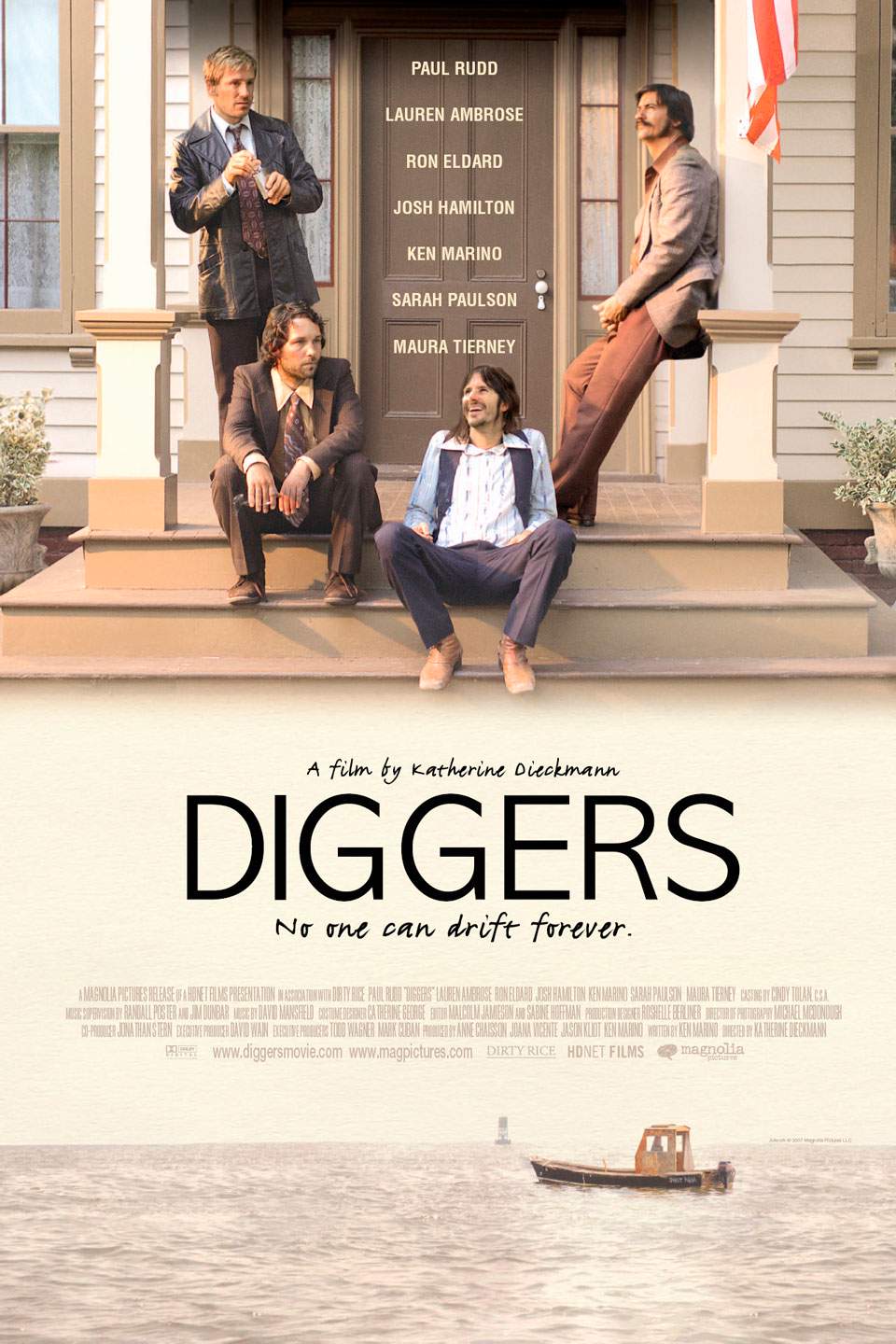
Diggers
2007
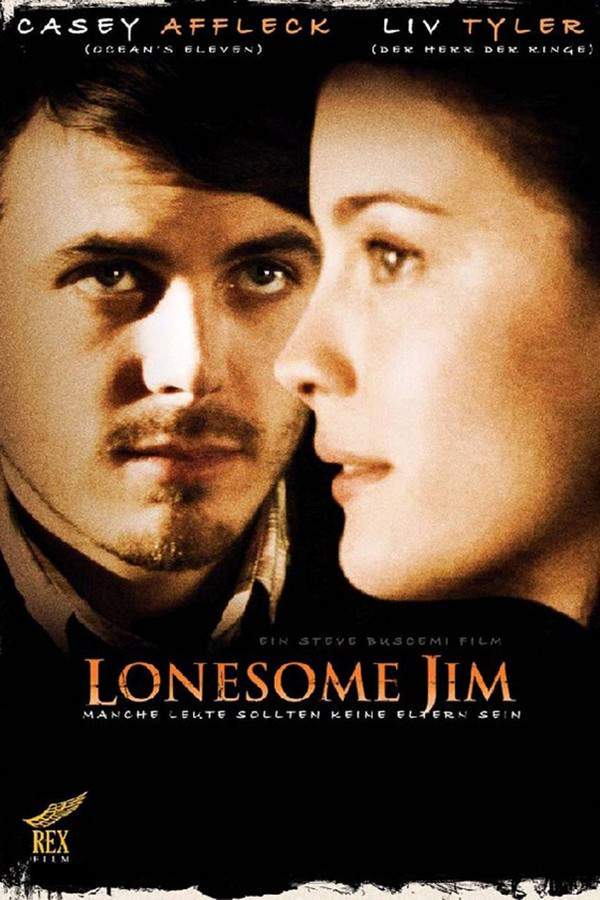
Lonesome Jim
2006

Oyster Farmer
2005
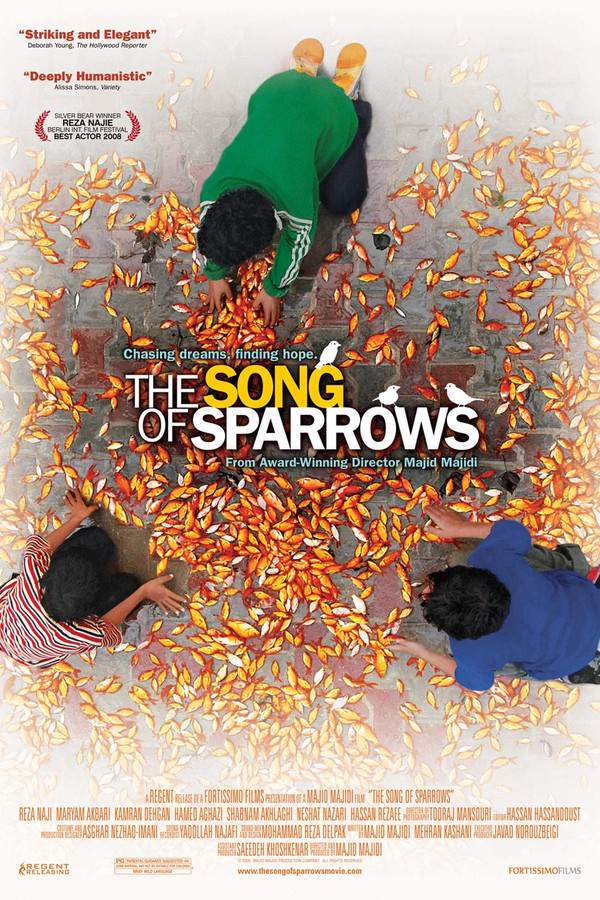
The Song of Sparrows
2009
Lost in America
2020

Holy Cow
2025

Dirty Beautiful
2015

Lost in America
2019

The Journey of Jared Price
2000

Sad Movie
2005

Never Going Back
2020

The Toilers and the Wayfarers
1997
Narrative Summary
Stories typically begin in a state of rural poverty, where a catalyst forces the protagonist into a journey to the city. The plot unfolds as they encounter corrupt systems, moral dilemmas, and the clash between traditional values and modern survival.
Why These Movies?
They share a common thread: a hopeful yet melancholic tone, a steady pacing that builds through observation, and a focus on the moral compromises of the desperate.
Objects of legacy and moral weight like the Nobel medal in Nobel Chor
When a single object's history shapes a personal moral crisis.Discover movies similar to Nobel Chor where a stolen or recovered artifact forces characters to confront their values. These stories explore themes of legacy, value, and social inequality.
The Emperor's Club
2002
Resurrecting the Champ
2007
My Old Lady
2014
The Loss of a Teardrop Diamond
2009
The Majestic
2001
Lying and Stealing
2019
Ordinary
2012
Nobel Chor
2011

Grace of Monaco
2014

Stolen Holidays
2007

Bernard and Doris
2006

Tracing Her Shadow
2021

The Forbidden Street
1949

Shooting the Past
1000

Lost in Yonkers
1993
Narrative Summary
The narrative revolves around the discovery or pursuit of a symbolic object. The protagonist's relationship with the item evolves, creating tension between its cultural or historical worth and the practical needs of their present-day life.
Why These Movies?
They are united by the central motif of a 'treasure' that serves as a lens for examining social inequality, personal desperation, and the clash between abstract legacy and tangible need.
Unlock the Full Story of Nobel Chor
Don't stop at just watching - explore Nobel Chor in full detail. From the complete plot summary and scene-by-scene timeline to character breakdowns, thematic analysis, and a deep dive into the ending - every page helps you truly understand what Nobel Chor is all about. Plus, discover what's next after the movie.
Nobel Chor Summary
Read a complete plot summary of Nobel Chor, including all key story points, character arcs, and turning points. This in-depth recap is ideal for understanding the narrative structure or reviewing what happened in the movie.

Characters, Settings & Themes in Nobel Chor
Discover the characters, locations, and core themes that shape Nobel Chor. Get insights into symbolic elements, setting significance, and deeper narrative meaning - ideal for thematic analysis and movie breakdowns.


