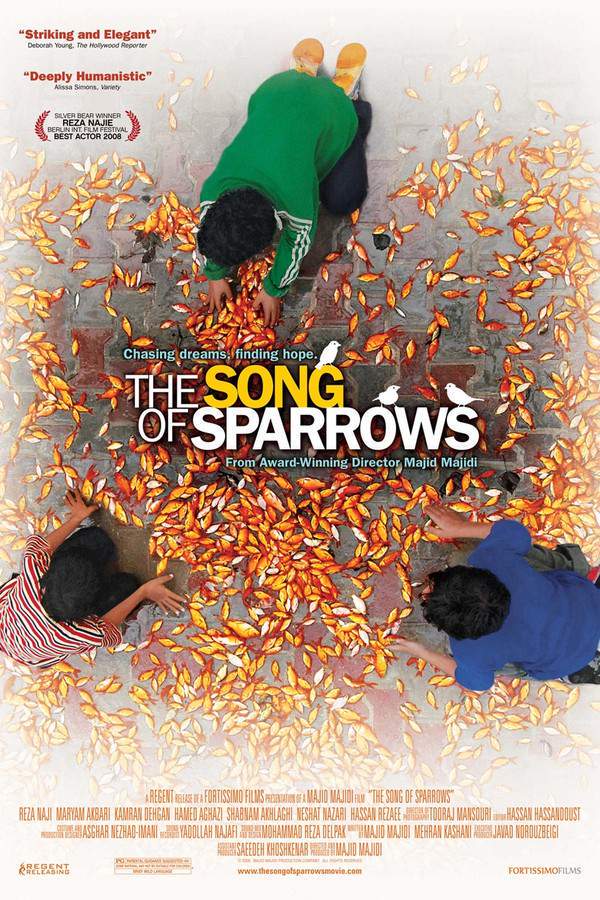
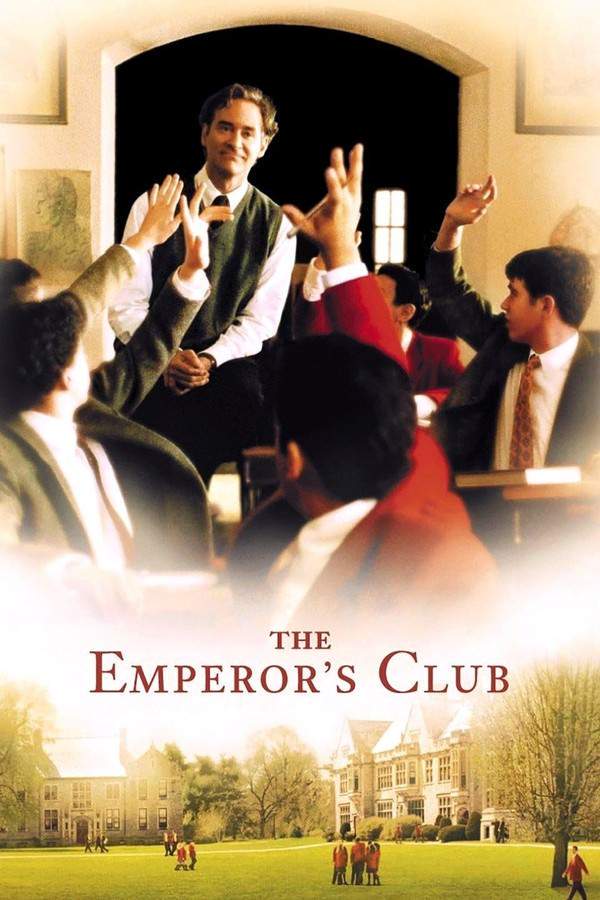
In the quiet countryside of Bengal, an extraordinary loss reverberates far beyond the walls of a modest museum: the disappearance of Rabindranath Tagore’s Nobel medal. This lingering mystery creates a backdrop that binds a nation’s reverence for a literary giant with the everyday struggles of its people. The film opens on a landscape marked by fields that sway with the hopes of a community, while the distant clamor of a bustling metropolis hints at possibilities—and perils—yet unseen.
Enter Bhanu, a humble farmer whose life is defined by the rhythm of the soil and the dreams he nurtures for his family. When a chance encounter thrusts him into the orbit of the vanished honor, his simple desire to lift his village out of poverty becomes tangled with a symbol of cultural pride. His resolve is quiet yet fierce, driven by a yearning to give his son a future unburdened by scarcity, and to honor the legacy of Tagore in a manner that feels both personal and profound.
The journey inevitably leads Bhanu toward Kolkata, the legendary “City of Joy,” where the pulse of modern India beats against the echo of its ancient traditions. The urban landscape, alive with neon lights, crowded streets, and a kaleidoscope of personalities, serves as a vivid contrast to his rural roots. As he navigates this new world, he encounters a tapestry of strangers—collectors, entrepreneurs, and dreamers—each offering glimpses of how globalization and ambition intersect with the lives of those left behind.
Through its lyrical tone and measured pacing, the story captures the tension between loss and hope, between the weight of history and the promise of tomorrow. It invites the viewer to contemplate how a single, stolen piece of metal can become a catalyst for examining poverty, identity, and the enduring relevance of Tagore’s philosophy across a changing nation.