Plot Explained Spoilers guaranteed!
Plot Explained

Browse by genre

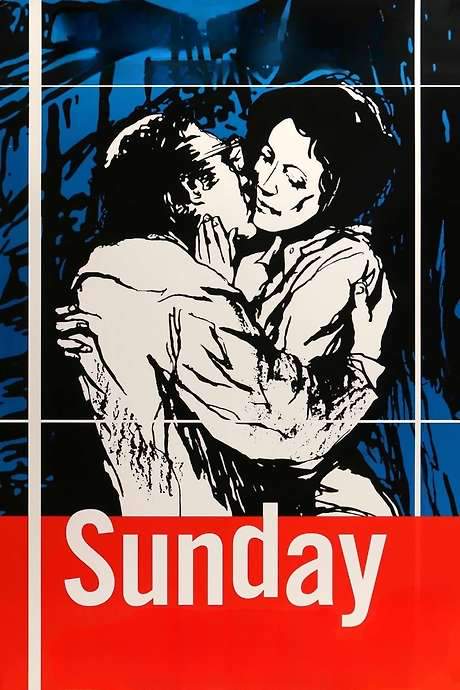
Never on Sunday (1960) movie poster

Characters & Themes

Never on Sunday (1960) Characters, Setting & Themes Explained

Release, runtime and language
1960 · 91 mins · Greek
Loading streaming availability…
Starring
Jules Dassin, Despo Diamantidou, Thanasis Veggos, Titos Vandis, Faidon Georgitsis, Nikos Tsachiridis

The Happy Street-Walker of Piraeus… An American scholar in Greece sets about improving the local prostitute with whom he is infatuated.

On this page (8)
  1. 1 Where to watch
  2. 2 Characters explained (3)
  3. 3 Where & when it takes place
  4. 4 Themes & meaning (2)
  5. 5 Character & meaning questions
  6. 6 Movie threads
  7. 7 Movies like Never on Sunday
  8. 8 Every angle
Loading streaming availability…

3 main characters · contains spoilers

Never on Sunday Characters Explained: Who Is Who

The main characters of Never on Sunday (1960), heroes and villains: what drives them, how they change over the course of the story and what each of them reveals about the film's bigger ideas.

  • Homer Thrace

    played by Jules Dassin

    An American scholar of classical Hellenic culture, Homer is intellectual and idealistic, seeking to reform Ilya through education. His character embodies a Western, philosophical perspective on Greek traditions, struggling to understand Ilya’s free-spirited nature. Homer’s efforts highlight themes of Western influence and cultural critique.

    • 📚 academic
    • 🧠 idealist
    • 🇺🇸 American
  • Ilya

    A self-employed prostitute and free spirit, Ilya embodies independence and a zest for life. She rejects societal norms, finds joy in simple pleasures, and fiercely maintains her autonomy. Her character challenges traditional moral values and symbolizes a modern, liberated Greek woman.

    • 💃自由 spirit
    • 🎨 independent
    • 🌊 Greek
  • Tonio

    played by Titos Vandis

    A half-Italian worker who becomes infatuated with Ilya, Tonio is passionate and determined. His love for Ilya motivates him to propose a new life with her, representing hope and the possibility of love crossing cultural boundaries. Tonio’s character highlights themes of romance and cultural integration.

    • ❤️ romantic
    • 🌍 multicultural
    • 🇮🇹 Italian

Last updated: August 19, 2025 at 04:53

Was this helpful?

Setting

Where and When Does Never on Sunday Take Place?

The setting of Never on Sunday (1960): the year and time period, the places and locations, and how they shape the characters, the mood and the tension of the story.

Time period

1960s

Set during the 1960s, the film captures a period of social change and cultural shifts in Greece. This era was marked by a mix of traditional Greek customs and modern influences, with the country experiencing political and social transformation. The setting reflects a time when Greece balanced its historic traditions with emerging contemporary lifestyles and attitudes.

Location

Piraeus, Greece, Shipyard, Port City

The movie takes place in Piraeus, a significant port city near Athens known for its maritime heritage and bustling shipyards. This setting reflects the vibrant, working-class atmosphere where maritime employment and port activities dominate daily life. Piraeus's lively port and shipyard are integral to the film's backdrop, highlighting Greek culture and the working-class milieu.

  • 🎭 Port city
  • 🚢 Maritime
  • 🕰️ Historic

Last updated: August 19, 2025 at 04:53

Was this helpful?

2 major themes

Never on Sunday Meaning: Themes & Message Explained

What is Never on Sunday (1960) really about? The emotional, social and philosophical themes the film keeps returning to, its symbolism and the message beneath the surface.

  • Cultural Clash

    The movie explores the clash between classical Greek values and modern lifestyles. Homer’s academic perspective contrasts with Ilya's free-spirited, unconventional life. This theme reflects broader societal tensions between tradition and change in Greek culture during the 1960s.

  • Love and Transformation

    A central theme is the transformative power of love, as Homer seeks to reform Ilya, and Tonio's love promises a new beginning for her. The film examines whether genuine connections can lead to personal growth and societal change, emphasizing the importance of authentic human relationships.

Last updated: August 19, 2025 at 04:53

Was this helpful?

Character & theme questions

Never on Sunday Characters & Meaning: Your Questions Answered

The questions people ask about Never on Sunday (1960): who the characters really are, their relationships, what the symbols mean, where it takes place and what the movie is really about. Each answer contains spoilers.

Q1

Where does Never on Sunday take place?

The movie is set in Piraeus, the port city near Athens famous for its maritime heritage and bustling shipyards. This working-class port environment provides the backdrop for the story, reflecting Greek culture and daily life centered around the sea.

  • piraeus
  • greece
  • port city
  • setting
  • athens
Q2

What time period is Never on Sunday set in?

The film is set in the 1960s, a period of social change in Greece when the country was balancing its historic traditions with emerging contemporary lifestyles and attitudes.

  • 1960s
  • greece
  • time period
  • era
  • 1960s greece
Q3

What is the cultural conflict in Never on Sunday?

The film explores the clash between classical Greek values and modern lifestyles. Homer's academic, intellectual perspective contrasts with Ilya's free-spirited, unconventional life, representing broader societal tensions between tradition and change in 1960s Greece.

  • cultural clash
  • tradition vs modern
  • greek values
  • society
Q4

Who is Ilya in Never on Sunday?

Ilya is a self-employed prostitute in Piraeus who embodies independence and a zest for life. She rejects societal norms, finds joy in simple pleasures, and fiercely maintains her autonomy, representing a modern, liberated Greek woman.

  • ilya
  • prostitute
  • free spirit
  • independent woman
  • character
Q5

Who is Homer Thrace?

Homer Thrace is an American scholar of classical Hellenic culture who comes to Greece seeking to reform Ilya through education. His character embodies a Western, philosophical perspective on Greek traditions and struggles to understand Ilya's free-spirited nature.

  • homer thrace
  • american scholar
  • intellectual
  • character
  • hellenic culture
Q6

Who is Tonio in the film?

Tonio is a half-Italian worker in Piraeus who becomes infatuated with Ilya. His passionate, determined love for her motivates him to propose a new life together, representing hope and the possibility of love crossing cultural boundaries.

  • tonio
  • italian worker
  • love interest
  • character
  • romance
Q7

How does love function thematically in Never on Sunday?

Love serves as a transformative force in the film. Homer seeks to reform Ilya through education, while Tonio's love promises a new beginning for her. The movie examines whether genuine connections can lead to personal growth and societal change.

  • love
  • transformation
  • personal growth
  • relationships
  • romance theme
Q8

What does Never on Sunday say about happiness?

The film centers on a philosophical debate about happiness between Homer and Ilya. While Homer believes in intellectual understanding of joy, Ilya embodies practical happiness through her free-spirited approach to life, raising questions about what truly constitutes fulfillment.

  • happiness
  • philosophy
  • joy
  • meaning of life
  • debate
Q9

What does the film say about personal freedom?

Never on Sunday champions personal autonomy through Ilya's fierce independence. She rejects societal expectations and maintains control over her own life, ultimately choosing her own path, affirming the theme of self-determination and personal freedom.

  • autonomy
  • freedom
  • independence
  • personal choice
  • self-determination
Q10

Why is the port city setting important to the story?

Piraeus's identity as a working-class port city with shipyards creates an authentic backdrop that highlights Greek maritime culture. The lively, bustling atmosphere reflects the characters' lives and the film's exploration of different social classes and lifestyles.

  • port
  • shipyard
  • maritime
  • working class
  • greek culture

Movie threads

More Movies Like Never on Sunday, by Mood & Story

Curated lists built around what makes Never on Sunday tick: the same mood, the same kind of story or the same emotional payoff. Each list explains why these movies belong together.

Movies like Never on Sunday: Philosophical Romantic Comedies

Love stories that charm and delight while gently exploring deeper ideas. Discover movies like 'Never on Sunday' that pair delightful romantic chemistry and comedic moments with a thoughtful exploration of ideas. These films offer a similar vibe of charming characters in beautiful settings navigating love and life's bigger questions.

  • charming
  • whimsical
  • romantic
  • optimistic
  • thoughtful
  • free-spirited
  • Tone: light, whimsical, optimistic
  • Pacing: steady, character-driven
Why these movies?

The story pattern: Stories in this thread typically follow a central romance that is complicated by a clash of values or a philosophical debate. Characters often challenge each other's worldviews, leading to personal growth and a reaffirmation of what truly brings happiness, all while maintaining a warm and optimistic tone.

Why they belong together: These movies are grouped together because they share a unique blend of lighthearted romance, whimsical humor, and a gentle, thoughtful core. They provide an uplifting experience that is both emotionally satisfying and intellectually stimulating without being heavy or bleak.


Movies with free-spirited heroines like Ilya in Never on Sunday

Celebrating unconventional women who fiercely protect their unique path to happiness. If you liked the defiantly joyful Ilya in 'Never on Sunday,' explore these other films featuring charismatic, free-spirited women who challenge societal norms and defend their right to live life on their own terms with optimism and charm.

  • free-spirited
  • defiant
  • joyful
  • charming
  • optimistic
  • unconventional
  • Tone: light, charming, defiantly optimistic
  • Pacing: steady
Why these movies?

The story pattern: The narrative pattern involves an outsider, often with rigid or 'civilized' ideals, attempting to reform or 'save' the female lead. The heart of the story is her spirited defense of her lifestyle, leading to a climax where she either converts the skeptic or chooses her own path, affirming her autonomy and unique philosophy.

Why they belong together: These films are connected by their focus on a specific character archetype: the life-affirming, unconventional woman who is the moral center of her story. They share a tone of optimistic rebellion and a theme of personal freedom triumphing over external judgment.

If you liked this

Movies Like Never on Sunday

Similar movies to Never on Sunday: the same genre, themes or kind of story. Each one comes with its own plot summary, timeline and ending explained.

Browse all movie summaries

Every angle

Never on Sunday (1960) Explained: Plot, Timeline & Characters

Everything about Never on Sunday in one place: what happens in the plot summary, the timeline in chronological order, the characters and meaning and a spoiler-free summary. What's After the Movie adds the cast, box office and post-credit scenes.

Coming soon on iOS and Android

The Plot Explained Movie Summary App

Plot summaries, endings explained and timelines on your phone. Catch up on any movie in minutes, save your favorites and never miss a twist again.

Be the first to know when we launch. Your email stays private, always.

Learn more about the app