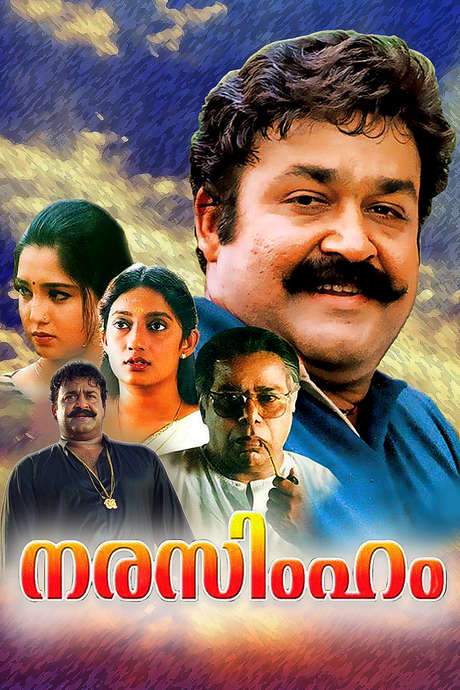
Narasimham
Year: 2000
Runtime: 175 mins
Language: Malayalam
Director: Shaji Kailas
Poovalli Induchoodan (Mohanlal) serves a six‑year sentence for a class‑mate’s murder, though he is innocent. He is the only son of Justice Maranchery Karunakara Menon (Thilakan) and was framed by corrupt politician Manapally Madhavan Nambiar (Narayanan Nair) and his ally DYSP Sankaranarayanan (Bheeman Raghu), who seek revenge for the judge’s earlier conviction of Nambiar. Upon his release, Induchoodan returns home to his parents, setting the stage for his quest for justice and retribution.
Warning: spoilers below!
Haven’t seen Narasimham yet? This summary contains major spoilers. Bookmark the page, watch the movie, and come back for the full breakdown. If you're ready, scroll on and relive the story!
Timeline – Narasimham (2000)
Trace every key event in Narasimham (2000) with our detailed, chronological timeline. Perfect for unpacking nonlinear stories, spotting hidden connections, and understanding how each scene builds toward the film’s climax. Whether you're revisiting or decoding for the first time, this timeline gives you the full picture.
Last updated: October 09, 2025 at 15:32
Narasimham (2000) Timeline Questions Answered – Chronology FAQ
Find frequently asked questions about the Narasimham (2000) timeline, including chronological order, nonlinear jumps, cause-and-effect links, and scene sequence clarifications. This timeline FAQ helps explain when key events happen, how moments connect, and why the story unfolds in that specific order.
Why was Induchoodan framed for his classmate's murder?
Induchoodan was framed because corrupt Home Minister Manappally Madhavan Nambiar and DYSP Sankaranarayanan wanted revenge against his father, Justice Menon. Years earlier, Justice Menon had convicted Nambiar in a corruption case. To settle the personal score, they orchestrated the murder frame against Induchoodan, destroying both the judge's career and his son's future.
The film hints early at political corruption when describing how powerful figures manipulate the justice system.
Who was the real killer of Induchoodan's classmate?
Ramakrishnan, son of Mooppil and one of Manappally's staunch backers, was revealed as the real killer. This truth emerged years after Induchoodan had already served prison time for a crime he did not commit.
Why did Induchoodan stop Pavithran from performing funeral rites at Bharathapuzha?
Induchoodan prevented Manappally Pavithran from conducting his father's funeral rituals at the banks of Bharathapuzha as an act of defiance and revenge. This was shortly after Induchoodan's release from prison, and he was challenging the powerful Manappally family directly. The confrontation sparked violent clashes and marked Induchoodan's shift toward open conflict with his enemies.
Why did Justice Menon reject Indulekha's claim of being his daughter?
Justice Menon initially rejected Indulekha's claim and banished her from the family home, refusing to acknowledge her as his daughter. The denial was driven by pride and possibly shame over his past actions. It was only later, after pressure from Induchoodan and his own growing guilt, that Menon quietly confessed to Indulekha about her true parentage.
Menon's initial refusal sets up the emotional climax where he finally admits his mistake.
How did Indulekha die and who was responsible?
Indulekha was murdered by Manappally Pavithran, who orchestrated her death to frame Justice Menon. The morning after Indulekha revealed her parentage, she was found dead, and Pavithran manipulated his ally Raman Nair to testify against Menon in court, accusing him of the murder.
Why did Nandagopal Marar defend Justice Menon in court?
Nandagopal Marar, a close friend of Induchoodan and a respected Supreme Court lawyer, stepped forward to defend Justice Menon when he was accused of Indulekha's murder. In court, Nandagopal exposed Pavithran's murder plot and the manipulation behind the false testimony, ultimately proving Menon's innocence.
Why did Justice Menon suffer a stroke and die?
Justice Menon suffered a stroke and died during his own funeral while expressing remorse for his past misjudgments and the family tragedy that unfolded. The emotional weight of his mistakes, combined with the events surrounding Indulekha's death and the courtroom ordeal, proved too much for his health.
Menon's regret over his treatment of Indulekha foreshadows his emotional breakdown.
How did Induchoodan finally achieve justice against Pavithran?
Induchoodan achieved justice at Menon's funeral when Pavithran arrived to taunt him and attempt to perform delayed last rites for his own father. Induchoodan confronted Pavithran in a brutal confrontation, defeating him and exacting final revenge for Indulekha's death and his family's suffering.
Who did Induchoodan marry at the end of the movie?
Induchoodan married Anuradha, the honest daughter of Mooppil Nair, at the end of the film. This marked a hopeful turn in his life after the saga of vengeance, manipulation, and loss. Mooppil had previously supported the Manappally faction but his daughter Anuradha was portrayed as virtuous.
Why did Induchoodan arrange Indulekha's marriage to Jayakrishnan?
Induchoodan arranged Indulekha's marriage to his good friend Jayakrishnan as a way to protect her and give her a respectable place in society, even though her parentage was disputed. It was also part of Induchoodan's broader plan to force Justice Menon to acknowledge his daughter by confronting him about the marriage and family honor.
Why did Manappally Sudheeran enter the civil service while Induchoodan lost his position?
After Induchoodan was framed and imprisoned, his civil service career was destroyed. Meanwhile, Manappally Sudheeran, the younger son of Manappally Madhavan Nambiar, entered the list of civil service trainees. This was part of the political conspiracy, while Induchoodan's future was deliberately ruined, the Manappally family gained influence and positioned their own son in government service.

Explore Movie Threads
Discover curated groups of movies connected by mood, themes, and story style. Browse collections built around emotion, atmosphere, and narrative focus to easily find films that match what you feel like watching right now.
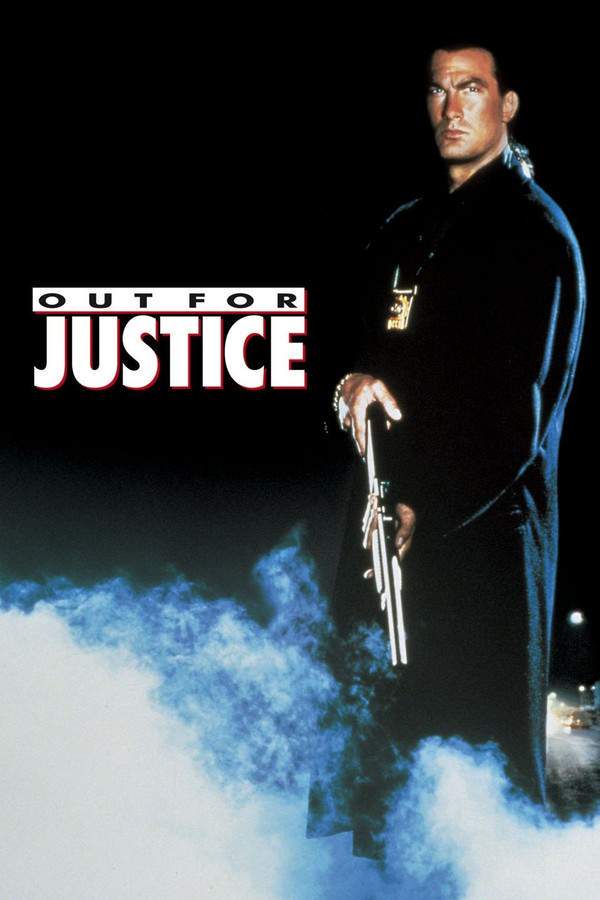
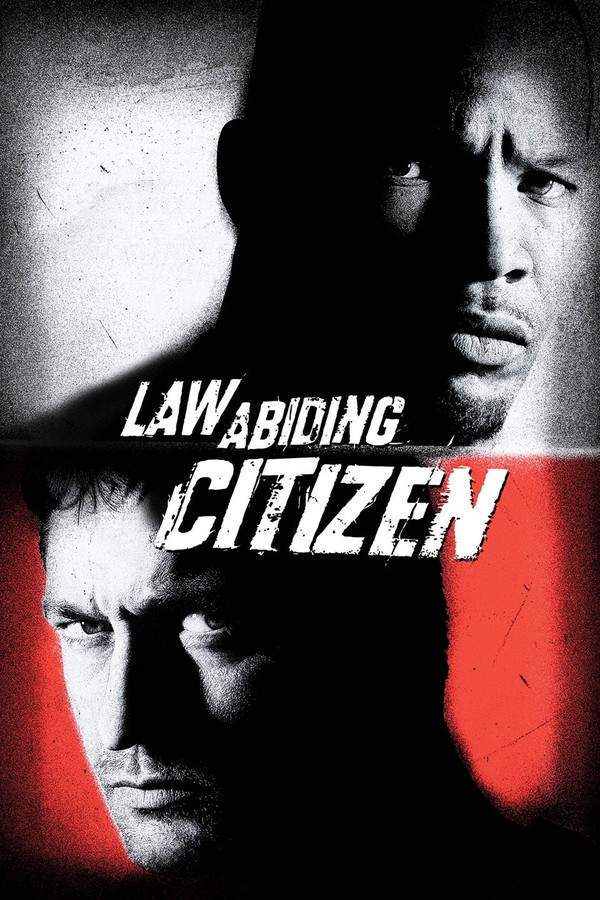
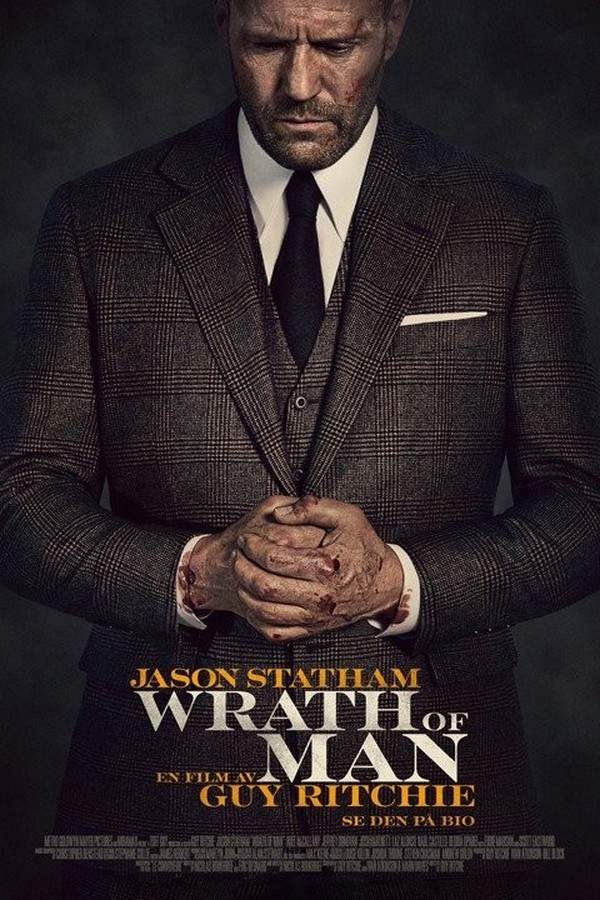
Movies about a wronged hero's quest like Narasimham
Stories of an innocent person fighting back against a corrupt system.If you enjoyed Narasimham's story of an innocent man fighting back, you'll find similar thrillers here. These movies feature protagonists who are falsely accused or betrayed, leading to a high-stakes quest for revenge and redemption against powerful, corrupt forces.








Narrative Summary
The narrative follows a clear arc: an undeserved fall from grace, a period of suffering or imprisonment, and a determined return where the protagonist methodically confronts those who orchestrated their downfall. The plot is often fast-paced, building towards climactic moments of confrontation and reckoning.
Why These Movies?
Movies in this thread share a core narrative of injustice and righteous fury. They are united by a dark tone, high emotional weight from the protagonist's suffering, and a visceral, satisfying arc of reclaiming power and honor against overwhelming odds.
Bittersweet family justice dramas similar to Narasimham
Family honor is restored, but not without a tragic cost.For viewers who appreciated the heavy emotional weight and bittersweet ending of Narasimham, this collection highlights dramatic tales where fighting for family honor leads to justice, but also to profound personal sacrifice and loss.

Where Love Has Gone
1964

Ultimate Betrayal
1994

Defenseless
1991

House of Strangers
1949

No Tears for the Dead
2014

Petals on the Wind
2014

If There Be Thorns
2015

Troubled Water
2021

Revanche
2009

Acts Of Vengeance
2017

Vengeance
2010

Next of Kin
1989

Seeking Justice
2012

The Legacy of the Bones
2019

Edge of Darkness
2010
Narrative Summary
The narrative pattern revolves around a central conflict that threatens to destroy a family's reputation and well-being. The protagonist's struggle to uncover the truth and defeat the antagonists ultimately succeeds, redeeming the family's name. However, this victory comes at the price of losing beloved family members, leaving a lasting emotional scar alongside the triumph.
Why These Movies?
These films are grouped by their shared focus on familial duty, the high cost of truth, and their emotionally complex endings. They balance the satisfaction of justice with the poignant reality of loss, resulting in a deeply resonant and heavy viewing experience.
Unlock the Full Story of Narasimham
Don't stop at just watching - explore Narasimham in full detail. From the complete plot summary and scene-by-scene timeline to character breakdowns, thematic analysis, and a deep dive into the ending - every page helps you truly understand what Narasimham is all about. Plus, discover what's next after the movie.
Narasimham Summary
Read a complete plot summary of Narasimham, including all key story points, character arcs, and turning points. This in-depth recap is ideal for understanding the narrative structure or reviewing what happened in the movie.

Characters, Settings & Themes in Narasimham
Discover the characters, locations, and core themes that shape Narasimham. Get insights into symbolic elements, setting significance, and deeper narrative meaning - ideal for thematic analysis and movie breakdowns.


