My Stupid Boss

My Stupid Boss

Year: 2016

Runtime: 106 mins

Language: Indonesian

Director: Upi

ComedyDrama

After relocating to Kuala Lumpur, Diana accepts a secretarial position at an ironworks. The company is owned by an acquaintance of her husband, and he quickly proves to be an incredibly difficult and demanding boss. Diana finds herself navigating a series of bizarre and frustrating situations as she tries to manage his eccentric behavior and the challenges of the job.

Warning: spoilers below!

Haven’t seen My Stupid Boss yet? This summary contains major spoilers. Bookmark the page, watch the movie, and come back for the full breakdown. If you're ready, scroll on and relive the story!

Timeline – My Stupid Boss (2016)

Trace every key event in My Stupid Boss (2016) with our detailed, chronological timeline. Perfect for unpacking nonlinear stories, spotting hidden connections, and understanding how each scene builds toward the film’s climax. Whether you're revisiting or decoding for the first time, this timeline gives you the full picture.

1

Diana attends the job interview

Diana travels to Kuala Lumpur for a job interview with Bossman. She quickly notes that many staff members already harbor negative opinions about him and that he is seen as eccentric and entitled. The interview scene foreshadows a tense and complicated workplace dynamic.

Interview day Bossman's office, Kuala Lumpur
2

First impressions of Bossman's leadership

During the interview, Diana notices the staff’s skepticism toward Bossman and the already chaotic, poorly organized office environment. Bossman is portrayed as inattentive to everyday workplace issues, including a malfunctioning air conditioner. These observations lay the groundwork for her growing doubts about his leadership.

During interview Office, Kuala Lumpur
3

Diana vents to Dika at home

Back home, Diana vents her growing dissatisfaction to Dika about Bossman's behavior and the office chaos. Dika brushes off her concerns, insisting Bossman's quirks are just part of his personality. The exchange underscores the rift between Diana's mounting frustration and Dika's tolerance.

After interview Diana and Dika's apartment, Kuala Lumpur
4

Colleagues plan retaliation

Diana teams up with coworkers Norah Sikin, Mr. Kho, Azhari, and Adrian to disrupt Bossman's routine. They repeatedly call him while he sleeps and report unpaid bills to the landlord to annoy him. The scheme illustrates their attempt to undermine Bossman and regain a sense of control.

Shortly after interview Office
5

Bossman tries to dodge the landlord

As the retaliation unfolds, Bossman tries to evade the landlord to avoid penalties. The coworkers celebrate their calculated mischief, feeling a sense of satisfaction at disrupting Bossman’s day. The episode heightens the tension between coworkers and management.

During retaliation Office and landlord's building
6

Diana considers resignation; Dika urges a constructive path

At this point, Diana contemplates resigning as a direct response to the ongoing friction. Encouraged by Dika, she weighs a more constructive approach and begins preparing to resign, signaling a potential shift in how she plans to handle Bossman's leadership. The idea of quitting sits alongside the possibility of meaningful change.

Before final decision Apartment/Office
7

Bossman visits an orphanage and shares a formative encounter

Before she makes her decision, Bossman takes Diana to visit an orphanage and recounts an encounter that shaped his outlook. He recalls a child with polio helping a blind companion despite living in poverty. The story reveals a more compassionate side and motivates his desire to renovate the orphanage.

During the visit Orphanage visit, Kuala Lumpur area
8

Intention to renovate sparked by the story

The orphanage story leads Bossman to express an intention to renovate the facility and improve the children's living conditions. His revelation reframes his character for Diana and the coworkers, hinting at a possible more constructive future relationship. This moment challenges their earlier judgments about him.

During the visit Orphanage
9

Diana and coworkers reassess Bossman

Diana and her colleagues begin to see a more compassionate side of Bossman as they hear his plans for the orphanage. They reconsider their earlier judgments and wonder whether they can still contribute to the workplace in a more positive way. The atmosphere in the office shifts from outright opposition to cautious openness.

After the orphanage visit Office
10

Bossman's birthday and lunch promise

On Bossman's birthday, he promises to treat the staff to lunch, lifting morale. When reminded of the plan, he retracts the offer and tells everyone to return to work, reigniting frustration among the employees. The moment highlights the volatility of Bossman's behavior.

Bossman's birthday Office, Kuala Lumpur
11

Post-birthday mood and potential turning point

With the new insight from the orphanage story, the staff experience a mixed mood—curiosity tempered by lingering irritation. Diana and teammates weigh their options as the workplace context evolves, wondering how to balance caution with willingness to engage Bossman differently. The scene hints at a possible shift toward more collaborative dynamics.

After birthday incident Office
12

Summary ends with an open horizon

The narrative closes on a note of cautious optimism, as Diana’s perspective has broadened but her final decision remains unresolved. The combination of frustration and newfound understanding sets the stage for future developments beyond the immediate moments depicted. The timeline ends with the sense that change is possible, even if not imminent.

End of events described Apartment/Office

Last updated: April 15, 2026 at 01:41

Was this helpful?

My Stupid Boss (2016) Timeline Questions Answered – Chronology FAQ

Find frequently asked questions about the My Stupid Boss (2016) timeline, including chronological order, nonlinear jumps, cause-and-effect links, and scene sequence clarifications. This timeline FAQ helps explain when key events happen, how moments connect, and why the story unfolds in that specific order.

Q1

Why does Diana decide to give Bossman a chance after initially planning to resign?

A.

Diana changes her mind after Bossman takes her to visit an orphanage. There, he shares a formative memory of watching a child with polio help a blind companion despite living in poverty. This story reveals a compassionate side to Bossman that Diana hadn't seen before, leading her to reconsider her earlier judgment and give him a chance to explain himself.

Earlier in the film, Diana notices Bossman appears inattentive to everyday workplace problems, making the orphanage revelation a surprising character turn.

DianaBossmanresignationorphanagecharacter development
Q2

Why do Diana and her coworkers plot practical jokes against Bossman?

A.

The coworkers are frustrated with Bossman's eccentric and self-important demeanor. They notice he ignores everyday workplace issues like the broken air conditioner and seems detached from employee concerns. Unable to confront him directly, they retaliate by calling him while he sleeps and reporting unpaid bills to the landlord, small acts of mischief that give them a sense of control over the chaotic situation.

During Diana's interview, she already senses tension between staff and Bossman, foreshadowing the unified resistance that follows.

coworkerspranksfrustrationofficeretaliation
Q3

Why does Bossman go back on his birthday lunch promise to the staff?

A.

On his birthday, Bossman initially promises to treat the staff to lunch, boosting morale. However, when the moment arrives, he retracts the offer and sends everyone back to work. This sudden reversal illustrates Bossman's unpredictable nature, moments of generosity that don't translate into consistent action, frustrating employees who had hoped for a genuine gesture of appreciation.

The birthday incident echoes Bossman's earlier pattern of seeming generous but failing to follow through on everyday matters.

Bossmanbirthdaylunchpromisefrustration
Q4

What does the orphanage visit reveal about Bossman's character?

A.

The visit reveals that beneath Bossman's eccentric and demanding exterior lies a genuine desire to help vulnerable children. He tells Diana about a child with polio who helped a blind companion while living in extreme poverty, a formative experience that inspired him to want to renovate the orphanage and create a better environment for the kids. This backstory explains his ambitions beyond mere wealth accumulation.

Before the visit, Diana describes Bossman as inattentive to workplace problems, making his deep concern for underprivileged children an unexpected character revelation.

Bossmanorphanagepoliocompassionbackstory
Q5

Why does Dika defend Bossman's behavior when Diana complains about her boss?

A.

Dika insists that Bossman's quirks are simply part of who he is as a person. Since Bossman is a friend from Dika's student days in California, Dika likely has personal knowledge of Bossman's character that makes him more tolerant of the eccentric behavior. Dika's response reflects a perspective that some personality traits just need to be accepted rather than confronted directly.

The fact that Dika knew Bossman during their university years hints at a longer history that explains Dika's understanding tolerance.

DikaBossmantolerancepersonalitydefense
Q6

What is the significance of the child with polio story that Bossman shares?

A.

The story represents a defining moment that shaped Bossman's values and ambitions. Witnessing a disabled child selflessly help a blind companion despite their shared poverty left a lasting impression on Bossman. This experience motivated his desire to give back, specifically through renovating the orphanage, which connects his personal wealth to a meaningful social purpose.

Bossman's wealth and ambition are established early, but the orphanage story provides the 'why' behind his success.

polioorphanagechildhoodinspirationambition
Q7

Why does Diana accept the secretarial job despite immediately sensing negative vibes about Bossman?

A.

Diana is tired of spending most of her days at home with nothing meaningful to do. The couple shares a vague sense that something is missing in their lives, and the administrative position represents an opportunity for Diana to gain employment and purpose. Despite the warnings she senses from other staff, she decides the job is worth trying.

The opening establishes that Diana and Dika feel their quiet life in Kuala Lumpur lacks something, setting up her motivation to accept the job.

Dianajobinterviewemploymentmotivation
Q8

How do the office dynamics change after Diana and coworkers learn about Bossman's orphanage plans?

A.

After hearing Bossman's story and his intention to renovate the orphanage, Diana and her colleagues begin to see him differently. The revelation challenges their earlier judgments and shifts the office atmosphere from outright opposition to cautious openness. They start wondering if they can contribute to a more positive workplace dynamic, though the birthday lunch incident shows the shift isn't complete.

The retaliation storyline establishes clear antagonism between staff and Bossman, making the shift toward understanding more significant.

coworkersperceptionchangeorphanageworkplace
Q9

What is the narrative purpose of the practical jokes Diana and coworkers play on Bossman?

A.

The practical jokes serve as a release valve for employee frustration and create a temporary sense of triumph. By coordinating to call Bossman while he sleeps and reporting unpaid bills, the coworkers experience a shared moment of mischief that bonds them together. This subplot establishes the tension that makes Bossman's later character revelation more meaningful, showing how initial hostility can transform into understanding.

The jokes occur early in Diana's tenure, establishing the adversarial dynamic that frames the entire narrative.

pranksofficecomedyemployee tensionretaliation
Mobile App Preview

Coming soon on iOS and Android

The Plot Explained Mobile App

From blockbusters to hidden gems - dive into movie stories anytime, anywhere. Save your favorites, discover plots faster, and never miss a twist again.

Sign up to be the first to know when we launch. Your email stays private, always.

Explore Movie Threads

Discover curated groups of movies connected by mood, themes, and story style. Browse collections built around emotion, atmosphere, and narrative focus to easily find films that match what you feel like watching right now.

Eccentric Boss Comedies like My Stupid Boss

Surviving the daily absurdities of a wildly incompetent and demanding manager.If you enjoyed the frustrating yet funny antics in My Stupid Boss, you'll love these other workplace comedies. Discover movies about surviving difficult managers, office politics, and finding the hidden heart beneath the absurd demands.

comedicfrustratingsatiricalrelatablelightheartedcatharticabsurd

Narrative Summary

These narratives typically follow an employee's initial frustration with their boss's irrational behavior, escalating into a series of comedic retaliations or misunderstandings. The arc often reveals a more complex, sometimes compassionate side to the boss, though the fundamental comedy of the workplace dynamic remains intact, rarely resolving into a perfectly happy ending.

Why These Movies?

They are grouped by their shared focus on the boss-employee relationship as a source of lighthearted, relatable comedy. They maintain a steady pace of humorous incidents, a light tone despite the frustrating scenarios, and a mixed emotional payoff that acknowledges the absurdity of office life.
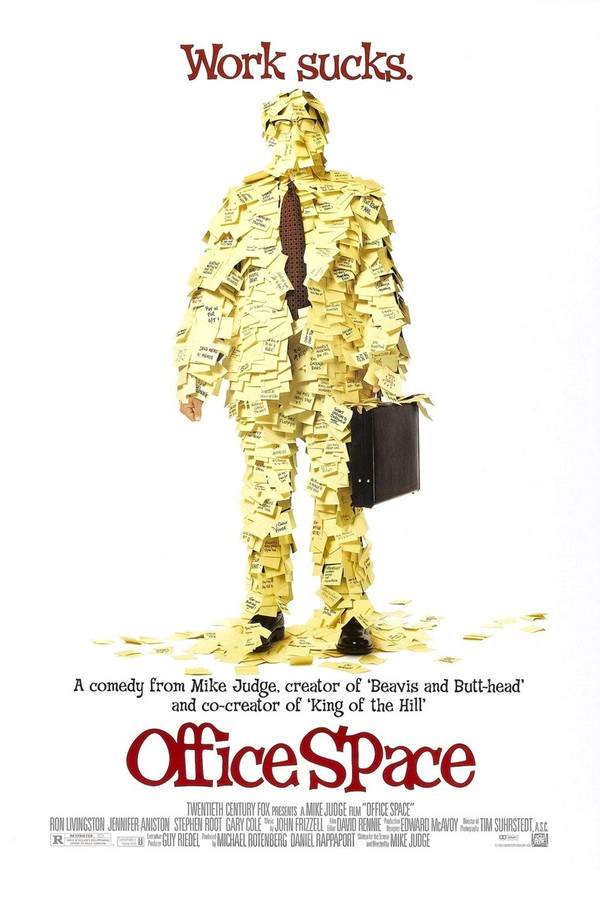
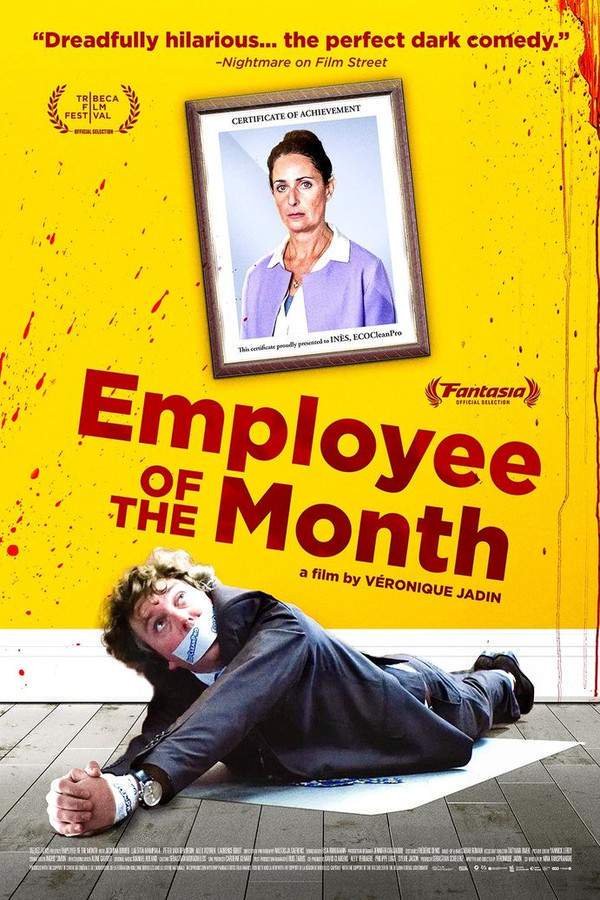
Office Satires and Workplace Comedies like My Stupid Boss

Finding the humor and hidden humanity in the daily grind of corporate culture.Looking for more movies like My Stupid Boss? Explore this collection of satirical workplace comedies that find the funny side of difficult colleagues, bizarre corporate rules, and the strange camaraderie that forms between coworkers.

satiricalrelatablecomediclightheartedcatharticfrustratingobservational

Narrative Summary

The narrative is typically straightforward, built around a series of episodic, humorous situations that critique or exaggerate aspects of office culture. Character arcs are often about adaptation and finding one's place within a dysfunctional system, leading to a mixed resolution that accepts the imperfections of work life while celebrating small victories.

Why These Movies?

They share a specific vibe: a light, comedic, and relatable take on the frustrations and absurdities of employment. The pacing is steady, the emotional weight is light, and the tone is consistently satirical, making them perfect for a cathartic viewing experience about the world of work.

Unlock the Full Story of My Stupid Boss

Don't stop at just watching - explore My Stupid Boss in full detail. From the complete plot summary and scene-by-scene timeline to character breakdowns, thematic analysis, and a deep dive into the ending - every page helps you truly understand what My Stupid Boss is all about. Plus, discover what's next after the movie.

My Stupid Boss Summary

Read a complete plot summary of My Stupid Boss, including all key story points, character arcs, and turning points. This in-depth recap is ideal for understanding the narrative structure or reviewing what happened in the movie.

My Stupid Boss Summary

Characters, Settings & Themes in My Stupid Boss

Discover the characters, locations, and core themes that shape My Stupid Boss. Get insights into symbolic elements, setting significance, and deeper narrative meaning - ideal for thematic analysis and movie breakdowns.

Characters, Settings & Themes in My Stupid Boss

My Stupid Boss Spoiler-Free Summary

Get a quick, spoiler-free overview of My Stupid Boss that covers the main plot points and key details without revealing any major twists or spoilers. Perfect for those who want to know what to expect before diving in.

My Stupid Boss Spoiler-Free Summary

More About My Stupid Boss

Visit What's After the Movie to explore more about My Stupid Boss: box office results, cast and crew info, production details, post-credit scenes, and external links - all in one place for movie fans and researchers.

More About My Stupid Boss