My Stupid Boss

My Stupid Boss

Year: 2016

Runtime: 106 mins

Language: Indonesian

Director: Upi

ComedyDrama

After relocating to Kuala Lumpur, Diana accepts a secretarial position at an ironworks. The company is owned by an acquaintance of her husband, and he quickly proves to be an incredibly difficult and demanding boss. Diana finds herself navigating a series of bizarre and frustrating situations as she tries to manage his eccentric behavior and the challenges of the job.

Warning: spoilers below!

Haven’t seen My Stupid Boss yet? This summary contains major spoilers. Bookmark the page, watch the movie, and come back for the full breakdown. If you're ready, scroll on and relive the story!

Timeline & Setting – My Stupid Boss (2016)

Explore the full timeline and setting of My Stupid Boss (2016). Follow every major event in chronological order and see how the environment shapes the story, characters, and dramatic tension.

Time period

Present day

The events take place in contemporary times, reflecting current office culture and workplace pressures. The film centers on the daily grind of a Malaysian office, illustrating how power dynamics shape interactions. The narrative stays grounded in a modern, real-world setting rather than historical periods.

Location

Kuala Lumpur, Bossman's office, Diana and Dika's apartment, orphanage

The story unfolds primarily in Kuala Lumpur, moving between a modern office and the apartment where Diana and Dika live. The Bossman's office atmosphere is marked by dysfunction, with a luxurious, but distant, executive at its center. A pivotal scene shifts to an orphanage, revealing why Bossman wants to renovate it and how compassion can surface amid a grasping corporate persona.

🏙️ City 🏢 Office 🧭 Social commentary

Last updated: April 08, 2026 at 18:19

Was this helpful?

Main Characters – My Stupid Boss (2016)

Meet the key characters of My Stupid Boss (2016), with detailed profiles, motivations, and roles in the plot. Understand their emotional journeys and what they reveal about the film’s deeper themes.

Bossman (Reza Rahadian)

Wealthy and eccentric, Bossman is perceived by the staff as entitled and inattentive to workplace issues. His apparent aloofness fuels resentment and reckless acts of retaliation among coworkers. Yet a later revelation about his desire to improve the orphanage adds a humane dimension to his character.

👑 Powerful 😎 Eccentric 💼 Boss

Diana (Bunga Citrа Lestari)

Diana is a dissatisfied employee who questions Bossman's leadership and contemplates resigning. She challenges the status quo but grows to see a more compassionate side of Bossman after his orphanage story. Her drive and frustration fuel the group’s initial retaliation before reassessing the situation.

👩 Protagonist 💼 Professional 😤 Frustrated

Dika (Alex Abbad)

Dika is Diana's partner, a friend from their California days who tends to dismiss workplace grievances. He acts as a counterpoint to Diana's intensity, encouraging a more constructive approach and shaping the group’s reactions to Bossman.

👨 Partner 💼 Colleague 😌 Pragmatic

Adrian (Bront Palarae)

Adrian is one of the coworkers who joins in retaliatory acts to inconvenience Bossman, reflecting the staff's initial collective frustration. His stance gradually becomes part of the larger discussion about leadership and fairness as the story unfolds.

👨 Colleague 🗣️ Skeptical 🔄 Reactive

Last updated: April 08, 2026 at 18:19

Was this helpful?

Major Themes – My Stupid Boss (2016)

Explore the central themes of My Stupid Boss (2016), from psychological, social, and emotional dimensions to philosophical messages. Understand what the film is really saying beneath the surface.

👑 Power and Privilege

The Bossman's wealth and status grant him unquestioned control, shaping how staff are treated and how problems are addressed. Coworkers initially tolerate mismanagement, interpreting his quirks as mere personality traits. The film critiques how privilege can enable toxic leadership unless confronted by collective action and reflection.

✨ Redemption

A turning point arrives when Bossman shares stories of the orphanage and his plan to renovate it, revealing a compassionate side that challenges colleagues' first impressions. Diana and the team reconsider their stance, recognizing that people can grow beyond their surface behavior. The plot uses this shift to explore forgiveness and second chances in the workplace.

🪞 Perception vs Reality

Diana and her coworkers judge Bossman by outward actions and attitude, missing the underlying motives behind his decisions. The orphanage anecdote and Bossman's later actions force a reconsideration of what leadership truly means. The story suggests that appearances can be deceiving and that understanding context changes how people behave.

Last updated: April 08, 2026 at 18:19

Was this helpful?

My Stupid Boss (2016) Character & Theme Questions Answered – Info FAQ

Browse frequently asked questions about My Stupid Boss (2016) focused on characters, relationships, themes, symbols, setting, and story context. This movie info FAQ gives spoiler-aware explanations for character arcs, world details, and thematic interpretation so readers can better understand what the film is really about.

Q1

Where does the movie take place?

A.

My Stupid Boss is set in Kuala Lumpur, Malaysia. The story unfolds across three main locations: the modern office where Diana works, the apartment she shares with her partner Dika, and an orphanage that becomes significant to understanding Bossman's character.

kuala lumpuroffice settingmalaysialocations
Q2

What time period is the movie set in?

A.

The film is set in present day, reflecting contemporary office culture and workplace dynamics in modern Malaysia. The narrative stays grounded in a realistic, current-day environment rather than any historical or fictional era.

present daycontemporarymodern settingworkplace
Q3

What are the main themes explored in the movie?

A.

The movie explores three interconnected themes: Power and Privilege, showing how wealth enables toxic leadership; Redemption, revealing how people can grow beyond first impressions; and Perception vs Reality, demonstrating that appearances often mask deeper motivations.

power and privilegeredemptionperception vs realitythemes
Q4

Who is Bossman and what is his role?

A.

Bossman is the wealthy owner of the ironworks company where Diana works. Initially perceived as an entitled, inattentive leader who creates a dysfunctional office environment, he later reveals a compassionate side through his plans to renovate an orphanage, challenging coworkers' initial judgments.

bossmanreza rahadianemployercompany owner
Q5

Who is Diana and what's her role in the story?

A.

Diana is a secretary who relocates to Kuala Lumpur with her partner Dika and takes a job at the ironworks. As a dissatisfied employee, she questions Bossman's leadership and initially leads the group's retaliation efforts before eventually reconsidering her stance after learning about his compassionate side.

dianabunga citra lestarisecretaryemployee
Q6

What does the Power and Privilege theme represent?

A.

The film critiques how wealth and status grant leaders unquestioned control, allowing toxic behavior to go unchecked. Coworkers initially tolerate mismanagement, interpreting Bossman's quirks as personality traits rather than leadership failures, until collective action forces reflection.

toxic leadershipworkplace power dynamicsprivilegeoffice culture
Q7

How does the Redemption theme play out?

A.

A turning point comes when Bossman shares stories about the orphanage and his plan to renovate it. This revelation challenges coworkers' first impressions, leading Diana and the team to reconsider their stance. The film uses this shift to explore forgiveness and second chances in professional relationships.

forgivenesssecond chancesorphanagecharacter development
Q8

What does Perception vs Reality theme signify?

A.

Throughout the film, Diana and her coworkers judge Bossman by his outward actions and attitude, missing the underlying motives behind his decisions. The orphanage revelation forces everyone to reconsider what true leadership means and demonstrates that people cannot be judged solely by surface behavior.

appearancesjudgmentleadershipcharacter depth
Q9

Who are Dika and Adrian in the story?

A.

Dika is Diana's partner who relocated with her from California and tends to dismiss workplace grievances, encouraging a more constructive approach. Adrian is one of the coworkers who joins in retaliatory acts, reflecting the staff's initial collective frustration before the group's perspective shifts.

dikaadriancoworkersteam dynamics
Q10

Why is the orphanage important to the story?

A.

The orphanage becomes a pivotal narrative element when Bossman reveals his plan to renovate it. This scene shifts from the comedic workplace frustration to reveal his compassionate side, serving as the catalyst for coworkers reassessing their judgment of his character.

orphanagerenovationcompassionbossman backstory
Q11

What kind of workplace environment is depicted?

A.

The movie depicts a modern Malaysian office atmosphere marked by dysfunction, with Bossman as a luxurious but distant executive at its center. The daily grind illustrates how power dynamics shape interactions between employer and employees in contemporary corporate settings.

officecorporateworkplace culturemalaysian office
Q12

Is the movie more of a comedy or drama?

A.

My Stupid Boss blends both genres. It maintains a light comedic tone centered on workplace retaliation against a difficult boss, while incorporating dramatic elements through character development and emotional revelations about forgiveness and understanding.

comedydramagenretone
Mobile App Preview

Coming soon on iOS and Android

The Plot Explained Mobile App

From blockbusters to hidden gems - dive into movie stories anytime, anywhere. Save your favorites, discover plots faster, and never miss a twist again.

Sign up to be the first to know when we launch. Your email stays private, always.

Explore Movie Threads

Discover curated groups of movies connected by mood, themes, and story style. Browse collections built around emotion, atmosphere, and narrative focus to easily find films that match what you feel like watching right now.

Eccentric Boss Comedies like My Stupid Boss

Surviving the daily absurdities of a wildly incompetent and demanding manager.If you enjoyed the frustrating yet funny antics in My Stupid Boss, you'll love these other workplace comedies. Discover movies about surviving difficult managers, office politics, and finding the hidden heart beneath the absurd demands.

comedicfrustratingsatiricalrelatablelightheartedcatharticabsurd

Narrative Summary

These narratives typically follow an employee's initial frustration with their boss's irrational behavior, escalating into a series of comedic retaliations or misunderstandings. The arc often reveals a more complex, sometimes compassionate side to the boss, though the fundamental comedy of the workplace dynamic remains intact, rarely resolving into a perfectly happy ending.

Why These Movies?

They are grouped by their shared focus on the boss-employee relationship as a source of lighthearted, relatable comedy. They maintain a steady pace of humorous incidents, a light tone despite the frustrating scenarios, and a mixed emotional payoff that acknowledges the absurdity of office life.
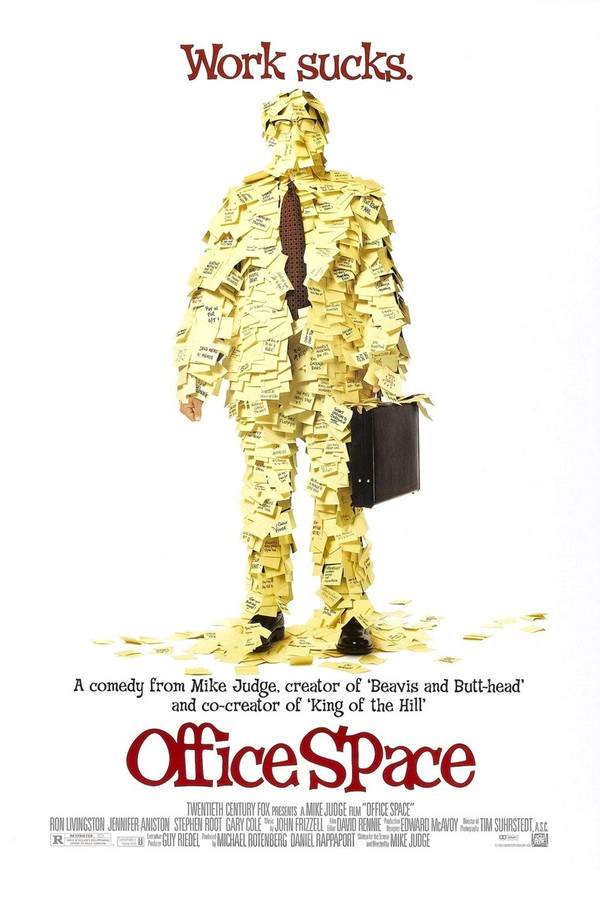
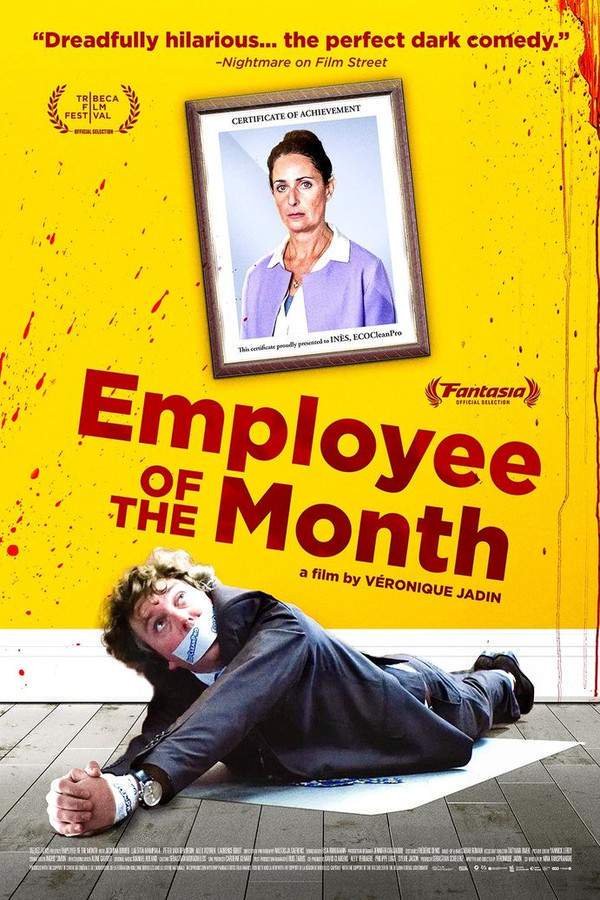
Office Satires and Workplace Comedies like My Stupid Boss

Finding the humor and hidden humanity in the daily grind of corporate culture.Looking for more movies like My Stupid Boss? Explore this collection of satirical workplace comedies that find the funny side of difficult colleagues, bizarre corporate rules, and the strange camaraderie that forms between coworkers.

satiricalrelatablecomediclightheartedcatharticfrustratingobservational

Narrative Summary

The narrative is typically straightforward, built around a series of episodic, humorous situations that critique or exaggerate aspects of office culture. Character arcs are often about adaptation and finding one's place within a dysfunctional system, leading to a mixed resolution that accepts the imperfections of work life while celebrating small victories.

Why These Movies?

They share a specific vibe: a light, comedic, and relatable take on the frustrations and absurdities of employment. The pacing is steady, the emotional weight is light, and the tone is consistently satirical, making them perfect for a cathartic viewing experience about the world of work.

Unlock the Full Story of My Stupid Boss

Don't stop at just watching - explore My Stupid Boss in full detail. From the complete plot summary and scene-by-scene timeline to character breakdowns, thematic analysis, and a deep dive into the ending - every page helps you truly understand what My Stupid Boss is all about. Plus, discover what's next after the movie.

My Stupid Boss Summary

Read a complete plot summary of My Stupid Boss, including all key story points, character arcs, and turning points. This in-depth recap is ideal for understanding the narrative structure or reviewing what happened in the movie.

My Stupid Boss Summary

My Stupid Boss Timeline

Track the full timeline of My Stupid Boss with every major event arranged chronologically. Perfect for decoding non-linear storytelling, flashbacks, or parallel narratives with a clear scene-by-scene breakdown.

My Stupid Boss Timeline

My Stupid Boss Spoiler-Free Summary

Get a quick, spoiler-free overview of My Stupid Boss that covers the main plot points and key details without revealing any major twists or spoilers. Perfect for those who want to know what to expect before diving in.

My Stupid Boss Spoiler-Free Summary

More About My Stupid Boss

Visit What's After the Movie to explore more about My Stupid Boss: box office results, cast and crew info, production details, post-credit scenes, and external links - all in one place for movie fans and researchers.

More About My Stupid Boss