







Plot Explained Spoilers guaranteed!
Plot Explained

Browse by genre

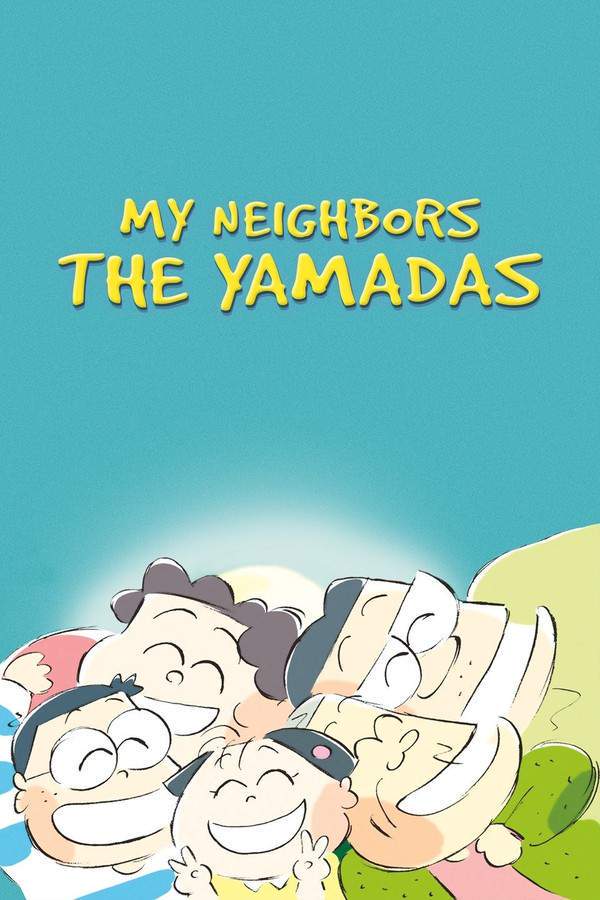
My Neighbors the Yamadas (2000) movie poster

Timeline

My Neighbors the Yamadas (2000) Timeline Explained – Every Event in Order

Release, runtime and language
2000 · 104 min · Japanese
JustWatch #31,067 2
Directed by
Isao Takahata
Starring
Akiko Yano, Chôchô Miyako, Hayato Isohata, James Belushi, Kosanji Yanagiya, Masako Araki

This animated film portrays the everyday life of the Yamada family, offering a humorous and affectionate look at their relatable struggles and triumphs. The story follows their experiences with school, work, and neighborhood interactions, showcasing the joys and frustrations of family life. Through charming animation, the film explores the enduring bonds of love and support within the Yamada household, highlighting both their quirky mishaps and tender moments.

On this page (5)
  1. 1 Where to watch
  2. 2 Events in order (14)
  3. 3 Timeline questions answered
  4. 4 Movie threads
  5. 5 Every angle

Where to watch

Where to Watch My Neighbors the Yamadas (2000)

Where can you watch My Neighbors the Yamadas? Stream, rent or buy it in the US, including on HBO Max, Amazon Video and Apple TV Store: current JustWatch availability with up-to-date prices.

Streaming availability powered by JustWatch

14 events in order · contains spoilers

My Neighbors the Yamadas Timeline: Events in Chronological Order

Every key event of My Neighbors the Yamadas (2000) in order, scene by scene, with when and where it takes place. Use it to untangle flashbacks, time jumps and parallel storylines, to refresh your memory before the sequel or to find the exact scene you are thinking of.

  1. Introduction of the Yamadas

    The film opens by introducing the Yamada family, consisting of Takashi, Matsuko, their children Noboru and Nonoko, Matsuko's mother Shige, and their dog Pochi. Each family member has their distinct personality that will play a key role in the narratives that follow.

  2. Father as Role Model

    A vignette titled 'Father as Role Model' showcases Takashi's attempts to connect with his son Noboru. Through various scenarios, the film highlights the challenges fathers face in being positive role models for their children amidst daily struggles.

  3. Shige's Wisdom

    Shige, the matriarch, shares her sage advice and proverbs with the family, illuminating her strong personality and the love she has for her family. Her wise words resonate throughout the family's decisions and interactions, offering insights into the importance of familial bonds.

  4. Marital Tensions

    In a vignette about marital relationships, Takashi and Matsuko engage in playful but tense arguments over small issues like who controls the television. Despite the bickering, their underlying affection and commitment to one another shine through.

  5. The Loss of a Child

    A heartbreaking vignette depicts the experience of losing a child in a department store. This poignant moment profoundly affects the family, showcasing their vulnerabilities and the depth of their emotional connections.

    Where
    Department Store
  6. Sibling Dynamics

    Noboru and Nonoko are shown interacting in various scenarios, demonstrating typical sibling rivalries and playful antics. Their relationship highlights the joys and challenges of growing up with a sibling, filled with laughter and occasional disputes.

  7. First Girlfriend

    Noboru experiences the thrill and anxiety of meeting his first girlfriend, a relatable moment that captures the excitement of teenage love. This vignette explores his emotional growth and the lessons learned from young relationships.

  8. Showcasing Family Unity

    Throughout the film, scenes depicting the family enjoying simple moments together emphasize their closeness and unity. Whether it’s sharing a meal or spending time outdoors, these moments remind viewers of the beauty in everyday life.

  9. Role Reversal

    A humorous vignette highlights a role reversal as Takashi and Matsuko momentarily switch their traditional family roles. This segment provides comic relief while also challenging societal norms regarding family dynamics.

  10. Lessons from Shige

    In one particularly touching scene, Shige is seen teaching the children important life lessons through engaging stories and proverbs. Her influence creates a strong sense of continuity and tradition within the family structure.

  11. Challenges of Parenthood

    The film explores Takashi and Matsuko's challenges as parents, showcasing their attempts to balance work, relationships, and the demands of raising two children. Their dedication to being the best parents reflects the universal struggles faced by families.

  12. Reflections on Aging

    As the narrative progresses, the theme of aging and the wisdom that comes with it becomes prominent. Shige's reflections on her past and her role in the family underscore the importance of learning from generational experiences.

  13. Joyful Resilience

    Amidst the challenges faced by the Yamada family, moments of joy and laughter refuse to be overshadowed. The family's ability to find humor and resilience in the face of adversity is a testament to their strong bond and love for one another.

  14. Celebrating Family Life

    The concluding vignettes celebrate the everyday life of the Yamada family, emphasizing the value of connection, humor, and love. Despite the ups and downs, the family's enduring spirit serves as a heartwarming reminder of the beauty of family life.

Last updated: November 16, 2024 at 18:49

Was this helpful?

Timeline questions answered

My Neighbors the Yamadas Timeline Explained: Your Questions Answered

When does it happen, and why in that order? The questions people ask about the chronology of My Neighbors the Yamadas (2000): time jumps, flashbacks, cause and effect between scenes and the correct order of events, each answered with spoilers.

Q1

Why is the scene where a child gets lost in the department store so emotional?

This vignette strikes a deep emotional chord because it taps into a universal parental fear - temporarily losing a child. The moment is brief but powerful, showing the family's panic and relief. It serves as a stark reminder that even in a lighthearted film, family bonds are precious and vulnerability can emerge suddenly. The scene contrasts with the surrounding comedic vignettes, reinforcing that family love includes moments of genuine fear and protection.

  • department store
  • lost child
  • emotional scene
  • family fear
  • parenting
Q2

What is the role of Shige's proverbs and wisdom in the film?

Shige, the grandmother, serves as the family's moral compass. Her proverbs and life lessons provide grounding wisdom that contrasts with the everyday chaos of family life. These moments highlight the value of generational knowledge and show how tradition passes through family elders. Her character embodies the film's theme that family bonds endure through accumulated wisdom and shared experiences.

  • Shige
  • grandmother
  • proverbs
  • wisdom
  • generational knowledge
  • tradition
Q3

Why do Takashi and Matsuko constantly argue over small things like the TV?

Their playful bickering over trivial matters like television control actually reveals the comfortable intimacy of their marriage. The arguments are comedic yet authentic - couples who feel secure in their relationship can argue about mundane issues without real anger. These disputes showcase their individual personalities and the everyday negotiation of domestic life, while their underlying affection always breaks through.

  • Takashi
  • Matsuko
  • marriage
  • arguments
  • TV remote
  • domestic life
  • comedy
Q4

What does Noboru's first girlfriend storyline represent?

This vignette captures the universal experience of teenage first love and the emotional turbulence that comes with it. It represents Noboru's growth from child to adolescent, showing his vulnerability and excitement. The scene allows the film to explore how family members support each other through milestone moments, even when embarrassing. It reflects the film's theme of life's small but significant transitions.

  • Noboru
  • first girlfriend
  • teenage love
  • coming of age
  • growing up
  • adolescence
Q5

Why doesn't the film have a traditional plot?

The vignette structure reflects the film's realistic portrayal of family life. Families don't experience structured narratives with clear beginnings and endings - they live through collections of moments, both significant and ordinary. This format allows the film to explore diverse aspects of family life: conflicts, joys, lessons, and quiet bonding. The anthology style mirrors how memories actually work, emphasizing that family is defined by accumulated small experiences rather than single dramatic events.

  • vignettes
  • anthology
  • slice of life
  • no plot
  • episodic structure
  • family life
Q6

What is the 'Father as Role Model' vignette about?

This segment explores the universal challenge fathers face in being positive role models while dealing with everyday struggles. Takashi attempts to connect with his son Noboru through various scenarios, showing both his failures and successes. The vignette highlights the gap between parental ideals and reality, making Takashi a relatable, imperfect father figure. It reflects the film's honest look at parenting challenges.

  • father son relationship
  • role model
  • parenting
  • Noboru
  • Takashi
  • fatherhood
Q7

What is the purpose of including the family dog Pochi?

Pochi represents the small, comforting constants of family life. Like in real families, the pet is simply part of the household fabric - present in daily moments without being central to any plot. The dog adds warmth and authenticity to the family dynamic, showing how pets become unspoken members of a household. This reflects the film's attention to the small details that make family life feel genuine.

  • Pochi
  • dog
  • pet
  • family pet
  • household
  • daily life
Q8

How does the film balance comedy with more serious moments?

The tonal balance reflects real family experience, where humor and seriousness coexist constantly. The comedy prevents the film from becoming preachy or overly sentimental, while the serious moments give weight to the comedy. This blend creates an authentic portrayal - families laugh together, argue, worry about each other, and find joy all within the same day. The contrast makes both the funny and poignant moments more impactful.

  • tone
  • comedy
  • emotional
  • balance
  • humor
  • serious moments
  • family life
Q9

What does the sibling dynamic between Noboru and Nonoko represent?

The brother-sister relationship captures the universal experience of sibling rivalry and companionship. They experience typical childhood conflicts - fighting, making up, competing for attention - mixed with genuine brotherly affection. This dynamic represents the complex, lasting bond between siblings who share childhood and grow up together. Their interactions remind viewers of their own sibling relationships, adding to the film's relatable quality.

  • siblings
  • Noboru
  • Nonoko
  • brother sister
  • rivalry
  • childhood
  • family dynamics
Q10

Why does the film explore themes of aging and elderly wisdom?

Through Shige's character, the film examines how aging brings perspective and valuable life lessons. Her reflections on the past and her role in the family emphasize that older generations contribute essential wisdom. This theme underscores the film's celebration of family continuity - each generation learning from and supporting the other. It suggests that family strength comes from the connections across all ages.

  • aging
  • elderly
  • Shige
  • wisdom
  • generation
  • older characters
  • life lessons
Q11

What does the vignette titled 'Patriarchal Supremacy Restored' mean?

This title appears to be deliberately ironic or humorous. The vignette likely shows Takashi attempting to assert authority or have the final say in some family decision, only for the situation to reveal that true family harmony doesn't come from dominance. The comedic title pokes fun at the idea of patriarchal authority, suggesting that in the Yamada family, true leadership comes from love and collaboration rather than control.

  • patriarchal supremacy
  • title
  • irony
  • Takashi
  • authority
  • humor
  • family roles
Q12

What is the significance of the role reversal vignette?

This humorous segment temporarily switches traditional family roles between Takashi and Matsuko, challenging societal expectations about gender and family responsibilities. It provides comic relief while offering social commentary about how household duties are often gendered. The role reversal makes familiar dynamics feel fresh and invites viewers to question assumptions about who does what in families.

  • role reversal
  • gender roles
  • switching roles
  • Takashi
  • Matsuko
  • comedy
  • social norms

Movie threads

More Movies Like My Neighbors the Yamadas, by Mood & Story

Curated lists built around what makes My Neighbors the Yamadas tick: the same mood, the same kind of story or the same emotional payoff. Each list explains why these movies belong together.

Movies with Everyday Family Vignettes like My Neighbors the Yamadas

Charming stories that find humor and heart in the everyday moments of family. If you liked the charming, episodic look at family life in My Neighbors the Yamadas, discover other movies that celebrate the relatable humor and heart of domestic routines. These films and shows offer a similar cozy, slice-of-life feel, focusing on the small triumphs and tender mishaps that define family bonds.

  • comforting
  • humorous
  • relatable
  • tender
  • charming
  • playful
  • Tone: whimsical, affectionate, humorous
  • Pacing: variable, relaxed
Why these movies?

The story pattern: These narratives often unfold in an episodic or vignette-style structure, avoiding a single, linear plot in favor of exploring a variety of small-scale events. The journey is about the accumulation of everyday experiences—parenting challenges, sibling rivalries, marital spats—that collectively paint a rich portrait of familial love and resilience. Conflicts are typically low-stakes and resolved with warmth and humor.

Why they belong together: Movies are grouped here because they share a core focus on the gentle, humorous observation of domestic life. They prioritize mood and relatable character moments over complex plotting, resulting in a viewing experience that is consistently light, whimsical, and emotionally reassuring.

Gentle and Charming Animated Movies like My Neighbors the Yamadas

Uplifting animated stories with a soft touch and a playful heart. Fans of the soft, hand-drawn style and affectionate humor of My Neighbors the Yamadas will enjoy these similarly gentle animated films. These recommendations are perfect for viewers seeking uplifting, lighthearted stories with beautiful animation, minimal conflict, and a focus on heartwarming characters and themes.

  • charming
  • heartwarming
  • playful
  • uplifting
  • soothing
  • whimsical
  • Tone: whimsical, light, hopeful
  • Pacing: steady, relaxed
Why these movies?

The story pattern: The narrative pattern in these films often involves characters navigating simple, human-scale problems within a supportive community or family. The journey is rarely about saving the world, but about personal growth, understanding others, or appreciating the small joys in life. The structure is straightforward, leading to a satisfying and happy conclusion that reinforces positive values.

Why they belong together: These films are grouped together because they share a specific combination of medium (animation), tone (whimsical/light), and emotional impact (comforting). They provide a similar aesthetic and emotional experience, making them ideal for family viewing or anyone seeking an animated film that is soothing rather than thrilling.

Every angle

My Neighbors the Yamadas (2000) Explained: Plot, Timeline & Characters

Everything about My Neighbors the Yamadas in one place: what happens in the plot summary, the timeline in chronological order, the characters and meaning and a spoiler-free summary. What's After the Movie adds the cast, box office and post-credit scenes.

Coming soon on iOS and Android

The Plot Explained Movie Summary App

Plot summaries, endings explained and timelines on your phone. Catch up on any movie in minutes, save your favorites and never miss a twist again.

Be the first to know when we launch. Your email stays private, always.

Learn more about the app