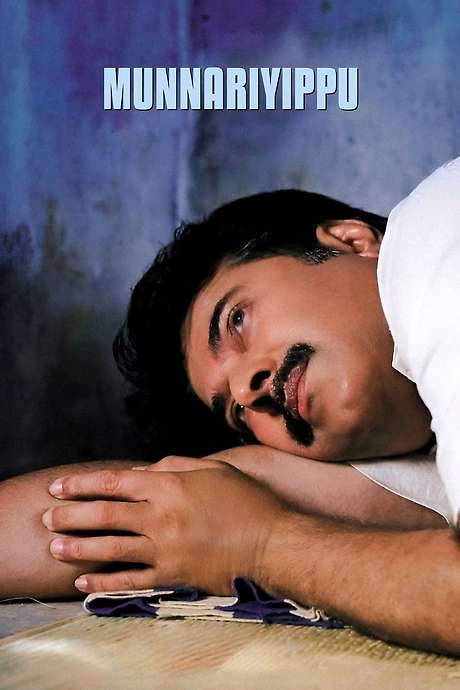
Anjali Arakkal, Aparna Gopinath, is a freelance journalist who becomes drawn into a quiet but dangerous world when she interviews a retiring jail superintendent, Rama Moorthy, to ghostwrite his autobiography. Through their conversations, she is introduced to C. K. Raghavan, Mammootty, a prisoner who has served twenty years for a double homicide and continues to plead his innocence. Raghavan’s case—the killings of his wife and the daughter of his employer—casts a shadow over the narrative, and his stubborn insistence on his own version of events makes Anjali curious about the truth behind the verdict and the life he has led inside the walls.
As Anjali digs into Raghavan’s writings, she discovers a world filtered through his own idiosyncratic lens. His words twist and turn, offering reflections on perception, guilt, and the meaning of freedom. He writes lines like, > Does the reflected image in a mirror look back at him or does it accept him and come along with him?, and, > A prison should be a place for people to understand their mistakes and correct them rather than a place for punishment; Life is a struggle before death. < These passages pull Anjali deeper into the mystery, and his distinctive philosophy begins to shape her own view of what it means to be free.
The more Anjali writes, the more the piece gains traction. Proposals pour in for a full biography, and she sees an opportunity to establish herself in the field by telling Raghavan’s story on his terms. Raghavan, poised between suspicion and a strange charisma, agrees to participate, and Anjali starts to document his life with the tacit approval of his supporters. Her editorial instinct and his careful self-portrayal create a tense dance between journalist and subject, with the promise of a compelling feature and even a biography that could redefine his legacy.
As publishers push for a more complete narrative, Anjali and Raghavan navigate the logistics of his release and the fragile arrangements that follow. She arranges a place for him and asks him to write more about events and their meanings, though he hesitates and drifts. When Raghavan meekly dallies with old routines, he is invited by aspirants for a night out, and he opens up about his view of freedom: “Removing elements that obstructs the person is known as freedom. If it happens in home, it is called domestic abuse. If it happens in society, it is revolution. Irrespective of where it happens where there is revolution, blood will spill.” This stark statement unsettles Anjali and shapes the arc of their collaboration.
Facing pressure from publishers and a looming deadline, Anjali must decide how far to push her subject. The tension between her professional goals and Raghavan’s reluctance intensifies, and she contemplates relocating him to a more discreet place. The strain extends to her personal life as well, as her marriage prospects with Chackochan, Prithviraj Sukumaran in a cameo role, seem to be jeopardized by the precarious project. In a pivotal moment, Anjali confronts Raghavan with the diary, the money he has received for rehabilitation, and the critique that his stubbornness and dissatisfaction with accommodations have colored his version of events. He answers with a calm, almost knowing smile and delivers the complete script of his story, tightening the hold he already has over the narrative.
When the time comes to press the issue, Anjali senses danger and insists on a revised approach, but Raghavan reveals his true intent: he desires a new accommodation and, ultimately, a return to jail. The unthinkable happens—he strikes, and Anjali dies from a single blow to the head. The film closes on a stark, chilling image: Raghavan, now back behind bars, sleeps as photographs of Anjali and his other victims are arranged on the jail wall as trophies of his psychotic fixation on a self-styled freedom.
In the end, the story leaves viewers with a haunting meditation on power, control, and the price of liberation. The carefully built personas—journalist and subject, seeker of truth and prisoner of his own myth—collide in a narrative that scrutinizes the temptation of storytelling itself and the darker impulses that can lie beneath the surface of the quest for freedom. The final tableau—Raghavan sleeping in his cell with the faces of those he shaped into his narrative—serves as a stark reminder of how easily truth can be manipulated when the hunger for an extraordinary story eclipses caution and humanity.