Plot Explained Spoilers guaranteed!
Plot Explained

Browse by genre

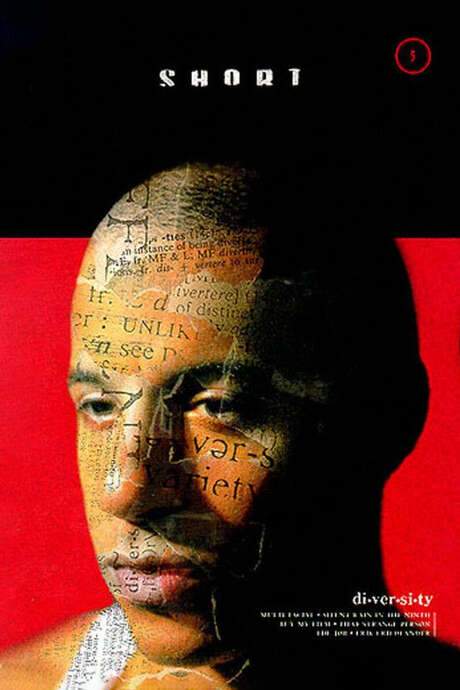
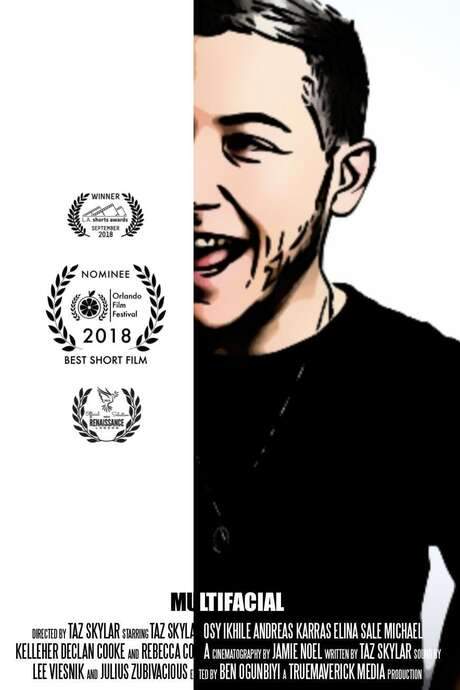
Multi-Facial (2018) movie poster

Plot Summary

Multi-Facial (2018) Plot Summary Explained

Release, runtime and language
2018 · 15 mins · English
Loading streaming availability…
Starring
Taz Skylar, Oky Ikhile, Rebecca Costa, Andreas Karras, Elina Saleh, Michael Kelleher
Budget
$1K

This film explores the challenges faced by a racially ambiguous actor navigating a world often defined by stereotypes. A reimagining of the 1995 short film, this project is set in London and follows the actor's journey to find his place within the industry. Written, produced, and directed by Taz Skylar, the cast includes Taz Skylar, Osy Ikhile, and Andreas Karras.

On this page (5)
  1. 1 Where to watch
  2. 2 What happens: full plot
  3. 3 Plot questions answered
  4. 4 Movie threads
  5. 5 Every angle
Loading streaming availability…

Full plot summary · contains spoilers

What Happens in Multi-Facial: Full Plot Summary

The whole story of Multi-Facial (2018) explained, from the opening scene to the final frame: every key event, every twist and what it all adds up to. Read it as a quick recap before the sequel, to check a scene you missed, or to finally understand what really happened.

Mike, Taz Skylar, a struggling actor with a tattooed arm, auditions for an Italian-American role and delivers a shocking anecdote in a New York Italian accent. He recounts a violent outburst in a restaurant—how a man looked at his girlfriend, only for Mike to discover the man was gay and redirect his rage at his partner, beating her and then being stunned when she stops calling. The casting director shows interest and has Mike perform a bit of Italian, then explains they’ll be in touch. When asked where the monologue came from, Mike claims it’s a true story that happened to a friend. Later, he phones his manager to vent about the monologue, insisting it wasn’t true and that it could ruin his chances. He wipes the fake tattoo from his arm and moves on to the next audition.

In the waiting room of another audition, Mike chats with a Black actor about the job market. He repeats his grievance about the monologue, while the other actor shares that he has just landed an international commercial. Mike dismisses the idea of doing commercials, arguing that no great actors ever did them. A director then sniffs that Mike’s skin is “a little too light,” suggesting he shouldn’t bother auditioning and proposing a Spanish role in a soap opera instead.

At another audition, Mike reads opposite a Cuban-leaning accent alongside a Hispanic actress. They attempt a heated exchange, but when the actress slips into Spanish, Mike falters and can’t continue. As they leave, the actress chides him for pretending to speak Spanish and encourages him to try for a soap opera still seeking Hispanic actors; Mike refuses again, insisting he won’t do soap operas because no great actors ever did them. He pushes forward to a new session, where his scene partner tells him she believes he could do well. He delivers a reading with a heavy urban cadence, and the judges interrupt the take, noting they’re looking for a different “Wesley type,” leaving Mike with a sense of missed fit.

Moving on, Mike returns to another audition where the staff notice on his résumé that he can rap. He launches into a hip-hop routine, then shifts into a monologue about watching his father in a stage production of Raisin in the Sun. He explains that his father’s dream for him was to become a great actor, a goal that transcended color and lineage. Although the casting team is impressed, they admit the role isn’t a fit for someone with his look, particularly if dreadlocks are required. He leaves with a wary promise that they’ll reach out if they can cast him differently.

The day culminates in a quiet moment of tension and reflection inside a diner. Mike sits in silent anger, overhearing an actress lamenting being typecast as a blonde bimbo. When the waitress arrives, the actress orders coffee that is “not too light, not too dark.” Mike quietly processes the irony of the moment, mouthing the exact line to himself as a small, rueful smile crosses his face.

Throughout these encounters, the film sketches a portrait of a talent trapped between self-expression and industry demands, a man who arms himself with stubborn pride while repeatedly facing the gatekeepers who filter who gets to tell certain stories. The rhythm of auditions—language, race, authenticity, and image—becomes the echo chamber of Mike’s ambitions, revealing the price of pursuing a dream in a world quick to categorize and quick to judge.
Last updated: November 22, 2025 at 15:59

Was this helpful?

Plot questions answered

Multi-Facial Plot Explained: Your Questions Answered

The questions people ask most about Multi-Facial (2018): what happens in the confusing scenes, why the characters do what they do, the twists, hidden details and what the ending means. Each answer contains spoilers.

Q1

Why does Mike tell the violent monologue at the Italian-American audition?

Mike delivers the shocking anecdote about beating his girlfriend in a restaurant as a calculated performance piece designed to stand out. He wants to demonstrate range and emotional depth by showing he can access dark, intense material. However, after the audition, he calls his manager in panic, admitting the story wasn't true and fearing it could ruin his chances. This reveals his desperation to be noticed in a competitive industry, even at the cost of questionable artistic choices.

  • acting audition
  • monologue
  • performance
  • emotional range
Q2

What does the fake tattoo represent in the film?

The fake tattoo on Mike's arm serves as a symbol of the manufactured personas he adopts to pursue opportunities. He wipes it off after the Italian-American audition, signaling his attempt to remove the performance and reset himself before moving to the next audition. This act underscores the film's theme of identity versus industry demands, Mike must constantly create and shed images to fit what casting directors seek.

Foreshadowing: The tattoo removal foreshadows the larger identity struggles Mike faces throughout the day.

  • fake tattoo
  • identity
  • performance
  • persona
Q3

Why does Mike refuse to audition for soap operas despite multiple rejections?

Mike repeatedly turns down soap opera roles, insisting that no great actors ever did them. This reflects his stubborn pride and idealistic view of acting as an art form rather than commercial work. However, this refusal also highlights his inflexibility and inability to compromise, a trait that may be holding him back in a ruthless industry. His insistence on artistic purity contrasts sharply with the practical reality of needing work.

  • soap opera
  • commercial acting
  • artistic integrity
  • pride
Q4

Why is Mike told his skin is too light for certain roles?

During a commercial audition, a director tells Mike his skin is too light for the role they are casting. This moment exposes the arbitrary racial categorization actors face, Mike's ambiguous appearance means he doesn't fit neatly into any ethnic box the industry has created. He's too light for some roles, yet too dark or not Hispanic enough for others, leaving him trapped in a perpetual state of not fitting anywhere.

  • typecasting
  • skin tone
  • racial ambiguity
  • casting
Q5

What happens during Mike's Cuban accent audition?

Mike attempts to read for a role requiring a Cuban accent alongside a Hispanic actress. During their heated exchange, the actress switches to Spanish, and Mike freezes, he cannot continue because he doesn't actually speak Spanish. The actress calls him out for pretending to speak the language. This moment exposes the industry's expectation that actors can perform ethnicities they may not genuinely represent, and Mike's inability to sustain the performance highlights his disconnection from the roles he's pursuing.

  • cuban accent
  • spanish
  • acting performance
  • authenticity
Q6

What is the significance of the Raisin in the Sun monologue?

During an audition where Mike demonstrates his rap skills, he transitions into a heartfelt monologue about watching his father perform in A Raisin in the Sun. He explains that his father's dream was for him to become a great actor, a goal that transcended color and lineage. This is the only moment in the film where Mike reveals genuine vulnerability and his deeper motivation for acting, it's not about fame but about fulfilling his father's aspirations. The casting team is visibly impressed by this emotional truth.

  • raisin in the sun
  • father
  • dream
  • acting career
  • motivation
Q7

What does the diner scene with the coffee order mean?

In the final scene, Mike sits in a diner and overhears an actress complain about being typecast as a blonde bimbo. When she orders coffee that is "not too light, not too dark," Mike silently mouths the exact phrase, recognizing the bitter irony, throughout the day, he's been rejected for being too light, too dark, or not the right look. This quiet moment of connection between two typecast actors creates a rueful acknowledgment of the absurd standards both face, providing a poignant final note of self-awareness.

  • diner
  • coffee
  • typecasting
  • irony
  • self-awareness
Q8

What is Mike's relationship with his father in the film?

Mike's father was an actor who performed in A Raisin in the Sun and harbored dreams of his son becoming a great actor. The Raisin in the Sun monologue reveals that his father's ambition for Mike transcended racial boundaries, he simply wanted his son to achieve excellence in the craft. This backstory provides emotional depth to Mike's stubborn refusal to compromise his artistic standards, suggesting his pride stems from trying to honor his father's dream.

  • father
  • acting dream
  • legacy
  • family
Q9

How does Multi-Facial critique the entertainment industry's approach to race?

The film portrays how the industry reduces actors to physical attributes, skin tone, hair, ethnicity, rather than evaluating talent. Mike encounters rejection for being too light, unable to speak Spanish, or lacking dreadlocks. Each audition reduces him to a single physical characteristic, regardless of his actual abilities. The film argues that this gatekeeping prevents truly diverse storytelling and forces actors like Mike to perform inauthentic versions of themselves to secure work.

  • typecasting
  • racism
  • industry
  • representation
  • gatekeeping
Q10

How does Mike's racially ambiguous appearance affect his career?

Mike's ambiguous racial appearance becomes his greatest obstacle, he doesn't fit neatly into the industry's established categories. He's too light for certain roles, yet when he attempts Hispanic roles, he can't sustain the required accent. This leaves him in a perpetual state of rejection despite his evident talent. The film uses his situation to highlight how rigid racial labeling excludes those who exist between categories, denying them opportunities available to those with more easily identifiable ethnic presentations.

  • racial ambiguity
  • identity
  • categorization
  • rejection

Movie threads

More Movies Like Multi-Facial, by Mood & Story

Curated lists built around what makes Multi-Facial tick: the same mood, the same kind of story or the same emotional payoff. Each list explains why these movies belong together.

Movies about artistic struggle like Multi-Facial

Intimate stories of creators wrestling with industry prejudice and creative identity. If you liked the introspective and melancholic portrayal of an actor's journey in Multi-Facial, explore these other movies about artistic struggle. This selection features films that capture the grind of creative professions, dealing with industry prejudice and the search for personal identity against a backdrop of professional rejection.

  • frustrating
  • introspective
  • melancholic
  • reflective
  • lonely
  • cynical
  • Tone: melancholic, introspective, bittersweet
  • Pacing: steady, observational
Why these movies?

The story pattern: Stories in this thread typically follow a protagonist through a series of professional setbacks, often structured around auditions, rejections, or critical failures. The conflict is internal as much as external, centered on the protagonist's wavering sense of self and purpose. The emotional journey is one of mounting frustration that culminates in a bittersweet or resigned acceptance, offering painful clarity rather than a triumphant victory.

Why they belong together: These films are grouped together because they share a specific mood: a somber, reflective, and often frustrating look at the creative process. They prioritize emotional realism over glamour, focusing on the psychological toll of pursuing art in a commercial or prejudiced world, resulting in a melancholic and introspective viewing experience.

Movies with a day of frustration like Multi-Facial

Stories where a character's ordinary day becomes a cascade of microaggressions and setbacks. Fans of Multi-Facial's steady, tense build-up of a frustrating day will appreciate these similar movies. Discover films that use a 'day in the life' structure to explore themes of systemic bias and personal resilience, where a series of small rejections create a powerful, cumulative emotional effect.

  • frustrating
  • tense
  • observational
  • lonely
  • cynical
  • reflective
  • Tone: tense, cynical, reflective
  • Pacing: steady, repetitive rhythm
Why these movies?

The story pattern: The narrative pattern is linear and episodic, following a character through a sequence of similar but distinct encounters—like a series of auditions or meetings—each one chipping away at their morale. There is no single antagonist; the conflict is with an impersonal system or societal norms. The story's power comes from the relentless, cumulative nature of these micro-rejections, leading to a climax of quiet despair or painful self-realization.

Why they belong together: These movies are connected by their specific structure and emotional trajectory. They share a steady, almost procedural pacing that mirrors the grind of a difficult day. The core experience is one of shared frustration with the protagonist, making the viewer feel the weight of each small injustice as it builds towards a poignant conclusion.

Every angle

Multi-Facial (2018) Explained: Plot, Timeline & Characters

Everything about Multi-Facial in one place: what happens in the plot summary, the timeline in chronological order, the characters and meaning and a spoiler-free summary. What's After the Movie adds the cast, box office and post-credit scenes.

Coming soon on iOS and Android

The Plot Explained Movie Summary App

Plot summaries, endings explained and timelines on your phone. Catch up on any movie in minutes, save your favorites and never miss a twist again.

Be the first to know when we launch. Your email stays private, always.

Learn more about the app