Plot Explained Spoilers guaranteed!
Plot Explained

Browse by genre

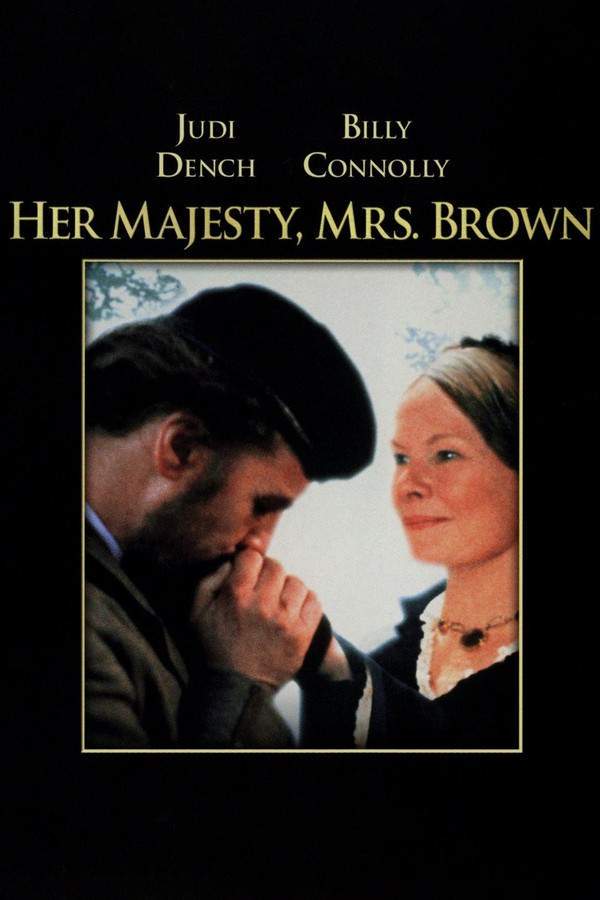
Mrs Brown (1997) movie poster

Timeline

Mrs Brown (1997) Timeline Explained – Every Event in Order

Release, runtime and language
1997 · 105 mins · English
Loading streaming availability…
Directed by
John Madden
Starring
Gerard Butler, Billy Connolly, Judi Dench, David Westhead, Oliver Ford Davies, Sara Stewart

Loyalty without question, friendship without equal. After Prince Albert’s death, a grieving Queen Victoria leans on her devoted Scottish servant, John Brown, whose unwavering support offers her comfort. Their close bond, however, fuels rumors and scandal that threaten the stability of the monarchy.

On this page (6)
  1. 1 Where to watch
  2. 2 Events in order (12)
  3. 3 Timeline questions answered
  4. 4 Movie threads
  5. 5 Movies like Mrs Brown
  6. 6 Every angle
Loading streaming availability…

12 events in order · contains spoilers

Mrs Brown Timeline: Events in Chronological Order

Every key event of Mrs Brown (1997) in order, scene by scene, with when and where it takes place. Use it to untangle flashbacks, time jumps and parallel storylines, to refresh your memory before the sequel or to find the exact scene you are thinking of.

  1. Brown summoned to court to coax Victoria out of seclusion

    In 1863, Scottish servant John Brown is summoned to court in an effort to subtly coax Queen Victoria toward resuming public life after two years of seclusion. He quickly begins influencing her daily routines and gains unprecedented access to the Queen, even addressing her as 'woman'. This intrusion alarms the Royal Family and signals the start of a power struggle at court.

    When
    1863
    Where
    Buckingham Palace, London
  2. Brown asserts control over routine and protocol

    Brown's liberties with court protocol become visible as he directs large swaths of the Queen's day and decisions. He is criticized by Ponsonby, the Prince of Wales, and others who fear his growing influence. The nickname 'Mrs Brown' emerges in public, symbolizing the controversy surrounding his role.

    When
    1863-1864
    Where
    Royal Court, Buckingham Palace
  3. Public and political backlash grows against Brown

    Public opinion, the press, and politicians begin to resent Brown's influence over Victoria. Cartoons from Punch appear in Parliament as signs of unease about the Queen's dependence on a favored servant. The situation raises questions about the monarchy's independence and the limits of private influence on public life.

    When
    1863-1864
    Where
    Parliament and public spaces, London
  4. Disraeli recruits Brown to push Victoria back to duties

    Prime Minister Benjamin Disraeli persuades Brown to use his access to urge Victoria to return to her public duties, especially delivering the Speech from the Throne at the opening of Parliament. Brown agrees hesitantly, aware that it could be seen as a personal betrayal. The plan sets the stage for a dramatic confrontation when Victoria must decide whether to comply.

    When
    1863-1864
    Where
    London, royal circles
  5. A heated confrontation leads to a demotion

    Brown urges Victoria to come to London, triggering an argument in the royal apartments. Victoria rebukes him, making it clear she resents being treated as a mere instrument of politics. She then turns to Ponsonby and Jenner to serve her needs, effectively demoting Brown's contact and influence.

    When
    1863-1864
    Where
    Royal apartments, Buckingham Palace
  6. Victoria returns to public life and revives support for the monarchy

    Victoria's eventual return to public life revitalizes the monarchy's popularity and public support. The decision helps reverse rising republican sentiment and restores confidence in the Crown. Brown's influence remains but is diminished as Victoria asserts greater autonomy.

    When
    mid-late 1860s
    Where
    London, Parliament
  7. Brown remains in service, but as head of security

    Brown continues to serve Victoria, but his duties gradually shrink to the role of head of security. Palace staff mock his methods as paranoid and increasingly out of step with the times. He remains vigilant, serving as a guardian of the Queen even as his power wanes.

    When
    late 1860s–1883
    Where
    Buckingham Palace
  8. Assassination attempt tests Brown's vigilance

    During a public event, a gun-wielding assassin lunges toward the Royal Family. Brown acts decisively to thwart the attack, preserving the Queen and her relatives. The incident solidifies his reputation as a steadfast guardian of the Crown.

    When
    late 19th century
    Where
    Public event (location unspecified)
  9. A boast and a medal: recognition of Brown's loyalty

    At dinner the following evening, the Prince of Wales claims he warned Brown, trying to claim credit for preventing the danger. Victoria rejects the boast and announces the minting of a Devoted Service Medal for Brown. The moment serves as a formal, public honor of his loyalty.

    When
    the day after the assassination attempt
    Where
    Palace dining room
  10. Brown's final years and death from pneumonia

    Years later, Brown grows gravely ill with pneumonia after a nocturnal chase of an intruder. Victoria visits his room and confesses she has not always been a good friend, highlighting the complexity of their bond. The illness proves fatal, ending his long service to the Queen.

    When
    1883
    Where
    Brown's room, palace
  11. The diary's fate discussed by the palace aides

    Ponsonby and Dr. Jenner discuss the contents of Brown's diary, insisting that it must never be seen by anyone. The secrecy surrounding the diary hints at hidden truths about the royal court and Brown's relationship with the Queen. The private records become a symbol of the limits of what the public may ever know.

    When
    post-1883
    Where
    Ponsonby's or Jenner's office, Buckingham Palace
  12. Diary remains unfound; bust over the palace wall referenced

    Closing notes reveal that Brown's diary was never found, and Jenner mentions that the Prince of Wales hurled the Queen's bust of Brown over the palace wall, a nod to the film's opening sequence. The film ends on a mix of enduring loyalty and unresolved mystery surrounding the man who once shaped the Queen's day.

    When
    end of film
    Where
    Palace, London

Last updated: October 09, 2025 at 10:51

Was this helpful?

Timeline questions answered

Mrs Brown Timeline Explained: Your Questions Answered

When does it happen, and why in that order? The questions people ask about the chronology of Mrs Brown (1997): time jumps, flashbacks, cause and effect between scenes and the correct order of events, each answered with spoilers.

Q1

Why was John Brown brought to the royal court?

John Brown was summoned to court in 1863 by royal advisors hoping he would coax Queen Victoria out of her two-year seclusion following Prince Albert's death. The Queen had withdrawn from public life completely, and the court wanted Brown, her trusted Scottish servant, to subtly encourage her to resume her royal duties. Brown's success in influencing Victoria's daily routine quickly went beyond what anyone expected, leading to the controversy that followed.

  • john brown
  • queen victoria
  • royal court
  • summons
  • seclusion
Q2

What did the "Mrs Brown" nickname refer to?

The nickname "Mrs Brown" emerged in political and social circles as a reference to the perceived improper closeness between Queen Victoria and her servant John Brown. The title suggested that Brown held such influence over the Queen that he was effectively acting as her husband, making light of protocol and propriety. While the film never confirms any romantic liaison, the nickname symbolized public concern about a servant having unprecedented access and power over the monarch.

  • mrs brown
  • nickname
  • queen victoria
  • john brown
  • scandal
  • rumors
Q3

Why did the Royal Family oppose John Brown's influence?

The Royal Family, including the Prince of Wales and Chief Secretary Sir Henry Ponsonby, feared that John Brown had become too powerful over Queen Victoria. Brown audacity addressed the Queen as "woman" instead of using proper royal titles, directed her daily routines, and made decisions that traditionally belonged to the monarchy. They worried Brown was undermining the monarchy's independence and that his influence threatened the stability of the royal institution.

  • royal family
  • prince of waves
  • henry ponsonby
  • john brown influence
  • opposition
Q4

Why did Queen Victoria resist returning to her public duties?

Queen Victoria resisted returning to public duties because she was genuinely grieving Prince Albert and had withdrawn into deep seclusion. When Brown, under pressure from Prime Minister Disraeli, urged her to deliver the Speech from the Throne at Parliament's opening, Victoria felt manipulated and resented being treated as a political instrument. She rebuked Brown strongly, seeing his request as a betrayal of their personal relationship.

  • queen victoria
  • public duties
  • speech from throne
  • grief
  • prince albert
Q5

What caused the falling out between Victoria and Brown?

The falling out occurred when Brown, acting on Disraeli's persuasion, pressed Victoria to return to London and resume her public duties. Victoria interpreted this as a political manipulation and felt betrayed, she saw their relationship as personal, not political. She rebuked Brown and turned to other advisors, effectively demoting his influence. However, Victoria eventually returned to public life on her own terms, which restored the monarchy's popularity.

  • disraeli
  • queen victoria
  • falling out
  • betrayal
  • political pressure
Q6

How did John Brown foil the assassination attempt?

During a public event, a gunman lunged toward the Royal Family. John Brown acted quickly and decisively to thwart the attack, preventing harm to the Queen and her relatives. His vigilant security work, though sometimes seen as paranoid by palace staff, proved crucial in this crisis. The incident cemented his reputation as a devoted protector of the Crown.

  • assassination attempt
  • john brown
  • royal family
  • security
  • protection
Q7

Why was Brown awarded the Devoted Service Medal?

Brown was awarded the Devoted Service Medal the day after foiling the assassination attempt. At dinner that evening, the Prince of Wales boasted that he had warned Brown about the danger, trying to claim credit for the prevention. Victoria saw through this manipulation and instead publicly honored Brown with the medal, acknowledging his years of loyal service and his role in protecting the Royal Family.

  • devoted service medal
  • queen victoria
  • honor
  • assassination attempt
  • recognition
Q8

Why did Victoria visit Brown when he was dying?

When Brown contracted pneumonia after chasing a possible intruder at night, Victoria visited his room and confessed that she had not always been the friend she could have been. This visit highlighted the complex, emotionally charged nature of their relationship, Victoria recognized Brown's unwavering devotion throughout the years and felt remorse for moments when she had distanced herself from him.

  • pneumonia
  • death
  • queen victoria
  • confession
  • friendship
  • final visit
Q9

What was in Brown's diary and why was it kept secret?

John Brown kept a diary chronicling his years at court. After his death in 1883, Ponsonby and Dr. Jenner agreed the diary must remain unseen by the public. The film reveals the diary was never found. Its secrecy suggests it contained private truths about Victoria, the royal court, and the nature of her relationship with Brown, information that could have embarrassed the monarchy if exposed.

  • diary
  • secret
  • ponsonby
  • jenner
  • queen victoria
  • hidden contents
  • court secrets
Q10

What happened to the bust of Brown at the palace?

At the film's end, Dr. Jenner reveals that the Prince of Wales once hurled the Queen's favorite bust of Brown over the palace wall. This act symbolizes the Prince's resentment toward Brown and his desire to erase Brown's presence from royal memory. The reference loops back to the film's opening sequence, creating a circular narrative that underscores the unresolved tensions in their relationship.

Foreshadowing: The opening sequence shows the bust being thrown, which gains meaning only at the film's conclusion.

  • bust
  • prince of wales
  • palace wall
  • thrown
  • memory
  • symbolism

Movie threads

More Movies Like Mrs Brown, by Mood & Story

Curated lists built around what makes Mrs Brown tick: the same mood, the same kind of story or the same emotional payoff. Each list explains why these movies belong together.

Movies about scandalous royal bonds like Mrs Brown

Stories where intimate friendships within royalty spark political turmoil. For viewers who liked Mrs Brown, this list features similar stories of unconventional friendships and devotion within the monarchy. Discover movies like Mrs Brown where private relationships spark public scandal and challenge the stability of the crown.

  • scandalous
  • restrained
  • political
  • intimate
  • loyal
  • solemn
  • Tone: melancholic, restrained, solemn
  • Pacing: slow, deliberate
Why these movies?

The story pattern: The narrative centers on a close, often platonic, bond between a royal figure and an outsider or servant. This relationship becomes a source of strength for the protagonist but also a point of vulnerability, attracting gossip and political opposition that creates the central conflict.

Why they belong together: Movies are grouped here for their shared focus on the explosive intersection of private loyalty and public image within a royal setting, creating drama from psychological and social tension rather than action.

Movies about grief and recovery like Mrs Brown

Quiet character studies about navigating profound loss with unexpected support. If you liked Mrs Brown's portrayal of Queen Victoria's grief, explore these similar movies about loss and gradual healing. Find character-driven dramas focused on the slow journey out of sorrow, supported by a loyal companion.

  • grieving
  • melancholic
  • reflective
  • intimate
  • solemn
  • bittersweet
  • Tone: melancholic, reflective, bittersweet
  • Pacing: slow, character-driven
Why these movies?

The story pattern: The story begins with a significant loss that immobilizes a central character. The plot unfolds slowly, detailing their isolation and the hesitant steps toward re-engagement with the world, facilitated by a patient and devoted figure. The focus is on internal emotional progress.

Why they belong together: These films share a melancholic tone, deliberate pacing, and a central narrative arc defined by the heavy weight of grief and the bittersweet, incremental process of finding solace and purpose again.

If you liked this

Movies Like Mrs Brown

Similar movies to Mrs Brown: the same genre, themes or kind of story. Each one comes with its own plot summary, timeline and ending explained.

Browse all movie summaries

Every angle

Mrs Brown (1997) Explained: Plot, Timeline & Characters

Everything about Mrs Brown in one place: what happens in the plot summary, the timeline in chronological order, the characters and meaning and a spoiler-free summary. What's After the Movie adds the cast, box office and post-credit scenes.

Coming soon on iOS and Android

The Plot Explained Movie Summary App

Plot summaries, endings explained and timelines on your phone. Catch up on any movie in minutes, save your favorites and never miss a twist again.

Be the first to know when we launch. Your email stays private, always.

Learn more about the app