Year: 1961
Runtime: 106 mins
Language: Polish
Director: Jerzy Kawalerowicz
A Polish priest is called to an isolated convent where the Mother Superior is said to be possessed by eight demons. As he attempts an exorcism, he begins to suspect that the true threat lies not in malevolent spirits but in the unsettling absence of any protective angels, turning the battle into a desperate search for light amid darkness.
Get a spoiler-free look at Mother Joan of the Angels (1961) with a clear plot overview that covers the setting, main characters, and story premise—without revealing key twists or the ending. Perfect for deciding if this film is your next watch.
In a remote 17th‑century convent near Smolensk, whispers of a mother superior haunted by eight demons have drawn the Church’s attention. Father Józef Suryn, a weary priest accustomed to travel and trial, is summoned to investigate the darkness that has settled over the cloister’s stone walls. The assignment promises a classic battle between holy authority and infernal forces, yet the stark silence where guardian angels should dwell suggests a more unsettling void.
The convent itself feels locked in a perpetual twilight, its cold corridors echoing with centuries‑old prayers and the muted rustle of habit. Within its walls, Mother Joan commands a fragile community of nuns whose devotion is strained by the weight of the alleged possession. Among them, Sister Małgorzata stands out as the only nun unmarked by the affliction, offering a quiet, perceptive presence that hints at hidden histories and possible routes to redemption. The surrounding village watches with a mixture of fear and fascination, its folk tales and recent tragedies adding layers of tension to an already oppressive atmosphere.
As Suryn begins the ritual of exorcism, the convent’s gloom seems less a product of overt evil than a lack of any protecting light. The film’s tone drifts between austere reverence and creeping dread, painting faith as both a shield and a fragile candle flickering in a windless night. Relationships among the priest, the mother superior, and the solitary nun become a delicate dance of suspicion, compassion, and longing, each character navigating the thin line between salvation and surrender. The story invites viewers to wonder whether the true adversary is a legion of demons or the haunting absence of divine guardians in a world where hope itself feels scarce.
Last Updated: December 05, 2025 at 09:14
Discover curated groups of movies connected by mood, themes, and story style. Browse collections built around emotion, atmosphere, and narrative focus to easily find films that match what you feel like watching right now.
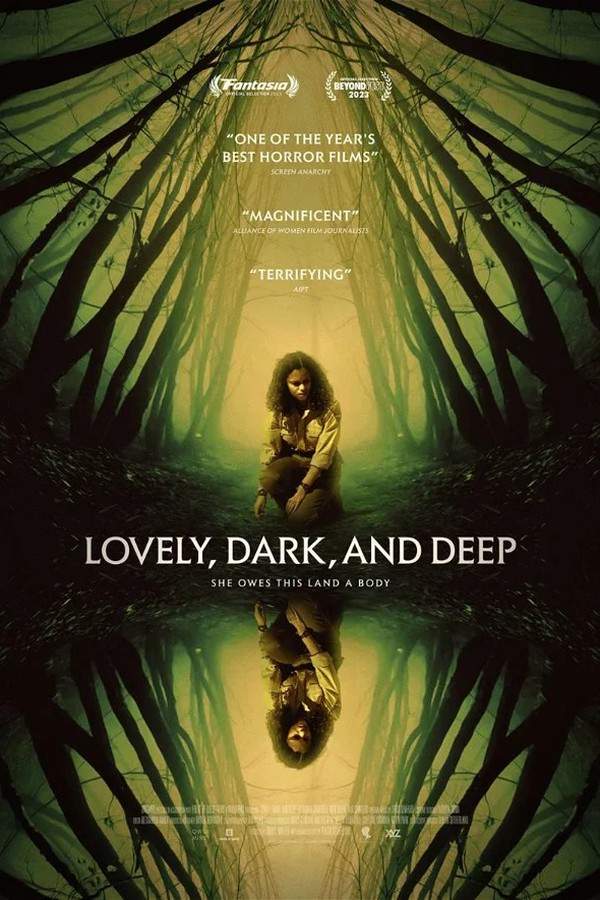
Where psychological torment and spiritual crisis create an oppressive, unsettling atmosphere.If you were captivated by the oppressive, psychological horror of Mother Joan of the Angels, this thread features movies like it. Discover similar slow-burn stories where faith is tested, reality blurs, and the dread comes from within rather than external monsters—perfect for viewers seeking deeply unsettling atmospheric films.
Stories in this thread often follow a protagonist, such as a priest or skeptic, entering an isolated environment to confront a perceived evil. The narrative slowly reveals that the true horror is not supernatural but psychological or spiritual, leading to a descent into doubt and a bleak confrontation with the void.
These films are grouped together because they share a specific, slow-paced, atmospheric approach to horror. They trade shock for sustained unease, focusing on internal collapse, claustrophobic settings, and themes of faith, doubt, and psychological possession, creating a coherent and heavy viewing experience.
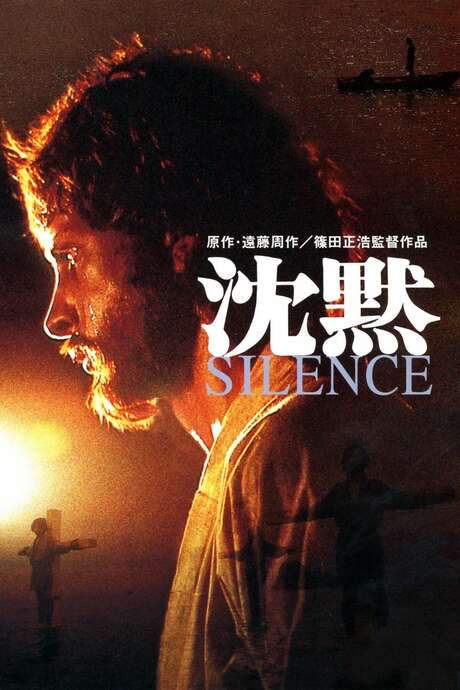
Tragedies where noble intentions lead to damnation and devastating consequences.For viewers who appreciated the tragic arc of misguided love and faith in Mother Joan of the Angels, this collection features similar films. Explore stories of characters whose devotion leads to their downfall, blending heavy drama with bleak outcomes in a search for meaning that ends in despair.
The narrative pattern involves a dedicated character confronting a complex situation, often involving another person in crisis. Their attempt to help, rooted in love or belief, becomes entangled with obsession and corruption. The story escalates towards a violent, irreversible act meant as a sacrifice or salvation, which instead confirms a hopeless, bleak reality.
These movies share a core thematic focus: the destructive potential of absolute devotion. They explore how love and faith, when pushed to extremes, can lead to moral collapse and tragedy. This unifying theme creates a powerful link between stories of personal ruin driven by the best of intentions.
Don't stop at just watching — explore Mother Joan of the Angels in full detail. From the complete plot summary and scene-by-scene timeline to character breakdowns, thematic analysis, and a deep dive into the ending — every page helps you truly understand what Mother Joan of the Angels is all about. Plus, discover what's next after the movie.
Read a complete plot summary of Mother Joan of the Angels, including all key story points, character arcs, and turning points. This in-depth recap is ideal for understanding the narrative structure or reviewing what happened in the movie.
Track the full timeline of Mother Joan of the Angels with every major event arranged chronologically. Perfect for decoding non-linear storytelling, flashbacks, or parallel narratives with a clear scene-by-scene breakdown.
Discover the characters, locations, and core themes that shape Mother Joan of the Angels. Get insights into symbolic elements, setting significance, and deeper narrative meaning — ideal for thematic analysis and movie breakdowns.
Visit What's After the Movie to explore more about Mother Joan of the Angels: box office results, cast and crew info, production details, post-credit scenes, and external links — all in one place for movie fans and researchers.