Plot Explained Spoilers guaranteed!
Plot Explained

Browse by genre

Mother Joan of the Angels (1961) movie poster

Characters & Themes

Mother Joan of the Angels (1961) Characters, Setting & Themes Explained

Release, runtime and language
1961 · 106 mins · Polish
Directed by
Jerzy Kawalerowicz
Starring
Franciszek Pieczka, Maria Chwalibóg, Iwona Słoczyńska, Anna Ciepielewska, Mieczysław Voit, Zygmunt Zintel

A Polish priest is called to an isolated convent where the Mother Superior is said to be possessed by eight demons. As he attempts an exorcism, he begins to suspect that the true threat lies not in malevolent spirits but in the unsettling absence of any protective angels, turning the battle into a desperate search for light amid darkness.

On this page (6)
  1. 1 Characters explained (6)
  2. 2 Where & when it takes place
  3. 3 Themes & meaning (3)
  4. 4 Character & meaning questions
  5. 5 Movie threads
  6. 6 Every angle

6 main characters · contains spoilers

Mother Joan of the Angels Characters Explained: Who Is Who

The main characters of Mother Joan of the Angels (1961), heroes and villains: what drives them, how they change over the course of the story and what each of them reveals about the film's bigger ideas.

  • Father Józef Suryn (Mieczysław Voit)

    A priest sent to investigate the convent, Father Suryn arrives with duty-bound resolve but is drawn into a web of love, danger, and violence. He confronts the limits of exorcism as he protects Mother Joan and faces a moral crisis that culminates in killing to save her. His conduct blends piety with a troubling readiness to cross lines for what he believes is redemption.

    • 🙏 Faith
    • 🗡️ Morality
    • 💔 Sacrifice
  • Mother Joan of the Angels (Lucyna Winnicka)

    The abbess and the most possessed nun, Mother Joan dominates the convent's fate through demonic torment. Her moments of seduction toward Father Suryn reveal a tension between sanctity and temptation. The exorcism initially seems to cure her, only for possession to recur, underscoring the fragility of spiritual authority.

    • 👑 Authority
    • 👿 Possession
    • ❤️ Love
  • Sister Małgorzata (Anna Ciepielewska)

    A non-possessed nun who trades nightly stories with inn patrons and ultimately leaves the convent to become Margareth after falling in love with Chrząszczewski. Her arc signals the pull of ordinary life beyond cloistered duty and the costs of choosing personal happiness. She embodies loyalty to the convent while being drawn toward a different life.

    • 💔 Transformation
    • 💞 Love
    • 🕊️ Faith
  • Kaziuk (Jerzy Kaczmarek)

    A stableman who guides Father Suryn around the inn and contributes to the community's gossip and fear. He dies as part of the perilous ritual, his death marking a brutal turn in the exorcism and the priest's moral journey.

    • 👥 Loyalty
    • ⚖️ Consequences
    • 🪓 Violence
  • Juraj (Jarosław Kuszewski)

    A stableman associated with the inn who becomes a target of the escalating violence brought on by the exorcism. His fate underlines the collateral damage inflicted by zeal, fear, and desperation in urgent ritual acts.

    • 👥 Loyalty
    • ⚖️ Consequences
    • 🪓 Violence
  • Chrząszczewski (Stanisław Jasiukiewicz)

    A visiting squire who visits the inn and forms a complicated love triangle with Sister Małgorzata. His presence and choices influence the spread of affection and the sense of risk surrounding the convent's secrets.

    • 💘 Love
    • 🕊️ Temptation
    • 🌟 Risk

Last updated: October 04, 2025 at 19:33

Was this helpful?

Setting

Where and When Does Mother Joan of the Angels Take Place?

The setting of Mother Joan of the Angels (1961): the year and time period, the places and locations, and how they shape the characters, the mood and the tension of the story.

Time period

17th century

The events unfold in the 17th century, a period of intense religious authority and superstition. Exorcisms and demonic possession reflect contemporary beliefs about salvation and sin. The social atmosphere is one of secrecy and rumor, as villagers and clergy navigate fear and faith.

Location

Smolensk, inn, convent

Set in and around a seventeenth-century convent in Smolensk, the setting blends stark religious life with the shadowy inn where villagers gather. The convent complex, with its austere corridors, serves as the focal point for exorcisms and spiritual torment. The surrounding town and inn create a microcosm where superstition and faith collide.

  • 🏰 Historic
  • ⛪ Religious
  • 🌾 Rural

Last updated: October 04, 2025 at 19:33

Was this helpful?

3 major themes

Mother Joan of the Angels Meaning: Themes & Message Explained

What is Mother Joan of the Angels (1961) really about? The emotional, social and philosophical themes the film keeps returning to, its symbolism and the message beneath the surface.

  • Possession

    Possession drives the plot and exposes the fragility of the human psyche when confronted with the supernatural. The eight demons torment Mother Joan and drive the exorcism rites, testing the priests' resolve. The film frames possession as both a supernatural event and a catalyst for difficult moral choices, including violence.

  • Faith vs Doubt

    Faith is tested as priests debate the reach of ritual power and miracles. A failed meeting with the local rabbi highlights tension between beliefs, while personal desire challenges clerical vows. The story questions whether devotion can endure without sacrifice and whether doubt can be overcome.

  • Love and Sacrifice

    Love drives key decisions and the pursuit of salvation. Father Suryn's love for Mother Joan leads him toward drastic acts, including killing to avert greater harm. Sister Małgorzata's transformation into Margareth and the final act of self-sacrifice frame salvation as costly and morally complex. The ending ties personal affection to the convent's fate.

Last updated: October 04, 2025 at 19:33

Was this helpful?

Character & theme questions

Mother Joan of the Angels Characters & Meaning: Your Questions Answered

The questions people ask about Mother Joan of the Angels (1961): who the characters really are, their relationships, what the symbols mean, where it takes place and what the movie is really about. Each answer contains spoilers.

Q1

Where is the movie set?

The film takes place in and around a seventeenth-century convent in Smolensk, Poland. The austere corridors of the convent serve as the primary location for the exorcism scenes, while a shadowy inn in the surrounding town creates a microcosm where villagers gather and superstitions blend with religious faith.

  • smolensk
  • convent
  • inn
  • 17th century poland
  • setting
Q2

What time period is depicted in the film?

The events unfold in the 17th century, a period marked by intense religious authority and widespread belief in demonic possession and exorcism. This historical context shapes the social atmosphere of secrecy, rumor, and fear that pervades the village and convent.

  • 17th century
  • historical
  • era
  • time period
Q3

What are the main themes explored in the movie?

The film explores three interconnected themes: possession as both supernatural event and catalyst for moral choices, faith versus doubt as priests confront the limits of ritual power, and love as a destructive force that drives characters toward sacrifice and damnation.

  • possession
  • faith
  • doubt
  • love
  • sacrifice
  • themes
Q4

Who is Father Suryn?

Father Józef Suryn is the priest sent to investigate the convent and perform the exorcism on Mother Joan. He arrives with duty-bound resolve but becomes increasingly drawn into a web of love, danger, and moral crisis as he confronts the limits of exorcism and faces difficult choices to protect Mother Joan.

  • father suryn
  • priest
  • exorcist
  • protagonist
Q5

Who is Mother Joan of the Angels?

Mother Joan is the abbess and superior of the convent, depicted as the most possessed nun tormented by eight demons. Her character embodies the tension between sanctity and temptation, as her moments of seduction toward Father Suryn reveal the psychological and spiritual warfare at the heart of the film.

  • mother joan
  • abbess
  • possessed nun
  • main character
Q6

What does possession represent in the story?

Possession in the film serves as both a literal supernatural event and a metaphor for psychological fragility. The eight demons tormenting Mother Joan test the priests' resolve and drive the exorcism rites, while the narrative frames possession as a catalyst that forces difficult moral choices including violence.

  • demons
  • possession
  • exorcism
  • supernatural
  • psychological
Q7

How is faith vs doubt explored in the movie?

Faith is tested as priests debate whether ritual power and miracles can truly combat evil. A failed meeting with a local rabbi highlights tension between different beliefs, while Father Suryn's personal desire for Mother Joan challenges his clerical vows. The story questions whether genuine devotion can endure without sacrifice and whether doubt can ever be fully overcome.

  • faith
  • doubt
  • priest
  • miracles
  • religious doubt
Q8

Who is Sister Małgorzata and what is her role?

Sister Małgorzata is a non-possessed nun who trades nightly stories with inn patrons. She ultimately leaves the convent to become Margareth after falling in love with Chrząszczewski, representing the pull of ordinary life beyond cloistered duty and the costs of choosing personal happiness over religious obligation.

  • sister malgorzata
  • margareth
  • nun
  • love story
  • leaving convent
Q9

Why is the film's atmosphere so dark and oppressive?

The film cultivates a consistently oppressive and claustrophobic atmosphere through slow pacing that builds tension through atmosphere and character psychology rather than plot action. The horror stems from the collapse of faith and what the narrative presents as the horror of spiritual void, a world where demonic presence may be less threatening than the absence of any protective divine intervention.

  • atmosphere
  • dark tone
  • horror
  • psychological
  • spiritual void
Q10

What is the significance of the inn in the story?

The shadowy inn where villagers gather serves as a counterpoint to the convent, creating a microcosm where superstition and faith collide. It is also where Sister Małgorzata shares stories with patrons and where the love triangle between her and Chrząszczewski develops, representing the ordinary world pressing against the walled religious community.

  • inn
  • village
  • superstition
  • community
Q11

What genre does the film belong to?

Mother Joan of the Angels is a drama-horror film that blends psychological depth with supernatural horror. Unlike conventional horror films, it relies on atmosphere and philosophical exploration rather than jump scares, presenting possession and exorcism as vehicles for examining faith, doubt, love, and moral complexity.

  • drama
  • horror
  • psychological horror
  • polish cinema
  • 1961

Movie threads

More Movies Like Mother Joan of the Angels, by Mood & Story

Curated lists built around what makes Mother Joan of the Angels tick: the same mood, the same kind of story or the same emotional payoff. Each list explains why these movies belong together.

Slow burn horror movies with spiritual dread like Mother Joan of the Angels

Where psychological torment and spiritual crisis create an oppressive, unsettling atmosphere. If you were captivated by the oppressive, psychological horror of Mother Joan of the Angels, this thread features movies like it. Discover similar slow-burn stories where faith is tested, reality blurs, and the dread comes from within rather than external monsters—perfect for viewers seeking deeply unsettling atmospheric films.

  • oppressive
  • claustrophobic
  • psychological
  • unsettling
  • somber
  • desperate
  • Tone: dark, unsettling
  • Pacing: slow burn
Why these movies?

The story pattern: Stories in this thread often follow a protagonist, such as a priest or skeptic, entering an isolated environment to confront a perceived evil. The narrative slowly reveals that the true horror is not supernatural but psychological or spiritual, leading to a descent into doubt and a bleak confrontation with the void.

Why they belong together: These films are grouped together because they share a specific, slow-paced, atmospheric approach to horror. They trade shock for sustained unease, focusing on internal collapse, claustrophobic settings, and themes of faith, doubt, and psychological possession, creating a coherent and heavy viewing experience.
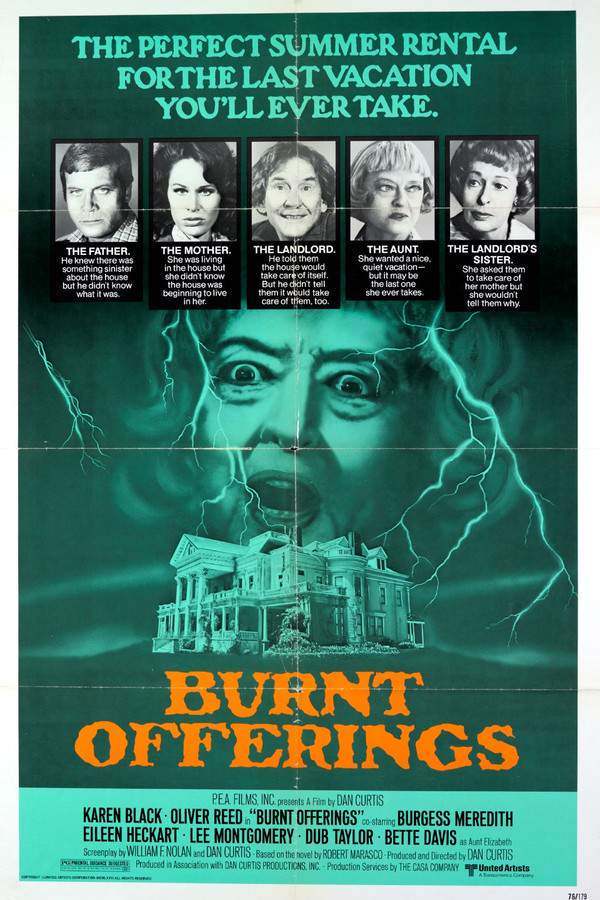
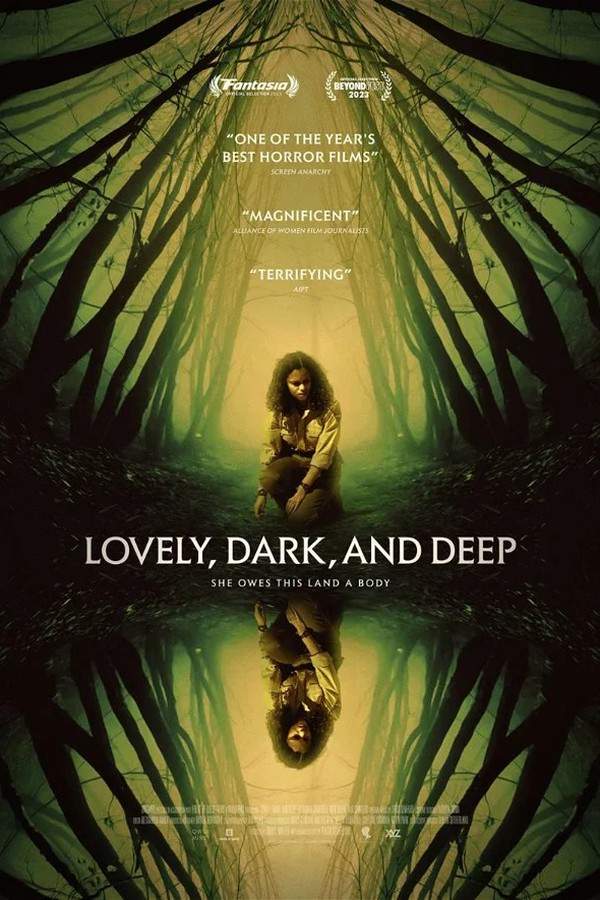
Movies about dark descents and tragic faith like Mother Joan of the Angels

Tragedies where noble intentions lead to damnation and devastating consequences. For viewers who appreciated the tragic arc of misguided love and faith in Mother Joan of the Angels, this collection features similar films. Explore stories of characters whose devotion leads to their downfall, blending heavy drama with bleak outcomes in a search for meaning that ends in despair.

  • tragic
  • desperate
  • somber
  • melancholic
  • psychological
  • bleak
  • Tone: bleak, melancholic
  • Pacing: slow, character driven
Why these movies?

The story pattern: The narrative pattern involves a dedicated character confronting a complex situation, often involving another person in crisis. Their attempt to help, rooted in love or belief, becomes entangled with obsession and corruption. The story escalates towards a violent, irreversible act meant as a sacrifice or salvation, which instead confirms a hopeless, bleak reality.

Why they belong together: These movies share a core thematic focus: the destructive potential of absolute devotion. They explore how love and faith, when pushed to extremes, can lead to moral collapse and tragedy. This unifying theme creates a powerful link between stories of personal ruin driven by the best of intentions.

Every angle

Mother Joan of the Angels (1961) Explained: Plot, Timeline & Characters

Everything about Mother Joan of the Angels in one place: what happens in the plot summary, the timeline in chronological order, the characters and meaning and a spoiler-free summary. What's After the Movie adds the cast, box office and post-credit scenes.

Coming soon on iOS and Android

The Plot Explained Movie Summary App

Plot summaries, endings explained and timelines on your phone. Catch up on any movie in minutes, save your favorites and never miss a twist again.

Be the first to know when we launch. Your email stays private, always.

Learn more about the app