Year: 1961
Runtime: 106 mins
Language: Polish
Director: Jerzy Kawalerowicz
A Polish priest is called to an isolated convent where the Mother Superior is said to be possessed by eight demons. As he attempts an exorcism, he begins to suspect that the true threat lies not in malevolent spirits but in the unsettling absence of any protective angels, turning the battle into a desperate search for light amid darkness.
Warning: spoilers below!
Haven’t seen Mother Joan of the Angels yet? This summary contains major spoilers. Bookmark the page, watch the movie, and come back for the full breakdown. If you're ready, scroll on and relive the story!
Read the complete plot breakdown of Mother Joan of the Angels (1961), including all key story events, major twists, and the ending explained in detail. Discover what really happened—and what it all means.
In the shadowed world of a seventeenth-century convent near Smolensk, a weary traveler and priest named Father Józef Suryn, Franciszek Pieczka, rides into the region after spending a night at a roadside inn. He has been sent to investigate rumors of demonic possession at the nearby convent, a mission sparked by the village’s fear after Father Garniec was burned at the stake for allegedly tempting the nuns. The very next day, Suryn makes his way to the convent, where he meets the abbess, Mother Joan, who is reputed to be the most possessed among the nuns. Mother Joan is brought to life on screen by Lucyna Winnicka, and the inn’s crowd—curious villagers and an anxious stableman named Kaziuk—watch with bated breath as four priests before Suryn have already failed to drive out the spirits. The inn’s lone non-possessed nun, Sister Małgorzata, also known to the locals, offers stories to the priest during her nightly visits, providing the first clues about the convent’s troubled history. Sister Małgorzata is portrayed by Anna Ciepielewska.
As Suryn begins the arduous exorcism, eight demons are said to inhabit Mother Joan, and the ritual draws help from a cadre of exorcists, including the presence of the Exorcist depicted by Zygmunt Malawski. For a time, the abbess and the other nuns appear freed as the demonic force seems to retreat, and the parish sees a fragile calm. Yet the peace proves to be temporary, and the darkness returns with a renewed force that unsettles everyone at the inn and in the convent. The abbess’s seduction becomes a stark temptation, as Mother Joan pleads with Suryn to grant her sainthood, revealing that the struggle between faith and desire is far from over.
Meanwhile, Sister Małgorzata leaves the cloister and takes on a different name—Margareth—after falling in love with Chrząszczewski, a dashing squire who visits the inn. The arc of Margareth’s transformation underscores the complex pull between the sacred and the earthly, a tension that threads through the entire tale. Chrząszczewski is brought to life by [Stanisław Jasiukiewicz], giving a human face to the conflicts that ripple through the characters’ choices.
A crucial turn arrives when a failed encounter with a local rabbi unsettles Suryn, pushing him back into the convent’s orbit. The rabbi’s presence underscores the world’s broader tensions, but it is Suryn’s return to the abbey that proves decisive. In a moment that blurs the line between salvation and damnation, Suryn accepts Mother Joan’s demons by surrendering to a love that seems to demand the darkest of bargains, a choice that weighs heavily on his conscience and the fate of all connected to the convent. The rabbi’s influence is mediated through the priest, who, in a controversial act in the name of love, seizes an axe and strikes down Kaziuk, the steadfast stableman, and Juraj, a companion of the inn. The two men fall to the ground as Suryn’s inner struggle erupts into outward violence, and the bloodied weapon marks a turning point in the narrative.
The following morning reveals the consequences of this grim act. Margareth discovers Suryn with the axe in hand, and he urges her to go to Mother Joan and tell her of the sacrifice he has made for her salvation. Margareth races back to the convent and, upon reuniting with Mother Joan, the two women share a quiet, sorrowful moment that speaks more than words could—that their paths have forever braided together in this dark, unspoken crucible. The story closes with a charged stillness, as the characters confront the limits of mercy, the danger of love, and the heavy price paid when faith and flesh collide within the walls of the convent.
Last Updated: October 05, 2025 at 12:01
Discover curated groups of movies connected by mood, themes, and story style. Browse collections built around emotion, atmosphere, and narrative focus to easily find films that match what you feel like watching right now.
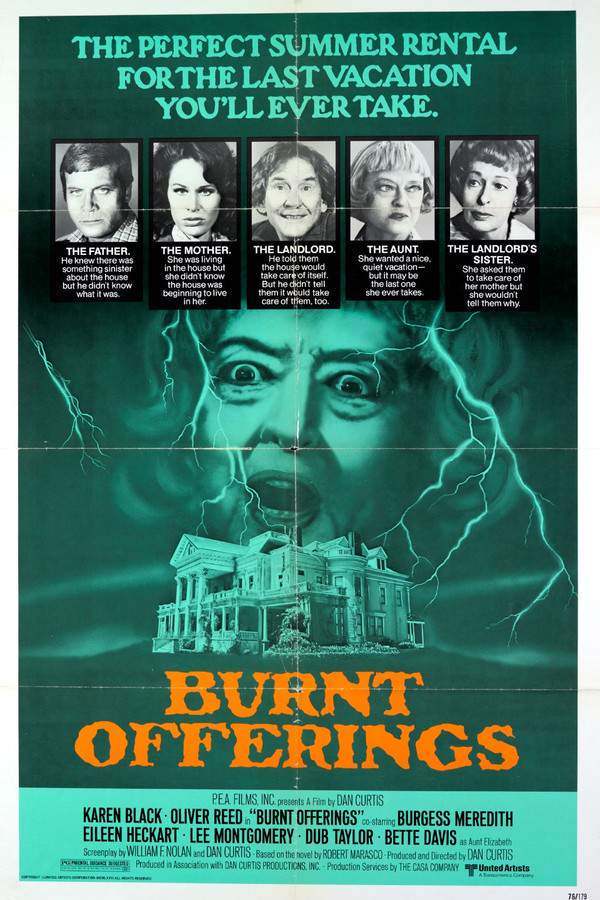
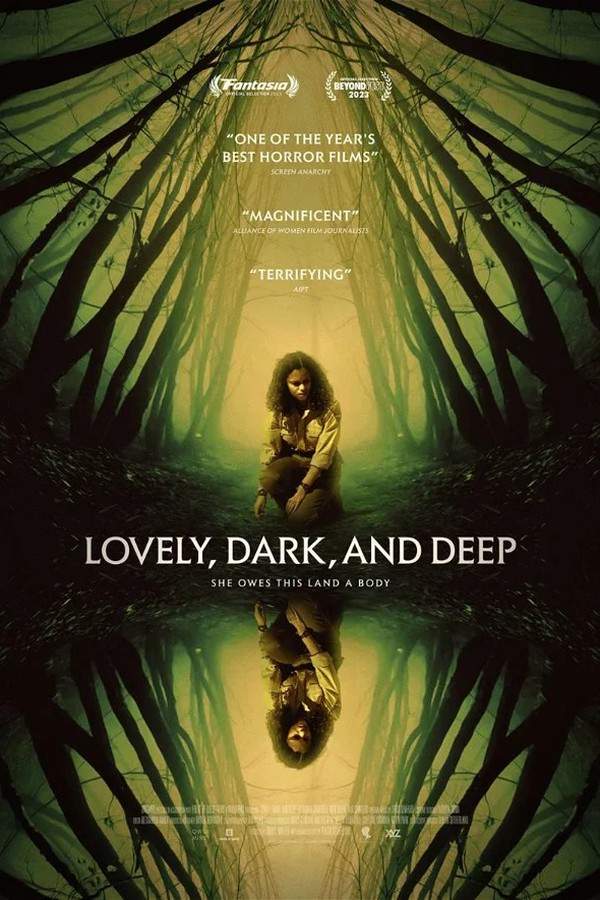
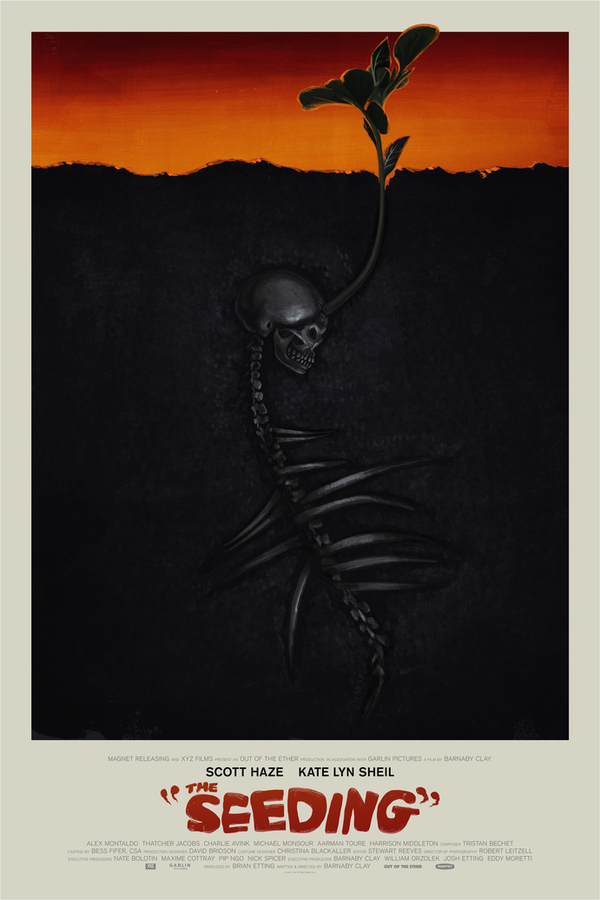
Where psychological torment and spiritual crisis create an oppressive, unsettling atmosphere.If you were captivated by the oppressive, psychological horror of Mother Joan of the Angels, this thread features movies like it. Discover similar slow-burn stories where faith is tested, reality blurs, and the dread comes from within rather than external monsters—perfect for viewers seeking deeply unsettling atmospheric films.
Stories in this thread often follow a protagonist, such as a priest or skeptic, entering an isolated environment to confront a perceived evil. The narrative slowly reveals that the true horror is not supernatural but psychological or spiritual, leading to a descent into doubt and a bleak confrontation with the void.
These films are grouped together because they share a specific, slow-paced, atmospheric approach to horror. They trade shock for sustained unease, focusing on internal collapse, claustrophobic settings, and themes of faith, doubt, and psychological possession, creating a coherent and heavy viewing experience.
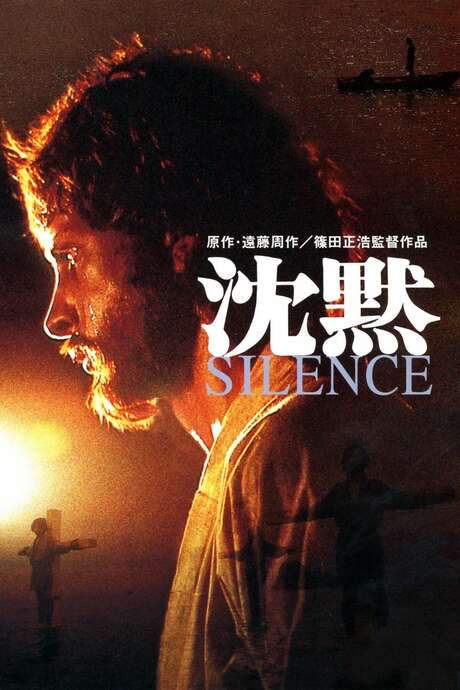
Tragedies where noble intentions lead to damnation and devastating consequences.For viewers who appreciated the tragic arc of misguided love and faith in Mother Joan of the Angels, this collection features similar films. Explore stories of characters whose devotion leads to their downfall, blending heavy drama with bleak outcomes in a search for meaning that ends in despair.
The narrative pattern involves a dedicated character confronting a complex situation, often involving another person in crisis. Their attempt to help, rooted in love or belief, becomes entangled with obsession and corruption. The story escalates towards a violent, irreversible act meant as a sacrifice or salvation, which instead confirms a hopeless, bleak reality.
These movies share a core thematic focus: the destructive potential of absolute devotion. They explore how love and faith, when pushed to extremes, can lead to moral collapse and tragedy. This unifying theme creates a powerful link between stories of personal ruin driven by the best of intentions.
Don't stop at just watching — explore Mother Joan of the Angels in full detail. From the complete plot summary and scene-by-scene timeline to character breakdowns, thematic analysis, and a deep dive into the ending — every page helps you truly understand what Mother Joan of the Angels is all about. Plus, discover what's next after the movie.
Track the full timeline of Mother Joan of the Angels with every major event arranged chronologically. Perfect for decoding non-linear storytelling, flashbacks, or parallel narratives with a clear scene-by-scene breakdown.
Discover the characters, locations, and core themes that shape Mother Joan of the Angels. Get insights into symbolic elements, setting significance, and deeper narrative meaning — ideal for thematic analysis and movie breakdowns.
Get a quick, spoiler-free overview of Mother Joan of the Angels that covers the main plot points and key details without revealing any major twists or spoilers. Perfect for those who want to know what to expect before diving in.
Visit What's After the Movie to explore more about Mother Joan of the Angels: box office results, cast and crew info, production details, post-credit scenes, and external links — all in one place for movie fans and researchers.