Plot Explained Spoilers guaranteed!
Plot Explained

Browse by genre

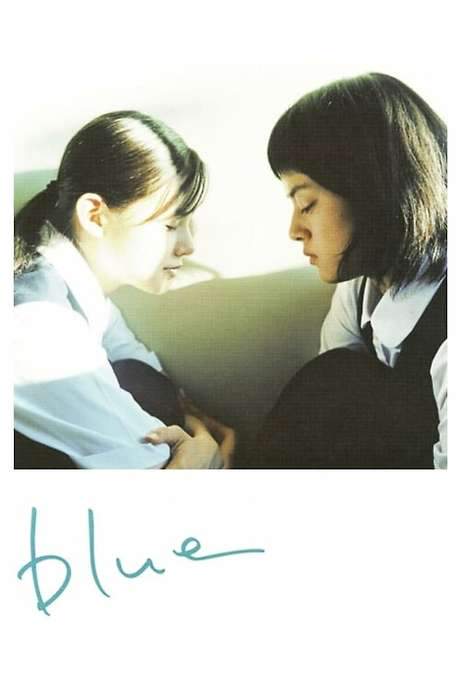
More Than Blue (2009) movie poster

Characters & Themes

More Than Blue (2009) Characters, Setting & Themes Explained

Release, runtime and language
2009 · 105 mins · Korean
Directed by
Won Tae-yeon
Starring
Jung Ae-yeun, Jung Jun-ho, Nam Gyu-ri, Kwon Sang-woo, Lee Han-wi, Lee Beom-soo

A Story Sadder Than Sadness. A terminally ill man tries to find a suitable husband for the friend he has loved since childhood.

On this page (7)
  1. 1 Characters explained (3)
  2. 2 Where & when it takes place
  3. 3 Themes & meaning (4)
  4. 4 Character & meaning questions
  5. 5 Movie threads
  6. 6 Movies like More Than Blue
  7. 7 Every angle

3 main characters · contains spoilers

More Than Blue Characters Explained: Who Is Who

The main characters of More Than Blue (2009), heroes and villains: what drives them, how they change over the course of the story and what each of them reveals about the film's bigger ideas.

  • Kay (Kwon Sang-woo)

    The male lead who hides his leukemia to protect Cream, choosing to shield her from pain and to let her pursue a healthier, happier life. His devotion is intense, and his past abandonment informs his protective instincts. He dreams of a life with Cream, even as illness tightens its grip on him.

    • 💔 Illness
    • ❤️ Love
    • 🕊️ Sacrifice
  • Cream (Lee Bo-young)

    A gifted musician who loses her entire family and becomes entangled in Kay's secret world. She surveys the edge of truth and deception, testing their bond by faking interest in another man to ease Kay's burden. Her diary reveals her perspective and the emotional cost of caring for someone near death.

    • 💔 Betrayal
    • 🎵 Music
    • 🕊️ Grief
  • Cha Joo-hwan

    played by Lee Beom-soo

    A man engaged to another woman whose life becomes intertwined with Kay and Cream's complex plan. Cream uses him as part of her deception to shield Kay, creating ethical tensions and emotional fallout for everyone involved. He navigates love, loyalty, and the consequences of manipulation.

    • 💖 Romance
    • 🕊️ Betrayal
    • 🧭 Complicity

Last updated: December 04, 2025 at 15:25

Was this helpful?

Setting

Where and When Does More Than Blue Take Place?

The setting of More Than Blue (2009): the year and time period, the places and locations, and how they shape the characters, the mood and the tension of the story.

Time period

Location

Last updated: December 04, 2025 at 15:25

Was this helpful?

4 major themes

More Than Blue Meaning: Themes & Message Explained

What is More Than Blue (2009) really about? The emotional, social and philosophical themes the film keeps returning to, its symbolism and the message beneath the surface.

  • Love and Sacrifice

    Kay's love for Cream is intense and protective, leading him to hide his leukemia to spare her. He urges her to find a healthy, wealthy partner so she can be happy without the burden of illness hanging over them. Cream's decision to test their bond by feigning affection for another man shows how far love will go to shield the one you care about. Their relationship is defined by secrecy, devotion, and a quiet hope to be together beyond pain.

  • Illness and Mortality

    Kay's leukemia drives every crucial choice and moment they share, making time feel scarce. He chooses to protect Cream from the harsh truth of his prognosis, prioritizing her future over his own. The couple celebrates Cream's birthday as a last vivid day together, highlighting the fragility of life. Mortality casts a shadow over their memories, giving their final moments a poignant gravity.

  • Deception and Truth

    Cream's knowledge of Kay's illness leads her to manipulate events by pretending to fall in love with Joo-hwan, aiming to appease Kay. The diary she keeps reveals her inner calculations and the ethical complexity of caring through deception. This manipulation tests the boundaries between love, honesty, and sacrifice. The narrative raises questions about whether the end justifies the means in intimate relationships.

  • Death and Afterlife

    The final day and their last photographs become a meditation on memory and what endures after death. Kay's death and Cream's implied suicide leave a haunting imprint that lingers beyond the screen. The dialogue hints at a belief in a next lifetime, offering fragile hope amid overwhelming grief. The film invites viewers to reflect on how love persists through memory and imagined reunions.

Last updated: December 04, 2025 at 15:25

Was this helpful?

Character & theme questions

More Than Blue Characters & Meaning: Your Questions Answered

The questions people ask about More Than Blue (2009): who the characters really are, their relationships, what the symbols mean, where it takes place and what the movie is really about. Each answer contains spoilers.

Q1

What is More Than Blue about?

More Than Blue is a Korean romantic drama about a terminally ill man named Kay who hides his leukemia diagnosis from Cream, his lifelong friend and the woman he loves. The film explores Kay's selfless decision to push Cream toward finding a healthy, wealthy partner instead of burdening her with his illness. Meanwhile, Cream already knows about Kay's condition and navigates a complex web of deception to protect him, creating a poignant story of love, sacrifice, and unspoken devotion.

  • terminal illness
  • korean romance
  • love sacrifice
  • leukemia
  • emotional drama
Q2

What are the main themes in the film?

The film centers on four interconnected themes. Love and Sacrifice defines Kay's protective devotion as he hides his illness to spare Cream from pain. Illness and Mortality drives every major decision, making time feel precious and limited. Deception and Truth explores how Cream's knowledge leads her to manipulate situations, raising questions about honesty in relationships. Death and Afterlife examines how their final moments and the belief in a next lifetime offer fragile hope amid overwhelming grief.

  • love sacrifice
  • illness
  • mortality
  • deception
  • afterlife
  • memory
Q3

Who is Kay and what is his role in the story?

Kay is the male lead portrayed by Kwon Sang-woo, a man who has loved Cream since childhood. His role centers on protecting Cream from the pain of his terminal leukemia diagnosis. Rather than sharing his prognosis, he actively encourages her to find a healthy, wealthy partner who can give her a better life. His past abandonment issues inform his intense, protective instincts toward Cream, making him willing to sacrifice his own desires for her future happiness.

  • Kay character
  • leukemia
  • protector
  • sacrifice
  • childhood love
Q4

Who is Cream and what is her relationship with Kay?

Cream, played by Lee Bo-young, is a gifted musician who lost her entire family and becomes closely connected to Kay's world. Her relationship with Kay is defined by mutual, unspoken devotion, she knows about his illness while he believes he's hiding it from her. She tests their bond by feigning romantic interest in another man (Joo-hwan) to ease Kay's burden and allow him to die peacefully. Her diary reveals the emotional cost of caring for someone terminally ill while maintaining the pretense of ignorance.

  • Cream character
  • musician
  • deception
  • diary
  • emotional sacrifice
Q5

How does the film address illness and mortality?

Kay's leukemia is the invisible engine driving every crucial choice in the film. Rather than focusing on medical details, the film portrays how a terminal diagnosis fundamentally alters one's perception of time and priorities. Kay chooses to prioritize Cream's future over his own, creating painful but deliberate distance. The couple's celebration of Cream's birthday becomes a poignant metaphor for capturing final vivid memories, while mortality casts a constant shadow over their interactions, giving even mundane moments profound emotional weight.

  • leukemia
  • terminal illness
  • death
  • mortality
  • time
  • fresh memories
Q6

What does the film say about love and sacrifice?

The film presents love as an act of protection that sometimes requires painful deception. Kay's love manifests as withholding the truth, he wants Cream to live without the weight of watching him die. Cream's love involves playing along with his deception while quietly bearing the emotional burden. The narrative suggests that true love sometimes means prioritizing the other's happiness over being together, even if that means accepting being pushed away. Their bond is defined by secrecy, devotion, and a quiet hope to be together beyond pain in some form.

  • true love
  • sacrifice
  • protection
  • devotion
  • unconditional love
Q7

Why is deception important to the story?

Deception serves as both the film's central mechanism and its moral complexity. Kay deceives Cream about his illness to shield her from pain and push her toward a healthier life. Cream deceives Kay by pretending not to know his secret, while simultaneously manipulating situations using Joo-hwan as part of her plan. This creates a paradox where both characters are lying to protect each other, raising questions about whether honesty is always the highest form of love. The narrative explores the ethical tensions of caring through deception and whether benevolent lies can be justified in intimate relationships.

  • deception
  • secrets
  • honesty
  • moral complexity
  • manipulation
  • ethics
Q8

What is the emotional tone of the film?

The film maintains a predominantly melancholic and heavy emotional tone throughout, driven by themes of terminal illness and secret sacrifices. Despite some tender moments between Kay and Cream, the underlying sadness is ever-present. The SadnessScore is rated very high (9) due to the dual tragedies of Kay's death and Cream's implied suicide. The RomanceScore is equally high (9) as the entire plot revolves around their profound, unfulfilled romantic connection. The tone is steady and character-driven rather than action-oriented, deriving its power from the quiet, internal tragedy unfolding between the two leads.

  • melancholic
  • sad
  • emotional
  • tragic
  • romantic
  • heavy tone
Q9

How does the film handle the concept of afterlife?

The film explores afterlife and memory through the couple's final photographs together and the lingering impact of their deaths. After Kay dies, Cream's implied suicide leaves a haunting imprint that extends beyond the screen. However, the dialogue hints at a belief in a next lifetime, suggesting that their love might continue beyond death. This provides fragile hope amid overwhelming grief, inviting viewers to reflect on how love persists through memory and imagined reunions. The theme suggests that bonds formed through such profound sacrifice may transcend physical death.

  • afterlife
  • reincarnation
  • memory
  • death
  • hope
  • spiritual reunion
Q10

What does the title More Than Blue mean?

The title More Than Blue likely references the pervasive sadness (blue) that defines the film's emotional landscape, suggesting the story is about emotions deeper than ordinary sadness. The film's Korean title and its tagline 'A Story Sadder Than Sadness' reinforce this interpretation. Blue as a color commonly represents melancholy, and the title implies that the characters' experiences, and their love, transcend typical sorrow. Their relationship involves complex layers of sacrifice, deception, and unspoken devotion that create a depth of emotion more profound than simple sadness can capture.

  • title meaning
  • blue color symbolism
  • sadness
  • emotional depth
  • melancholy

Movie threads

More Movies Like More Than Blue, by Mood & Story

Curated lists built around what makes More Than Blue tick: the same mood, the same kind of story or the same emotional payoff. Each list explains why these movies belong together.

Movies about secret sacrifices and unspoken love like More Than Blue

Stories where profound love is expressed through devastating, secret sacrifices. Explore a collection of movies like More Than Blue, where the central romance is defined by hidden devotion and heartbreaking sacrifices. If you were moved by the tragic, selfless love in this film, you'll find similar emotionally powerful dramas about characters who give up everything for the one they love, often without them ever knowing.

  • heartbreaking
  • tragic
  • romantic
  • secretive
  • devoted
  • yearning
  • Tone: melancholic, tragic, romantic
  • Pacing: steady, character-driven
Why these movies?

The story pattern: These stories typically follow a central, deeply bonded relationship—often friends or lovers—where one character hides their true feelings or a grave circumstance. The narrative builds around their attempts to secure the other's happiness, even at their own expense, leading to a climax where the truth is uncovered, resulting in profound grief, regret, or a bittersweet resolution.

Why they belong together: Movies are grouped here based on their shared focus on a specific kind of tragic romance: one driven by selflessness and secrecy. They create a similar viewing experience of heavy emotional weight, a melancholic tone, and a narrative that rewards emotional investment with a powerful, cathartic, and often sad conclusion.

Character-driven melancholic tragedies similar to More Than Blue

Character-focused dramas that build a steady, profound sense of impending loss. Discover movies similar to More Than Blue that share its deeply melancholic and steady-paced vibe. These character-driven tragedies focus on internal struggles with themes like terminal illness and grief, creating a heavy emotional experience. If you appreciated the somber, reflective mood of More Than Blue, you'll find more films with a similar contemplative and sad atmosphere.

  • melancholic
  • tragic
  • somber
  • reflective
  • grieving
  • poignant
  • Tone: melancholic, somber, tragic
  • Pacing: steady, deliberate, reflective
Why these movies?

The story pattern: The narrative pattern revolves around a central character facing an unavoidable, often fatal, personal crisis. The plot is less about external events and more about the emotional ripple effects on their relationships, leading to a quiet, introspective journey that emphasizes coping, farewells, and the quiet dignity found in sorrow.

Why they belong together: These films are grouped by their shared mood and tone: a consistent, pervasive melancholy derived from themes of mortality and loss. They offer a similar viewing experience through their steady pacing, medium intensity focused on emotional depth, and a conclusion that affirms the tragic arc, leaving a lasting emotional impact.

If you liked this

Movies Like More Than Blue

Similar movies to More Than Blue: the same genre, themes or kind of story. Each one comes with its own plot summary, timeline and ending explained.

Browse all movie summaries

Every angle

More Than Blue (2009) Explained: Plot, Timeline & Characters

Everything about More Than Blue in one place: what happens in the plot summary, the timeline in chronological order, the characters and meaning and a spoiler-free summary. What's After the Movie adds the cast, box office and post-credit scenes.

Coming soon on iOS and Android

The Plot Explained Movie Summary App

Plot summaries, endings explained and timelines on your phone. Catch up on any movie in minutes, save your favorites and never miss a twist again.

Be the first to know when we launch. Your email stays private, always.

Learn more about the app