Plot Explained Spoilers guaranteed!
Plot Explained

Browse by genre

More (1969) movie poster

Characters & Themes

More (1969) Characters, Setting & Themes Explained

Release, runtime and language
1969 · 117 mins · English
Loading streaming availability…
Directed by
Barbet Schroeder
Starring
Klaus Grünberg, Mimsy Farmer, Michel Chanderli, Heinz Engelmann, Georges Montant, Henry Wolf

After completing his degree, German student Stefan hitchhikes to Paris, where he encounters Estelle, a free‑spirited American woman. Drawn to her, he follows her to the party island of Ibiza, and together they spiral into a bleak world of heroin addiction, confronting loss, desperation, and the darkness of their choices.

On this page (8)
  1. 1 Where to watch
  2. 2 Characters explained (6)
  3. 3 Where & when it takes place
  4. 4 Themes & meaning (3)
  5. 5 Character & meaning questions
  6. 6 Movie threads
  7. 7 Movies like More
  8. 8 Every angle
Loading streaming availability…

6 main characters · contains spoilers

More Characters Explained: Who Is Who

The main characters of More (1969), heroes and villains: what drives them, how they change over the course of the story and what each of them reveals about the film's bigger ideas.

  • Stefan Brückner (Klaus Grünberg)

    A bright, restless young man who leaves his German hometown to experience life. His initial curiosity becomes reckless pursuit of pleasure as he falls under Estelle's spell, leading him into drug use and a downward spiral. His inability to see the danger until it’s too late culminates in a tragic overdose and suicide.

    • 🎒 Adventurous
    • 🧭 Risk-taker
    • 🔎 Curious
  • Estelle Miller (Mimsy Farmer)

    A seductive, volatile drug user who uses Stefan to obtain money and heroin. She steals from Wolf and manipulates those around her, gifting moments of affection that quickly turn sour. Her duplicity drives the film’s sense of danger and tragedy as she evades responsibility until the end.

    • 🎭 Charismatic
    • 🗺️ Self-serving
    • 💊 Drug user
  • Charlie (Michel Chanderli)

    A petty criminal who introduces Stefan to the Ibiza scene and acts as a wary conscience. He warns Stefan about Estelle’s danger and pushes him to return to Paris before things spiral further. His caution contrasts with Stefan’s reckless trust in Estelle.

    • 🗺️ Streetwise
    • 🗣️ Cautious ally
  • Dr. Ernesto Wolf (Heinz Engelmann)

    A wealthy Spanish ex-Nazi who finances Estelle’s lifestyle and wields power through money. He is both an object of Estelle's fear and a real threat to Stefan, representing exploitation and corrupted desire. His involvement anchors the darker undertones of privilege and coercion.

    • 💰 Wealth and power
    • ⚖️ Exploitation
  • Seller (Georges Montant)

    A barroom drug dealer who introduces Stefan to heroin and the drug trade’s lure. His casual presence marks the connectivity of the underworld that sustains the characters’ spiraling choices.

    • 🧪 Drug dealer
    • 🕳️ Underworld contact
  • Cathy (Louise Wink)

    Estelle’s best friend who appears at hippie gatherings and party scenes. She reflects the social circle surrounding Estelle and offers a counterpoint to the romance and danger, providing glimpses of a larger community involved in the era’s hedonism.

    • 🎭 Social ally
    • 👀 Watchful observer

Last updated: October 04, 2025 at 18:04

Was this helpful?

Setting

Where and When Does More Take Place?

The setting of More (1969): the year and time period, the places and locations, and how they shape the characters, the mood and the tension of the story.

Time period

late 1960s

Set in the late 1960s, the film captures a Europe immersed in counterculture, heady freedom, and experimentation. Stefan’s journey traces the youth-driven energy across Germany, Paris, and Ibiza, where the line between adventure and risk blurs. The era’s glamour and permissiveness quickly give way to the darker consequences of addiction and manipulation.

Location

West Germany, Paris, Ibiza

The film unfolds across several European settings tied to the late-1960s counterculture: Stefan leaves his West German hometown for Paris, then follows Estelle to Ibiza. The story moves from barrooms and smoky clubs to sunlit villas and hippie gatherings. Ibiza’s hedonistic party atmosphere contrasts with the lurking danger of drugs and exploitation, underscoring the era’s seductive yet perilous allure.

  • 🎭 Counterculture
  • 💊 Drug culture
  • 🏖️ Beach and party scene

Last updated: October 04, 2025 at 18:04

Was this helpful?

3 major themes

More Meaning: Themes & Message Explained

What is More (1969) really about? The emotional, social and philosophical themes the film keeps returning to, its symbolism and the message beneath the surface.

  • Addiction

    Stefan’s curiosity about Estelle spirals into heroin use, driven by a seductive yet dangerous dependency. The drug becomes a central force that reshapes trust, decisions, and the couple’s dynamics. As the high gives way to withdrawal and fear, the stakes grow until the story ends in tragedy.

  • Power and Manipulation

    Estelle leverages Stefan’s naivety to secure drugs and money, while Dr. Wolf’s wealth and influence enable coercive arrangements. Relationships are transactional, with affection traded for access to drugs and protection. Charlie’s warnings highlight a clash between loyalty and self-preservation in a dangerous social circle.

  • Descent and Consequences

    The narrative traces a rapid fall from hopeful ambition to self-destruction as freedom becomes perilous thrill-seeking. The pursuit of pleasure leads to betrayal, abuse, and a final overdose, underscoring the heavy cost of escaping into a reckless counterculture. The open-country burial at the end seals the fate born from this spiral.

Last updated: October 04, 2025 at 18:04

Was this helpful?

Character & theme questions

More Characters & Meaning: Your Questions Answered

The questions people ask about More (1969): who the characters really are, their relationships, what the symbols mean, where it takes place and what the movie is really about. Each answer contains spoilers.

Q1

Where does the story of More take place?

The film unfolds across three main European locations: Stefan's hometown in West Germany, the artistic streets of Paris, and the party island of Ibiza. Ibiza serves as the primary setting where the central relationship develops, depicted as a sunlit but dangerous haven of hedonism and counterculture experimentation.

  • setting
  • locations
  • ibiza
  • paris
  • west germany
  • europe
Q2

When is More set?

The film is set in the late 1960s, during the height of European counterculture. This era was characterized by youth-driven freedom, experimentation with drugs, and a blurred line between adventure and self-destruction. The time period directly shapes the film's atmosphere of permissive hedonism that ultimately turns dark.

  • time period
  • 1960s
  • counterculture
  • late 1960s
  • european setting
Q3

What is Ibiza like in the movie More?

Ibiza is portrayed as a seductive but perilous paradise. The island features sunlit villas, hippie gatherings, and a vibrant party scene, but these images of freedom and pleasure are undercut by lurking drug danger and exploitation. The setting reflects the era's glamorous yet toxic allure.

  • ibiza
  • drug culture
  • happy hippie islands
  • party scene
  • counterculture
Q4

What are the main themes in More?

The film explores three interconnected themes: addiction and dependency on heroin, power and manipulation in relationships where affection is traded for drugs, and the character's descent into self-destruction with irreversible consequences. These themes intertwine to show how freedom becomes perilous thrill-seeking.

  • themes
  • addiction
  • manipulation
  • descent
  • self-destruction
  • power dynamics
Q5

What does More say about drug addiction?

More portrays heroin addiction as a central destructive force that reshapes trust, decisions, and relationships. Stefan's initial curiosity spirals into reckless use, where the initial high quickly gives way to withdrawal, fear, and ultimately tragedy. The film shows addiction as a seductive trap that rewires human connection into something transactional.

  • addiction
  • drugs
  • heroin
  • dependency
  • substance abuse
Q6

Who is Estelle in More?

Estelle is a free-spirited American woman and volatile drug user who becomes the object of Stefan's obsession. She is seductive and duplicitous, using Stefan to obtain money and heroin while manipulating those around her. Her affection is transactional, and she evades responsibility for the consequences of her actions throughout the film.

  • estelle
  • character
  • mimsy farmer
  • manipulator
  • drug user
Q7

Who is Dr. Wolf in More?

Dr. Ernesto Wolf is a wealthy Spanish ex-Nazi who finances Estelle's lifestyle and wields power through money. He represents exploitation and corrupted desire, serving as both an object of Estelle's fear and a real threat to Stefan. His character anchors the film's darker undertones of privilege and coercion.

  • dr wolf
  • ex-nazi
  • wealth
  • exploitation
  • antagonist
  • heinz engelmann
Q8

What kind of person is Stefan in More?

Stefan is a bright, restless German student who leaves his hometown seeking experience and freedom. His curiosity about life and romance becomes reckless pursuit of pleasure. He is naive and unable to recognize danger until it is too late, making him vulnerable to Estelle's manipulation and the downward spiral into addiction.

  • stefan
  • protagonist
  • klaus grünberg
  • naive
  • student
Q9

What does More say about power and manipulation?

The film depicts relationships as fundamentally transactional in this world. Estelle leverages Stefan's naivety to secure drugs and money, while Dr. Wolf's wealth enables coercive arrangements. Affection is traded for access to substances and protection, showing how addiction corrupts human connection into exchanges of power.

  • power
  • manipulation
  • transactional relationships
  • exploitation
  • coercion
Q10

How does More portray the 1960s counterculture?

More presents the counterculture of the late 1960s as both alluring and dangerous. The film captures the era's heady freedom and experimentation but quickly reveals its darker consequences. The glamour and permissiveness of the period give way to addiction, manipulation, and tragedy, offering a cautionary portrait of the era's seduction.

  • counterculture
  • 1960s
  • hippie
  • freedom
  • experimentation
  • cautionary
Q11

What is the tone of the movie More?

The film has a steadily bleak tone that moves from romantic and bohemian allure to consistent tension and sadness. There is no redemption arc, the narrative offers an unrelenting downward spiral into addiction and tragedy. The emotional weight is heavy, dealing with betrayal, dependency, and mortality without hope of escape.

  • tone
  • atmosphere
  • bleak
  • tragedy
  • noir
  • mood
Q12

Who is Charlie in More and what role does he play?

Charlie is a petty criminal who introduces Stefan to the Ibiza scene. He acts as a wary conscience, warning Stefan about Estelle's danger and urging him to return to Paris before things spiral further. His caution contrasts sharply with Stefan's reckless trust in Estelle, making him the voice of reason in an increasingly dark narrative.

  • charlie
  • michel chanderli
  • conscience
  • warnings
  • supporting character
Q13

What does More say about descent and consequences?

The film traces a rapid fall from hopeful ambition to complete self-destruction. The pursuit of pleasure leads to betrayal, abuse, and最终的致命过量。 开放的乡村埋藏封印了这种螺旋所注定的命运。 这部电影认为,解放变成危险的快感寻求,最终导致不可逆转的人类代价。

  • descent
  • consequences
  • fall
  • self-destruction
  • tragedy
  • fate

Movie threads

More Movies Like More, by Mood & Story

Curated lists built around what makes More tick: the same mood, the same kind of story or the same emotional payoff. Each list explains why these movies belong together.

Unflinching Descent into Addiction movies like More

Stories that chart a steady and devastating decline into substance dependency. If you were drawn to the bleak and methodical portrayal of heroin addiction in More, this collection features other movies with a similar focus. Discover films that explore the steady spiral into dependency, the devastating personal cost, and the grim realities of addiction.

  • bleak
  • desperate
  • tragic
  • cautionary
  • grim
  • anxious
  • Tone: bleak, grim
  • Pacing: steady, methodical
Why these movies?

The story pattern: Narratives in this thread typically follow a linear, cause-and-effect structure. A character is introduced to a substance, experiences a brief period of euphoria or escape, and then quickly succumbs to dependence. The story focuses on the physical and psychological deterioration, strained relationships, and the tragic, often bleak, conclusion of their choices.

Why they belong together: These movies are grouped together by their shared focus on the addiction cycle. They possess a high emotional intensity, a bleak tone, and a steady pacing that mirrors the inescapable nature of dependency, creating a cohesive experience of tragic realism.
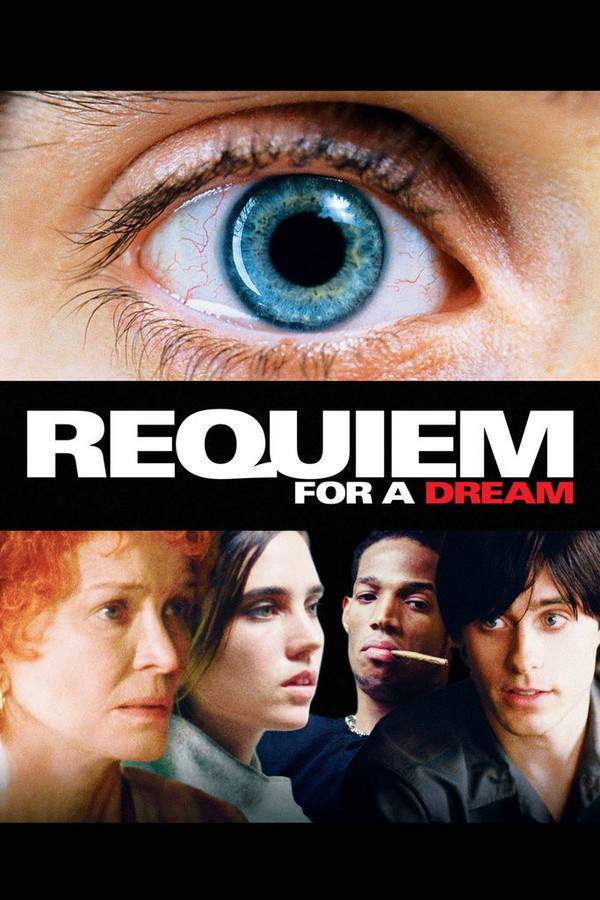
Movies about obsessive love and self-destruction like More

Relationships so consuming they become a catalyst for ruin. For viewers captivated by the toxic, all-consuming relationship in More, this thread highlights similar movies where romance leads to ruin. Explore stories of characters drawn together by a dangerous attraction, leading them down a path of shared desperation and tragic consequences.

  • tragic romance
  • obsessive
  • melancholic
  • desperate
  • intoxicating
  • anxious
  • Tone: tragic, melancholic
  • Pacing: steady, character driven
Why these movies?

The story pattern: The narrative pattern revolves around a central, magnetic relationship. The attraction is immediate and intense, often set against a bohemian or unconventional backdrop. This love becomes an obsession, blinding the characters to the dangers of their actions and pulling them into a vortex of co-dependency and self-destruction from which there is no escape.

Why they belong together: These films are united by the theme of love as a destructive force. They blend high-stakes romance with heavy drama, maintaining a tense, anxious mood and a steady pace that builds toward an inevitable, tragic conclusion centered on the characters' intertwined fates.

If you liked this

Movies Like More

Similar movies to More: the same genre, themes or kind of story. Each one comes with its own plot summary, timeline and ending explained.

Browse all movie summaries

Every angle

More (1969) Explained: Plot, Timeline & Characters

Everything about More in one place: what happens in the plot summary, the timeline in chronological order, the characters and meaning and a spoiler-free summary. What's After the Movie adds the cast, box office and post-credit scenes.

Coming soon on iOS and Android

The Plot Explained Movie Summary App

Plot summaries, endings explained and timelines on your phone. Catch up on any movie in minutes, save your favorites and never miss a twist again.

Be the first to know when we launch. Your email stays private, always.

Learn more about the app