
Mockingbird Don’t Sing
Year: 2001
Runtime: 98 mins
Language: English
Director: Harry Bromley Davenport
After spending almost thirteen years isolated in a small room, a girl emerged with the behavior of a wild animal. Only a compassionate psychologist believed she could be rescued and healed. The film recounts this harrowing true case of extreme child abuse and follows the painstaking process of her recovery once she is finally freed.
Warning: spoilers below!
Haven’t seen Mockingbird Don’t Sing yet? This summary contains major spoilers. Bookmark the page, watch the movie, and come back for the full breakdown. If you're ready, scroll on and relive the story!
Timeline – Mockingbird Don’t Sing (2001)
Trace every key event in Mockingbird Don’t Sing (2001) with our detailed, chronological timeline. Perfect for unpacking nonlinear stories, spotting hidden connections, and understanding how each scene builds toward the film’s climax. Whether you're revisiting or decoding for the first time, this timeline gives you the full picture.
Last updated: October 09, 2025 at 16:53
Mockingbird Don’t Sing (2001) Timeline Questions Answered – Chronology FAQ
Find frequently asked questions about the Mockingbird Don’t Sing (2001) timeline, including chronological order, nonlinear jumps, cause-and-effect links, and scene sequence clarifications. This timeline FAQ helps explain when key events happen, how moments connect, and why the story unfolds in that specific order.
Why did Wes keep Katie locked in her room?
Wes kept Katie isolated because he feared losing her to outside authorities. After his own mother died in an accident, he projected his feelings onto Katie. A doctor confirmed Katie was intellectually disabled, and Wes's fear that social services would take her away led him to lock her away from birth.
The film hints early at Wes's obsessive attachment when Louise reveals he adored his mother before her death.
Why did Wes Standon kill himself?
Wes committed suicide because he couldn't cope with the consequences of being arrested for child abuse. The arrest and the resulting public shock, along with the impending trial, overwhelmed him and led him to end his life.
The arrest and community reaction create immediate pressure that builds on Wes's fragile mental state.
Why did Katie stop speaking after the foster home?
Katie stopped speaking after a brutal incident connected to vomiting at her foster home. She feared further abuse if she spoke, so she ceased eating and withdrew completely from communication as a survival mechanism.
The transition to foster care brings new stresses that foreshadow the traumatic incident.
What was Judy's motivation for working with Katie?
Judy Bingham viewed Katie as a vehicle for personal fame. As a special education teacher, she hoped to crown herself as a transformative figure in language acquisition research, driven by ambition rather than pure concern for Katie's welfare.
Judy's ambitious entrance with "a mix of ambition and manipulation" signals her self-serving motives from the start.
Why did Louise take Katie out of the hospital?
Louise pulled Katie out of the hospital before any formal decision could be made about her future. She implied dire consequences if she ever saw Katie again, suggesting Louise feared outside interference or wanted to maintain control over her daughter despite the system's attempts to help.
Louise's sporadic visits and the fragile mother-daughter bond hint at her complicated feelings about outside experts.
What is the Critical Period Hypothesis as shown in the film?
The Critical Period Hypothesis suggests there is a window in early childhood during which language acquisition occurs naturally. Katie's struggle to acquire grammar despite years of therapy lent clinical credence to this theory, making her case both a caution and a linguistic case study.
Katie's noted progress in vocabulary but never developing full grammatical structure points to this biological limitation.
Why did Katie never develop normal grammar?
Katie made notable progress in vocabulary, sign language, hygiene, and expressing emotions, but she never experienced the full grammatical language boom that typical children achieve. This limitation is attributed to her extreme isolation during the critical period for language development, supporting the Critical Period Hypothesis.
Despite four years with Dr. Glazer's family, the grammar deficit persists throughout her treatment.
What happened to Katie after she turned eighteen?
When Katie turned eighteen, the state funding that had sustained her care was cut off. She returned to Louise's care, then entered the foster system again, where she experienced abuse. She now lives in a nearby foster home, remaining isolated from her most dedicated advocate, Sandra Tannen.
The funding cutoff is mentioned as a turning point that destabilizes her routine.
What caused the conflict between Sandra and Judy?
Sandra and Judy clashed as the history of Louise's life and their long acquaintances came into view. Sandra, genuinely invested in Katie's welfare, confronted Judy over her self-serving motivations and the ethical compromises Judy made in pursuing personal fame through Katie's case.
Judy's manipulative approach early on creates tension with Sandra's genuine care from the beginning.
Why did Louise and Billy try to escape from Wes?
Louise endured a brutal marriage with Wes and, wearing cataracts that caused her own fear of blindness, she and their son Billy attempted a dangerous escape from the home. Louise was desperately trying to protect Katie and herself from Wes's increasingly controlling behavior.
The toxic family dynamic is established early, showing Louise's desperation before the welfare intervention.
What does Katie's appearance on the beach at the end mean?
Katie appears on a sunlit beach in the final sequence, symbolizing a breath of freedom after years of confinement to four walls. However, the epilogues confirm she remains in state care, making the victory bittersweet and symbolic rather than a true release.
The film's restrained tone and the symbolic imagery prepare for this poignant conclusion.

Explore Movie Threads
Discover curated groups of movies connected by mood, themes, and story style. Browse collections built around emotion, atmosphere, and narrative focus to easily find films that match what you feel like watching right now.
Somber trauma recovery dramas like Mockingbird Don’t Sing
Somber films that meticulously document the painstaking process of healing from severe psychological wounds.For viewers seeking movies like Mockingbird Don’t Sing, this thread features films that explore psychological trauma and recovery with a serious, methodical approach. These similar drama stories share a dark tone and heavy emotional weight, often based on harrowing true events of abuse and resilience.
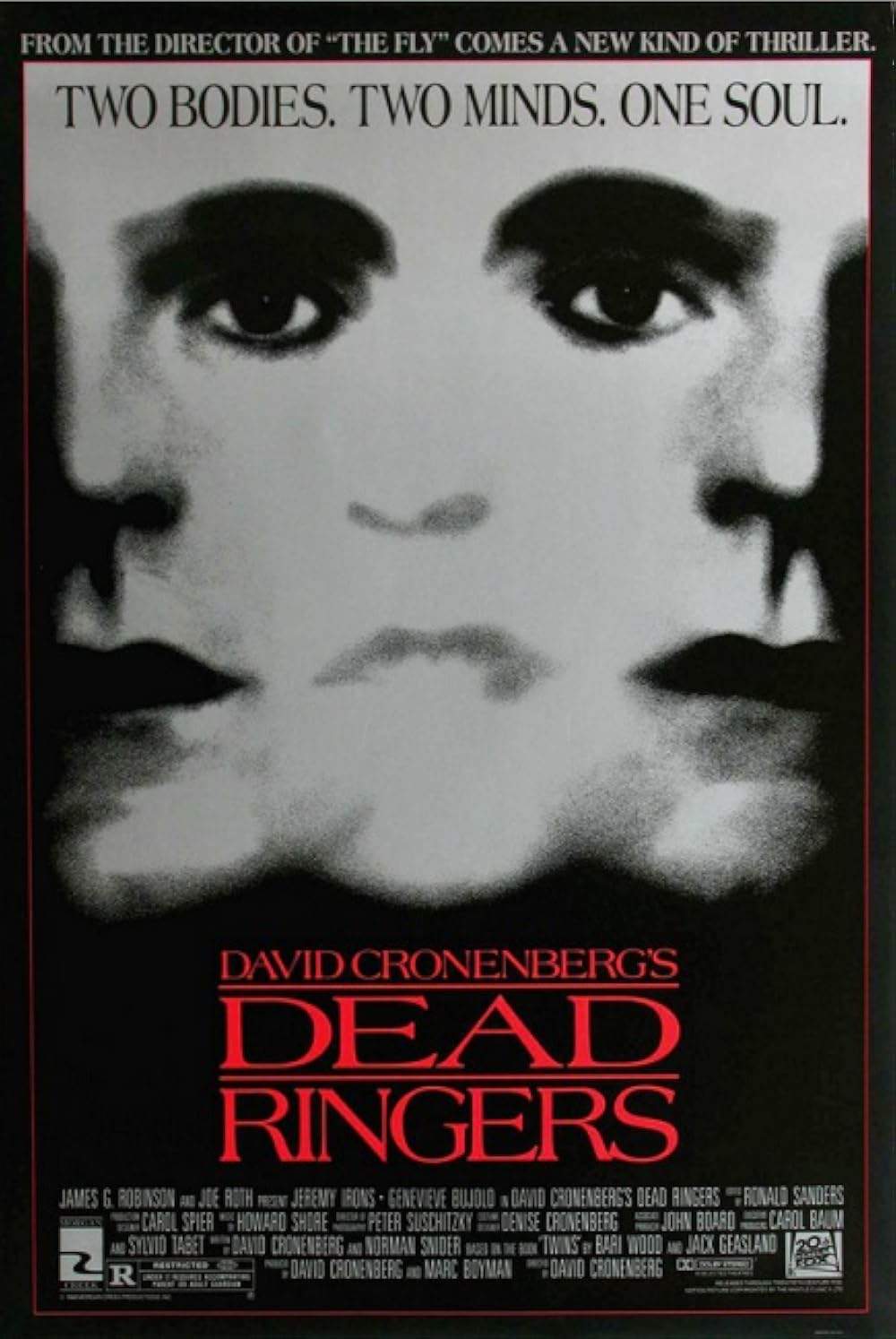
Dead Ringers
1988

Mysterious Skin
2005

Things Behind the Sun
2001

Clinical
2017

Exposed
2016
The Light of the Moon
2017

She's Lost Control
2015
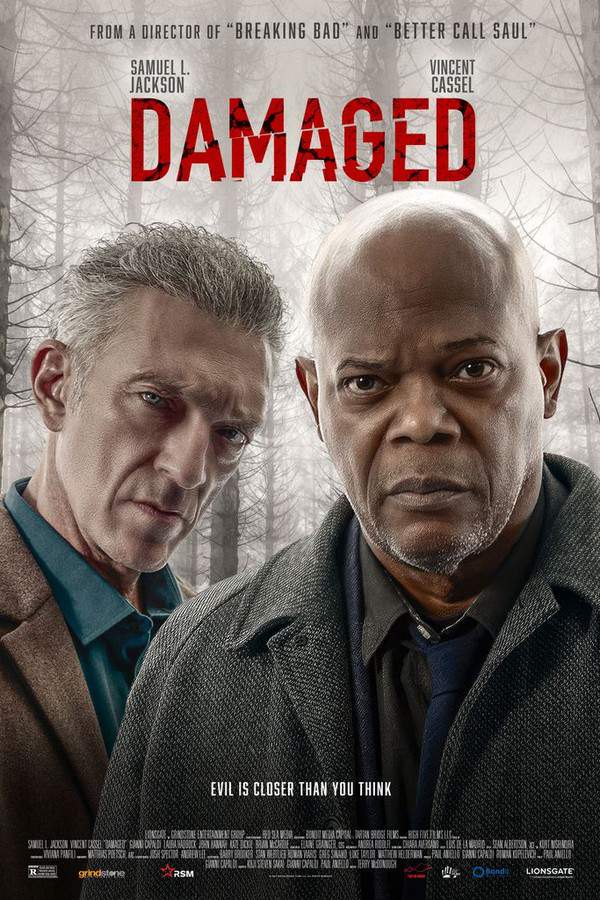
Damaged
2024

Memories
2013

The Client List
2010

Silent Fall
1994

Shattered Trust: The Shari Karney Story
1993

Down Came a Blackbird
1995

Floodlights
2022

Family of Strangers
1993
Narrative Summary
These stories typically follow a linear, procedural arc, beginning with a traumatic incident or discovery and charting the long, difficult path toward rehabilitation. The central conflict often lies between genuine, compassionate care and institutional bureaucracy or professional ambition, emphasizing the complexity of healing.
Why These Movies?
Movies are grouped here for their shared focus on psychological trauma, their clinical and observational filmmaking style, and their heavy, somber mood. They resonate with viewers seeking a serious, emotionally challenging exploration of human endurance.
True stories of bittersweet resilience like Mockingbird Don’t Sing
Based-on-truth narratives where hard-fought personal victories are tempered by systemic failings.If you liked the harrowing true story and bittersweet ending of Mockingbird Don’t Sing, this thread collects similar movies based on real events. These films share a heavy emotional weight and focus on individuals fighting against injustice, achieving poignant but incomplete victories.












Narrative Summary
The narrative pattern involves an individual surviving an extreme injustice, often a failure of care or protection. Their journey toward recovery or justice is the focus, but the conclusion acknowledges that some wounds never fully heal and some systemic problems remain unresolved, resulting in a poignant, bittersweet feeling.
Why These Movies?
These films are united by their basis in true stories, their focus on human resilience in the face of systemic failure, and their emotionally complex, bittersweet conclusions. They appeal to viewers who appreciate realistic, thought-provoking dramas that don't offer easy answers.
Unlock the Full Story of Mockingbird Don’t Sing
Don't stop at just watching - explore Mockingbird Don’t Sing in full detail. From the complete plot summary and scene-by-scene timeline to character breakdowns, thematic analysis, and a deep dive into the ending - every page helps you truly understand what Mockingbird Don’t Sing is all about. Plus, discover what's next after the movie.
Mockingbird Don’t Sing Summary
Read a complete plot summary of Mockingbird Don’t Sing, including all key story points, character arcs, and turning points. This in-depth recap is ideal for understanding the narrative structure or reviewing what happened in the movie.

Characters, Settings & Themes in Mockingbird Don’t Sing
Discover the characters, locations, and core themes that shape Mockingbird Don’t Sing. Get insights into symbolic elements, setting significance, and deeper narrative meaning - ideal for thematic analysis and movie breakdowns.


