
Mockingbird Don’t Sing
Year: 2001
Runtime: 98 mins
Language: English
Director: Harry Bromley Davenport
After spending almost thirteen years isolated in a small room, a girl emerged with the behavior of a wild animal. Only a compassionate psychologist believed she could be rescued and healed. The film recounts this harrowing true case of extreme child abuse and follows the painstaking process of her recovery once she is finally freed.
Mockingbird Don’t Sing (2001) – Spoiler-Free Movie Summary & Plot Overview
Get a spoiler-free look at Mockingbird Don’t Sing (2001) with a clear plot overview that covers the setting, main characters, and story premise, without revealing key twists or the ending. Perfect for deciding if this film is your next watch.
In the quiet suburbs of 1970s Los Angeles, a young girl who has spent nearly her entire life confined to a single room finally steps into the world beyond four walls. The film opens with the fragile emergence of Katie Standon, a child whose behavior mirrors that of an animal more than a human, and it is a compassionate psychologist who first believes she can be healed. This modest premise unfolds against a backdrop of muted, observational cinematography that invites the audience to feel the weight of isolation and the tentative hope of rescue.
The family that kept Katie hidden is a study in subdued tension. Her mother, Louise Standon, is a woman coping with failing eyesight and a marriage that feels both protective and oppressive. Her brother Billy lingers in the periphery, while the father, Wes Standon, remains a looming, enigmatic presence. When Katie is finally taken to a children’s hospital, a small but determined group of professionals—educators, linguists, and physicians—gather around her, each hoping to unlock the language and humanity that have been dormant for years. Their quiet dedication is hinted at through careful, intimate scenes of daily routines, whispered conversations in hallways, and the patient work of teaching sign language and basic self‑care.
The tone remains restrained and contemplative, balancing the stark reality of trauma with moments of fragile tenderness. The film’s style leans heavily on observational detail: the soft rustle of hospital curtains, the slow cadence of a therapist’s voice, the hesitant spark in Katie’s eyes as she begins to engage with the world. Rather than dramatizing sensational events, the story dwells on the delicate process of rebuilding trust and the subtle dynamics between genuine care and professional ambition.
Through its measured pacing and focus on human nuance, the movie asks viewers to consider how language, dependency, and autonomy intersect when a child steps out of darkness into a world that is both bewildering and full of possibility.
Last updated: October 23, 2025 at 16:21

Explore Movie Threads
Discover curated groups of movies connected by mood, themes, and story style. Browse collections built around emotion, atmosphere, and narrative focus to easily find films that match what you feel like watching right now.
Somber trauma recovery dramas like Mockingbird Don’t Sing
Somber films that meticulously document the painstaking process of healing from severe psychological wounds.For viewers seeking movies like Mockingbird Don’t Sing, this thread features films that explore psychological trauma and recovery with a serious, methodical approach. These similar drama stories share a dark tone and heavy emotional weight, often based on harrowing true events of abuse and resilience.
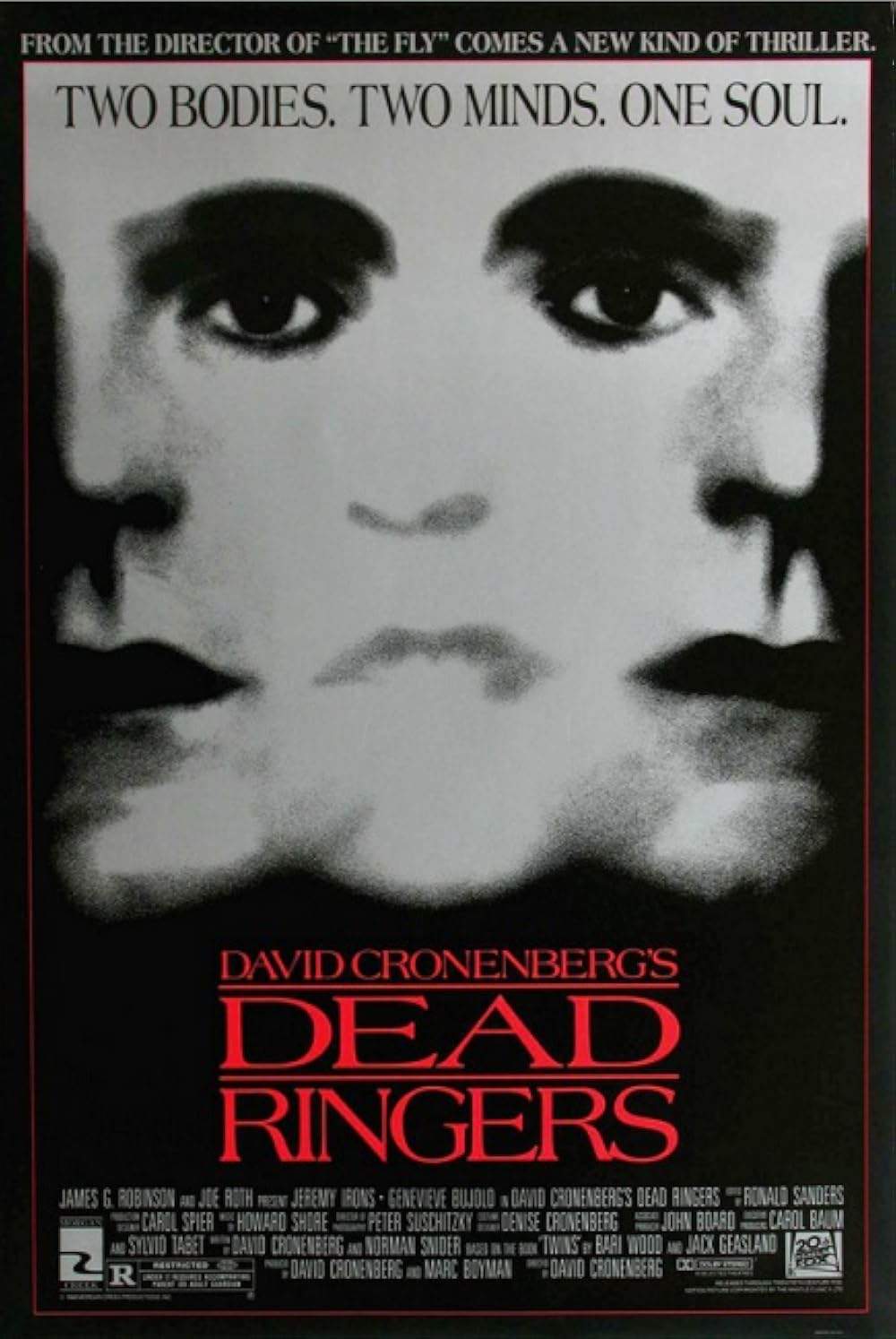
Dead Ringers
1988
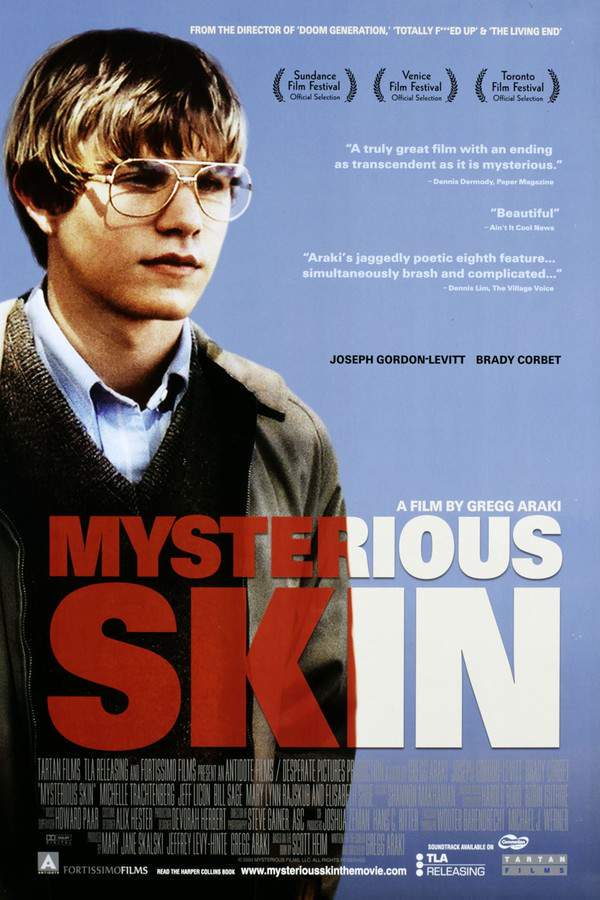
Mysterious Skin
2005
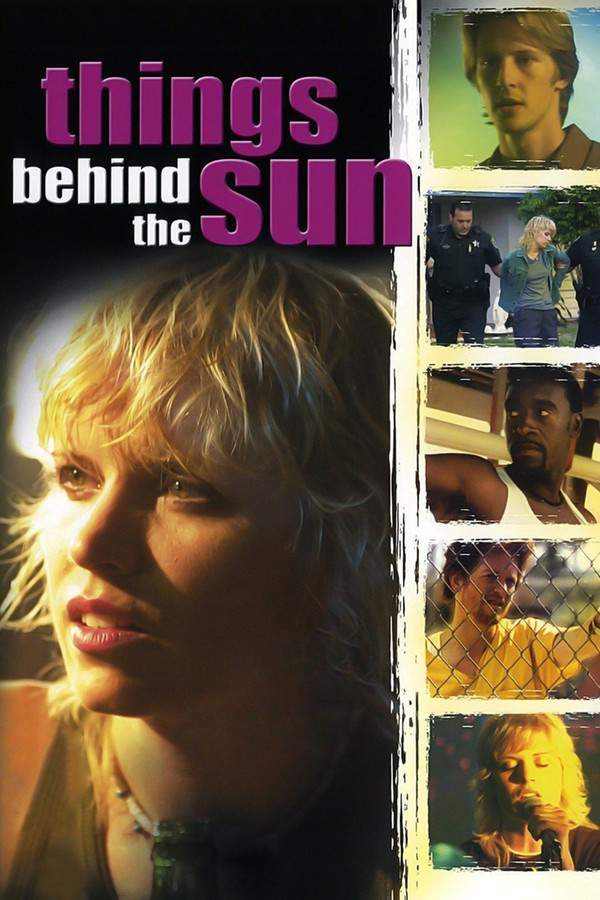
Things Behind the Sun
2001

Clinical
2017
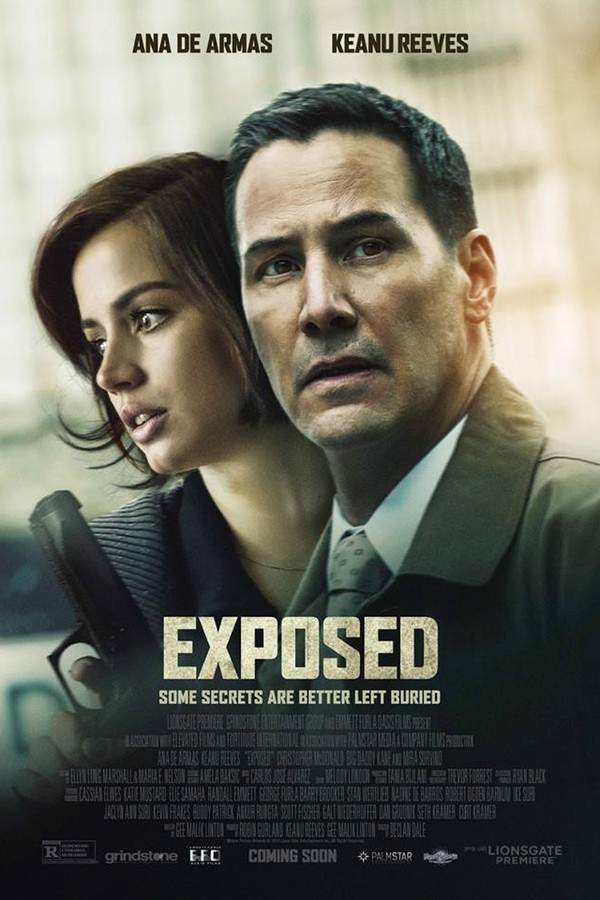
Exposed
2016
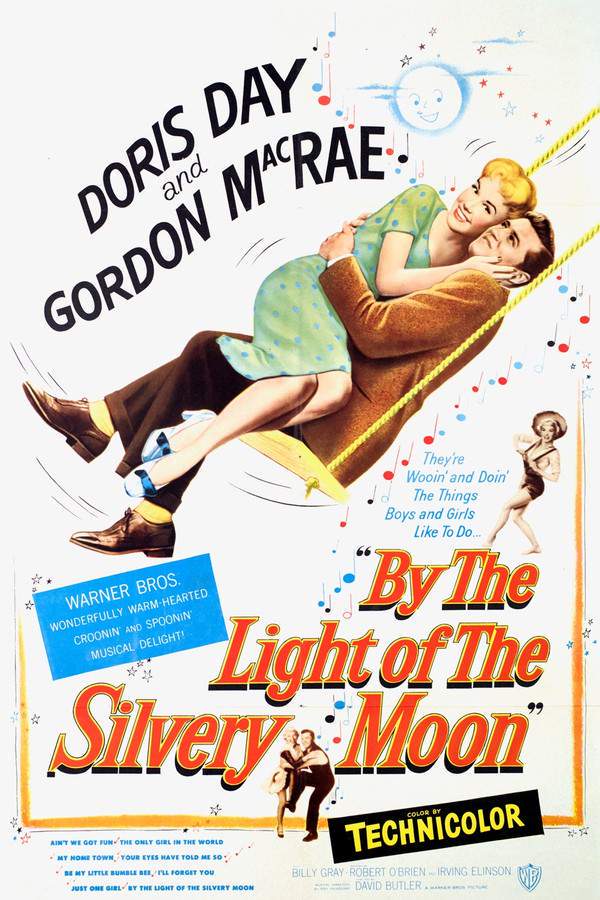
The Light of the Moon
2017

She's Lost Control
2015
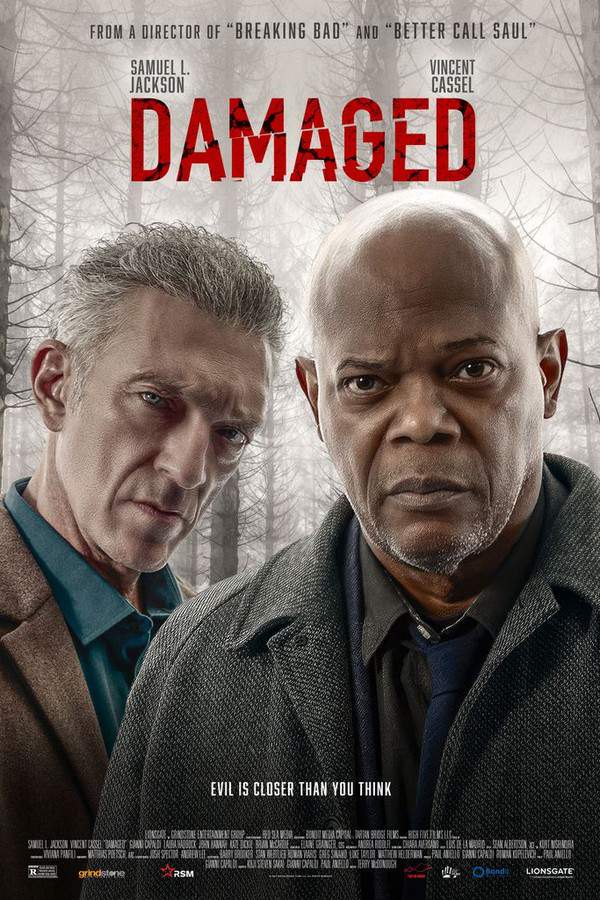
Damaged
2024
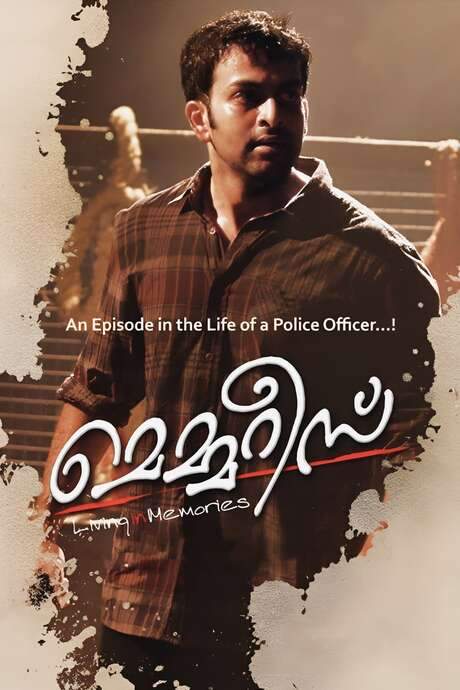
Memories
2013

The Client List
2010

Silent Fall
1994

Shattered Trust: The Shari Karney Story
1993

Down Came a Blackbird
1995
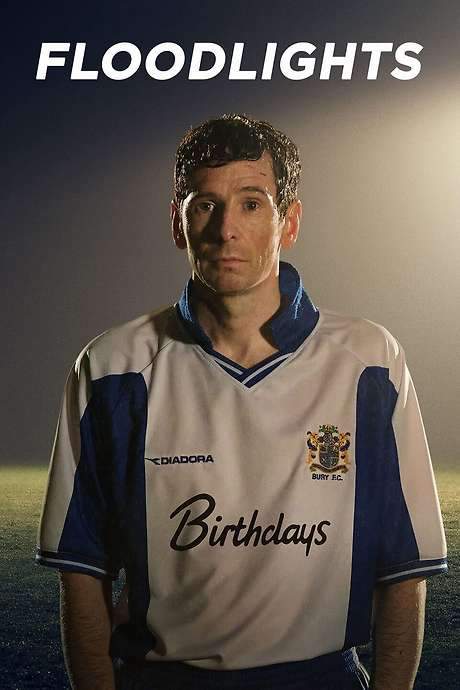
Floodlights
2022

Family of Strangers
1993
Narrative Summary
These stories typically follow a linear, procedural arc, beginning with a traumatic incident or discovery and charting the long, difficult path toward rehabilitation. The central conflict often lies between genuine, compassionate care and institutional bureaucracy or professional ambition, emphasizing the complexity of healing.
Why These Movies?
Movies are grouped here for their shared focus on psychological trauma, their clinical and observational filmmaking style, and their heavy, somber mood. They resonate with viewers seeking a serious, emotionally challenging exploration of human endurance.
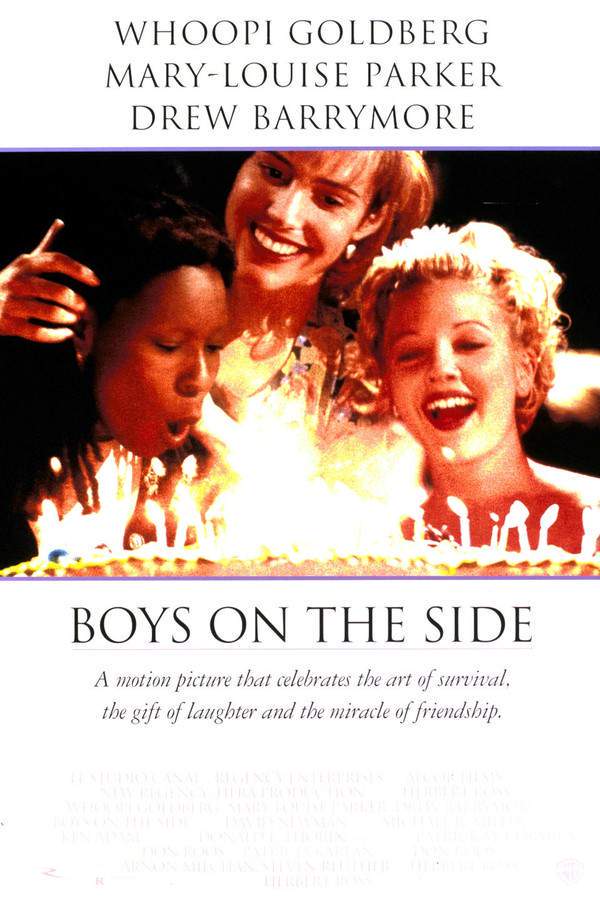
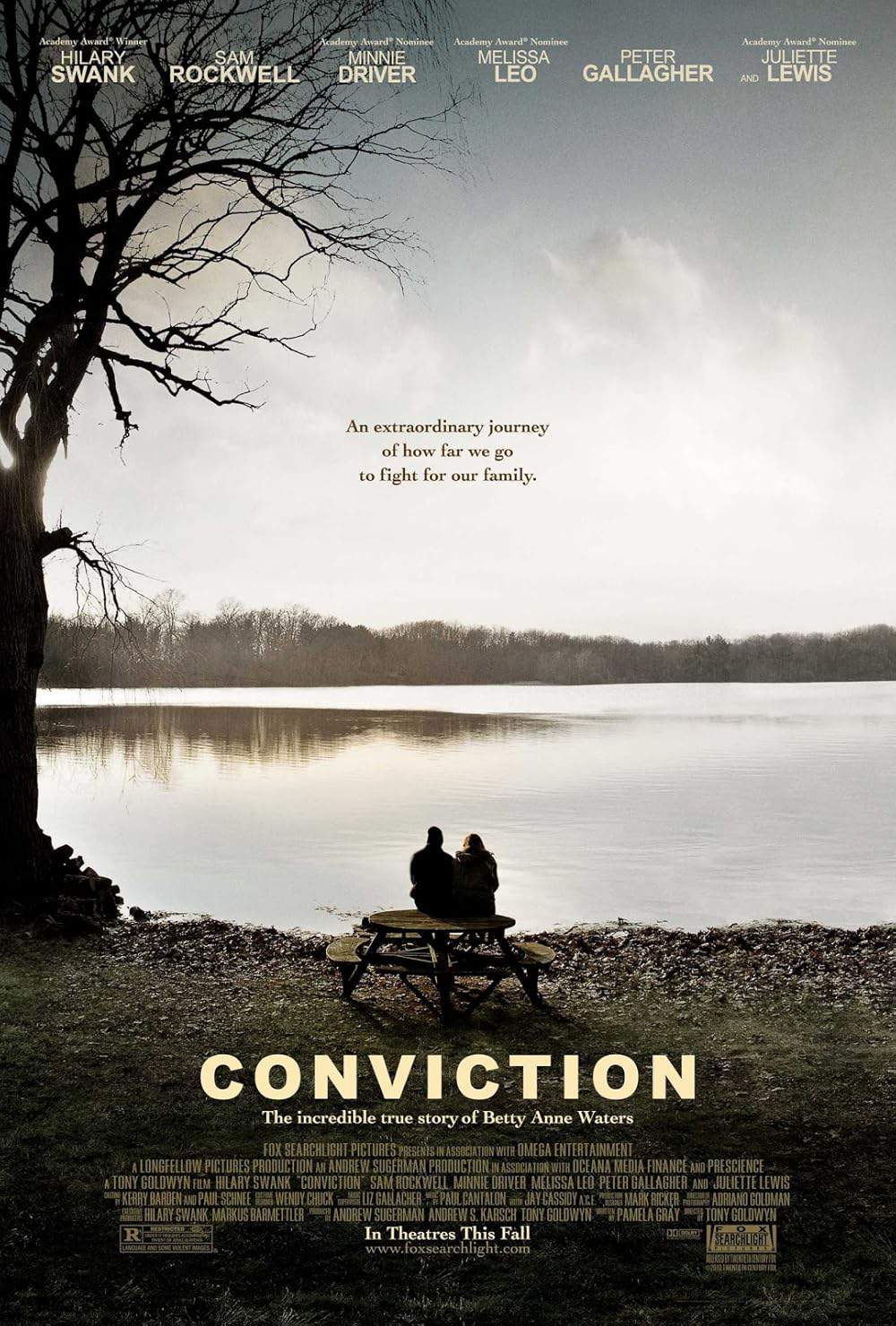
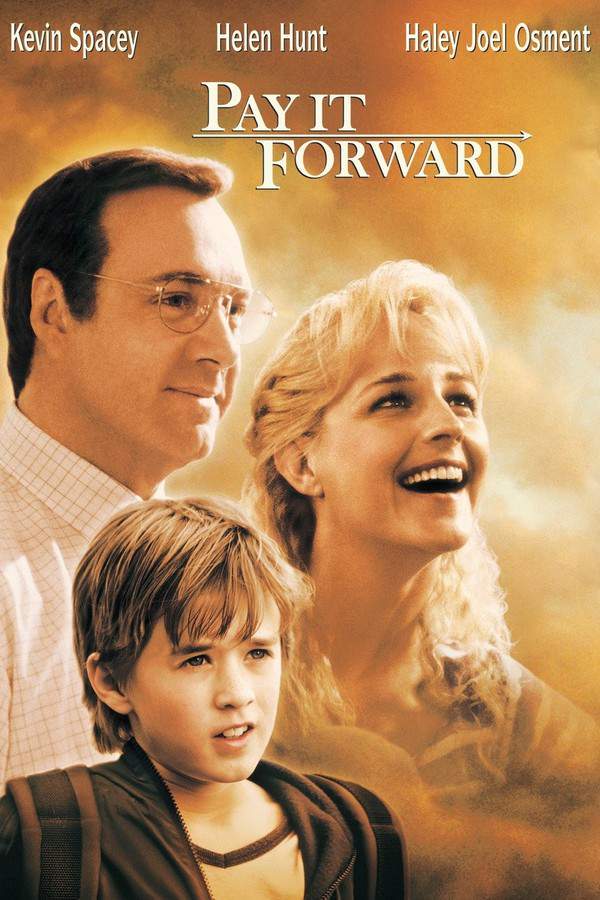
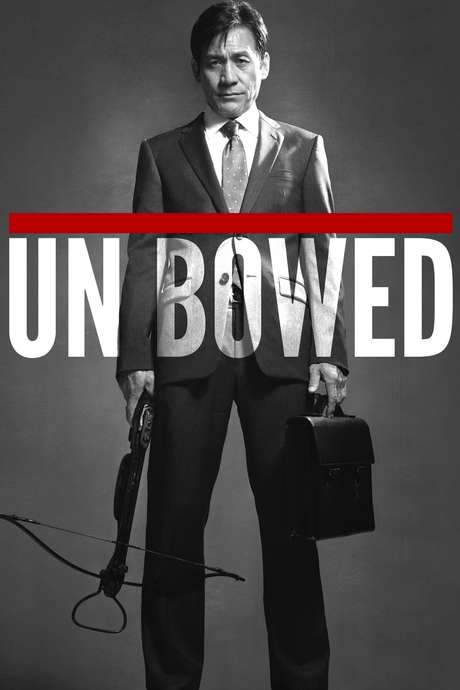
True stories of bittersweet resilience like Mockingbird Don’t Sing
Based-on-truth narratives where hard-fought personal victories are tempered by systemic failings.If you liked the harrowing true story and bittersweet ending of Mockingbird Don’t Sing, this thread collects similar movies based on real events. These films share a heavy emotional weight and focus on individuals fighting against injustice, achieving poignant but incomplete victories.









Narrative Summary
The narrative pattern involves an individual surviving an extreme injustice, often a failure of care or protection. Their journey toward recovery or justice is the focus, but the conclusion acknowledges that some wounds never fully heal and some systemic problems remain unresolved, resulting in a poignant, bittersweet feeling.
Why These Movies?
These films are united by their basis in true stories, their focus on human resilience in the face of systemic failure, and their emotionally complex, bittersweet conclusions. They appeal to viewers who appreciate realistic, thought-provoking dramas that don't offer easy answers.
Unlock the Full Story of Mockingbird Don’t Sing
Don't stop at just watching - explore Mockingbird Don’t Sing in full detail. From the complete plot summary and scene-by-scene timeline to character breakdowns, thematic analysis, and a deep dive into the ending - every page helps you truly understand what Mockingbird Don’t Sing is all about. Plus, discover what's next after the movie.
Mockingbird Don’t Sing Summary
Read a complete plot summary of Mockingbird Don’t Sing, including all key story points, character arcs, and turning points. This in-depth recap is ideal for understanding the narrative structure or reviewing what happened in the movie.

Mockingbird Don’t Sing Timeline
Track the full timeline of Mockingbird Don’t Sing with every major event arranged chronologically. Perfect for decoding non-linear storytelling, flashbacks, or parallel narratives with a clear scene-by-scene breakdown.


