Plot Explained Spoilers guaranteed!
Plot Explained

Browse by genre

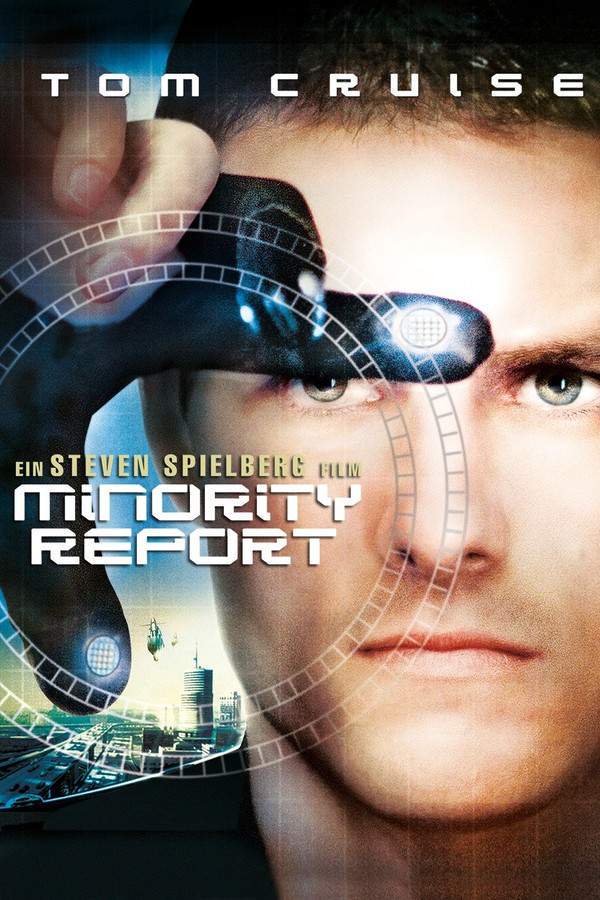
Minority Report (2002) movie poster

Plot Summary

Minority Report (2002) Plot Summary Explained

Release, runtime and language
2002 · 145 min · English
JustWatch #207 54
Directed by
Steven Spielberg
Starring
Tom Cruise, Max von Sydow
Budget
$102M

In 2054 Washington D.C., a specialized unit uses "precogs"—individuals with the ability to foresee crimes—to prevent them before they occur. Tom Cruise portrays the head of this Precrime division, whose world is thrown into chaos when he becomes the prime suspect in a murder that hasn’t happened yet. Now a fugitive, he must evade capture while uncovering the truth behind the accusation and the very system he dedicated his life to upholding.

On this page (6)
  1. 1 Where to watch
  2. 2 What happens: full plot
  3. 3 Plot questions answered
  4. 4 Movie threads
  5. 5 Movies like Minority Report
  6. 6 Every angle

Where to watch

Where to Watch Minority Report (2002)

Where can you watch Minority Report? Stream, rent or buy it in the US, including on Amazon Prime Video, fuboTV and Paramount Plus Essential: current JustWatch availability with up-to-date prices.

Streaming availability powered by JustWatch

Full plot summary · contains spoilers

What Happens in Minority Report: Full Plot Summary

The whole story of Minority Report (2002) explained, from the opening scene to the final frame: every key event, every twist and what it all adds up to. Read it as a quick recap before the sequel, to check a scene you missed, or to finally understand what really happened.

In the year 2054, the federal government is set to roll out the controversial Precrime program nationwide, following its successful six-year pilot in Washington, D.C. This revolutionary police initiative employs three clairvoyant individuals, known as the PreCogs, who possess the unique ability to glimpse visions of imminent homicides. Their psychic foresight allows law enforcement to intervene, arresting would-be killers before they commit their crimes. These criminals are then placed into an electrically induced coma within a secure prison facility, reminiscent of a Panopticon.

The PreCogs operate by generating a pair of distinct wooden balls, each uniquely inscribed; one bears the name of the perpetrator, while the other holds the victim's name. With colors indicating the type of murder—brown for premeditated acts, which can be predicted up to four days in advance, and red for impulsive crimes, which can manifest as little as an hour before—this method represents a formidable safeguard against potential killings. Despite the effectiveness of Precrime in eliminating premeditated murders, "red ball" killings, which occur spontaneously, continue to pose a challenge to the police.

Leading the Precrime initiative is John Anderton (Tom Cruise), a deeply affected individual driven by the loss of his six-year-old son, Sean, who was abducted and has never been found. Struggling with personal demons, including depression and an addiction to a drug called Neuroin, Anderton’s life is further complicated by the departure of his wife, Lara (played by Kathryn Morris). The trio of PreCogs consists of Agatha, Arthur, and Dashiell Arkadin, with their devoted caretaker being Norbert "Wally" Wallace.

As the Precrime team employs a meticulous technique called "scrubbing," they refine the PreCogs' visions to uncover vital clues. Once the location of a potential crime is determined, they swiftly deploy to thwart the act, using a device known as "haloing" to incapacitate the assailant. Anderton’s passion for the program is fueled by his belief that it could have prevented his son’s death. However, his world is turned upside down when the PreCogs predict that he himself will murder a stranger, Leo Crow (played by Mike Binder), whom he has never met before. This revelation sends him into hiding as a determined Department of Justice agent named Danny Witwer investigates the Precrime system, seeking to expose any flaws before a crucial Congressional vote.

After discovering disturbing information regarding the mysterious Anne Lively and a troubling connection to the PreCogs, Anderton becomes desperate to prove his innocence. Desperate for answers, he consults Dr. Iris Hineman, a geneticist pivotal in the creation of the Precrime program, who reveals that the PreCogs’ abilities stem from brain damage caused by their parents' former addiction to Neuroin. Getting a critical lead on the existence of a "minority report," which occurs when one PreCog sees an alternate future, Anderton takes drastic measures by a dangerous eye transplant to evade surveillance.

Kidnapping Agatha (Agatha) in a bid to uncover a hidden minority report, Anderton navigates this twisted plot involving illicit surveillance, with the tension escalating at every turn. Ultimately, as truth and deception intertwine, the dark secrets of Precrime are unveiled, leading to a climactic confrontation with Lamar Burgess (Max von Sydow), the Precrime director, where the stakes have never been higher.

In a poignant resolution, the characters confront their pasts and come to terms with their choices. The conclusion brings a bittersweet reunion for Anderton and Lara, as they look to the future together, while the Precrime program is dismantled, leaving behind a haunting yet hopeful reflection on free will and determinism. The PreCogs are finally afforded the chance to live peacefully, away from the shadows of their traumatic abilities, while society grapples with the implications of their own decisions and destinies.
Last updated: November 15, 2024 at 16:30

Was this helpful?

Plot questions answered

Minority Report Plot Explained: Your Questions Answered

The questions people ask most about Minority Report (2002): what happens in the confusing scenes, why the characters do what they do, the twists, hidden details and what the ending means. Each answer contains spoilers.

Q1

Why was John Anderton predicted to murder Leo Crow?

The PreCogs predicted that Anderton would kill Leo Crow because Lamar Burgess orchestrated the entire scheme. Burgess murdered Anne Lively (Agatha's mother) and engineered the murder to frame Anderton, ensuring the Precrime program would remain operational and protect the corrupt system he controlled.

Foreshadowing: Earlier scenes show Burgess's keen interest in maintaining the program's success and his warning to Anderton about the system's perfection, hinting at his willingness to do whatever it takes to preserve it.

  • john anderton
  • leo crow
  • precrime conspiracy
  • lamar burgess
  • minority report
Q2

How does the Precrime system predict murders?

The Precrime system uses three PreCogs, Agatha, Arthur, and Dashiell, who receive visions of impending homicides. These visions manifest as wooden balls: brown balls indicate premeditated murders predictable up to four days in advance, while red balls signal impulsive crimes that can appear as little as one hour before the act. The police 'scrub' these visions to identify location and perpetrator, then intervene using 'haloing' devices to incapacitate the would-be killer before the crime occurs.

Foreshadowing: The opening demonstration of the Precrime system establishes how the brown and red ball predictions work, showing viewers the mechanics before the central mystery unfolds.

  • precogs
  • precrime
  • brown ball
  • red ball
  • murder prediction
  • scrubbing
Q3

What is a minority report in Minority Report?

A minority report occurs when one of the three PreCogs sees a different future from the other two. This divergent vision represents an alternate timeline where the predicted crime either doesn't happen or happens differently. The minority report is considered an anomaly by Precrime officials, but Anderton discovers it can prove whether a prediction is accurate or manipulated.

Foreshadowing: Dr. Hineman mentions the existence of minority reports early in her conversation with Anderton, hinting that the system has built-in flaws that could expose the conspiracy.

  • minority report
  • precogs
  • alternate future
  • agatha
  • vision
Q4

How did John Anderton evade the Precrime surveillance system?

Anderton evaded surveillance by undergoing an illegal eye transplant, replacing his original eyes with those of a dead man. This changed his biometric identity, making him invisible to the Precrime system's omnipresent eye scanners and allowing him to move through the city undetected.

Foreshadowing: The scene where Anderton researches underground medical procedures hints at his desperate plan to disappear, building tension before the eye transplant is revealed.

  • eye transplant
  • surveillance
  • biometrics
  • anonymity
  • fugitiv
Q5

Why do the PreCogs have precognitive abilities?

The PreCogs' abilities stem from severe brain damage caused by their parents' addiction to Neuroin, a designer drug. Dr. Iris Hineman explains that this damage paradoxically granted them precognitive capabilities, the same drug Anderton uses to cope with his personal trauma is responsible for the very visions that power the system he leads.

Foreshadowing: Anderton's own Neuroin addiction runs parallel to the PreCogs' origins, creating thematic irony and establishing the drug's significance before the full connection is revealed.

  • precogs
  • neuroin
  • brain damage
  • dr iris hineman
  • origins
Q6

Who orchestrated the conspiracy against John Anderton?

Lamar Burgess, the director of Precrime, orchestrated the entire conspiracy. He murdered Anne Lively to prevent her from exposing the program's secrets and then engineered the false prediction of Anderton murdering Leo Crow, a setup designed to eliminate a potential threat and maintain control over the program. When Agatha (who is actually Anne Lively's daughter) began discovering the truth, Burgess arranged for her to be used as an informant.

Foreshadowing: Burgess's repeated emphasis on the program's perfection and his private conversations with other officials hint at his manipulative nature and willingness to protect the system at any cost.

  • lamar burgess
  • conspiracy
  • precrime director
  • anne lively
  • betrayal
Q7

Why was the Precrime program shut down?

The Precrime program was dismantled after the conspiracy was exposed, revealing that the system could be manipulated to frame innocent people. Additionally, the Supreme Court ruled that imprisoning people for crimes they hadn't yet committed violated their constitutional rights. The program had also been built on the exploitation of the PreCogs, who were essentially held captive and used as tools.

Foreshadowing: Danny Witwer's investigation throughout the film highlights potential flaws in the system, and his persistence suggests the program's vulnerabilities would eventually be uncovered.

  • precrime shutdown
  • program dismantle
  • constitutional rights
  • end of program
Q8

What happens to the PreCogs at the end of Minority Report?

At the end, the PreCogs are freed from their roles as crime-predicting instruments. Agatha, Arthur, and Dashiell are given the opportunity to live normal lives away from the Precrime facility, finally escaping the traumatic existence where their abilities were exploited. This resolution represents their liberation from the system that used them.

Foreshadowing: Anderton's growing concern for Agatha's wellbeing throughout the film, and his promise to help her, foreshadow his eventual role in securing their freedom.

  • precogs
  • agatha
  • freedom
  • liberation
  • end of film
Q9

Why is John Anderton addicted to Neuroin?

Anderton uses Neuroin to cope with the unresolved trauma of his young son Sean's abduction, which occurred years before the film takes place. The drug helps him manage his depression and grief, though it also clouds his judgment. His personal tragedy is what originally drove him to champion Precrime, he believed the system could have saved his son.

Foreshadowing: Early scenes establish Anderton's troubled state through his interactions with his ex-wife Lara and his emotional reactions to cases involving missing children, hinting at his deeper personal loss.

  • neuroin
  • addiction
  • john anderton
  • son sean
  • grief
  • trauma
Q10

Why did John Anderton kidnap Agatha?

Anderton kidnapped Agatha because she was the key to proving his innocence. As the most powerful PreCog, Agatha occasionally produced minority reports, alternate visions that could show whether a prediction was accurate or manipulated. Anderton hoped that by accessing her unique visions, he could find evidence that the murder he was predicted to commit was part of a setup.

Foreshadowing: Dr. Hineman's explanation about minority reports directly leads to Anderton's decision to take Agatha, as she represents the only chance to uncover the truth.

  • kidnap agatha
  • minority report
  • prove innocence
  • precog abilities
Q11

Why is the Precrime program considered controversial?

The Precrime program is controversial because it arrests and imprisonspersons for crimes they haven't committed yet, raising profound questions about free will, determinism, and whether it's ethical to punish people for actions they haven't taken. The system also exploits the PreCogs, essentially imprisoning them to use their abilities. Additionally, the film reveals the program can be manipulated, making the ethical debate even more complex.

Foreshadowing: The opening scenes show debate footage and public protests against Precrime, establishing its controversial nature before the story fully develops.

  • precrime controversy
  • ethics
  • free will
  • constitutionality
  • debate
Q12

What does the ending say about free will?

The ending suggests that despite the Precrime system's predictions, free will ultimately prevails. Anderton changes his fate by refusing to kill Leo Crow, proving that the future isn't fixed. The film's conclusion implies that while predictions can warn of potential futures, humans retain the ability to choose differently, making the dismantling of Precrime a victory for human agency over deterministic control.

Foreshadowing: Anderton's choice to spare Leo Crow, even when the vision showed him committing the murder, directly demonstrates that the predicted future can be altered through conscious decision.

  • free will
  • determinism
  • choice
  • fate
  • ending interpretation

Movie threads

More Movies Like Minority Report, by Mood & Story

Curated lists built around what makes Minority Report tick: the same mood, the same kind of story or the same emotional payoff. Each list explains why these movies belong together.

Dystopian Fugitive Movies Like Minority Report

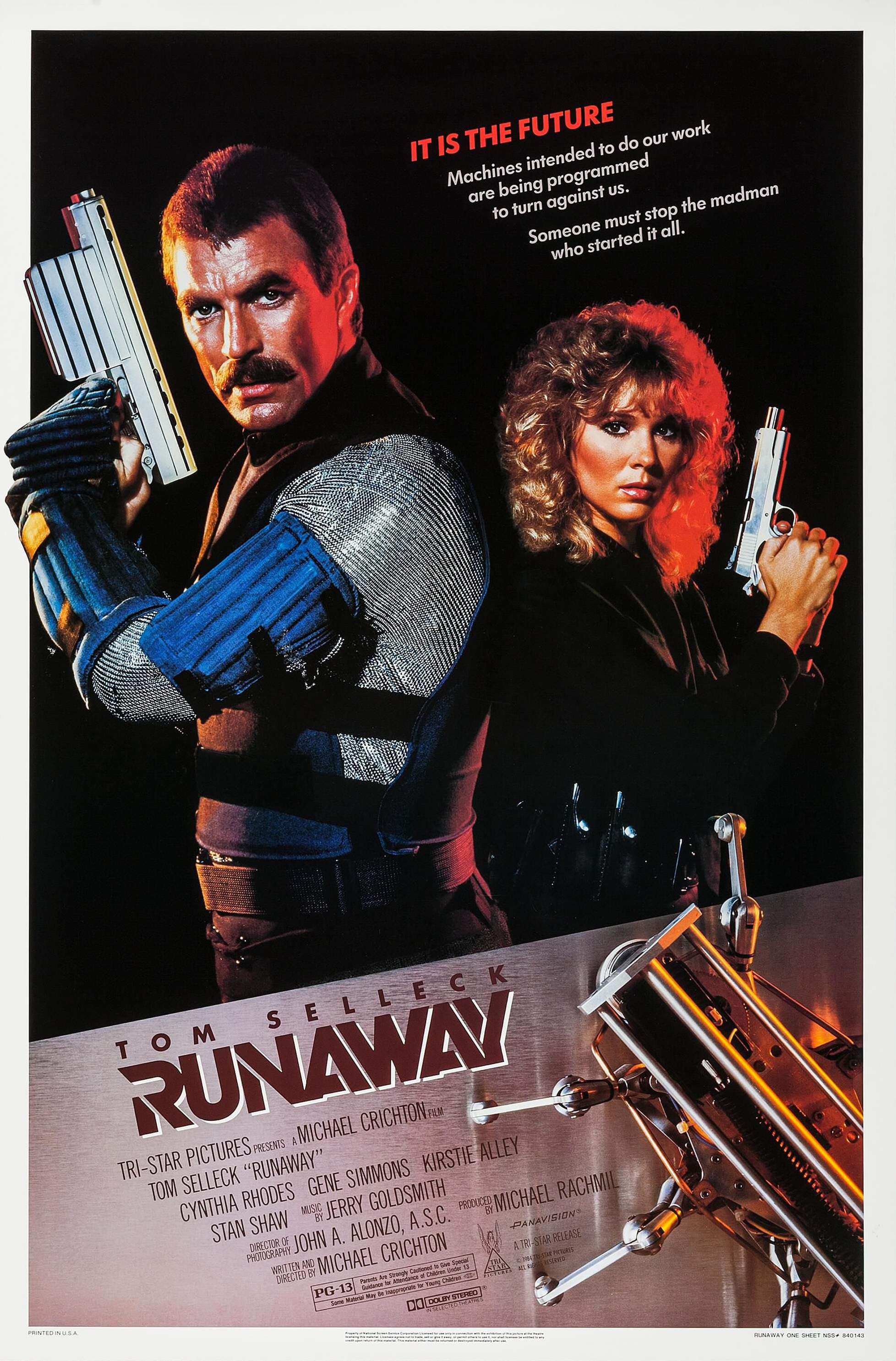
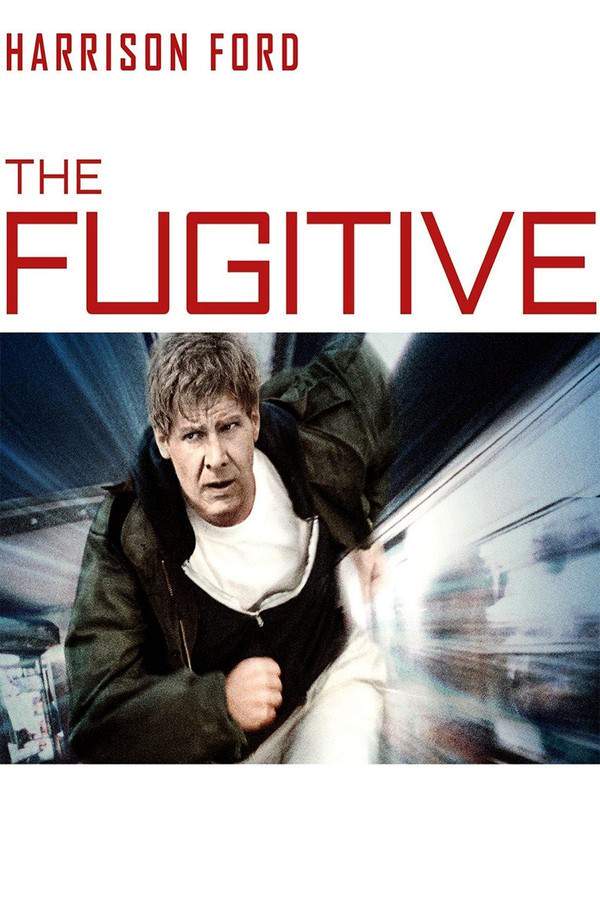
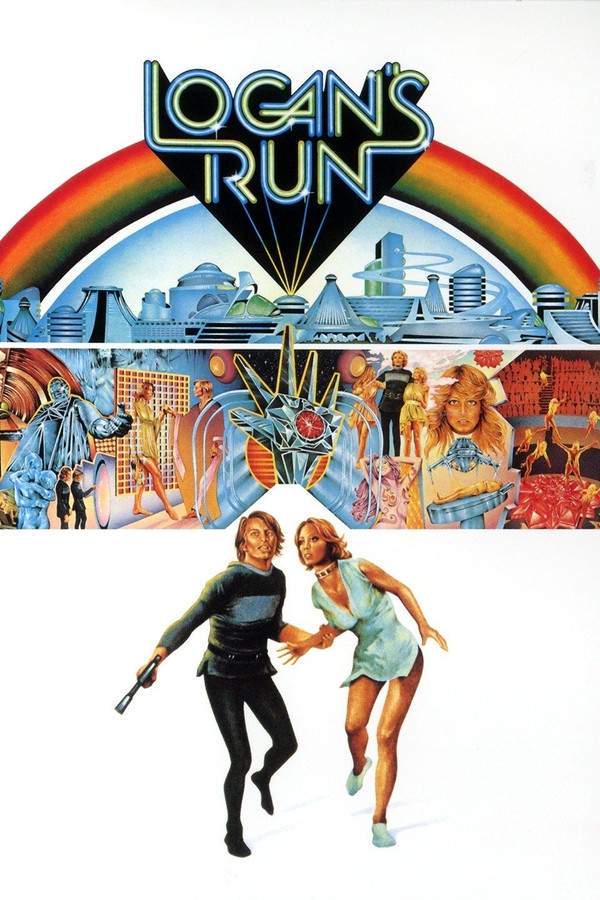
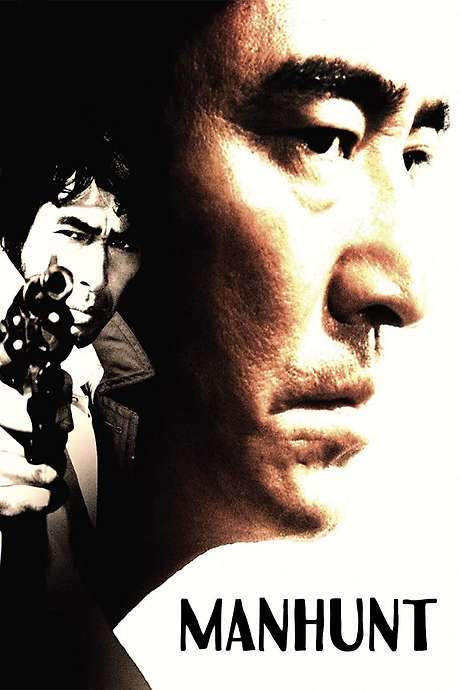
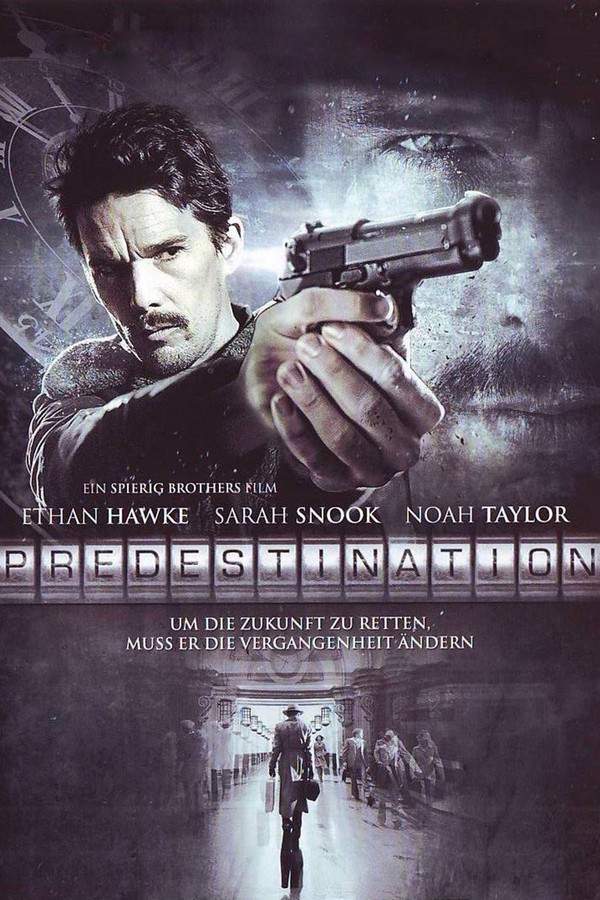
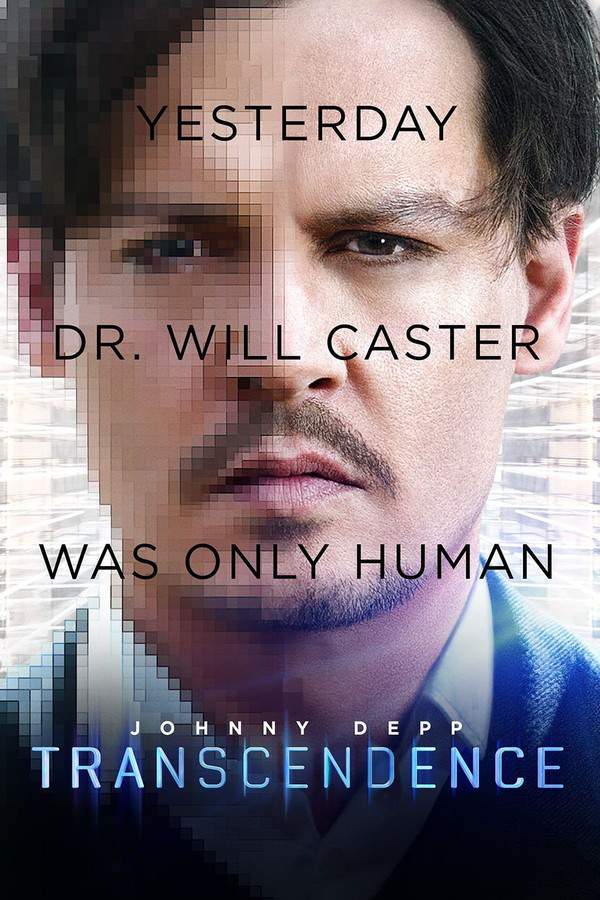
Protagonists hunted by the very system they trusted in a high-tech future. If you enjoyed the high-stakes chase in Minority Report, you'll find similar tension in these movies. This collection features protagonists hunted by corrupt futuristic systems, blending fast-paced action with deep conspiracy plots in dystopian settings. Discover more movies like Minority Report with this specific narrative thrill.
  • suspenseful
  • paranoid
  • anxious
  • dystopian
  • futuristic
  • oppressive
  • Tone: tense, paranoid
  • Pacing: fast, relentless
Why these movies?

The story pattern: The narrative pattern follows a character who is initially part of a powerful institution. A sudden accusation or discovery turns them into a fugitive, forcing them to use their insider knowledge to evade capture and uncover the truth, all while being pursued through a technologically oppressive world.

Why they belong together: Movies are grouped here for their shared core of a high-tech manhunt, the thematic exploration of surveillance and corruption, and the consistent mood of paranoia and anxiety that comes from being hunted in a world with nowhere to hide.

Philosophical Tech-Noir Movies Similar to Minority Report

High-concept sci-fi where advanced technology forces characters to confront heavy moral questions. Fans of Minority Report's exploration of free will within a high-tech dystopia will appreciate these films. This list features similar sci-fi stories that blend thrilling narratives with heavy philosophical questions about technology and morality. Find more complex and thought-provoking movies like Minority Report here.

  • thought-provoking
  • dystopian
  • noir
  • melancholic
  • complex
  • ethical dilemma
  • Tone: grim, melancholic, tense
  • Pacing: variable, but often steady to fast
Why these movies?

The story pattern: These narratives typically introduce a revolutionary technology that creates a central ethical conflict. The protagonist's journey involves grappling with the implications of this technology, leading to a complex investigation that challenges their beliefs and results in a morally nuanced, often bittersweet, resolution.

Why they belong together: These films share a core identity of using sci-fi thrills to ask weighty questions. They are united by a complex narrative structure, a melancholic and grim tone, and a focus on how technology impacts fundamental human concepts, creating a cohesive, intellectually stimulating experience.

If you liked this

Movies Like Minority Report

Similar movies to Minority Report: the same genre, themes or kind of story. Each one comes with its own plot summary, timeline and ending explained.

Browse all movie summaries

Every angle

Minority Report (2002) Explained: Plot, Timeline & Characters

Everything about Minority Report in one place: what happens in the plot summary, the timeline in chronological order, the characters and meaning and a spoiler-free summary. What's After the Movie adds the cast, box office and post-credit scenes.

Coming soon on iOS and Android

The Plot Explained Movie Summary App

Plot summaries, endings explained and timelines on your phone. Catch up on any movie in minutes, save your favorites and never miss a twist again.

Be the first to know when we launch. Your email stays private, always.

Learn more about the app