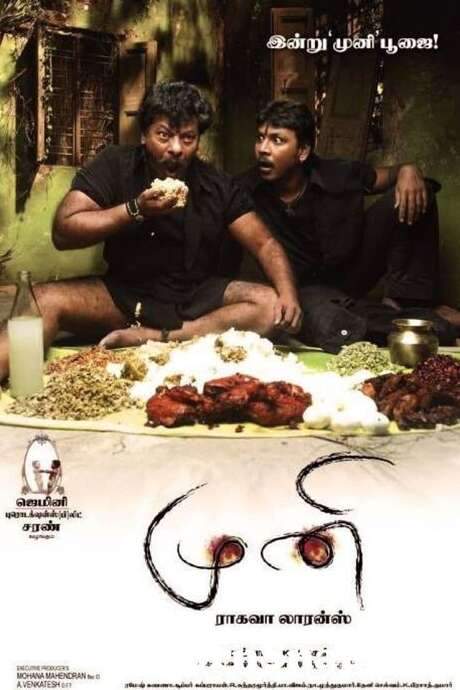
The film unfolds in a close-knit village where loyalties are strong and reputations matter. Bosepandi and Kodi lead a local group called Varuthapadadha Valibar Sangam, moving through life with a rough sense of honor and a knack for stirring trouble. When Bosepandi falls for Kalyani, a teacher at a school, he writes her a heartfelt letter and enlists someone to deliver it. The plan goes awry when the letter ends up in the hands of Lathapandi, who passes it to her teacher and uses the situation to toy with Bosepandi’s expectations, sparking a web of miscommunications and competing affections.
Meanwhile, Sivanandi orchestrates a traditional marriage for Lathapandi, who is eager to continue her studies and resist an arranged match. Despite her protests, the marriage is set, and a billboard announcing it becomes a focal point for the two friends’ schemes, as they want their gang’s presence to dominate the village’s public space. They even go to the police, threatening to escalate the issue to the commissioner, and the authorities pressure Sivanandi to reconsider. The tension between desire, duty, and community standards builds as Lathapandi receives news that Bosepandi’s feelings are not going away.
The plot thickens when Bosepandi discovers that Kalyani is about to marry someone else, prompting him to seek a moment of closure through a local event in Dindigul. That night, Bosepandi spots Lathapandi dressed in a sari and feels an immediate pull toward her. The police reveal to Sivanandi that Bosepandi’s interference earlier had disrupted Lathapandi’s shift toward an arranged match, deepening the rift between the two men and their communities. This realization fuels a clash: a gang attack on Bosepandi, who ends up stealing the gun that Sivanandi treats as his “soul,” along with Kodi, and escaping with it. Bosepandi offers to return the gun if Lathapandi agrees to attend a wedding with their friends, a plan that leads to a tense exchange of trust and deception.
Lathapandi eventually attends the wedding, taking photographs with Bosepandi, while her mother cautions her about the path she has chosen. A later turn of events occurs when Sivanandi’s cow falls into a well; Bosepandi helps rescue it, and that act of proximity softens the distance between the lovers. The couple spends a night in Lathapandi’s home, and in the morning Bosepandi confesses his love in a moment of vulnerability that exposes the shifting power dynamics between the two families.
As the days pass, Sivanandi frames the future for Lathapandi by insisting she marry the man he has chosen for her, a directive that she ultimately dissolves by running away with Bosepandi. Sivanandi’s influence remains strong, and he supports the couple by providing money to help them start anew in a hill area. The film circles back to the village, where Sivanandi visits the pair regularly, and the revelation that Lathapandi is pregnant adds another layer of gravity to their decision to stay together. They decide to return to the village, where Bosepandi’s father has offered more money, signaling a practical compromise between old loyalties and new beginnings. The story closes on a note of communal laughter and shared relief, underscoring the resilience of relationships forged in a web of love, obligation, and playful defiance. The film’s tone remains grounded and human, balancing moments of tenderness with the rough edges of village life.