Plot Explained Spoilers guaranteed!
Plot Explained

Browse by genre

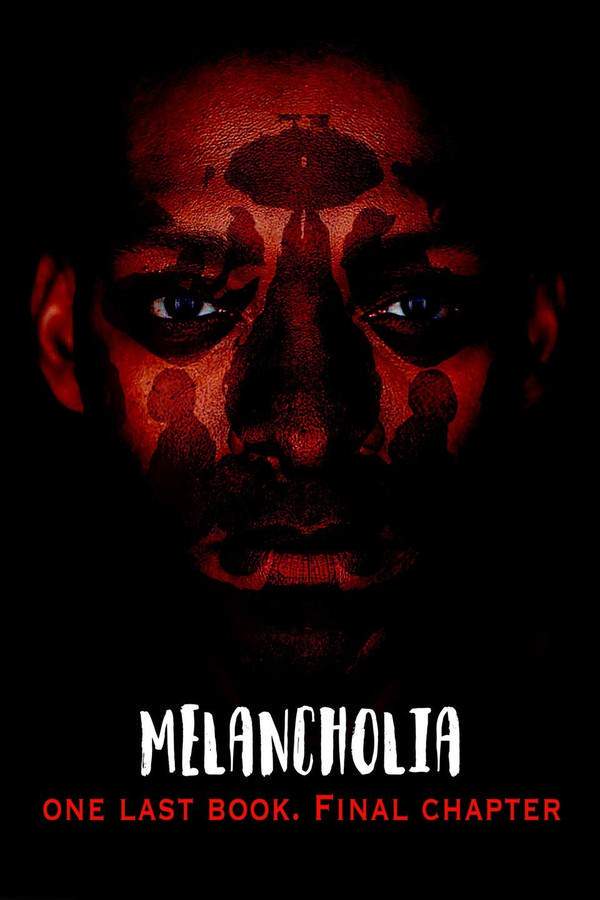
Melancholia (2011) movie poster

Timeline

Melancholia (2011) Timeline Explained – Every Event in Order

Release, runtime and language
2011 · 137 mins · English
Loading streaming availability…
Directed by
Lars von Trier

As the Earth faces destruction, a family grapples with a failing marriage and internal turmoil. A planned wedding celebration descends into a bitter confrontation, overshadowed by the approaching apocalypse. Claire struggles to find solace and connection as the planet hurtles toward its end, confronting deep-seated personal issues while a mysterious force, Melancholia, threatens to consume everything.

On this page (6)
  1. 1 Where to watch
  2. 2 Events in order (14)
  3. 3 Timeline questions answered
  4. 4 Movie threads
  5. 5 Movies like Melancholia
  6. 6 Every angle
Loading streaming availability…

14 events in order · contains spoilers

Melancholia Timeline: Events in Chronological Order

Every key event of Melancholia (2011) in order, scene by scene, with when and where it takes place. Use it to untangle flashbacks, time jumps and parallel storylines, to refresh your memory before the sequel or to find the exact scene you are thinking of.

  1. Opening Sequence

    The film begins with an exquisite eight-minute sequence that introduces key characters and imagery of space. It heavily utilizes slow-motion visuals that foreshadow the film’s themes, showcasing Justine as a bride ensnared in deep melancholy amidst falling birds.

  2. Ill-fated Wedding Arrival

    Justine and her husband Michael arrive two hours late to their wedding reception at her sister Claire's expansive estate, highlighted by a clumsy oversized wedding vehicle. This late arrival underscores the initial discord brewing within her fragile psyche as they face the expectations of the celebration.

    Where
    Claire's estate
  3. The Bright Red Star

    As night falls during the wedding events, Justine's attention is captured by an unusually bright red star. John identifies it as Antares, which sets a symbolic tone for impending disaster amid the festive ambiance.

  4. Wedding Reception Dynamics

    Throughout the reception, the characters reveal underlying metaphors connected to Justine’s emotional state. John embodies societal expectations, while other figures, such as her mother Gaby and her boss Jack, further complicate her experience by symbolizing greed and emotional disarray.

    Where
    Wedding Reception
  5. Cake-Cutting Retreat

    During the iconic moment of cake cutting, Justine and her mother withdraw to separate bathrooms, seeking respite from the event's pretentiousness. In a moment of defiance, Justine steps outside to relieve herself on the golf course, symbolizing her rejection of societal norms.

    Where
    18th hole of golf course
  6. The Vanishing Star

    The next morning, Justine reluctantly joins Claire for a horseback ride, only to realize that the bright red star, Antares, has disappeared from the sky. This moment foreshadows the grave consequences of the approaching rogue planet, Melancholia.

  7. Melancholia’s Approach

    Several months after the wedding, John explains to Claire that Melancholia has obscured Antares from view. He conveys a sense of excitement, yet Claire is filled with dread, indicating her growing awareness of the planet's threatening trajectory towards Earth.

  8. Strained Relationships

    Justine tries to comfort Claire during her emotional decline, but the effort proves futile as she feels hollow and disconnected. The dish Claire prepares tastes like ash to Justine, symbolizing the estrangement brewing in their relationship despite her sister's intentions.

  9. Forebodings of Disaster

    As the planets' alignment indicates an impending collision, Justine proclaims her belief in the inherent evilness of life. This revelation highlights her shift towards fatalism, starkly contrasting Claire’s growing anxiety regarding their fate.

  10. The Butler's Disappearance

    In a moment filled with suspense, the family’s butler mysteriously vanishes amidst increasing chaos surrounding the impending disaster. This event heightens the sense of dread that parallels Justine's unraveling mental state.

  11. Tragic Decision

    On the fateful night when Melancholia approaches Earth, fear envelops the household. John's tragic decision in the Black Horse stables reflects the extremity of the situation and his inability to cope with the impending doom.

    Where
    Black Horse stables
  12. Plea for Normalcy

    Amidst the chaos, Claire suggests gathering for a moment of normalcy, but Justine's resolute rejection reflects her acceptance of their tragic fate. This scene illustrates the emotional rift between the sisters as panic engulfs Claire.

  13. The Magic Cave

    In the film's climax, the family assembles in a makeshift 'magic cave' that Justine promises will offer safety. This poignant moment symbolizes Justine's willingness to embrace the end while trying to bring a shred of comfort to her terrified nephew.

  14. Calm Acceptance

    As Melancholia finally approaches for its fateful collision with Earth, Justine embodies a serene acceptance of their shared fate. This moment represents a profound culmination of her character arc, where chaos meets calming resolution.

Last updated: November 15, 2024 at 19:08

Was this helpful?

Timeline questions answered

Melancholia Timeline Explained: Your Questions Answered

When does it happen, and why in that order? The questions people ask about the chronology of Melancholia (2011): time jumps, flashbacks, cause and effect between scenes and the correct order of events, each answered with spoilers.

Q1

Why does Justine urinate on the golf course during her wedding?

Justine urinates on the 18th hole as an act of defiance against the pretentious, artificial wedding celebration. Throughout the reception, she has been suffocated by societal expectations and her family's pressures. This moment represents her complete rejection of the norms and superficiality around her, symbolizing her rebellion against the world she feels trapped in.

Foreshadowing: Earlier, Justine's mother is dismissed from the wedding for being brutally honest, setting up the theme of rebellion against familial and social expectations.

  • justine
  • wedding
  • rebellion
  • golf course
  • protest
Q2

Why can't Justine consummate her marriage with Michael?

Justine is unable to consummate her marriage because her profound depression makes any intimate connection impossible. She is emotionally hollow and disconnected from her own husband. This inability symbolizes the complete breakdown of her capacity for normal human connection, which is a central symptom of her debilitating mental state.

Foreshadowing: The opening sequence shows Justine surrounded by falling birds and deep melancholy, establishing her fragile psychological state from the very beginning.

  • justine
  • michael
  • marriage
  • consummation
  • depression
  • intimacy
Q3

What does the planet Melancholia represent in the film?

The planet Melancholia serves as a literal manifestation of Justine's depression. The rogue planet approaching Earth symbolizes the inescapable nature of depression - it looms, grows larger, and ultimately consumes everything. Justine's unique ability to sense its approach reflects her deep connection to this metaphorical force, as she intuitively understands the collision is inevitable, just as depression feels inevitable to those who suffer from it.

Foreshadowing: The opening sequence features Justine as a bride being swept away by a river while her wedding dress anchors her down, foreshadowing her connection to the approaching planetary force.

  • melancholia
  • planet
  • metaphor
  • depression
  • symbolism
Q4

Why is Justine calm during the apocalypse while Claire panics?

Justine has always believed life itself is inherently evil and has lived with chronic depression throughout the film. To her, the end of the world is not a tragedy but a release. She has already experienced emotional death countless times through her depression. Claire, who represents order and normalcy, has hope and therefore has more to lose. Justine's acceptance stems from her philosophical stance that life is suffering - the collision simply validates what she already believes.

Foreshadowing: Earlier, Justine tells Claire that she knew the crash would happen because she can foresee things, revealing her fatalistic worldview.

  • justine
  • claire
  • acceptance
  • panic
  • depression
  • fatalism
Q5

What happens to John in the Black Horse stables?

On the night of Melancholia's approach, John makes a tragic decision in the Black Horse stables. Given the film's symbolism where the Black Horse represents an id/ego struggle, John's action suggests he cannot cope with the impending doom and takes his own life rather than face the inevitable destruction. This reflects the film's theme that some people cannot accept the end and choose to escape on their own terms.

Foreshadowing: The opening sequence shows the Black Horse collapsing in slow motion, establishing it as a symbol of internal struggle and collapse.

  • john
  • black horse
  • stables
  • suicide
  • doom
Q6

Why does Justine resign from her job during the wedding?

Justine resigns after her boss Jack's nephew Tim tries to capitalize on her moment of staring at Melancholia for career advancement. This triggers Justine's recognition of her own complicity in the corporate world's emptiness. She sees the marketing campaign she was being forced to endorse as fundamentally hollow - an empty commercial endeavor inspired by Breughel's The Land of Cockaigne, representing false utopia. Her resignation is her final break from the artificial, mercenary world her family represents.

Foreshadowing: Jack represents mercenary greed throughout the reception, pushing Justine to endorse the empty marketing campaign.

  • justine
  • resignation
  • job
  • tim
  • marketing
Q7

Why does the butler disappear before the collision?

The butler disappears as the chaos surrounding Melancholia's approach intensifies. His disappearance heightens the sense of abandonment and the breakdown of order within the household. As the world faces its end, the normal structures of service and hierarchy collapse. This reflects the film's theme of everything unraveling - both cosmic and domestic - as the inevitable collision approaches.

Foreshadowing: Claire represents order throughout the film, and as that order collapses, the household itself begins to disintegrate.

  • butler
  • disappearance
  • chaos
  • order
Q8

What is the significance of the magic cave Justine creates?

The magic cave represents Justine's final act of love and protection for her nephew Leo despite her broader despair. Even while believing the world cannot be saved, she creates a symbolic space of safety and comfort. This paradox - her acceptance of extinction coupled with an attempt to provide comfort - shows that even in deepest depression, there remains a flicker of human connection and care. The cave is made of blankets and represents a fantasy of protection against the unstoppable force.

Foreshadowing: Earlier, Justine tells Leo she will build a magic cave to protect him, establishing this promise before the climax.

  • magic cave
  • leo
  • justine
  • protection
  • safety
Q9

Why do Justine and Michael arrive two hours late to their own wedding?

Justine and Michael arrive two hours late because Justine's psychological state makes it impossible for her to engage with the demands of the wedding day. The oversized, clumsy wedding vehicle struggling to turn mirrors Justine's own difficulty navigating the expectations placed upon her. Her late arrival sets the tone for the entire reception - she is fundamentally disconnected from the celebration and unable to meet even the most basic obligations of normal life.

Foreshadowing: The opening sequence establishes Justine's profound melancholy and disconnection from reality.

  • justine
  • michael
  • wedding
  • late
  • arrival
Q10

What does it mean when Antares disappears the morning after the wedding?

Antares, the bright red star John identifies during the wedding, disappears the next morning because Melancholia - the rogue planet - has moved into a position that blocks it from view. This foreshadows the approaching catastrophe. The disappearance signals that something massive and invisible is moving toward Earth, hidden from ordinary observation. Justine notices this absence, hinting at her unique ability to perceive what others cannot.

Foreshadowing: John identifies Antares during the wedding as a bright star, making its sudden disappearance more meaningful.

  • antares
  • star
  • disappearance
  • melancholia
  • foreshadowing
Q11

What does the Hunters in the Snow painting represent in the film?

Pieter Breughel's Hunters in the Snow appears multiple times and represents idealized nostalgia - a longing for a world that never truly existed. Jack, Justine's boss, tries to use this painting to sell a false utopia in his marketing campaign. The painting contrasts with the film's bleak reality, symbolizing humanity's desperate attempt to find beauty and meaning in a world that is fundamentally cold and unwelcoming. The unequal shadows cast by the sundial in the opening reinforce this theme of imbalance and imperfection.

Foreshadowing: The opening sequence prominently features the Hunters in the Snow imagery, establishing its importance from the start.

  • hunters in snow
  • painting
  • breughel
  • nostalgia
  • symbolism
Q12

What happens between Justine and Tim at the wedding?

During the wedding, Justine finds a moment of connection with Tim, her boss's nephew, and they sleep together. Later, Tim offers her a business partnership, seeing potential in her. However, Justine declines, recognizing that Tim's interest is ultimately opportunistic - he wants to use her for career advancement rather than form a genuine connection. This encounter underscores Justine's isolation; even when connection seems possible, it is corrupted by ulterior motives.

Foreshadowing: Tim seeks to capitalize on Justine's moment of staring at Melancholia, showing his opportunistic nature throughout.

  • justine
  • tim
  • affair
  • business
  • opportunity
Q13

Why is Justine's mother dismissed from the wedding?

Justine's mother Gaby is dismissed because her brutally honest nature threatens the artificial facade of the wedding celebration. While Gaby speaks truths that others suppress, her honesty is ultimately deemed destructive to the event's pretentious atmosphere. This moment establishes the film's theme that truth and genuine emotion are unwelcome in a world built on superficial appearances. Justine later retreats to a bathroom to cleanse herself of the ceremony's artificiality, echoing her mother's expulsion.

Foreshadowing: The opening sequence sets up themes of falsehood and pretense that the wedding embodies.

  • gaby
  • mother
  • dismissed
  • wedding
  • honesty

Movie threads

More Movies Like Melancholia, by Mood & Story

Curated lists built around what makes Melancholia tick: the same mood, the same kind of story or the same emotional payoff. Each list explains why these movies belong together.

Movies about existential dread and cosmic insignificance like Melancholia

Stories where characters confront their smallness against vast, indifferent cosmic forces. If you liked the profound cosmic horror and existential themes of Melancholia, explore these movies. This collection features films where characters grapple with the meaning of life against the backdrop of an uncaring cosmos, often blending personal drama with apocalyptic or metaphysical stakes, resulting in deeply philosophical and visually stunning experiences.

  • existential
  • apocalyptic
  • cosmic horror
  • philosophical
  • anxious
  • despairing
  • Tone: melancholic, bleak, tense
  • Pacing: slow, deliberate, atmospheric
Why these movies?

The story pattern: Narratives in this thread often begin with intimate, personal conflicts that are gradually dwarfed by a larger, external cosmic threat. The plot serves as a catalyst for existential questioning, where characters must confront their fears, depression, or relationships in light of an inevitable, immense event, leading to a climax of either despair or quiet acceptance.

Why they belong together: These films are grouped together because they share a core thematic focus on existentialism and cosmic horror. They prioritize a melancholic, oppressive mood, use slow pacing to build atmospheric dread, and feature a heavy emotional weight as characters face the ultimate questions of existence, creating a cohesive experience of philosophical anxiety.


Movies where internal turmoil mirrors an external apocalypse like Melancholia

Films where a character's deep depression or mental state manifests as a world-ending event. For viewers who appreciated how Melancholia uses a planet's collision as a metaphor for depression, this thread finds similar films. These stories brilliantly map a character's intense internal struggles—such as grief, psychosis, or despair—onto a cataclysmic external event, resulting in a unique blend of intimate drama and high-stakes allegory.

  • allegorical
  • psychological
  • despairing
  • symbolic
  • internal conflict
  • metaphorical
  • Tone: melancholic, despairing, reflective
  • Pacing: slow, dreamlike, introspective
Why these movies?

The story pattern: The narrative pattern involves a central character grappling with severe internal conflict—often depression, grief, or isolation—while an external, often slow-moving, catastrophe unfolds in parallel. The film's structure deliberately blurs the lines between the character's subjective experience and objective reality, using surreal or symbolic imagery to represent their mental state.

Why they belong together: These movies are united by their shared narrative device of using a grand external event as a metaphor for internal pain. They consistently feature a melancholic or bleak tone, complex character studies, and a slow, reflective pacing that allows the metaphor to deepen, creating a deeply immersive and emotionally resonant experience.

If you liked this

Movies Like Melancholia

Similar movies to Melancholia: the same genre, themes or kind of story. Each one comes with its own plot summary, timeline and ending explained.

Browse all movie summaries

Every angle

Melancholia (2011) Explained: Plot, Timeline & Characters

Everything about Melancholia in one place: what happens in the plot summary, the timeline in chronological order, the characters and meaning and a spoiler-free summary. What's After the Movie adds the cast, box office and post-credit scenes.

Coming soon on iOS and Android

The Plot Explained Movie Summary App

Plot summaries, endings explained and timelines on your phone. Catch up on any movie in minutes, save your favorites and never miss a twist again.

Be the first to know when we launch. Your email stays private, always.

Learn more about the app