Plot Explained Spoilers guaranteed!
Plot Explained

Browse by genre

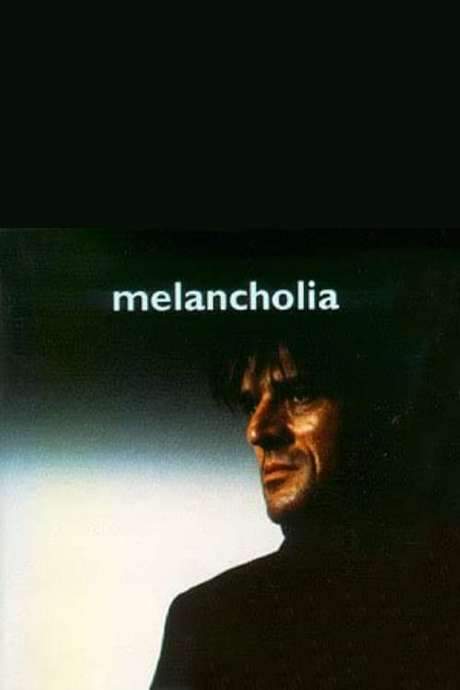
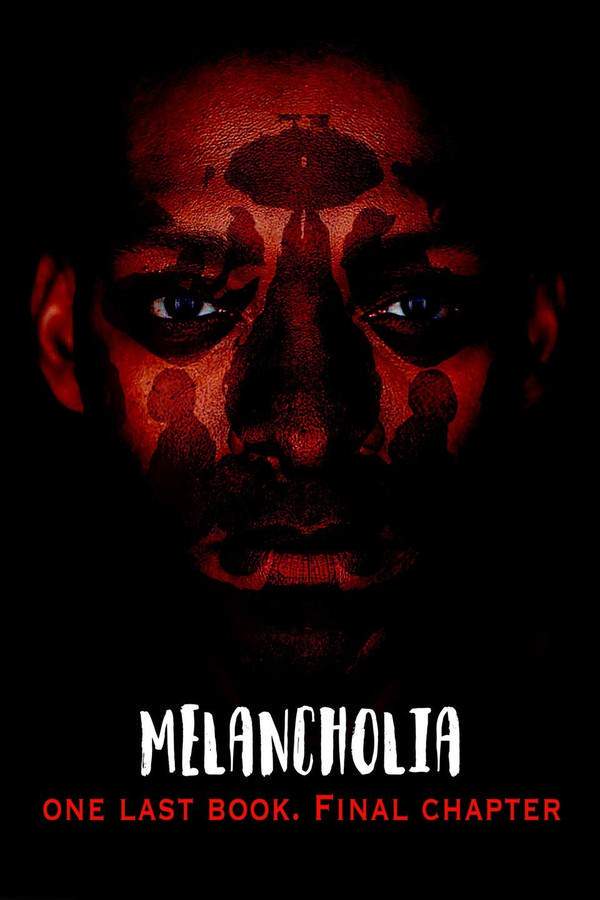
Melancholia (2011) movie poster

Characters & Themes

Melancholia (2011) Characters, Setting & Themes Explained

Release, runtime and language
2011 · 137 mins · English
Loading streaming availability…
Directed by
Lars von Trier

As the Earth faces destruction, a family grapples with a failing marriage and internal turmoil. A planned wedding celebration descends into a bitter confrontation, overshadowed by the approaching apocalypse. Claire struggles to find solace and connection as the planet hurtles toward its end, confronting deep-seated personal issues while a mysterious force, Melancholia, threatens to consume everything.

On this page (8)
  1. 1 Where to watch
  2. 2 Characters explained (3)
  3. 3 Where & when it takes place
  4. 4 Themes & meaning (2)
  5. 5 Character & meaning questions
  6. 6 Movie threads
  7. 7 Movies like Melancholia
  8. 8 Every angle
Loading streaming availability…

3 main characters · contains spoilers

Melancholia Characters Explained: Who Is Who

The main characters of Melancholia (2011), heroes and villains: what drives them, how they change over the course of the story and what each of them reveals about the film's bigger ideas.

  • Justine

    Justine is portrayed as a bride struggling with profound melancholy on what should be the happiest day of her life. Throughout the film, her character transforms from a compliant figure into a deeply introspective woman facing her own despair. Justine's resilience in the face of a catastrophic event reflects her acceptance of life's inherent struggles.

    • 👰‍♀️ Bride
    • 😞 Melancholy
  • Claire

    Claire is Justine's older sister who embodies order and stability but becomes increasingly strained by Justine's depression. Initially seeking to support Justine, Claire’s own fears and helplessness grow as the threat of Melancholia looms larger. Her protective instinct clashes with Justine’s indifference, showcasing the strain of familial love.

    • 👩‍❤️‍👩 Sister
    • 😟 Concerned
  • Michael

    Michael, Justine's husband, represents societal expectations and the pressures of marriage. His awkward attempts to connect with Justine during their wedding reveal his inability to grasp the depth of her struggles. Despite his good intentions, the disconnection between them grows, highlighting the inadequacies in dealing with mental health within relationships.

    • 👨‍❤️‍👨 Husband
    • ☹️ Supportive

Last updated: October 22, 2024 at 19:08

Was this helpful?

Setting

Where and When Does Melancholia Take Place?

The setting of Melancholia (2011): the year and time period, the places and locations, and how they shape the characters, the mood and the tension of the story.

Time period

Contemporary

The narrative unfolds in a contemporary setting that explores themes of anxiety and existential dread against the backdrop of an impending cosmic catastrophe. This modern context amplifies the characters' emotional struggles and societal pressures as they navigate personal relationships amidst the looming crisis.

Location

Justine and Claire's family estate, the Black Horse stables

The film is predominantly set in the expansive family estate of Justine and Claire, which serves as a backdrop for their emotional turmoil. The Black Horse stables symbolize the chaotic and fragile state of just as the impending doom approaches, reflecting Justine's inner struggles and familial connections.

  • 🏰 Estate
  • 🐎 Stables

Last updated: October 22, 2024 at 19:08

Was this helpful?

2 major themes

Melancholia Meaning: Themes & Message Explained

What is Melancholia (2011) really about? The emotional, social and philosophical themes the film keeps returning to, its symbolism and the message beneath the surface.

  • Despair

    Despair pervades the film, particularly through Justine's character, who embodies profound emotional struggle against societal expectations. The dark themes of depression and existential fear are magnified as the characters grapple with both personal loss and the threat of annihilation from Melancholia. The impending doom serves as a metaphor for their inner turmoils.

  • Human Connection

    The film highlights the complexities of human connection, particularly between Justine and her sister Claire. Their relationship evolves under the strain of mental illness and impending disaster, showcasing how familial bonds can be both a source of support and tension. The juxtaposition of Claire's need for control against Justine's resignation underscores the fragile nature of their connection.

Last updated: October 22, 2024 at 19:08

Was this helpful?

Character & theme questions

Melancholia Characters & Meaning: Your Questions Answered

The questions people ask about Melancholia (2011): who the characters really are, their relationships, what the symbols mean, where it takes place and what the movie is really about. Each answer contains spoilers.

Q1

What does the planet Melancholia symbolize in the film?

The planet Melancholia serves as a literal representation of depression itself. Just as the planet approaches Earth to annihilate everything, depression slowly consumes the characters' ability to function and connect. The looming cosmic threat mirrors the internal psychological collapse each character experiences.

  • planet
  • symbolism
  • metaphor
  • depression
  • annihilation
  • cosmic threat
Q2

Why is Melancholia visually beautiful if the subject matter is so dark?

The striking visual beauty amplifies the emotional dissonance of the film. Director Lars von Trier uses gorgeous cinematography and lush landscapes to create a jarring contrast with the bleak subject matter, making the themes of despair and depression feel more visceral and emotionally overwhelming.

  • visuals
  • cinematography
  • aesthetics
  • von trier
  • contrast
  • beauty
Q3

Why is Melancholia divided into two parts focusing on different sisters?

The film's two-part structure reflects two distinct approaches to crisis and despair. Part One centers on Justine and her emotional detachment and eventual acceptance. Part Two shifts to Claire, who desperately tries to maintain control and order as the catastrophe approaches. This division showcases contrasting coping mechanisms in the face of inevitable destruction.

  • structure
  • Justine
  • Claire
  • narrative
  • sisters
  • two parts
Q4

What does the Black Horse symbolize in Melancholia?

The Black Horse represents psychological fragility and the collapse of stability. Appearing in key moments of turmoil, the horse visually manifests the characters' deteriorating mental states and the fragility of the family estate's seemingly ordered world.

  • black horse
  • symbol
  • stables
  • fragility
  • mental state
Q5

How does the relationship between Justine and Claire evolve?

Justine and Claire's relationship shifts from surface-level familial obligation to raw emotional honesty under the pressure of the approaching apocalypse. Claire's desperate need to control and protect clashes with Justine's growing indifference, ultimately revealing how mental illness and crisis strain familial bonds while also exposing their deepest connection.

  • Justine
  • Claire
  • sisters
  • relationship
  • mental illness
  • family
Q6

Why is Melancholia set in a modern contemporary setting?

Setting the film in contemporary times grounds the existential themes in relatable, everyday life. The normalcy of the estate, wedding preparations, and everyday conversations makes the cosmic catastrophe and psychological struggles feel more personally invasive, emphasizing that depression and despair can intrude on anyone regardless of their circumstances.

  • setting
  • contemporary
  • modern
  • world
  • existential
  • anxiety
Q7

What is Justine's emotional journey throughout Melancholia?

Justine begins the film emotionally detached and unable to feel joy on her wedding day. As the Melancholia planet approaches, she progressively shifts from dissociation toward acceptance. Unlike others who panic, she finds peace in the inevitable destruction, representing a psychological surrender that contrasts sharply with her sister Claire's frantic attempts at control.

  • Justine
  • journey
  • acceptance
  • depression
  • emotion
  • wedding
Q8

What role does Claire play in the family?

Claire serves as the family anchor who maintains order and takes responsibility for others, particularly her sister Justine. As the crisis unfolds, her role shifts from caretaker to someone experiencing her own breakdown. Her frantic attempts to protect her son and maintain normalcy represent the universal human struggle to find meaning and control when facing annihilation.

  • Claire
  • role
  • family
  • mother
  • caretaker
  • control
Q9

What does Michael represent in Melancholia?

Michael represents society's inadequate response to mental illness. As Justine's husband, his awkward, failed attempts to connect with her highlight how those without depression struggle to understand its depths. His well-meaning but disconnected presence illustrates the isolation that accompanies severe depressive episodes.

  • Michael
  • husband
  • mental health
  • connection
  • understanding
  • marriage

Movie threads

More Movies Like Melancholia, by Mood & Story

Curated lists built around what makes Melancholia tick: the same mood, the same kind of story or the same emotional payoff. Each list explains why these movies belong together.

Movies about existential dread and cosmic insignificance like Melancholia

Stories where characters confront their smallness against vast, indifferent cosmic forces. If you liked the profound cosmic horror and existential themes of Melancholia, explore these movies. This collection features films where characters grapple with the meaning of life against the backdrop of an uncaring cosmos, often blending personal drama with apocalyptic or metaphysical stakes, resulting in deeply philosophical and visually stunning experiences.

  • existential
  • apocalyptic
  • cosmic horror
  • philosophical
  • anxious
  • despairing
  • Tone: melancholic, bleak, tense
  • Pacing: slow, deliberate, atmospheric
Why these movies?

The story pattern: Narratives in this thread often begin with intimate, personal conflicts that are gradually dwarfed by a larger, external cosmic threat. The plot serves as a catalyst for existential questioning, where characters must confront their fears, depression, or relationships in light of an inevitable, immense event, leading to a climax of either despair or quiet acceptance.

Why they belong together: These films are grouped together because they share a core thematic focus on existentialism and cosmic horror. They prioritize a melancholic, oppressive mood, use slow pacing to build atmospheric dread, and feature a heavy emotional weight as characters face the ultimate questions of existence, creating a cohesive experience of philosophical anxiety.


Movies where internal turmoil mirrors an external apocalypse like Melancholia

Films where a character's deep depression or mental state manifests as a world-ending event. For viewers who appreciated how Melancholia uses a planet's collision as a metaphor for depression, this thread finds similar films. These stories brilliantly map a character's intense internal struggles—such as grief, psychosis, or despair—onto a cataclysmic external event, resulting in a unique blend of intimate drama and high-stakes allegory.

  • allegorical
  • psychological
  • despairing
  • symbolic
  • internal conflict
  • metaphorical
  • Tone: melancholic, despairing, reflective
  • Pacing: slow, dreamlike, introspective
Why these movies?

The story pattern: The narrative pattern involves a central character grappling with severe internal conflict—often depression, grief, or isolation—while an external, often slow-moving, catastrophe unfolds in parallel. The film's structure deliberately blurs the lines between the character's subjective experience and objective reality, using surreal or symbolic imagery to represent their mental state.

Why they belong together: These movies are united by their shared narrative device of using a grand external event as a metaphor for internal pain. They consistently feature a melancholic or bleak tone, complex character studies, and a slow, reflective pacing that allows the metaphor to deepen, creating a deeply immersive and emotionally resonant experience.

If you liked this

Movies Like Melancholia

Similar movies to Melancholia: the same genre, themes or kind of story. Each one comes with its own plot summary, timeline and ending explained.

Browse all movie summaries

Every angle

Melancholia (2011) Explained: Plot, Timeline & Characters

Everything about Melancholia in one place: what happens in the plot summary, the timeline in chronological order, the characters and meaning and a spoiler-free summary. What's After the Movie adds the cast, box office and post-credit scenes.

Coming soon on iOS and Android

The Plot Explained Movie Summary App

Plot summaries, endings explained and timelines on your phone. Catch up on any movie in minutes, save your favorites and never miss a twist again.

Be the first to know when we launch. Your email stays private, always.

Learn more about the app