McVeigh

McVeigh

JustWatch#12,1708

Year: 2025

Runtime: 1 h 30 m

Language: english

Director: Mike Ott

Echo Score: 43
DramaThriller

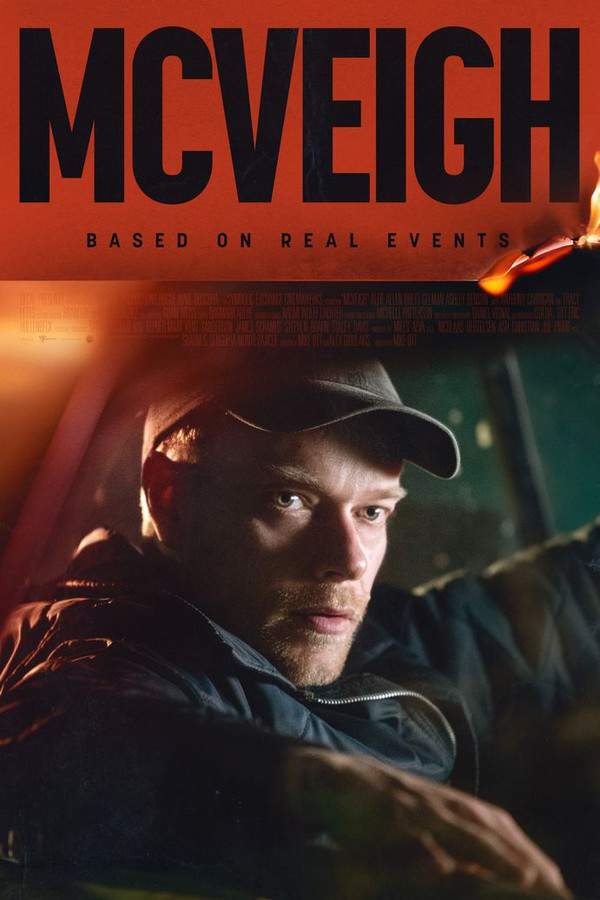
Following the Waco siege, army veteran Timothy McVeigh develops a plan that culminates in the deadliest act of domestic terrorism in U.S. history. The film explores the harrowing events leading up to this tragic occurrence.

Where to Watch McVeigh?

Find where to stream, rent, or buy McVeigh (2025) in the US with current JustWatch availability, up-to-date pricing, and platform listings for subscription, rental, and digital purchase options.

Warning: spoilers below!

Haven’t seen McVeigh yet? This summary contains major spoilers. Bookmark the page, watch the movie, and come back for the full breakdown. If you're ready, scroll on and relive the story!

McVeigh (2025) – Ending Explained & Final Scene Breakdown

Still thinking about how McVeigh (2025) ended? Here’s a full breakdown of the ending, key final moments, major twists, and the deeper meaning behind the film’s conclusion.

The film "McVeigh" culminates with Timothy McVeigh driving alone into Oklahoma City, heading toward his planned attack, after his accomplice Terry Nichols backs out at the last minute. The narrative reveals McVeigh’s deep anger at government injustices, especially the Waco siege of 1993, which he viewed as a brutal, fatal assault on American freedoms and innocent lives. The Waco incident left a lasting impression on him, fueling his beliefs that the government was oppressive and corrupt. McVeigh’s support for the radical Zionist and white supremacist views is also evident earlier in the film, where he visits a fellow racist in prison, Richard Snell, who was scheduled for execution on the same day as the Oklahoma City bombing. Snell’s belief that the government was behind the Mount Carmel fire and his own hatred for the authorities strongly influence McVeigh’s decision to target the Alfred P. Murrah Federal Building, choosing the anniversary of the Waco massacre for his attack, as a symbolic act of defiance.

Throughout the film, McVeigh’s disdain for authority is palpable—shown when he points his gun at the image of Janet Reno on TV and expresses his wish to kill her, symbolizing his feelings of anger and revenge. His visits to Snell in prison highlight his alignment with racist and anti-government ideologies, which underpin his own motivations for radical violence. The film concludes with McVeigh arriving in Oklahoma City, intending to carry out his plan, while Nichols, earlier shown to have helped with the bomb ingredients, has already fled, illustrating that McVeigh acts on his own. The story ends with the infamous explosion that devastated the federal building, resulting in 168 deaths and hundreds of injuries, a tragic culmination of McVeigh’s extremist beliefs and motives rooted in government hostility.

After the attack, McVeigh is quickly arrested and later sentenced to death, executed in 2001, while Nichols is captured and remains in prison. The film emphasizes the tragic consequences of a radicalized mindset and how events like Waco and Ruby Ridge can push individuals like McVeigh toward violence. In the aftermath, the narrative underscores the lasting scars of that day and the dangerous ideology that fueled it, leaving viewers with a somber reflection on the destructive power of hatred, extremism, and perceived injustice. The ending thus ties together McVeigh’s personal motivations with the broader political and psychological currents that led to one of the most devastating acts of domestic terrorism in U.S. history.

Last updated: June 25, 2025 at 09:03

Was this helpful?

McVeigh (2025) Ending Questions Answered – Ending FAQ

Read frequently asked questions about the ending of McVeigh (2025), including final-scene interpretation, twist explanations, character outcomes, and the deeper meaning behind the conclusion. This ending explained FAQ is designed for viewers searching for clear spoiler-heavy answers and ending breakdown insights.

Q1

Why does McVeigh carry out the Oklahoma City bombing alone?

A.

McVeigh drives into Oklahoma City alone because his accomplice Terry Nichols withdraws from the plan at the last minute and flees. Although Nichols had helped McVeigh acquire the bomb ingredients earlier, he refuses to go through with the final attack. The film shows McVeigh proceeding without him, underscoring that the bombing was ultimately his own decision, carried out without direct co-conspirators present at the scene.

Earlier scenes showing Nichols growing uneasy about the scope of the plan hint that he would not follow through when the moment came.

mcveigh aloneterry nichols backs outoklahoma city bombing accomplicemcveigh solo attack
Q2

Why did McVeigh choose the anniversary of the Waco siege for his attack?

A.

McVeigh deliberately scheduled the Oklahoma City bombing for the second anniversary of the Waco siege, which had ended with the deaths of Branch Davidian members on April 19, 1993. He viewed the federal assault on the Mount Carmel compound as a brutal attack on American freedoms and innocent lives, and he wanted his bombing to serve as a symbolic act of retaliation and defiance against the same government responsible for Waco.

Multiple earlier scenes establish McVeigh's fixation on the Waco date, including his repeated references to what he saw as government injustice at the compound.

waco anniversaryapril 19 1995mcveigh waco dateoklahoma city bombing date
Q3

Why did McVeigh target the Alfred P. Murrah Federal Building?

A.

McVeigh selected the Murrah Federal Building in Oklahoma City because it housed several federal agencies, including offices connected to the Bureau of Alcohol, Tobacco, and Firearms, which he associated with the Waco siege. Attacking a federal building allowed him to strike directly at the government he held responsible for the deaths at Mount Carmel, turning the bombing into a statement against federal authority rather than a random act of violence.

Earlier dialogue where McVeigh rages against federal agencies and Janet Reno's role in Waco sets up the building as a symbolic target.

murrah federal building targetmcveigh target choiceoklahoma city federal buildingatf mcveigh
Q4

Who is Richard Snell and how did he influence McVeigh's plan?

A.

Richard Snell is a fellow white supremacist and anti-government extremist whom McVeigh visits in prison before the bombing. Snell, who was scheduled for execution on the same day as the Oklahoma City bombing, shared McVeigh's belief that the federal government was responsible for the Mount Carmel fire at Waco. His hatred for federal authority and his conviction that the government murdered people at Waco directly shaped McVeigh's decision to strike back on that symbolically loaded date.

McVeigh's prison visits to Snell are shown early in the film as moments where his radical ideology is reinforced rather than challenged.

richard snellmcveigh prison visitsnell execution datewhite supremacist mcveigh
Q5

What happens to Timothy McVeigh after the Oklahoma City bombing?

A.

Following the explosion, McVeigh is quickly identified and arrested, largely because he was stopped within 90 minutes of the blast while driving without a license plate. He is later convicted on federal charges and sentenced to death, becoming the first federal prisoner executed in the United States since 1963 when he was put to death in 2001. The film frames his capture and execution as the formal conclusion of a path he had committed to long before the bombing itself.

The film's slow build toward a known historical event makes McVeigh's eventual arrest feel like a foregone conclusion long before it happens on screen.

mcveigh arrestmcveigh execution 2001mcveigh death sentencemcveigh capture
Q6

What happens to Terry Nichols after he backs out of the bombing?

A.

Although Terry Nichols withdrew from the attack itself and fled before the bombing, he is later captured and charged for his role in helping McVeigh acquire materials and prepare the bomb. Nichols is convicted of conspiracy and involuntary manslaughter and sentenced to life in prison without the possibility of parole. His fate stands in contrast to McVeigh's, since backing out of the final act did not shield him from prosecution for his earlier involvement.

Nichols is shown helping gather bomb components earlier in the film, establishing the legal basis for his eventual conviction even though he is not present at the attack.

terry nichols fatenichols prison sentencenichols convictedoklahoma city accomplice
Q7

What does the scene of McVeigh pointing a gun at Janet Reno on TV mean?

A.

In the film, McVeigh aims a gun at the television while Attorney General Janet Reno appears on screen and says he wishes he could kill her, since she was the official who authorized the federal assault on the Branch Davidians at Waco. The moment is symbolic rather than a literal threat, representing how McVeigh has already mentally crossed the line from grievance into violent intent. It visualizes the deep personal hatred he directs at the officials he blames for the Waco deaths.

The scene comes well before the climax, signaling that McVeigh's anger is no longer abstract and is being directed at identifiable human targets.

mcveigh janet renomcveigh gun tv scenereno wacomcveigh anger symbol
Q8

How does the film connect Waco and Ruby Ridge to the Oklahoma City bombing?

A.

The film positions the 1993 Waco siege and the 1992 Ruby Ridge standoff as the two defining events that radicalized McVeigh and pushed him toward mass violence. He sees both incidents as proof that the federal government murders American citizens and tramples constitutional rights, and he explicitly references them as justification for retaliating against federal authority. The ending ties the bombing directly to this perceived pattern of government injustice, arguing that McVeigh's act grew out of those earlier confrontations rather than existing in isolation.

Archival and dramatized references to Waco and Ruby Ridge appear throughout the film, gradually stacking up as the ideological fuel for the final attack.

waco ruby ridge mcveighmcveigh radicalization1993 waco siegefederal government mcveigh
Q9

What is the meaning behind the ending of McVeigh?

A.

The ending of McVeigh ties together one man's personal grievances with broader political and psychological currents to explain how the deadliest act of domestic terrorism in U.S. history became possible. By showing McVeigh arriving in Oklahoma City alone and detonating the bomb, the film argues that the attack was the predictable outcome of years of radicalization, conspiracy-minded thinking, and exposure to extremist figures like Richard Snell. The aftermath underscores the human cost of that mindset rather than glorifying it, leaving viewers with a somber reflection on how perceived injustice can metastasize into mass violence.

The slow accumulation of McVeigh's anger in earlier scenes makes the explosion feel less like a sudden twist and more like an inevitable consequence of everything shown before.

mcveigh ending meaningmcveigh film analysisdomestic terrorism messagemcveigh themes
Q10

How many people died in the Oklahoma City bombing shown in the film?

A.

The film depicts the Oklahoma City bombing as killing 168 people and injuring hundreds more, making it the deadliest act of domestic terrorism in United States history at the time. The aftermath sequences show the human toll of the attack, including victims inside the Murrah Federal Building, children in the building's daycare, and first responders who rushed to the scene. The film deliberately emphasizes this scale of loss to anchor its political and psychological themes in real-world tragedy rather than abstract ideology.

Earlier references to government buildings full of workers and families foreshadow that the attack will not only strike a symbolic institution but also kill many ordinary people.

oklahoma city bombing deaths168 victimsmurrah building casualtiesoklahoma city human cost
Q11

How does the film portray McVeigh's white supremacist and anti-government ideology?

A.

The film presents McVeigh's ideology as a blend of white supremacist beliefs and anti-government extremism, shaped by his time with figures like Richard Snell and by his interpretation of Waco and Ruby Ridge. Rather than treating his views as a sudden revelation, the movie traces how these ideas gradually take hold and harden into a justification for mass violence. The ending frames the bombing as the violent endpoint of that ideological pipeline, linking personal racism, conspiracy thinking, and rage at the federal government into a single act of terrorism.

McVeigh's early conversations with Snell and references to extremist literature lay the groundwork for the radical worldview that culminates in the attack.

mcveigh ideologywhite supremacist filmanti-government extremismmcveigh radicalization
Mobile App Preview

Coming soon on iOS and Android

The Plot Explained Mobile App

From blockbusters to hidden gems - dive into movie stories anytime, anywhere. Save your favorites, discover plots faster, and never miss a twist again.

Sign up to be the first to know when we launch. Your email stays private, always.

Explore Movie Threads

Discover curated groups of movies connected by mood, themes, and story style. Browse collections built around emotion, atmosphere, and narrative focus to easily find films that match what you feel like watching right now.

Slow burn radicalization like in McVeigh

Stories that methodically trace one person's quiet slide into dangerous beliefs.Movies like McVeigh that patiently trace a character or community's slide into extremism and ideological violence. If you liked McVeigh's documentary-style restraint and the quiet, suffocating pressure of watching a plan take shape, these slow burn stories about radicalization and political extremism will hit the same way.

slow burnoppressivebroodingclaustrophobicparanoidchillingisolated

Narrative Summary

These films typically follow a single protagonist or small group whose worldview slowly hardens through grievance, isolation, and exposure to dangerous ideas. The narrative unfolds in deliberate, often quiet scenes that emphasize the mundanity of preparation and belief rather than spectacle. There is rarely a redemptive arc; instead, the story builds toward a devastating act or realization that the audience feels coming long before it arrives.

Why These Movies?

Grouped for their shared commitment to slow pacing, psychological interiority, and the portrayal of ideology as something that grows rather than arrives out of nowhere. They use restraint, atmosphere, and documentary-style realism to make violence feel both inevitable and disturbingly human. The result is a viewing experience that is heavy, uncomfortable, and hard to shake.
Bleak true crime reckonings like in McVeigh

Real-world horrors that refuse easy answers and demand the viewer sit with grief.If you liked McVeigh and want more true crime dramas that confront the darkest chapters of American history, these films deliver similar gravity. Movies like McVeigh that handle domestic terrorism, mass casualty events, and political violence with documentary-style realism and unflinching bleakness belong in this thread.

somberbleakdocumentary feelheavychillingtrue crimegrief-stricken

Narrative Summary

These films typically follow the architecture of a known historical tragedy, weaving together the perspectives of perpetrators, victims, investigators, and witnesses. They unfold with the weight of inevitability, often blending dramatized scenes with archival footage, interview material, or journalistic framing. The emotional arc is almost always downward, toward loss, complicity, and the recognition that violence is rooted in identifiable social and political forces.

Why These Movies?

Grouped for their commitment to sober, restrained storytelling about real events involving mass violence, extremism, or institutional failure. They share a heavy emotional register, bleak conclusions, and a willingness to sit with discomfort rather than resolve it. Viewers who appreciate McVeigh's refusal to dramatize or sensationalize will find kindred films here.

Unlock the Full Story of McVeigh

Don't stop at just watching - explore McVeigh in full detail. From the complete plot summary and scene-by-scene timeline to character breakdowns, thematic analysis, and a deep dive into the ending - every page helps you truly understand what McVeigh is all about. Plus, discover what's next after the movie.

McVeigh Summary

Read a complete plot summary of McVeigh, including all key story points, character arcs, and turning points. This in-depth recap is ideal for understanding the narrative structure or reviewing what happened in the movie.

McVeigh Summary

McVeigh Timeline

Track the full timeline of McVeigh with every major event arranged chronologically. Perfect for decoding non-linear storytelling, flashbacks, or parallel narratives with a clear scene-by-scene breakdown.

McVeigh Timeline

Characters, Settings & Themes in McVeigh

Discover the characters, locations, and core themes that shape McVeigh. Get insights into symbolic elements, setting significance, and deeper narrative meaning - ideal for thematic analysis and movie breakdowns.

Characters, Settings & Themes in McVeigh

McVeigh Spoiler-Free Summary

Get a quick, spoiler-free overview of McVeigh that covers the main plot points and key details without revealing any major twists or spoilers. Perfect for those who want to know what to expect before diving in.

McVeigh Spoiler-Free Summary

More About McVeigh

Visit What's After the Movie to explore more about McVeigh: box office results, cast and crew info, production details, post-credit scenes, and external links - all in one place for movie fans and researchers.

More About McVeigh