Plot Explained Spoilers guaranteed!
Plot Explained

Browse by genre

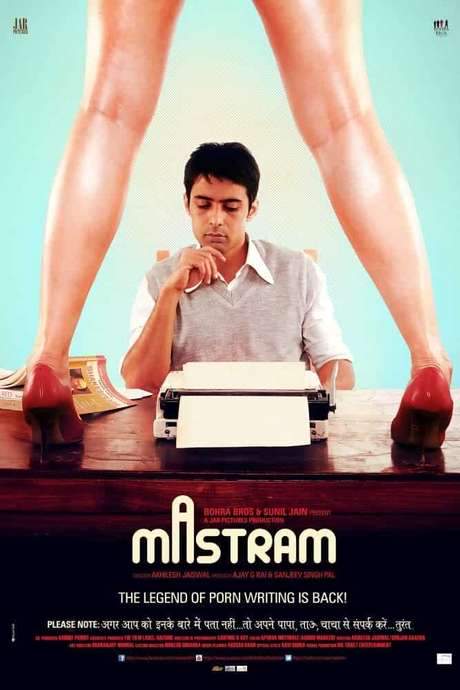
Mastram (2014) movie poster

Plot Summary

Mastram (2014) Plot Summary Explained

Release, runtime and language
2014 · 99 mins · Hindi
Directed by
Akhilesh Jaiswal
Starring
Rahul Bagga, Tara Alisha Berry

Rajaram, a bank clerk in a small town, harbors ambitions of becoming a respected writer and traveling to Delhi. He pursues his literary dreams with the unwavering support of his wife, Renu. The film explores his journey and aspirations as he strives to achieve his goals.

On this page (4)
  1. 1 What happens: full plot
  2. 2 Plot questions answered
  3. 3 Movie threads
  4. 4 Every angle

Full plot summary · contains spoilers

What Happens in Mastram: Full Plot Summary

The whole story of Mastram (2014) explained, from the opening scene to the final frame: every key event, every twist and what it all adds up to. Read it as a quick recap before the sequel, to check a scene you missed, or to finally understand what really happened.

In Himachal Pradesh during the 1980s, Rajaram, Rahul Bagga, a small-town bank clerk, dreams of travelling to Delhi and becoming a reputed writer. His maternal uncle presses him to marry at the right age, insisting that he should consider himself lucky to wed Renu, the most beautiful girl in Himachal who also cooks the best mutton. Rajaram hopes a new wife will handle daily chores and free him to devote more time to his literary ambitions.

Married life begins with quiet support from his wife, who stands by his literary goals. She becomes his confidant and comforter, encouraging him to explore his desires and even introducing him to the world of sensuous sex. This new dynamic helps Rajaram shed some of his self-doubt, though he remains shy about his intimate life. As their bond deepens, Renu reassures him that she is “for him,” helping him feel seen and capable.

Rajaram tests his craft at local poetry readings, only to be booed off the stage when his serious piece about migrant workers from Himachal highlights their brutal realities. His friend Mahesh tries to steady the crowd and advise him, but Rajaram lacks stage presence and confidence. After this setback, Mahesh nudges him toward lighter, more popular forms of writing, suggesting comics in the spirit of classic characters like Chacha Chaudhary and Sabu. Rajaram reluctantly considers this new direction, though he initially views it as a departure from serious literature. Throughout, his wife supports his decision to pursue writing and even pushes him to relocate his hopes to Delhi.

A bank boss discovers a page of Rajaram’s writing in a file and mocks the piece when he reads it aloud to the staff. Frustrated and humiliated, Rajaram quits his job to pursue writing full-time. With finances tight, Renu takes on stitching for neighbors to help makes ends meet, while Rajaram searches for a publisher in his Himachal hometown. A friend introduces him to Shivshankar, a publisher who wants a writer for comic-book-style material, but Rajaram declines and sticks to his original vision—until circumstances push him toward a different path.

A barber’s tale about a wife who runs off with her lover unsettles Rajaram, especially when the barber relocates to Delhi. He then meets Mr. Purohit, a publisher who has had success with novels, and Bharti, his English-literature-educated brother-in-law. Purohit and Bharti press Rajaram to add sensational elements—Masala—to his story, arguing that his serious work lacks audience appeal. Rajaram remains uncertain until he meets Chacha, an eccentric village elder who reveals the spicy side of life and nudges him toward bolder storytelling.

Responding to the pressure, Rajaram writes his first pornographic piece under the Mastram persona, centering on a wife who has an extramarital affair. His early stories remain suggestive and playful rather than explicit, but Bharti is convinced, and Purohit agrees to publish 300 copies to test the market. The initial run sells out quickly, and Rajaram’s fortunes begin to turn as his Mastram stories become wildly popular. He adopts the Mastram pen name to shield his identity while drawing heavily from ordinary life to craft increasingly risqué tales—such as a grocer’s flirtation with a customer—into sensational narratives.

The family grows curious, and Rajaram’s wife and relatives want to read his work. To avoid revealing the truth, he has the publisher print copies of his serious books for display at home, but they fail to sell, leaving the publisher financially damaged. Rajaram and Renu soon face other life changes: she becomes pregnant, and Mahesh begins to critique Rajaram’s serious writing, which strains their friendship.

As Mastram’s fame climbs, Rajaram’s wealth increases while much of the credit goes to Mastram rather than to him. The market becomes crowded with imitators, and royalties dwindle as copycats flood the scene. A falling-out with Purohit pushes Rajaram away from serious literature, and publishers show little interest in his non-Mastram work. Financial pressures mount as the literary market shifts and only Mastram remains commercially viable.

Eventually, Rajaram has a daughter, and his wife’s hardship—staring at old clothes borrowed from neighbors—sinks in as a painful reminder of their poverty. He returns to Purohit, hoping to revive Mastram, and Purohit, along with Bharti, reembrace him despite ongoing trouble with their other writers. Yet life takes a dramatic turn when Mahesh discovers Mastram’s authorship and exposes the truth to Rajaram’s family. The revelation shocks Renu, who decides to leave her husband, setting the stage for Mastram to emerge as a nationally recognized brand whose fame outshines the man behind it.
Last updated: January 08, 2026 at 08:32

Was this helpful?

Plot questions answered

Mastram Plot Explained: Your Questions Answered

The questions people ask most about Mastram (2014): what happens in the confusing scenes, why the characters do what they do, the twists, hidden details and what the ending means. Each answer contains spoilers.

Q1

Why did Rajaram start writing pornographic stories instead of serious literature?

Rajaram turned to pornographic writing after publishers Mr. Purohit and Bharti rejected his serious literary work, insisting it lacked commercial appeal. They pressured him to add 'masala' (sensational elements) to attract readers. With financial pressures mounting, his wife Renu was stitching clothes for neighbors to support the family, Rajaram complied and wrote his first explicit story under the Mastram pen name, which quickly became a bestseller.

Foreshadowing: Earlier, Mahesh had suggested Rajaram try lighter comic-style writing, foreshadowing his shift toward commercially viable but less serious content.

  • rajaram
  • mastram
  • pornographic writing
  • publishers
  • masala
  • career change
Q2

Why did Rajaram use the pen name Mastram?

Rajaram adopted the Mastram pseudonym to protect his real identity while writing explicit content. As a respected bank clerk and aspiring writer in a small town, publishing pornographic stories under his real name would have ruined his reputation and caused shame for his family. The pen name allowed him to commercially succeed while maintaining a separate respectable public image.

  • mastram pen name
  • pseudonym
  • identity
  • privacy
  • rajaram
Q3

Why did Renu leave Rajaram after discovering Mastram's identity?

Renu left Rajaram when Mahesh exposed that Mastram's latest story depicted a sexual relationship involving her, a clear betrayal of their marriage. Rajaram had been writing explicit tales based on their private life without her knowledge or consent. The revelation that her husband had profited from exposing their intimate moments, combined with the deception, caused her to leave him.

Foreshadowing: The film earlier showed Rajaram's wife encouraging him to explore his desires and be 'for him,' making the eventual betrayal more devastating.

  • renu leaves
  • mastram exposed
  • marriage ends
  • betrayal
  • mahesh
Q4

Why was the bank boss mocking Rajaram's writing a turning point?

The bank boss publicly ridiculed a page of Rajaram's serious writing by reading it aloud to the entire staff, humiliating him in front of colleagues. This public mockery, combined with his existing frustration over creative rejections, pushed Rajaram to quit his secure bank job and commit fully to pursuing writing as a career, a risky decision that eventually led him toward masala literature.

  • bank boss
  • humiliation
  • quit job
  • turning point
  • rajaram career
Q5

Why did publishers Purohit and Bharti insist on adding masala to Rajaram's stories?

Purohit and Bharti rejected Rajaram's serious literary work as lacking commercial appeal. They argued that Indian readers wanted sensational, spicy content, not thoughtful literature. They explicitly told him his stories lacked 'sense' and needed colorful, erotic elements to sell. This commercial pressure, combined with Rajaram's desperate need for income, forced him to abandon his artistic ideals.

  • purohit
  • bharti
  • publishers
  • masala
  • commercial pressure
  • rejection
Q6

Why did Rajaram's friendship with Mahesh fall apart?

Mahesh and Rajaram's friendship deteriorated after Mahesh criticized Rajaram's serious novel while Mastram's popularity was rising. When Mahesh later discovered Mastram's true identity and realized Rajaram had written an explicit story involving Renu, he exposed the truth to Rajaram's family, betraying Rajaram's trust and causing the marital rupture. The friendship could not survive both the artistic disagreement and the revelation.

  • mahesh friendship
  • fallout
  • criticism
  • mastram exposed
Q7

How did Renu support Rajaram's writing ambitions?

Renu was Rajaram's primary supporter throughout his journey. She encouraged his literary aspirations from the beginning, became his confidant, and even introduced him to sensuous experiences to help him overcome self-doubt. When Rajaram quit his bank job, Renu took up stitching work for neighbors to financially support the family while he wrote. She believed in his dreams and pushed him to relocate to Delhi to pursue publishing opportunities.

  • renu support
  • wife
  • stitching
  • financial support
  • encouragement
Q8

Why couldn't Rajaram succeed with his serious literary works?

Rajaram's serious writing consistently failed to find audience appeal. His poetry about migrant workers was booed at local readings, publishers rejected his manuscripts as lacking commercial potential, and even his serious novels received no interest from publishers who only wanted Mastram content. The market simply did not reward his artistic vision, forcing him toward the profitable but morally compromising Mastram path to survive financially.

  • serious writing
  • failure
  • rejection
  • poetry
  • publishers
  • market
Q9

Why did the barber's story about a runaway wife affect Rajaram?

The barber told Rajaram a disturbing tale about a wife who ran off with her lover, which unsettled Rajaram significantly. This story represents the first exposure to narratives about infidelity and transgressive female sexuality that would later become central to Mastram's content. The barber later moved to Delhi, symbolizing the migration to bigger markets and the transformation of Rajaram's storytelling toward bolder, more sensational themes.

Foreshadowing: The barber's story foreshadows both the content direction of Mastram tales and the eventual betrayal theme that destroys Rajaram's marriage.

  • barber story
  • wife ran away
  • infidelity
  • influence
  • delhi
Q10

Why did Mastram become famous while Rajaram remained unknown?

Rajaram deliberately used the Mastram pen name to shield his real identity, so all public recognition went to the pseudonym rather than him. While Mastram's stories became national bestsellers, readers knew only the mysterious author name, not Rajaram's face or real name. This allowed Rajaram to maintain his respectable image in society while the explicit content carried the Mastram brand. The fame belonged to the persona, not the person behind it.

  • mastram fame
  • pseudonym
  • recognition
  • brand
  • anonymity

Movie threads

More Movies Like Mastram, by Mood & Story

Curated lists built around what makes Mastram tick: the same mood, the same kind of story or the same emotional payoff. Each list explains why these movies belong together.

Movies about artistic compromise like Mastram

Stories of creative ambition clashing with financial reality and societal norms. If you enjoyed Mastram's story of an artist compromising his ideals, you'll appreciate these other films about the struggle between creative integrity and financial success. Find movies like Mastram that explore the bittersweet victories of aspiring artists.

  • aspirational
  • frustrated
  • conflicted
  • mediocre
  • obsessive
  • discovering
  • Tone: bittersweet, conflicted
  • Pacing: steady, character-driven
Why these movies?

The story pattern: The narrative follows a protagonist with a pure artistic goal who faces repeated rejection. A pivotal compromise—often taking on commercial or disreputable work under a pseudonym—leads to material success but causes a personal crisis, straining relationships and forcing a re-evaluation of their identity.

Why they belong together: These films are grouped together because they share a central theme of artistic ambition thwarted by economic necessity. They explore the bittersweet tension between achieving a dream and losing its original spirit, creating a deeply relatable conflict for any creative person.

Movies about small-town double lives like Mastram

Personal ambitions force quiet characters in mundane towns to lead secret lives. Looking for more films like Mastram about secret lives in small towns? This collection features stories of characters hiding their ambitions and true selves from a judgmental community, leading to dramatic revelations.

  • domestic
  • frustrated
  • secret identity
  • discovering
  • conflicted
  • sensual
  • Tone: bittersweet, discovering
  • Pacing: steady, deliberate
Why these movies?

The story pattern: The story unfolds in a restrictive small-town setting where societal expectations are rigid. The protagonist feels trapped and pursues a hidden passion or identity as an escape. The central tension comes from the risk of this double life being exposed, which threatens their standing in the community and their closest relationships.

Why they belong together: These movies share a specific atmosphere of claustrophobic small-town life contrasted with the liberating but risky pursuit of a secret passion. The combination of a steady-paced domestic drama with the thrill of a hidden identity creates a uniquely compelling and relatable narrative.

Every angle

Mastram (2014) Explained: Plot, Timeline & Characters

Everything about Mastram in one place: what happens in the plot summary, the timeline in chronological order, the characters and meaning and a spoiler-free summary. What's After the Movie adds the cast, box office and post-credit scenes.

Coming soon on iOS and Android

The Plot Explained Movie Summary App

Plot summaries, endings explained and timelines on your phone. Catch up on any movie in minutes, save your favorites and never miss a twist again.

Be the first to know when we launch. Your email stays private, always.

Learn more about the app