Plot Explained Spoilers guaranteed!
Plot Explained

Browse by genre

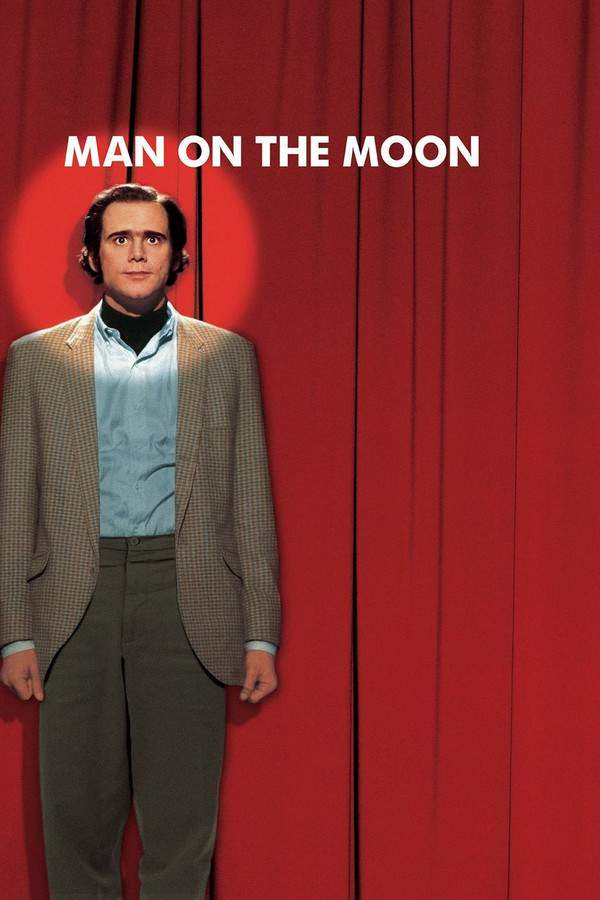
Man on the Moon (1999) movie poster

Timeline

Man on the Moon (1999) Timeline Explained – Every Event in Order

Release, runtime and language
1999 · 118 min · English
Loading streaming availability…
Directed by
Milos Forman
Starring
Jim Carrey, Danny DeVito
Budget
$82M

This film explores the extraordinary and often baffling life of Andy Kaufman, brought to a captivating performance by Jim Carrey. Kaufman was a comedian known for his unconventional and provocative performances that challenged audiences and blurred the lines between reality and humor. Through a series of seemingly spontaneous acts and elaborate hoaxes, he consistently kept those around him guessing about his true intentions and persona, leaving a lasting legacy of comedic innovation.

On this page (7)
  1. 1 Where to watch
  2. 2 Events in order (15)
  3. 3 Timeline questions answered
  4. 4 Movie threads
  5. 5 Movies like Man on the Moon
  6. 6 Categories
  7. 7 Every angle
Loading streaming availability…

15 events in order · contains spoilers

Man on the Moon Timeline: Events in Chronological Order

Every key event of Man on the Moon (1999) in order, scene by scene, with when and where it takes place. Use it to untangle flashbacks, time jumps and parallel storylines, to refresh your memory before the sequel or to find the exact scene you are thinking of.

  1. Film's Opening

    The film begins with Kaufman's foreign man character amusingly claiming that due to extensive editing, this is the end of the film. He plays a record alongside the closing credits before exiting, setting a tone of absurdity that captures the essence of Kaufman's performance artistry.

  2. Kaufman's Childhood Home

    The narrative then jumps back to 1957, offering a glimpse of Kaufman's childhood home in Long Island, New York. This scene establishes the background of Kaufman, providing insight into his early life that would shape his future as a performer.

    When
    1957
    Where
    Long Island, New York
  3. Struggling Entertainer

    In 1973, we meet a struggling Andy Kaufman in New York City, whose unconventional performances in nightclubs often miss the comedic mark. Despite the audience's confusion, Kaufman showcases his talent through a surprising rendition of the 'Mighty Mouse' theme song, which marks the beginning of his unique style.

    When
    1973
    Where
    New York City
  4. The Elvis Impersonation

    Just when it seems Kaufman might lack genuine talent, he surprises the audience by impersonating Elvis in a sparkling rhinestone jacket. The audience erupts in applause, realizing they've been cleverly played, setting a precedent for Kaufman's signature trickery in performance.

    When
    1973
    Where
    New York City
  5. Signing with George Shapiro

    Following his success, talent agent George Shapiro sees potential in Kaufman and signs him as a client. Shapiro helps Kaufman secure a role in the sitcom 'Taxi' in 1975, despite Kaufman's conflicted feelings about the show, which he reluctantly accepts for fame.

    When
    1975
  6. The Tony Clifton Act

    In a nightclub, Shapiro witnesses Kaufman's outrageous performance as Tony Clifton, a foul-mouthed lounge singer. Despite Clifton's brashness, Kaufman envisions incorporating this character into 'Taxi,' revealing once more his cleverness in deceiving both audiences and agents.

    Where
    Nightclub
  7. Struggles with Fame

    By 1980, Kaufman struggles with the expectations of fame and the audience's desire for familiar personas. When audiences demand his more recognizable acts, Kaufman expresses his frustration by storming off the 'Taxi' set, embodying his rebellious spirit against conventional entertainment.

    When
    1980
  8. Wrestling Career

    Kaufman, encouraged by his collaborator Bob Zmuda, embarks on a career in professional wrestling. He embraces a controversial persona of the 'Inter-Gender Wrestling Champion,' drawing ire and laughter as he wrestles only women, further blurring lines between reality and performance.

  9. The Challenge from Jerry Lawler

    Kaufman's antics catch the attention of wrestling legend Jerry 'The King' Lawler, who challenges him to a match. This showdown not only leaves Kaufman severely injured but also strengthens his reputation as a provocateur within both the comedy and wrestling realms.

    When
    1981
  10. Confusion about a Ruse

    In a revealing moment on 'Late Night with David Letterman,' Kaufman and Lawler dive into their unusual relationship, further confusing the lines of reality. Ironically, Kaufman's escapades lead to him getting voted off from 'Saturday Night Live,' exemplifying how he often misjudged audience reactions.

  11. Diagnosis of Cancer

    By 1983, Kaufman receives tragic news about his health—a diagnosis of a rare form of lung cancer. Despite the severity of the situation, he jokingly contemplates faking his own death as part of his legendary performance art, leaving friends and family skeptical of his plight.

    When
    1983
  12. Performing at Carnegie Hall

    Recognizing the limited time he has left, Kaufman achieves a lifelong dream by performing at Carnegie Hall early in 1984. The performance culminates in an unusual invitation to the entire audience for milk and cookies, illustrating his continuing penchant for absurdity even in dire times.

    When
    1984
    Where
    Carnegie Hall
  13. Psychic Surgery in the Philippines

    Determined to find unconventional healing, Kaufman travels to the Philippines for psychic surgery. Upon realizing it's a scam, he bursts into laughter, indicating both his enduring sense of humor and the tragic irony surrounding his health struggles.

    Where
    Philippines
  14. Kaufman's Passing

    Tragically, just months after returning to Los Angeles, Kaufman succumbs to cancer at the young age of 35. His untimely death prompts an outpouring of disbelief, especially among those who thought it might be a prank typical of Kaufman's style.

    When
    1984
    Where
    Los Angeles
  15. Tony Clifton at Memorial

    In a poignant moment a year later in 1985, Tony Clifton performs at Andy Kaufman's memorial tribute at The Comedy Store. As the audience reacts, Zmuda realizes the finality of Kaufman's passing, leaving a lingering question of whether Kaufman truly could still be alive somewhere.

    When
    1985
    Where
    The Comedy Store

Last updated: November 08, 2024 at 00:54

Was this helpful?

Timeline questions answered

Man on the Moon Timeline Explained: Your Questions Answered

When does it happen, and why in that order? The questions people ask about the chronology of Man on the Moon (1999): time jumps, flashbacks, cause and effect between scenes and the correct order of events, each answered with spoilers.

Q1

Why did Andy Kaufman create Tony Clifton as a separate character?

Kaufman created Tony Clifton as a way to further blur the lines between reality and performance. The character was a foul-mouthed, unlikable lounge singer that allowed Kaufman to deceive audiences even those close to him, like his own agent George Shapiro. When Shapiro met Clifton in private and saw him remove his sunglasses, it was revealed to be Kaufman in disguise, demonstrating how Kaufman derived joy from pulling off elaborate hoaxes and tricking everyone around him.

Foreshadowing: Earlier in the film, Kaufman established his pattern of fooling audiences with the Elvis impersonation, which foreshadows his more elaborate Tony Clifton deception.

  • tony clifton
  • character
  • hoax
  • deception
  • performance art
Q2

Why did Andy Kaufman agree to do Taxi if he secretly hated it?

Kaufman reluctantly took the role on the sitcom Taxi in 1975 for practical reasons: the fame, fortune, and opportunity it would provide to create his own television special. While he despised the conventional sitcom format and felt it trapped him into playing a single character, he viewed it as a necessary stepping stone to advance his career on his own terms.

  • taxi
  • sitcom
  • career
  • television
  • opportunity
Q3

Was Andy Kaufman's wrestling career real or part of his act?

Kaufman's wrestling career was a carefully constructed performance art piece. With the help of his collaborator Bob Zmuda, Kaufman created the controversial 'Inter-Gender Wrestling Champion' persona, wrestling only women and gloating after victories. He thrived on provoking reactions and intentionally failed to recognize the genuine backlash it generated, using the controversy as another way to blur reality and performance.

Foreshadowing: Earlier, Kaufman's pattern of 'fooling the audience' with his Elvis trick established his willingness to use elaborate deceptions for entertainment.

  • wrestling
  • inter-gender champion
  • performance
  • provacation
  • bob zmuda
Q4

What was the real relationship between Andy Kaufman and Jerry Lawler?

Kaufman and Jerry 'The King' Lawler had a pre-planned rivalry that was staged as part of Kaufman's performance art. Their heated feud, including the match that left Kaufman injured, was an elaborate ruse designed to blur the lines between reality and entertainment. They revealed this on NBC's Late Night With David Letterman, but the stunt backfired when Kaufman was subsequently voted off Saturday Night Live by viewers who believed the conflict was genuine.

Foreshadowing: Kaufman's history of provoking audiences and failing to predict their reactions foreshadows this outcome.

  • jerry lawler
  • wrestling
  • feud
  • saturday night live
  • letterman
Q5

Did people believe Andy Kaufman's cancer diagnosis or think it was a prank?

Many people dismissed Kaufman's cancer diagnosis as yet another elaborate prank, given his history of elaborate hoaxes. Even his close collaborator Bob Zmuda believed Kaufman might be faking his death as the ultimate gag. The irony was devastating: Kaufman was genuinely terminally ill with a rare form of lung cancer, but his reputation for deception made it impossible for many to accept the news was real.

Foreshadowing: Kaufman's own joke about 'short of faking my own death' earlier in the film ironically foreshadows the disbelief surrounding his actual death.

  • cancer
  • diagnosis
  • death
  • prank
  • bob zmuda
  • lung cancer
Q6

Why did Andy Kaufman travel to the Philippines for psychic surgery?

Facing a terminal cancer diagnosis and conscious of his dwindling time, Kaufman sought an unconventional medical solution in the Philippines known as psychic surgery. The experience proved to be a scam, which struck Kaufman as infinitely ironic, he had built his career on deceiving people, and here was a deception preying on desperate sick people. He burst into laughter upon realizing it was a scam, seeing the dark humor in being fooled by something reminiscent of his own performance art.

  • philippines
  • psychic surgery
  • cancer
  • alternative treatment
  • scam
Q7

Was Tony Clifton actually at Andy Kaufman's memorial or was it another trick?

Tony Clifton performed at Andy Kaufman's memorial tribute at The Comedy Store in 1985, belting out 'I Will Survive.' As the camera pans the audience, Bob Zmuda has a moment of realization about Kaufman's passing, leaving the lingering question of whether this was truly Clifton or another of Kaufman's elaborate final tricks. The film intentionally leaves this ambiguous, reflecting Kaufman's lifelong blurring of reality and performance.

Foreshadowing: The opening scene establishes that Kaufman loved to mess with audience expectations about what is real.

  • tony clifton
  • memorial
  • comedy store
  • bob zmuda
  • final trick
Q8

Why was Andy Kaufman voted off Saturday Night Live?

Kaufman was voted off Saturday Night Live after his controversial stunt with Jerry Lawler on Late Night With David Letterman revealed their feud was staged. Viewers felt deceived by what they believed was a genuine conflict and punished Kaufman by voting him off the show. The irony was profound: Kaufman, who spent his career tricking audiences, was rejected by an audience that could no longer distinguish between his performance and reality.

Foreshadowing: Earlier, Kaufman's frustration about not being able to captivate audiences 'short of faking my own death' foreshadows his escalating stunts that led to his downfall.

  • saturday night live
  • voted off
  • letterman
  • jerry lawler
  • audience
Q9

What was the significance of Andy Kaufman's Carnegie Hall performance?

Performing at Carnegie Hall in early 1984 was Kaufman's lifelong dream and a pivotal moment of artistic redemption. Despite his deteriorating health from cancer, he achieved the pinnacle of legitimate recognition in show business. The performance culminated in him inviting the entire audience out for milk and cookies, a whimsical act that perfectly captured his unique blend of absurdity and sincerity, celebrating his art on his own terms.

  • carnegie hall
  • dream
  • performance
  • milk cookies
  • legacy
Q10

Why did Andy Kaufman only wrestle women?

Kaufman deliberately chose to wrestle only women as part of his provocative inter-gender wrestling persona. He branded himself the 'Inter-Gender Wrestling Champion' and gloat after victories. The act was designed to shock and offend mainstream America, with Kaufman thriving on the negative reactions it generated. He seemed unable or unwilling to recognize the backlash his controversial persona created, using the controversy as fuel for his performance art.

Foreshadowing: Kaufman's pattern of challenging audience expectations began early with his unconventional nightclub performances.

  • wrestling
  • women
  • inter-gender champion
  • controversy
  • provocation
Q11

What was Andy Kaufman's Foreign Man character about?

The Foreign Man was Kaufman's original comedic persona, a soft-spoken, awkward character who seemed completely out of place. Kaufman used this character extensively in his early nightclub performances, often missing the comedic mark with audiences who didn't understand him. The character represented Kaufman's interest in playing with identity and making audiences uncomfortable through unconventional characters who didn't fit neatly into any category.

  • foreign man
  • character
  • persona
  • early career
  • comedy
Q12

What motivated Andy Kaufman's need to constantly deceive audiences?

Kaufman's need to deceive audiences stemmed from his deep desire to challenge conventional entertainment and blur the lines between reality and performance. His signature trickery, from the Elvis impersonation to the Tony Clifton disguise, was about making audiences question what was real. He expressed frustration about needing to captivate audiences, wondering 'short of faking my own death or setting the theater on fire' what it would take. His entire artistic philosophy was built on the premise that confusion and deception could be as entertaining as traditional comedy.

  • deception
  • audience
  • performance art
  • reality
  • motivation
  • entertainment

Movie threads

More Movies Like Man on the Moon, by Mood & Story

Curated lists built around what makes Man on the Moon tick: the same mood, the same kind of story or the same emotional payoff. Each list explains why these movies belong together.

Movies about Eccentric Geniuses like Man on the Moon

Celebrating the brilliant, unconventional lives and poignant struggles of creative outsiders. Discover films that explore the lives of unconventional artists and innovators, much like Man on the Moon. If you enjoyed the bittersweet journey of Andy Kaufman, you'll find similar stories about complex geniuses who challenged norms and left a complicated legacy.

  • melancholic
  • reflective
  • eccentric
  • thought-provoking
  • inspirational
  • tragic
  • Tone: bittersweet, reflective
  • Pacing: steady, character-focused
Why these movies?

The story pattern: These stories typically follow a biographical or character-driven arc, showcasing the subject's rise to prominence through their unique worldview and talents. The central conflict often involves their struggle against societal expectations, personal demons, or the price of their artistry, leading to an ending that is both celebratory and sorrowful.

Why they belong together: They are grouped by their shared focus on a singular, complex protagonist, a tone that balances admiration with melancholy, and an exploration of the fine line between genius and madness. The pacing is often steady, allowing the audience to fully absorb the character's journey.


Movies that Blur Reality and Performance like Man on the Moon

Stories where performance art and real life become an indecipherable puzzle. If you liked the meta-narrative and playful deceptions in Man on the Moon, explore these films about characters who live their art. Find similar stories of performers, artists, and tricksters who challenge the boundaries between their stage persona and their true self.

  • playful
  • quirky
  • thought-provoking
  • meta
  • deceptive
  • unconventional
  • Tone: playful, thought-provoking
  • Pacing: steady, engaging
Why these movies?

The story pattern: The narrative pattern revolves around a central figure who constructs an elaborate fictional identity or series of pranks. The plot unfolds through the reactions of a confused audience—both within the film and the viewer—creating a sense of mystery and intellectual play. The resolution often leaves the true nature of the character ambiguous.

Why they belong together: These films are united by a central theme of performance-as-life, a playful and often quirky tone that masks deeper questions about identity, and a moderate narrative complexity that engages the audience in solving the puzzle. They share a unique mix of humor and thought-provoking depth.

If you liked this

Movies Like Man on the Moon

Similar movies to Man on the Moon: the same genre, themes or kind of story. Each one comes with its own plot summary, timeline and ending explained.

Browse all movie summaries

Categories

Movie Lists Featuring Man on the Moon

Man on the Moon appears in these hand-built movie categories. Each one groups movies by a specific mood, theme or story type, with their plot summaries and endings explained.

View all movie categories

Every angle

Man on the Moon (1999) Explained: Plot, Timeline & Characters

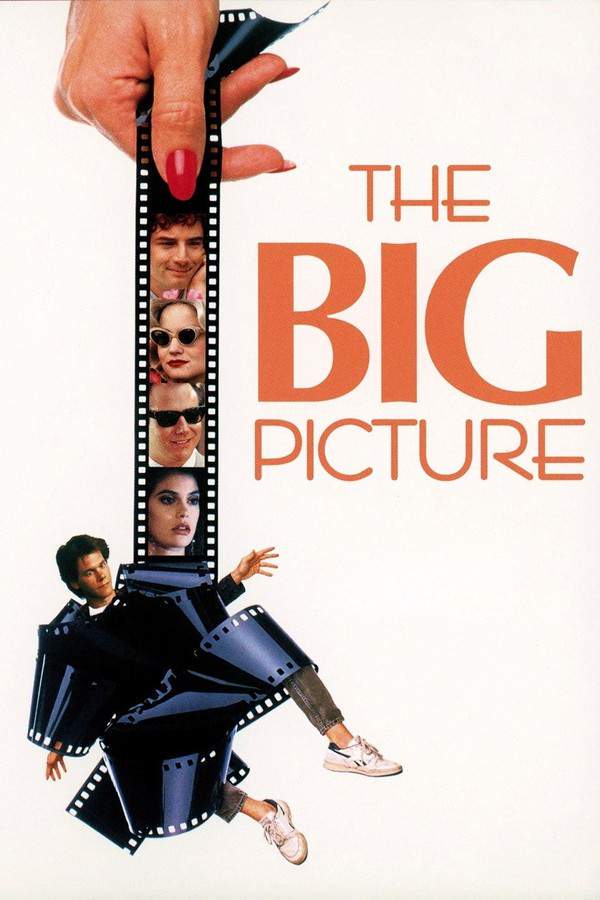
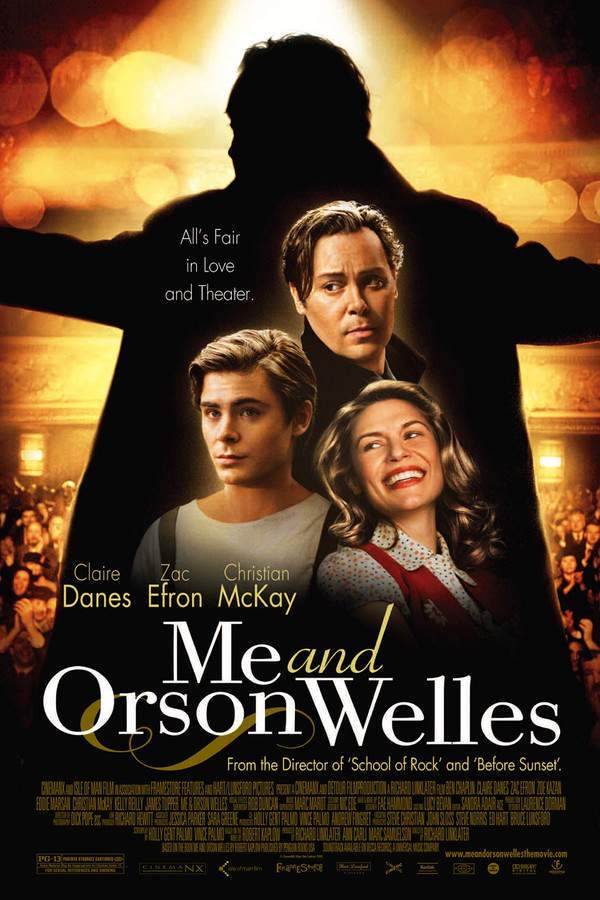
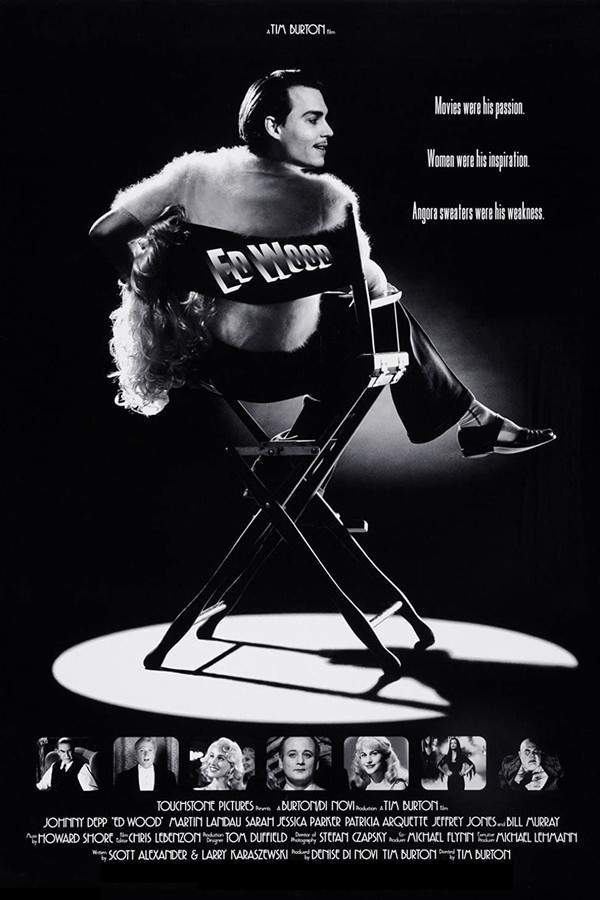
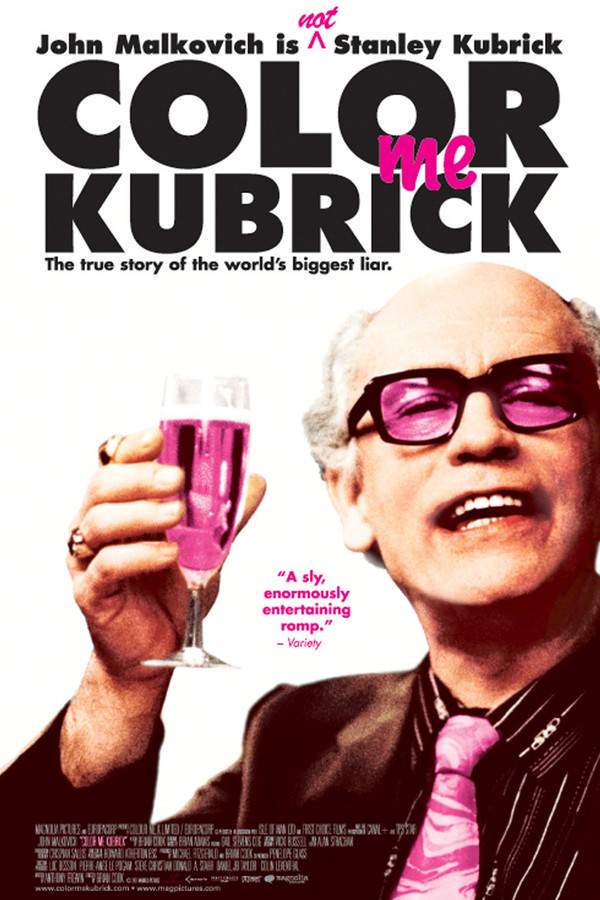
Everything about Man on the Moon in one place: what happens in the plot summary, the timeline in chronological order, the characters and meaning and a spoiler-free summary. What's After the Movie adds the cast, box office and post-credit scenes.

Coming soon on iOS and Android

The Plot Explained Movie Summary App

Plot summaries, endings explained and timelines on your phone. Catch up on any movie in minutes, save your favorites and never miss a twist again.

Be the first to know when we launch. Your email stays private, always.

Learn more about the app