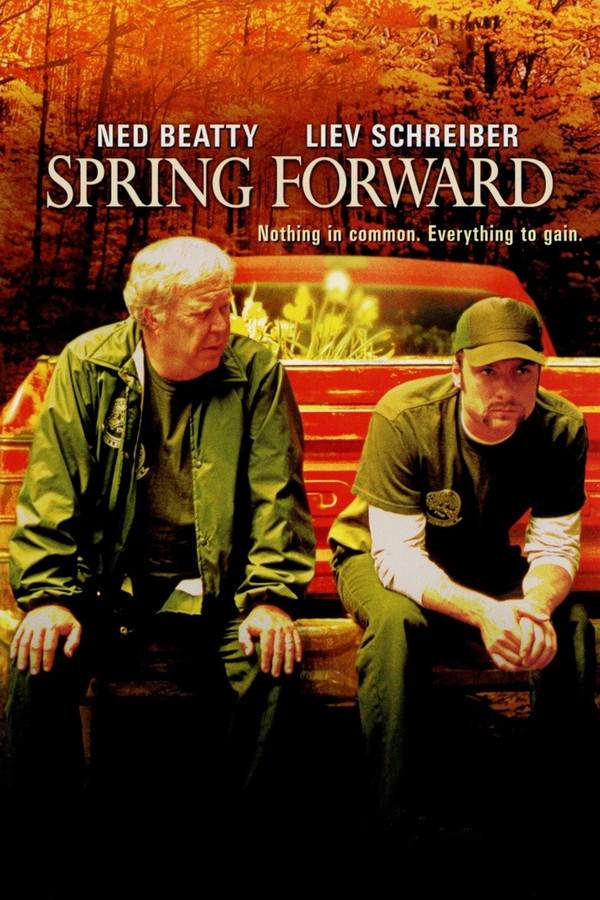
Movies about late-life reckoning like Malgudi Days
Elderly protagonists confronting the past with a mix of regret and newfound hope. For viewers who appreciated the reflective journey in Malgudi Days, this list features similar movies where elderly protagonists confront unresolved chapters of their lives. These films share a bittersweet tone, gentle pacing, and a focus on themes of memory, regret, and finding new purpose in one's twilight years.
- reflective
- melancholic
- hopeful
- nostalgic
- introspective
- lonely
- Tone: bittersweet, melancholic, hopeful
- Pacing: slow, reflective
Why these movies?
The story pattern: Stories in this thread typically follow a quiet, introspective protagonist in their later years. A catalyst, such as meeting a younger companion or retiring, pushes them to revisit a pivotal event or relationship from their past. The narrative often unfolds through a mix of present-day travel or reflection and nostalgic flashbacks, building towards an emotional resolution that is poignant and hopeful, yet realistically bittersweet.
Why they belong together: These movies are grouped together because they share a specific emotional cocktail: the weight of a life lived, the melancholy of regret, and the gentle hope that comes from an unexpected connection or a final act of reconciliation. They are united by a slow, character-driven pace and a focus on internal, emotional stakes rather than external action.