Plot Explained Spoilers guaranteed!
Plot Explained

Browse by genre

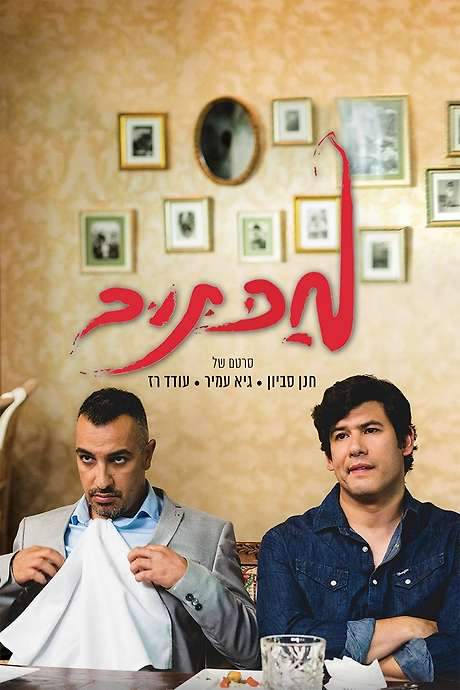
Maktub (2017) movie poster

Characters & Themes

Maktub (2017) Characters, Setting & Themes Explained

Release, runtime and language
2017 · 100 mins · Hebrew
Loading streaming availability…
Directed by
Oded Raz
Starring
Gal Amitai, Itzik Cohen, Igal Naor, Edna Blilious, Abraham Celektar, Guy Amir

After surviving a terrorist attack in Jerusalem, two criminals, Steve and Chuma, resolve to change their lives and become benevolent figures. They embark on a journey to fulfill the wishes of people who submit written requests tucked between the stones of the Wailing Wall. Their newfound purpose leads them on a path of wish fulfillment, intertwining their fates with those seeking a touch of hope and divine intervention.

On this page (8)
  1. 1 Where to watch
  2. 2 Characters explained (4)
  3. 3 Character relationship map
  4. 4 Where & when it takes place
  5. 5 Themes & meaning (2)
  6. 6 Character & meaning questions
  7. 7 Movie threads
  8. 8 Every angle
Loading streaming availability…

4 main characters · contains spoilers

Maktub Characters Explained: Who Is Who

The main characters of Maktub (2017), heroes and villains: what drives them, how they change over the course of the story and what each of them reveals about the film's bigger ideas.

  • Steve (Hanan Savyon)

    Steve is a mobster with a tough exterior but experiences a transformation throughout the film. Initially concerned about survival and money, he ultimately accepts Avishar as his son, showcasing growth in his character. His partnership with Chuma turns from a self-serving relationship into one of responsibility and care.

    • 👨‍⚖️ Mobster
    • 💼 Transformation
  • Chuma (Guy Amir)

    Chuma is another mobster who believes in divine intervention after surviving a terrorist attack. His character is deeply affected by the wish of a lonely boy and takes on a fatherly role, especially towards Avishar. He grapples with his identity as both a gangster and a nurturing figure, creating a unique blend of toughness and tenderness.

    • 👨‍👦 Gangster
    • ❤️ Nurturing
  • Bruria (Edna Blilious)

    Bruria is a woman struggling with infertility who represents the theme of longing and hope. Her desire for a child drives the plot, leading Chuma and Steve to intervene in her life. Her character reflects the emotional weight of motherhood, as she navigates societal pressures and personal disappointment.

    • 👩‍👧 Motherhood
    • 🌈 Hope
  • Avishar (Abraham Celektar)

    Avishar is a lonely boy seeking parental affection and support. His innocent wishes placed in the Western Wall drive the actions of Chuma and Steve. The relationship he forms with Chuma showcases the longing for acceptance and belonging, as he views Chuma as a father figure.

    • 👦 Loneliness
    • 💞 Acceptance

Last updated: October 27, 2026 at 13:31

Was this helpful?

5 characters · 6 connections · contains spoilers

Maktub Character Relationship Map

Who is connected to whom in Maktub: family, love, friendships, rivalries and hidden ties, colour-coded. Pick a character to see their side of the story, or a connection to see what brings two characters together.

How much of the story to show
SSteveHanan SavyonCChumaGuy AmirBBruriaEdna BliliousBHBruria'shusbandFMFormer mob boss

Last updated: October 27, 2026 at 13:31

Was this helpful?

Setting

Where and When Does Maktub Take Place?

The setting of Maktub (2017): the year and time period, the places and locations, and how they shape the characters, the mood and the tension of the story.

Time period

Location

Western Wall, Mahane Yehuda Market

The Western Wall, located in Jerusalem, is a renowned religious site and a place of prayer for Jews worldwide. It is famous for the notes left in its crevices, where visitors express their hopes and wishes. Mahane Yehuda Market, also in Jerusalem, is a vibrant marketplace known for its fresh produce, spices, and local delicacies, often bustling with vendors and shoppers.

  • 🕌 Religious Site
  • 🛒 Market

Last updated: October 27, 2026 at 13:31

Was this helpful?

2 major themes

Maktub Meaning: Themes & Message Explained

What is Maktub (2017) really about? The emotional, social and philosophical themes the film keeps returning to, its symbolism and the message beneath the surface.

  • Faith

    The movie explores themes of faith and divine intervention, as the characters believe they have been spared for a purpose. Their actions in responding to the notes at the Western Wall demonstrate a blend of spirituality and morality. These themes drive the plot, leading the characters to fulfill the wishes of others in a misguided but earnest manner.

  • Fatherhood

    Fatherhood emerges as a central theme, particularly through Chuma’s relationship with Avishar. The film examines the bonds formed between father figures and sons, even when biological ties are absent. Chuma’s evolution from a mobster to a nurturing figure emphasizes the transformative power of these connections.

Last updated: October 27, 2026 at 13:31

Was this helpful?

Character & theme questions

Maktub Characters & Meaning: Your Questions Answered

The questions people ask about Maktub (2017): who the characters really are, their relationships, what the symbols mean, where it takes place and what the movie is really about. Each answer contains spoilers.

Q1

Where is the movie set?

Maktub is set in Jerusalem, Israel, with the Western Wall and Mahane Yehuda Market serving as the primary locations. The city provides both a spiritual backdrop through its holiest sites and a vibrant everyday setting through its bustling neighborhoods and markets.

  • setting
  • jerusalem
  • israel
  • location
Q2

Why is the Western Wall important in the story?

The Western Wall is central to Maktub because visitors leave handwritten wishes and prayers tucked between its stones. These notes become the catalyst for the main characters' mission of wish fulfillment, and the Wall itself embodies the film's themes of faith, hope, and divine intervention.

  • western wall
  • wailing wall
  • prayer notes
  • wishes
Q3

What role does Mahane Yehuda Market play?

Mahane Yehuda Market adds color and authenticity to Maktub's Jerusalem setting. Known for its fresh produce, spices, and bustling vendors, it provides a lively, lived-in contrast to the spiritual weight of the Western Wall and grounds the story in the everyday rhythm of the city.

  • mahane yehuda market
  • jerusalem market
  • vendors
  • spices
Q4

What are the main themes explored?

Maktub centers on two interconnected themes: faith and fatherhood. After surviving a terrorist attack, the protagonists interpret their survival as a divine calling and begin fulfilling wishes, while their journey also examines how chosen family and paternal bonds can transform even hardened individuals.

  • faith
  • fatherhood
  • redemption
  • themes
  • second chances
Q5

How does the movie explore fatherhood?

Fatherhood in Maktub is presented as something earned rather than inherited. Through Chuma's evolving bond with the lonely boy Avishar, the film shows how a nurturing father figure can emerge from unlikely circumstances, emphasizing the transformative power of caring relationships across biological boundaries.

  • fatherhood
  • family
  • avishar
  • chuma
  • father figure
Q6

What role does faith play in the story?

Faith operates as both the spark and the ongoing engine of Maktub. After surviving a terrorist attack, Steve and Chuma believe they were spared for a divine purpose and commit to fulfilling the wishes left at the Western Wall, blending spirituality, morality, and misguided enthusiasm to define the film's hopeful yet comedic tone.

  • faith
  • divine intervention
  • spirituality
  • purpose
Q7

Who is Steve?

Steve, played by Hanan Savyon, is a Jerusalem mobster in Maktub who begins the story focused on survival and money. Over the course of the film, he undergoes a transformation, eventually accepting a fatherly role and turning his criminal partnership with Chuma into one rooted in responsibility and care.

  • steve
  • hanan savyon
  • mobster
  • character arc
Q8

Who is Chuma?

Chuma, played by Guy Amir, is the other half of the criminal duo who survive the Jerusalem attack in Maktub. Deeply affected by what he interprets as a divine purpose, he becomes especially drawn to the wish of a lonely boy and struggles to balance his gangster identity with a newly discovered tender, fatherly side.

  • chuma
  • guy amir
  • mobster
  • father figure
Q9

Who is Avishar?

Avishar, played by Abraham Celektar, is a lonely boy in Maktub seeking parental affection and belonging. His wish left at the Western Wall sets much of the story in motion, and his bond with Chuma becomes the emotional heart of the film's exploration of fatherhood and chosen family.

  • avishar
  • abraham celektar
  • lonely boy
  • western wall wish
Q10

Who is Bruria?

Bruria, played by Edna Blilious, is a woman struggling with infertility in Maktub whose longing for a child becomes one of the wishes that draws Steve and Chuma into her life. She embodies the film's themes of hope and unfulfilled desire, reflecting the emotional weight of motherhood under societal pressure.

  • bruria
  • edna blilious
  • infertility
  • motherhood
  • hope
Q11

What is the overall tone of the movie?

Maktub carries a redemptive, feel-good tone despite its dark premise of terrorism and organized crime. The pairing of serious subject matter with a warm, hopeful atmosphere and absurdist humor defines it as a comedic drama about second chances, with an unambiguously happy ending.

  • tone
  • comedy drama
  • feel-good
  • redemption
  • happy ending

Movie threads

More Movies Like Maktub, by Mood & Story

Curated lists built around what makes Maktub tick: the same mood, the same kind of story or the same emotional payoff. Each list explains why these movies belong together.

Criminal redemption stories like in Maktub

Flawed antiheroes trade crime for kindness and discover a deeper purpose. Movies like Maktub where flawed, often funny characters turn away from crime and discover a gentler, more meaningful life. If you liked Maktub's warm take on criminal reform, these hopeful character-driven stories offer the same blend of humor, heart, and second chances you'll love exploring next.

  • redemptive
  • heartwarming
  • second chances
  • criminal reform
  • uplifting
  • gentle humor
  • Tone: hopeful, warm, redemptive
  • Pacing: steady character driven
Why these movies?

The story pattern: These narratives typically begin with a violent or life-altering event that forces protagonists to confront their own mortality or values. They follow antiheroes who gradually shift from self-serving schemes to altruistic ones, often using their old streetwise skills for good. The journey is peppered with comedic missteps and small moral victories, culminating in a satisfying reconciliation with community, family, or a higher calling.

Why they belong together: Grouped for their shared arc of criminal reform, their balance of gentle humor with touching human moments, and their insistence on happy or hopeful resolutions. Each film leans on warmth and quirky charm rather than gritty realism to portray transformation, creating a distinct feel-good identity despite darker subject matter.
Faith-driven feel-good movies like in Maktub

Whimsical stories where faith, chance, and kindness turn ordinary lives around. Movies like Maktub that blend gentle humor, faith, and the idea that small miracles can transform ordinary lives. If you loved Maktub's quirky spiritual warmth and its hopeful message about answered prayers, these uplifting films share the same tender, feel-good spirit and divine intervention themes worth discovering.

  • faith-driven
  • miraculous
  • feel-good
  • whimsical
  • heartwarming
  • spirituality
  • Tone: hopeful, whimsical, heartwarming
  • Pacing: steady and gentle
Why these movies?

The story pattern: In these stories, characters encounter seemingly supernatural or fateful moments that redirect their lives toward purpose. Plotlines often interweave multiple ordinary people whose wishes or struggles are gently resolved through the actions of an unlikely catalyst or a quiet sense of providence. The tone stays warm and sincere rather than preachy, with humor softening the spiritual themes and a happy ending tying everything together.

Why they belong together: Grouped for their shared embrace of faith, divine intervention, or kismet, combined with a feel-good comedic tone and unambiguously happy endings. Each film uses whimsy and warmth to explore what happens when people open themselves to grace, treating the spiritual elements as gentle and accessible rather than dogmatic.

Every angle

Maktub (2017) Explained: Plot, Timeline & Characters

Everything about Maktub in one place: what happens in the plot summary, the timeline in chronological order, the characters and meaning and a spoiler-free summary. What's After the Movie adds the cast, box office and post-credit scenes.

Coming soon on iOS and Android

The Plot Explained Movie Summary App

Plot summaries, endings explained and timelines on your phone. Catch up on any movie in minutes, save your favorites and never miss a twist again.

Be the first to know when we launch. Your email stays private, always.

Learn more about the app