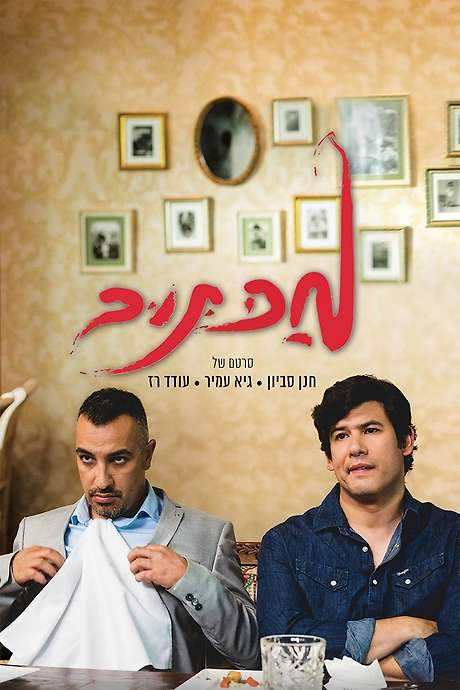
Maktub

After surviving a terrorist attack in Jerusalem, two criminals, Steve and Chuma, resolve to change their lives and become benevolent figures. They embark on a journey to fulfill the wishes of people who submit written requests tucked between the stones of the Wailing Wall. Their newfound purpose leads them on a path of wish fulfillment, intertwining their fates with those seeking a touch of hope and divine intervention.
Where to Watch Maktub?
Find where to stream, rent, or buy Maktub (2017) in the US with current JustWatch availability, up-to-date pricing, and platform listings for subscription, rental, and digital purchase options.


Streaming availability powered by 
Warning: spoilers below!
Haven’t seen Maktub yet? This summary contains major spoilers. Bookmark the page, watch the movie, and come back for the full breakdown. If you're ready, scroll on and relive the story!
Maktub (2017) – Full Plot Summary & Ending Explained
Read the complete plot breakdown of Maktub (2017), including all key story events, major twists, and the ending explained in detail. Discover what really happened, and what it all means.
Steve and Chuma are mobsters who collect sponsorship fees. The two miraculously survive a terrorist bombing in a restaurant, after which Chuma insists they have been spared by divine intervention.
The pair heads to the Western Wall to pray. Steve takes a note left in the Wall to write on to communicate with Chuma, who is temporarily deaf from the explosion. The pair later reads the note's original message, written by a lonely boy being raised by his single mother who cannot afford a bar mitzvah for her son, and decide they have been chosen by G-d to answer prayers left in the Western Wall.
Steve and Chuma meet with Boris, the lonely boy from the note, where they falsely claim his mother has won a lottery for hosting a bar mitzvah. Chuma also meets with Avishar, who Steve denies is his own son.
The second note read by the pair is from a woman Bruria wishing for a child. She and her husband have been unsuccessful in having a baby. Chuma and Steve set up a phony car accident in which Bruria is instructed to go to a hospital, where she ostensibly finds a fertility doctor by coincidence. It is determined that her husband may be infertile.
Chuma goes to Mahane Yehuda Market to buy a folk remedy for male infertility, and offers it to Bruria. Avishar begins viewing Chuma as a father figure, and his mother falls in love with Chuma. Chuma then realizes that Steve had also purchased the folk remedy earlier, which explains how he could be Avishar's father. The pair follow Avishar and see him leaving a note in the Western Wall, in which he wishes that Chuma was his father.
Steve and Chuma are captured by their former mob boss, who believes they are intending to run off with his money. However, they are saved by their mob boss's hitman; he is revealed to be the (previously infertile) husband of Bruria, who has come to her husband to inform her she is pregnant.
The movie ends with Chuma escorting Avishar to his soccer match, fulfilling the boy's wish, as well as Steve finally accepting Avishar as his son.
Last updated: September 16, 2026 at 11:17

Explore Movie Threads
Discover curated groups of movies connected by mood, themes, and story style. Browse collections built around emotion, atmosphere, and narrative focus to easily find films that match what you feel like watching right now.
Criminal redemption stories like in Maktub
Flawed antiheroes trade crime for kindness and discover a deeper purpose. Movies like Maktub where flawed, often funny characters turn away from crime and discover a gentler, more meaningful life. If you liked Maktub's warm take on criminal reform, these hopeful character-driven stories offer the same blend of humor, heart, and second chances you'll love exploring next.











Narrative Summary
These narratives typically begin with a violent or life-altering event that forces protagonists to confront their own mortality or values. They follow antiheroes who gradually shift from self-serving schemes to altruistic ones, often using their old streetwise skills for good. The journey is peppered with comedic missteps and small moral victories, culminating in a satisfying reconciliation with community, family, or a higher calling.
Why These Movies?
Grouped for their shared arc of criminal reform, their balance of gentle humor with touching human moments, and their insistence on happy or hopeful resolutions. Each film leans on warmth and quirky charm rather than gritty realism to portray transformation, creating a distinct feel-good identity despite darker subject matter.
Faith-driven feel-good movies like in Maktub
Whimsical stories where faith, chance, and kindness turn ordinary lives around. Movies like Maktub that blend gentle humor, faith, and the idea that small miracles can transform ordinary lives. If you loved Maktub's quirky spiritual warmth and its hopeful message about answered prayers, these uplifting films share the same tender, feel-good spirit and divine intervention themes worth discovering.

Leap of Faith
1992

Hope Springs
2003

Resurrection
1980

Expecting a Miracle
2009

The Girl Who Believes in Miracles
2021

The Miracle Woman
1931

Miracles from Heaven
2016

The Miracle Club
2023

The Miracle of the Bells
1948

OMG: Oh My God!
2012

The Miracle Maker
1999

It’s a Wonderful Life
2007

Faith Like Potatoes
2006

Hope Springs Eternal
2018

The Reluctant Saint
1962
Narrative Summary
In these stories, characters encounter seemingly supernatural or fateful moments that redirect their lives toward purpose. Plotlines often interweave multiple ordinary people whose wishes or struggles are gently resolved through the actions of an unlikely catalyst or a quiet sense of providence. The tone stays warm and sincere rather than preachy, with humor softening the spiritual themes and a happy ending tying everything together.
Why These Movies?
Grouped for their shared embrace of faith, divine intervention, or kismet, combined with a feel-good comedic tone and unambiguously happy endings. Each film uses whimsy and warmth to explore what happens when people open themselves to grace, treating the spiritual elements as gentle and accessible rather than dogmatic.
Unlock the Full Story of Maktub
Don't stop at just watching - explore Maktub in full detail. From the complete plot summary and scene-by-scene timeline to character breakdowns, thematic analysis, and a deep dive into the ending - every page helps you truly understand what Maktub is all about. Plus, discover what's next after the movie.
Maktub Timeline
Track the full timeline of Maktub with every major event arranged chronologically. Perfect for decoding non-linear storytelling, flashbacks, or parallel narratives with a clear scene-by-scene breakdown.


