Plot Explained Spoilers guaranteed!
Plot Explained

Browse by genre

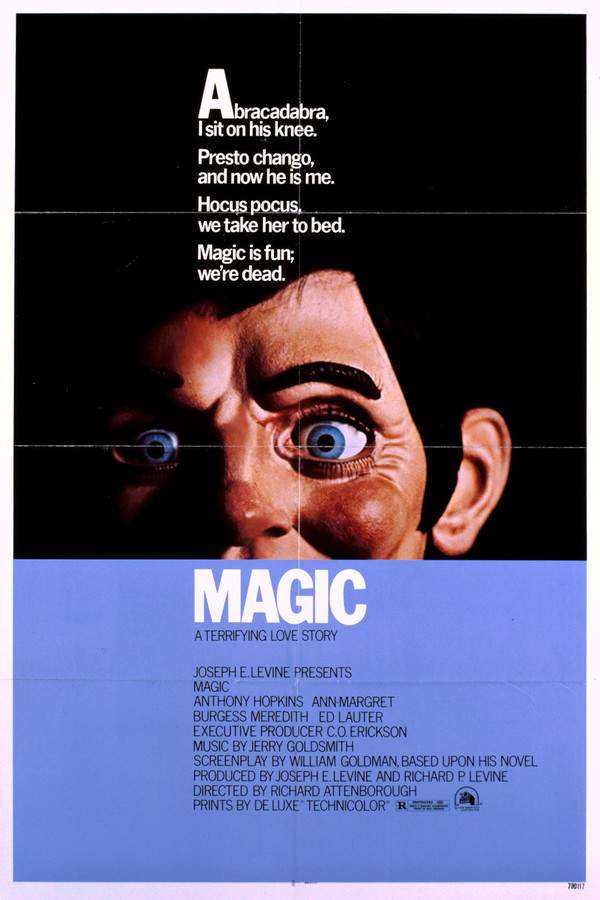
Magic (1978) movie poster

Plot Summary

Magic (1978) Plot Summary Explained

Release, runtime and language
1978 · 107 min · English
JustWatch #3,838 9
Directed by
Richard Attenborough
Starring
Anthony Hopkins, Burgess Meredith, Ed Lauter, Lillian Randolph, David Ogden Stiers, Beverly Sanders
Budget
$7M

A struggling conjurer finds his self-assurance crumbling as his performances are met with ridicule. In a desperate attempt to recapture his audience's attention and reassert his dominance, he unleashes a series of increasingly elaborate and unsettling illusions. These mesmerizing displays begin to distort the perception of reality, creating a terrifying atmosphere where the boundary between magic and horror dissolves.

On this page (7)
  1. 1 Where to watch
  2. 2 What happens: full plot
  3. 3 Plot questions answered
  4. 4 The book behind the movie
  5. 5 Movie threads
  6. 6 Movies like Magic
  7. 7 Every angle

Where to watch

Where to Watch Magic (1978)

Where can you watch Magic? Stream, rent or buy it in the US, including on Amazon Prime Video, Night Flight Plus and Philo: current JustWatch availability with up-to-date prices.

Streaming availability powered by JustWatch

Full plot summary · contains spoilers

What Happens in Magic: Full Plot Summary

The whole story of Magic (1978) explained, from the opening scene to the final frame: every key event, every twist and what it all adds up to. Read it as a quick recap before the sequel, to check a scene you missed, or to finally understand what really happened.

A magician named Corky struggles to find his footing on stage and faces harsh criticism from his mentor, Merlin. He discovers that to truly engage with his audience, he needs a unique hook. By incorporating ventriloquism into his act with a dummy named [Fats], he experiences an unexpected surge in his career.

As Corky rises to fame, performing in grand theaters and making appearances on talk shows, his manager, Ben Greene, presents him with a lucrative television opportunity. However, this comes with the unsettling requirement of a medical examination. Corky staunchly refuses, viewing it as a matter of principle, but his anxiety escalates to a hysterical point, forcing him to retreat to his old hometown to reassess his life choices.

At a serene lakeside resort owned by his former high school sweetheart, Peg, Corky attempts to revive their past romance, even though she is married to the controlling Duke. The tension mounts as Corky's connection with Fats transforms from playful banter to a darker split personality dynamic. What once brought joy now spirals into self-destructive torment.

Desperate for help, Corky’s manager tracks him down at the resort and witnesses Corky’s unraveling psyche. He calls out Corky, challenging him to silence Fats for just five minutes. The chilling reality of Corky's mental state reveals itself as he admits, >“I’m not going to make it...”

As the plot thickens, Fats convinces Corky that to safeguard their secret, Ben must die. In a horrific turn, Corky takes Ben's life and disposes of his body in the lake. The situation becomes even more convoluted when Duke suspects foul play after discovering Ben's car, leading to Duke's own demise.

Corky and Peg's chance for happiness hangs in the balance as Peg expresses her willingness to run away with Corky, but hesitantly insists on being honest with Duke first. In a twisted climax, as Corky grapples with Fats's malevolent influence, he is driven to contemplate the unthinkable.

Ultimately, in a heartbreaking conclusion, as Corky goes to execute a tragic plan at Fats’s insistence, he instead turns the blade on himself, choosing love over violence. He collapses beside Fats in a poignant juxtaposition of fate. Just as Peg approaches, ready to escape with him, she finds only silence in response to her calls, leaving a haunting air of unresolved love and loss.
Last updated: October 27, 2024 at 23:24

Was this helpful?

Plot questions answered

Magic Plot Explained: Your Questions Answered

The questions people ask most about Magic (1978): what happens in the confusing scenes, why the characters do what they do, the twists, hidden details and what the ending means. Each answer contains spoilers.

Q1

Why does Corky become so obsessed with his dummy Fats?

Corky's obsession with Fats stems from the dummy becoming an extension of his own personality. After struggling to connect with audiences, Corky discovers that ventriloquism provides the missing connection, he can express confidence and humor through Fats that he cannot express himself. Over time, this performance mechanism evolves into a psychological split personality, with Fats representing the confident, aggressive side Corky suppresses in real life.

Foreshadowing: Early scenes show Corky's playful banter with Fats, hinting at how the dummy becomes a psychological anchor.

  • corky
  • fats
  • dummy
  • ventriloquism
  • split personality
  • mental breakdown
Q2

Why does Corky refuse the medical examination for the TV deal?

Corky refuses the medical examination because he fears what it might reveal about his mental state. The psychological toll of maintaining his double life with Fats has already begun causing anxiety and paranoia. He views the exam as an invasion of his privacy and a threat to expose the cracks in his mental stability, which he desperately wants to keep hidden.

Foreshadowing: Corky's nervous demeanor and his mentor Merlin's earlier criticism hint at his fragile psychological foundation.

  • medical exam
  • tv deal
  • anxiety
  • mental health
  • corky
  • refusal
Q3

What happens to Ben in Magic?

Ben Greene, Corky's manager, is murdered by Corky under Fats's influence. Fats convinces Corky that Ben must be eliminated to protect their secret, presumably the truth about Corky's mental instability. Corky kills Ben and disposes of his body in the lake, a crime that marks the point of no return in Corky's complete psychological breakdown.

Foreshadowing: Ben's confrontation with Corky, challenging him to silence Fats for five minutes, triggers the violent turn.

  • ben greene
  • murder
  • corky
  • fats
  • killed
  • lake
Q4

Is Fats real or just in Corky's mind?

Fats appears to be a physical dummy that Corky uses for his act, but the movie strongly suggests Corky experiences a split personality where Fats becomes a separate voice in his mind. The interactions between Corky and Fats blend reality with his psychological delusion, the dummy speaks independently, but Corky is the one moving its lips and responding. This ambiguity is central to the film's horror.

Foreshadowing: Early performances show Corky responding to Fats in ways that suggest deeper psychological investment beyond normal ventriloquism.

  • fats dummy
  • real
  • split personality
  • delusion
  • psychological horror
Q5

Why does Corky kill Ben in Magic?

Corky kills Ben because Fats manipulates him into believing it's necessary to protect their secret. Fats represents Corky's darker impulses, and at this point in the film, Corky has lost the ability to distinguish between his own identity and Fats's influence. The murder is the culmination of Corky's complete mental collapse, where he acts on Fats's violent commands rather than his own moral judgment.

Foreshadowing: Fats's escalating demands and Ben's challenge to silence the dummy create the psychological pressure that leads to violence.

  • corky
  • ben
  • murder
  • fats
  • manipulation
  • mental breakdown
Q6

What happens to Duke in Magic?

Duke, Peg's controlling husband, meets a tragic end after becoming suspicious of Corky. When Duke discovers Ben's abandoned car and begins investigating, he becomes a threat to Corky's already fragile situation. The exact circumstances of Duke's death are implied to be connected to Corky's descent into violence, though the summary indicates Duke's demise results from getting entangled in the web of deceit surrounding Ben's disappearance.

Foreshadowing: Duke's suspicion after finding Ben's car directly links his fate to the earlier murder.

  • duke
  • peg
  • death
  • murder
  • discovery
  • car
Q7

Why does Corky kill himself at the end instead of following Fats's commands?

Corky turns the blade on himself because, in his final moment of clarity, he chooses love over violence. Despite Fats's influence demanding he harm Peg, Corky's genuine love for her breaks through the psychological hold the dummy has over him. Rather than hurt the person he cares about most, Corky sacrifices himself, effectively defeating Fats by denying him further control. This tragic choice represents Corky's ultimate reclamation of his own identity.

Foreshadowing: Peg's willingness to run away with Corky represents the genuine love that still exists beneath Corky's psychological deterioration.

  • corky
  • suicide
  • death
  • love
  • fats
  • choice
  • sacrifice
Q8

Why does Corky's mental state deteriorate so rapidly?

Corky's mental deterioration accelerates due to multiple factors converging: the stress of fame, the psychological reliance on Fats as an alternate identity, the isolation from his old life, and the return to emotionally complicated circumstances with Peg. His refusal to address his psychological issues, evidenced by rejecting the medical exam, allows the split personality to strengthen. The resort becomes an isolated pressure cooker where his suppressed anxieties finally surface.

Foreshadowing: The contrast between Corky's successful stage persona and his insecure real-self establishes the fragile foundation of his breakdown.

  • mental breakdown
  • psychological deterioration
  • fame
  • stress
  • isolation
  • split personality
Q9

What does Fats represent in Magic?

Fats represents Corky's suppressed personality, the confident, aggressive, and darker aspects of himself that he cannot express as his authentic self. The dummy becomes a psychological mechanism through which Corky channels his hidden traits. As the film progresses, Fats transforms from a harmless performance tool into a sinister force, embodying the parts of Corky that have become uncontrollable and dangerous.

Foreshadowing: The evolution from playful banter with Fats to threatening dialogues establishes the dummy as an extension of Corky's psyche.

  • fats
  • dummy
  • symbolism
  • psychology
  • suppressed personality
  • dark side
Q10

What is the relationship between Corky and Peg?

Corky and Peg were high school sweethearts who reunite at her lakeside resort. Peg is now married to Duke, a controlling man, but her connection with Corky remains strong. Their attempted romance represents Corky's longing for genuine human connection and a life beyond his psychological turmoil. Peg's willingness to leave Duke for Corky creates the emotional stakes that ultimately influence Corky's tragic decision.

Foreshadowing: Corky's retreat to the resort specifically to see Peg indicates his desire to return to something authentic and personal.

  • corky
  • peg
  • romance
  • love
  • duke
  • relationship
  • hometown
Q11

Why does Corky return to his hometown in Magic?

Corky returns to his hometown because the stress of his rising fame and the psychological burden of his dual life become overwhelming. After refusing the medical examination for the TV deal, his anxiety reaches a breaking point. He retreats to the lakeside resort owned by Peg, hoping to escape the pressures of his career and reconnect with something meaningful from his past, a simpler version of himself before Fats took psychological hold.

Foreshadowing: The TV opportunity and medical exam refusal directly precede Corky's decision to flee his professional life.

  • hometown
  • resort
  • escape
  • stress
  • return
  • peggy
Q12

How does Fats influence Corky's decisions?

Fats influences Corky by voicing his darkest thoughts and desires, presenting them as separate from Corky's own will. At first, this seems like harmless performer confidence, but Fats gradually takes control, convincing Corky that violence is necessary, that secrets must be protected, and that people must be eliminated. Corky increasingly struggles to separate his own judgment from Fats's suggestions, ultimately acting on the dummy's most dangerous commands.

Foreshadowing: The shift from Corky controlling Fats to Fats controlling Corky mirrors the progression from entertainment to psychological horror.

  • fats
  • influence
  • control
  • manipulation
  • decisions
  • commands

Movie threads

More Movies Like Magic, by Mood & Story

Curated lists built around what makes Magic tick: the same mood, the same kind of story or the same emotional payoff. Each list explains why these movies belong together.

Slow Burn Descent into Madness like in Magic

Stories where a fragile mind slowly fractures under intense pressure. Movies like Magic that explore a gradual psychological breakdown. If you enjoyed the tense, methodical unraveling of a mind in Magic, you'll find similar stories of obsession, fractured identity, and creeping dread in these psychological horror and drama films.

  • psychological
  • unsettling
  • claustrophobic
  • obsessive
  • anxious
  • dark
  • Tone: dark, tense, melancholic
  • Pacing: steady, slow burn
Why these movies?

The story pattern: Narratives in this thread typically follow a linear but intense character study, where internal and external pressures steadily erode the protagonist's mental state. The conflict is primarily internal, often manifesting through a destructive obsession or a fractured sense of self, leading inevitably to tragedy.

Why they belong together: These films are grouped by their shared focus on a slow, deliberate pacing that builds unbearable tension, a dark and melancholic tone, and a heavy emotional weight centered on the tragedy of mental illness. They prioritize psychological horror over jump scares.
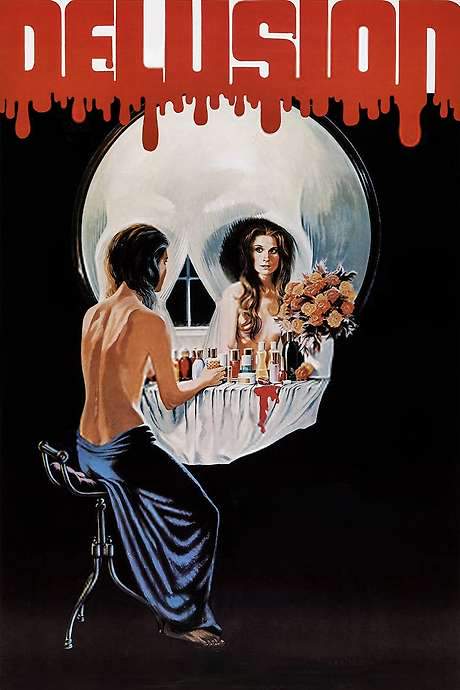
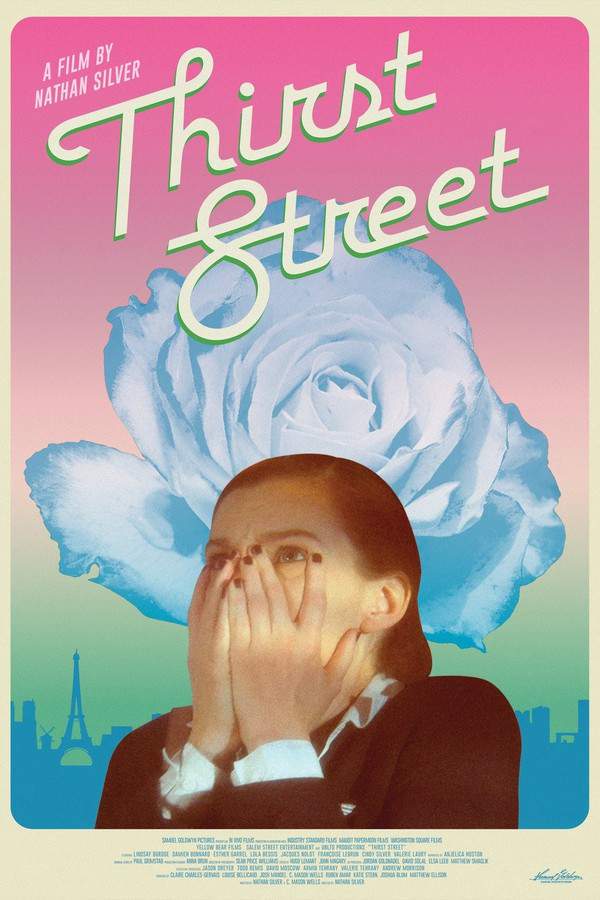
Movies with a Sinister Double like the dummy in Magic

Tales where a character's other self becomes a terrifying, autonomous threat. If you were captivated by the chilling relationship between the magician and his dummy Fats in Magic, explore these films featuring a malevolent double. These stories delve into dissociative identity and the horror of an alter ego that turns against its host.
  • unsettling
  • psychological
  • obsessive
  • dark
  • anxious
  • possessive
  • Tone: dark, psychological, unsettling
  • Pacing: steady
Why these movies?

The story pattern: The narrative pattern involves a central character who projects their fears, desires, or repressed violence onto a separate entity. This double gradually usurps control, turning from a tool or companion into a dominant, often murderous, force. The story becomes a struggle for identity and survival against a part of oneself.

Why they belong together: Movies in this thread share the core theme of a fractured psyche made manifest. They create a specific kind of tension and horror from the internal conflict externalized, often featuring themes of possession, lost innocence, and the dark side of fame or ambition. The tone is consistently dark and psychologically intense.

If you liked this

Movies Like Magic

Similar movies to Magic: the same genre, themes or kind of story. Each one comes with its own plot summary, timeline and ending explained.

Browse all movie summaries

Every angle

Magic (1978) Explained: Plot, Timeline & Characters

Everything about Magic in one place: what happens in the plot summary, the timeline in chronological order, the characters and meaning and a spoiler-free summary. What's After the Movie adds the cast, box office and post-credit scenes.

Coming soon on iOS and Android

The Plot Explained Movie Summary App

Plot summaries, endings explained and timelines on your phone. Catch up on any movie in minutes, save your favorites and never miss a twist again.

Be the first to know when we launch. Your email stays private, always.

Learn more about the app