

Plot Explained Spoilers guaranteed!
Plot Explained

Browse by genre

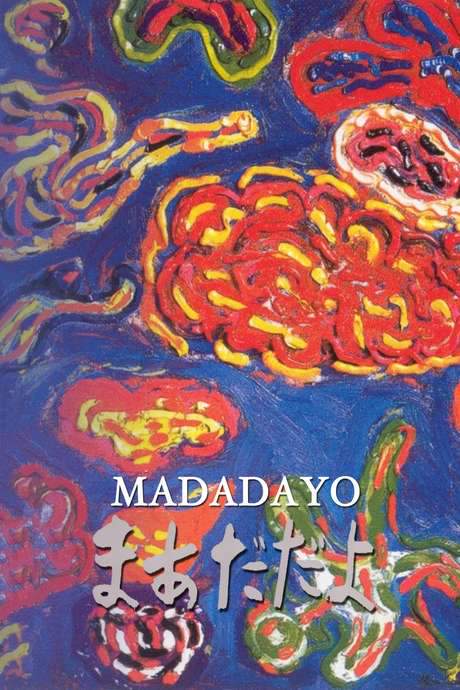
Madadayo (1993) movie poster

Characters & Themes

Madadayo (1993) Characters, Setting & Themes Explained

Release, runtime and language
1993 · 134 mins · Japanese
JustWatch #33,376 2
Directed by
Akira Kurosawa
Starring
Tetsu Watanabe, Akira Terao, Tatsuo Matsumura, Kyôko Kagawa, Yoshitaka Zushi, Masayuki Yui

Based on the life of Hyakken Uchida, a Japanese author and academic, the film opens with his resignation from a German‑language professorship at the start of World War II. It then unfolds through a series of gentle vignettes that follow his later years, showing former students caring for him, sharing memories and moments that reveal his personality and the quiet dignity of his aging life.

On this page (8)
  1. 1 Where to watch
  2. 2 Characters explained (3)
  3. 3 Where & when it takes place
  4. 4 Themes & meaning (3)
  5. 5 Character & meaning questions
  6. 6 Movie threads
  7. 7 Movies like Madadayo
  8. 8 Every angle

Where to watch

Where to Watch Madadayo (1993)

Where can you watch Madadayo? Stream, rent or buy it in the US: current JustWatch availability with up-to-date prices.

Streaming availability powered by JustWatch

3 main characters · contains spoilers

Madadayo Characters Explained: Who Is Who

The main characters of Madadayo (1993), heroes and villains: what drives them, how they change over the course of the story and what each of them reveals about the film's bigger ideas.

  • Prof. Hyakken Uchida (actor: Tatsuo Matsumura)

    A renowned academic and author, Uchida is a German literature professor who retires and faces wartime hardship with quiet dignity. His life is marked by a blend of scholarly pursuit, gentle humor, and a stubborn will to endure, even as the world around him fractures. His relationships with students, wife, and community reveal a lifelong commitment to learning and memory.

    • 🎓 Scholar
    • 🧠 Intellectual
    • 🕊️ Resilient
  • Sawamura (Akira Terao)

    One of Uchida's students or close associates who remains in his orbit as the war intensifies. He participates in the shared life of the classroom and home, exemplifying loyalty and reverence for Uchida's wisdom. His presence helps sustain the professor's sense of purpose amid shortages and danger.

    • 🎓 Student
    • 🤝 Ally
    • 👥 Community
  • Professor's Wife (actor: Kyôko Kagawa)

    Uchida's partner, who worries about safety and shares in the hardships of wartime life. She supports her husband through upheaval, from rationing and danger to rebuilding after the bombing. Their partnership embodies domestic resilience and mutual care.

    • ❤️ Partner
    • 🏡 Domestic life
    • 💪 Resilient

Last updated: October 04, 2025 at 15:27

Was this helpful?

Setting

Where and When Does Madadayo Take Place?

The setting of Madadayo (1993): the year and time period, the places and locations, and how they shape the characters, the mood and the tension of the story.

Time period

1930s–1950s

The film spans the late 1930s through the immediate postwar years in Japan. It portrays wartime shortages, air raids, and the cultural shifts under American occupation. Across these years, the life of a German literature professor and his circle illustrates how education, memory, and friendship endure amid upheaval.

Location

Japan, Uchida's home neighborhood, and surrounding town

The story unfolds across Uchida's home and its surrounding neighborhood, from a spacious early-life setting to a bomb-damaged later reality in a wartime town and the postwar recovery that follows. It depicts domestic spaces as sites of intellectual life, intimate memory, and community support during crisis. After the bombing, the family moves to a small shack, illustrating how place mirrors loss and resilience. In time, a rebuilt home with a pond and a tiny island signals renewal and continuity of memory.

  • ❄️ Nostalgia
  • 🎭 Drama
  • 🏡 Domestic life

Last updated: October 04, 2025 at 15:27

Was this helpful?

3 major themes

Madadayo Meaning: Themes & Message Explained

What is Madadayo (1993) really about? The emotional, social and philosophical themes the film keeps returning to, its symbolism and the message beneath the surface.

  • Mentorship, Legacy

    Uchida's role as a professor and mentor anchors the narrative. His students maintain contact, organize gatherings, and safeguard his intellectual way of life. The Not Yet Banquet embodies the lasting influence of his teachings across generations. The film treats memory as a living force transmitted through respect, care, and community.

  • War & Aftermath

    The story is set against shortages, air raids, and the destruction of Uchida's home. War reshapes daily life, forcing adaptation, loss, and resilience. The occupation and postwar reconstruction provide a backdrop that tests how culture, learning, and human connection endure.

  • Home & Memory

    The house is a recurring character, moving from a spacious prewar residence to a one-room hut after the bombing, and finally to a rebuilt home with a pond and island. The arrival of Nora the alley cat and later Kurz links the space to memory, companionship, and renewal. The evolving home anchors Uchida’s emotional arc as he navigates loss and recovery.

Last updated: October 04, 2025 at 15:27

Was this helpful?

Character & theme questions

Madadayo Characters & Meaning: Your Questions Answered

The questions people ask about Madadayo (1993): who the characters really are, their relationships, what the symbols mean, where it takes place and what the movie is really about. Each answer contains spoilers.

Q1

Where does the story primarily take place?

The narrative is set in Japan, specifically within the professor's home neighborhood and surrounding town. Locations shift from a spacious prewar residence to a bomb-damaged shack, and finally to a rebuilt home with a pond. These domestic spaces in Madadayo serve as sites for intellectual life and community support during crisis.

  • japan
  • setting
  • home neighborhood
  • domestic spaces
Q2

What historical period does the narrative cover?

The film spans from the late 1930s through the immediate postwar years in Japan, covering the 1930s to 1950s. It portrays wartime shortages, air raids, and the cultural shifts under American occupation. This era in Madadayo illustrates how education and friendship endure amid upheaval.

  • 1930s
  • 1950s
  • wartime
  • postwar
  • occupation
Q3

Who is the central character based on?

The protagonist is based on Hyakken Uchida, a real-life Japanese author and German literature professor. He retires at the start of World War II and faces wartime hardship with quiet dignity. Madadayo explores his scholarly pursuit, gentle humor, and stubborn will to endure as the world fractures.

  • hyakken uchida
  • professor
  • german literature
  • protagonist
Q4

What is the significance of the professor's recurring mantra?

The phrase signifies a refusal to accept death or an ending, embodying the spirit of 'not yet.' It represents the professor's lingering desire to continue living and creating despite aging. In Madadayo, this mantra reaffirms his enduring spirit even as mortality casts a shadow.

  • mantra
  • not yet
  • meaning
  • aging
  • spirit
Q5

What role do the former students play?

Former students maintain contact, organize gatherings, and safeguard the professor's intellectual way of life. They participate in the shared life of the classroom and home, exemplifying loyalty and reverence. Their presence in Madadayo helps sustain the professor's sense of purpose amid shortages.

  • students
  • mentorship
  • loyalty
  • gatherings
  • purpose
Q6

How is the professor's wife portrayed?

She is depicted as a partner who worries about safety and shares in the hardships of wartime life. She supports her husband through upheaval, from rationing and danger to rebuilding after the bombing. Their partnership in Madadayo embodies domestic resilience and mutual care.

  • wife
  • partner
  • resilience
  • domestic care
  • hardship
Q7

How does the professor's home evolve throughout the film?

The house acts as a recurring character, moving from a spacious prewar residence to a one-room hut after bombing, and finally to a rebuilt home with a pond. The evolving home anchors the emotional arc as the professor navigates loss and recovery. In Madadayo, the setting mirrors loss and resilience.

  • house
  • home
  • rebuilding
  • pond
  • memory
Q8

How does the war affect the characters?

War reshapes daily life through shortages, air raids, and the destruction of the professor's home. It forces adaptation, loss, and resilience while testing how culture and human connection endure. Madadayo uses this backdrop to show how learning persists amid conflict.

  • war
  • shortages
  • air raids
  • destruction
  • adaptation
Q9

What is the emotional tone of the film?

The tone is bittersweet, balancing the warmth of enduring student relationships with the sadness of losing a home and beloved pets. It emphasizes reflective moments and character over narrative events, contributing to a low-intensity feel. Madadayo presents a gentle and dignified view of aging.

  • tone
  • bittersweet
  • gentle
  • dignified
  • aging
Q10

What do the cats represent in the story?

The arrival of Nora the alley cat and later Kurz links the space to memory, companionship, and renewal. They serve as companions that anchor the professor's emotional arc during recovery. In Madadayo, these animals symbolize continuity of memory and small joys.

  • cats
  • nora
  • kurz
  • companionship
  • renewal
Q11

How is the professor's legacy preserved?

Legacy is treated as a living force transmitted through respect, care, and community among his former students. The Not Yet Banquet embodies the lasting influence of his teachings across generations. Madadayo shows memory safeguarded through these communal bonds.

  • legacy
  • memory
  • teaching
  • banquet
  • community
Q12

What cultural context shapes the story?

The story is shaped by the transition from wartime Japan to the postwar reconstruction under American occupation. It highlights cultural shifts, shortages, and the endurance of academic traditions. Madadayo illustrates how education and memory survive these societal changes.

  • culture
  • occupation
  • reconstruction
  • academic
  • society

Movie threads

More Movies Like Madadayo, by Mood & Story

Curated lists built around what makes Madadayo tick: the same mood, the same kind of story or the same emotional payoff. Each list explains why these movies belong together.

Gentle movies about aging with dignity like Madadayo

Quiet stories that celebrate the wisdom and grace of growing old. If you liked the quiet, respectful portrayal of aging in Madadayo, you'll appreciate these movies. They explore themes of memory, legacy, and the bittersweet beauty of growing old, offering similar gentle pacing and contemplative moods in stories like Ikiru and The Straight Story.

  • contemplative
  • gentle
  • reverent
  • nostalgic
  • melancholic
  • bittersweet
  • Tone: bittersweet, contemplative, gentle
  • Pacing: slow, reflective
Why these movies?

The story pattern: Narratives in this thread are often episodic or vignette-based, focusing on character over plot. They follow a protagonist in their twilight years, reflecting on their past, cherishing present connections, and coming to terms with the passage of time in a quiet, dignified manner.

Why they belong together: These films are grouped together for their shared focus on the aging process, their gentle and reverent tone, and their slow, contemplative pacing that invites reflection rather than excitement.

Movies about mentor and student bonds like in Madadayo

Stories of deep, non-romantic bonds that provide solace and meaning. Viewers who enjoyed the deep, respectful bond between the professor and his former students in Madadayo will find similar heartfelt connections here. Discover movies that explore found family dynamics through mentorship, with stories like Good Will Hunting and The King's Speech offering similar emotional resonance.

  • heartfelt
  • bittersweet
  • poignant
  • reverent
  • nostalgic
  • contemplative
  • Tone: bittersweet, heartfelt, poignant
  • Pacing: steady, character-driven
Why these movies?

The story pattern: The narrative pattern involves a central, often eccentric or wise, figure whose life is enriched by a group of younger people. The story unfolds through their interactions, showcasing mutual growth, unwavering loyalty, and the formation of a resilient, non-biological family unit that endures over time.

Why they belong together: These movies share a core theme of found family built on mentorship, a bittersweet emotional tone balancing warmth and sadness, and a medium emotional weight that focuses on meaningful human connections.

If you liked this

Movies Like Madadayo

Similar movies to Madadayo: the same genre, themes or kind of story. Each one comes with its own plot summary, timeline and ending explained.

Browse all movie summaries

Every angle

Madadayo (1993) Explained: Plot, Timeline & Characters

Everything about Madadayo in one place: what happens in the plot summary, the timeline in chronological order, the characters and meaning and a spoiler-free summary. What's After the Movie adds the cast, box office and post-credit scenes.

Coming soon on iOS and Android

The Plot Explained Movie Summary App

Plot summaries, endings explained and timelines on your phone. Catch up on any movie in minutes, save your favorites and never miss a twist again.

Be the first to know when we launch. Your email stays private, always.

Learn more about the app