Lone Wolf and Cub: White Heaven in Hell

Lone Wolf and Cub: White Heaven in Hell

Year: 1974

Runtime: 83 mins

Language: Japanese

Director: Yoshiyuki Kuroda

AdventureFantasyAction

In the sixth and final film of the Lone Wolf and Cub series, the final conflict between Ogami Itto and the Yagyu clan is carried out.

Where to Watch Lone Wolf and Cub: White Heaven in Hell?

Find where to stream, rent, or buy Lone Wolf and Cub: White Heaven in Hell (1974) in the US with current JustWatch availability, up-to-date pricing, and platform listings for subscription, rental, and digital purchase options.

Warning: spoilers below!

Haven’t seen Lone Wolf and Cub: White Heaven in Hell yet? This summary contains major spoilers. Bookmark the page, watch the movie, and come back for the full breakdown. If you're ready, scroll on and relive the story!

Timeline & Setting – Lone Wolf and Cub: White Heaven in Hell (1974)

Explore the full timeline and setting of Lone Wolf and Cub: White Heaven in Hell (1974). Follow every major event in chronological order and see how the environment shapes the story, characters, and dramatic tension.

Time period

Edo period (early 18th century)

Set during the feudal era of the Tokugawa shogunate, the plot centers on clan honor, political intrigue, and samurai duty. The era’s rigid codes drive the characters to extreme actions in the name of family and allegiance. The stark social order amplifies the film’s themes of revenge and power struggles.

Location

Northern Japan mountains

The story unfolds across the snow-covered mountains of northern Japan, where harsh terrain shapes every confrontation. The rugged landscape amplifies the film’s brutal combat and survival themes. This setting functions as both backdrop and obstacle, turning travel into a perilous ordeal for Ittō and Daigoro.

❄️ Snowy 🏔️ Mountainous 🗺️ Feudal Japan setting

Last updated: February 18, 2026 at 23:35

Was this helpful?

Main Characters – Lone Wolf and Cub: White Heaven in Hell (1974)

Meet the key characters of Lone Wolf and Cub: White Heaven in Hell (1974), with detailed profiles, motivations, and roles in the plot. Understand their emotional journeys and what they reveal about the film’s deeper themes.

Ogami Itto (Tomisaburō Wakayama)

A master swordsman wandering with his infant son, Itto embodies relentless discipline and calm, even in the face of overwhelming danger. He prioritizes his son’s safety while delivering decisive, surgical violence to those who threaten them. His code blends lethal efficiency with a protective, almost stoic, paternal loyalty.

⚔️ Master swordsman 🛡️ Protector 🧭 Strategist

Ogami Daigoro (Akihiro Tomikawa)

Daigoro is the silent, determined infant whose presence motivates his father’s every move. He represents both innocence lost and the legacy that Ogami fights to preserve. Though small, Daigoro’s role is pivotal, acting as a symbol and catalyst for the narrative’s actions.

👶 Child 🛡️ Hope of the future 🧭 Innocence

Tsuchigumo Hyouei (Isao Kimura)

Hyouei is the illegitimate son of Retsudo, a ruthless leader who commands the secretive Tsuchigumo clan. He leverages fear and dark powers to destabilize the Yagyū, seeking to destroy what they stand for. Hyouei is the embodiment of underground malice and calculated menace.

🗡️ Assassin 🕸️ Secretive 💥 Rivalry

Yagyū Retsudo (Minoru Ōki)

Retsudo is the iron-willed head of the Yagyū clan, whose political machinations threaten the honor of all who oppose him. He uses both orchestration and force to try to erase his rivals’ power. His leadership is marked by ruthlessness and a deep commitment to clan supremacy.

🏛️ Power-hungry ⚖️ Authority 💼 Feudal politics

Yagyū Kaori (Junko Hitomi)

Kaori is Yagyū Retsudo’s elite daughter, trained as an assassin with flying daggers. Her role embodies lethal precision and the reach of a noble family’s violent ambitions. Her mission to kill Itto and Daigoro ends in tragedy, underscoring the costs of dynastic schemes.

🗡️ Assassin 🎯 Precision 💁‍♀️ Deadly Daughter

Tsuchigumo (Matsujiro Konaka)

As a leader within the Tsuchigumo clan, this figure commands the mountain faction’s brutal guerrilla tactics. The clan specializes in burrowing and dark arts, posing a formidable, otherworldly threat to Ittō and Daigoro. His presence emphasizes the film’s theme of hidden powers in the feudal landscape.

🏔️ Mountain clan 🕷️ Secretive 🗡️ Warrior

Last updated: February 18, 2026 at 23:35

Was this helpful?

Major Themes – Lone Wolf and Cub: White Heaven in Hell (1974)

Explore the central themes of Lone Wolf and Cub: White Heaven in Hell (1974), from psychological, social, and emotional dimensions to philosophical messages. Understand what the film is really saying beneath the surface.

⚔️ Duty & Revenge

Clan honor and the threat of disgrace propel Ogami Ittō to pursue vengeance against those who imperil the Yagyū name. The narrative treats vengeance as a code-bound obligation rather than mere emotion. As alliances shift and foes multiply, personal justice becomes inseparable from political consequence. The snowbound duel and final confrontation crystallize how duty can demand brutal costs.

👶 Family Bonds

Ogami Ittō’s relationship with his infant son Daigoro anchors the film’s moral center. Daigoro’s presence embodies innocence and hope, motivating Ittō to fight while protecting the child at all costs. The baby cart, both weapon and lifeline, underscores the keeper’s obligation to safeguard his lineage. Their bond offers a counterpoint to the surrounding violence and betrayal.

🏛️ Power & Conflict

Feudal power plays drive the plot: the Yagyū clan, the Tsuchigumo, and rival factions collide in a tapestry of political scheming. The introduction of black magic and mercenary assassins raises the stakes beyond straightforward swordplay. Strategic sieges, mass assaults, and a climactic snow battle reveal how authority and violence shape a feudal society. The outcome hinges on both martial skill and political maneuvering.

Last updated: February 18, 2026 at 23:35

Was this helpful?

Lone Wolf and Cub: White Heaven in Hell (1974) Character & Theme Questions Answered – Info FAQ

Browse frequently asked questions about Lone Wolf and Cub: White Heaven in Hell (1974) focused on characters, relationships, themes, symbols, setting, and story context. This movie info FAQ gives spoiler-aware explanations for character arcs, world details, and thematic interpretation so readers can better understand what the film is really about.

Q1

Where is the movie set?

A.

The story takes place in the snow-covered mountains of northern Japan during the Edo period. The harsh, rugged terrain functions as both backdrop and obstacle, turning travel into a perilous ordeal for Ittō and Daigoro. The snowy landscape amplifies the film's brutal combat and survival themes.

northern japanmountainssettingsnowy landscapefeudal japan
Q2

When does the story take place?

A.

The movie is set during the Edo period (early 18th century) of feudal Japan under the Tokugawa shogunate. This era's rigid social codes and emphasis on clan honor drive characters to extreme actions in the name of family and allegiance. The time period establishes the political intrigue and samurai duty that fuel the conflict.

edo period18th centuryfeudal japantokugawa shogunatehistorical setting
Q3

What are the main themes?

A.

The film explores three core themes: Duty & Revenge, where clan honor and the threat of disgrace compel Ogami Ittō to pursue vengeance; Family Bonds, highlighting the relationship between Ittō and his infant son Daigoro as a moral anchor; and Power & Conflict, depicting feudal scheming between the Yagyū clan, Tsuchigumo, and rival factions.

dutyrevengefamily bondspower conflictthemesclan honor
Q4

Who is Ogami Itto?

A.

Ogami Ittō is a master swordsman wandering with his infant son Daigoro. He embodies relentless discipline and calm even in overwhelming danger. His code blends lethal efficiency with protective, stoic paternal loyalty, prioritizing his son's safety while delivering decisive violence against those who threaten them.

ogami ittoswordsmanfatherprotagonistsamurai
Q5

Who is Daigoro and why does he matter?

A.

Daigoro is the silent infant son of Ogami Ittō. His presence embodies innocence and hope, motivating Ittō to fight while protecting the child at all costs. The baby cart, both weapon and lifeline, underscores Ittō's obligation to safeguard his lineage. Daigoro represents the legacy that Ogami fights to preserve and serves as the moral center of the film.

daigoroinfant sonbaby cartfamily bondslegacy
Q6

Who are the Yagyū clan?

A.

The Yagyū clan is the powerful feudal family at the center of the conflict. Led by Retsudo, an iron-willed head driven by political machinations, the clan represents both authority and ruthlessness in their quest for supremacy. Their rivalry with Ogami Ittō drives much of the film's political intrigue and violence.

yagyu clanretseudofeudal clanantagonists
Q7

Who is Tsuchigumo Hyouei?

A.

Tsuchigumo Hyouei is the illegitimate son of Retsudo who commands the secretive Tsuchigumo clan. He leverages fear and dark powers to destabilize the Yagyū, seeking to destroy what they stand for. Hyouei embodies underground malice and calculated menace, representing the supernatural threat that rises beyond conventional swordplay.

tsuchigumo hyoueidark powersantagonistclan leader
Q8

Who is Yagyū Kaori?

A.

Yagyū Kaori is Retsudo's elite daughter, trained as an assassin with flying daggers. She embodies lethal precision and the reach of a noble family's violent ambitions. Her mission to kill Ittō and Daigoro ends in tragedy, underscoring the personal costs of dynastic political schemes.

yagyu kaoriassassinflying daggersdaughter of retseudo
Q9

How does the setting influence the story?

A.

The snow-covered northern Japan mountains create a harsh, isolating environment that amplifies every confrontation. The rugged terrain turns travel into a perilous ordeal and forces characters into decisive battles. The stark, cold landscape mirrors the film's dark, nihilistic tone and underscores the survival themes woven throughout the narrative.

snowy mountainssurvivalharsh landscapesetting impact
Q10

What is the tone and intensity of the film?

A.

The film carries an overwhelmingly dark tone driven by a nihilistic quest for vengeance from both hero and enemies. The intensity is rated HIGH due to non-stop violence, life-or-death stakes for protagonists, and the massive scale of the final battle against a thousand-strong army. The pacing is FAST with minimal downtime between deadly confrontations.

dark toneintenseviolentfast pacingnihilistic
Mobile App Preview

Coming soon on iOS and Android

The Plot Explained Mobile App

From blockbusters to hidden gems - dive into movie stories anytime, anywhere. Save your favorites, discover plots faster, and never miss a twist again.

Sign up to be the first to know when we launch. Your email stays private, always.

Explore Movie Threads

Discover curated groups of movies connected by mood, themes, and story style. Browse collections built around emotion, atmosphere, and narrative focus to easily find films that match what you feel like watching right now.

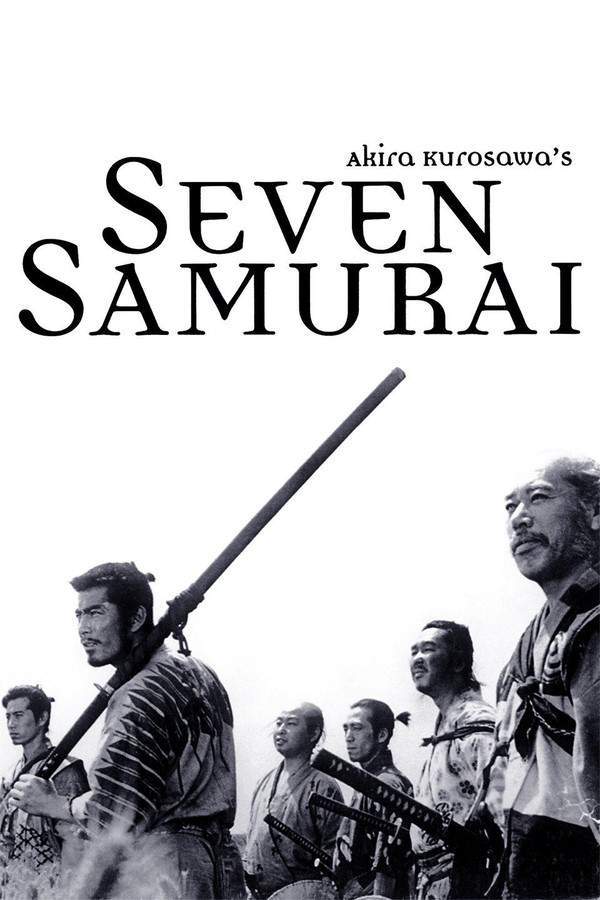
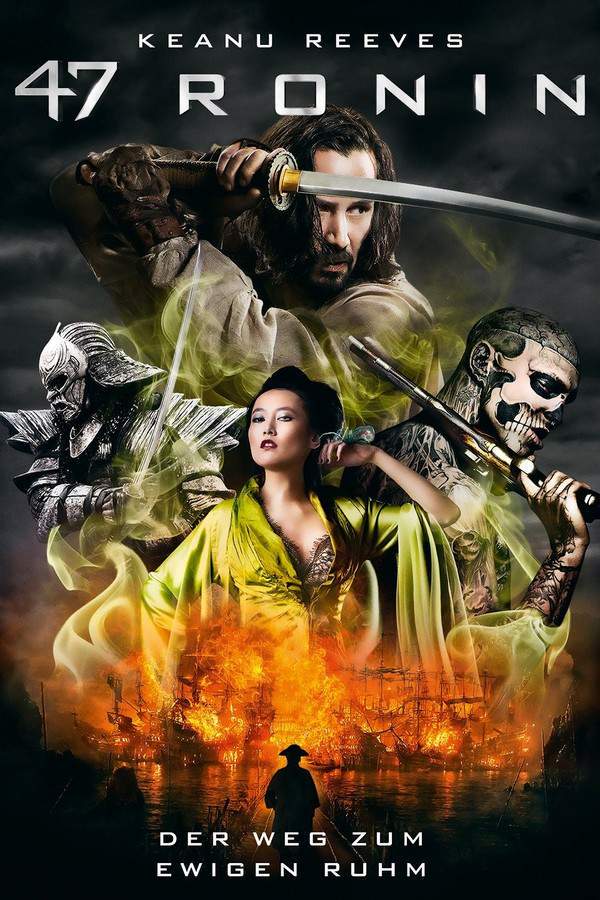
Relentless Samurai Epics like Lone Wolf and Cub: White Heaven in Hell

A lone warrior pursues a bloody, all-consuming path of retribution.If you enjoyed the fatalistic pursuit and brutal combat of Lone Wolf and Cub, you'll find similar immersive tales of lone warriors on a bloody quest for revenge. These movies share a dark tone, high intensity, and a focus on the code of the samurai.

vengefulbrutalrelentlessatmosphericdesolatefatalisticepic

Narrative Summary

The narrative follows a linear path of vengeance, where the protagonist confronts waves of enemies leading to a final, climactic showdown. Character development is often secondary to the relentless forward momentum of the quest, emphasizing action and atmosphere over complex plotting.

Why These Movies?

These films are grouped by their shared focus on a lone warrior archetype, a dark and atmospheric tone, fast pacing driven by action, and the heavy emotional weight of a blood feud. They deliver a specific, intense experience of samurai-era conflict.

Bleak and Brutal Action Journeys like Lone Wolf and Cub: White Heaven in Hell

Violent quests in hostile worlds where resolution offers little solace.For viewers who appreciated the nihilistic violence and unresolved tension of Lone Wolf and Cub, this thread finds other films with a similarly dark and brutal tone. These stories feature high-stakes action in unforgiving worlds.

brutalbleaknihilisticgraphic violencedesolatefatalisticintenseatmospheric

Narrative Summary

The narrative revolves around an ultimate confrontation that serves as the culmination of a long-running conflict. The journey is linear and straightforward, with a focus on survival and the mechanics of combat rather than complex twists. The emotional journey is one of endurance amid overwhelming opposition, often ending without a clear sense of victory.

Why These Movies?

These films share a cocktail of high intensity, dark tone, straightforward narratives, and heavy emotional weight derived from graphic violence and bleak themes. They are united by a visceral, atmospheric feel rather than a specific genre, appealing to viewers seeking uncompromising action with a nihilistic edge.

Unlock the Full Story of Lone Wolf and Cub: White Heaven in Hell

Don't stop at just watching - explore Lone Wolf and Cub: White Heaven in Hell in full detail. From the complete plot summary and scene-by-scene timeline to character breakdowns, thematic analysis, and a deep dive into the ending - every page helps you truly understand what Lone Wolf and Cub: White Heaven in Hell is all about. Plus, discover what's next after the movie.

Lone Wolf and Cub: White Heaven in Hell Summary

Read a complete plot summary of Lone Wolf and Cub: White Heaven in Hell, including all key story points, character arcs, and turning points. This in-depth recap is ideal for understanding the narrative structure or reviewing what happened in the movie.

Lone Wolf and Cub: White Heaven in Hell Summary

Lone Wolf and Cub: White Heaven in Hell Timeline

Track the full timeline of Lone Wolf and Cub: White Heaven in Hell with every major event arranged chronologically. Perfect for decoding non-linear storytelling, flashbacks, or parallel narratives with a clear scene-by-scene breakdown.

Lone Wolf and Cub: White Heaven in Hell Timeline

Lone Wolf and Cub: White Heaven in Hell Spoiler-Free Summary

Get a quick, spoiler-free overview of Lone Wolf and Cub: White Heaven in Hell that covers the main plot points and key details without revealing any major twists or spoilers. Perfect for those who want to know what to expect before diving in.

Lone Wolf and Cub: White Heaven in Hell Spoiler-Free Summary

More About Lone Wolf and Cub: White Heaven in Hell

Visit What's After the Movie to explore more about Lone Wolf and Cub: White Heaven in Hell: box office results, cast and crew info, production details, post-credit scenes, and external links - all in one place for movie fans and researchers.

More About Lone Wolf and Cub: White Heaven in Hell