Plot Explained Spoilers guaranteed!
Plot Explained

Browse by genre

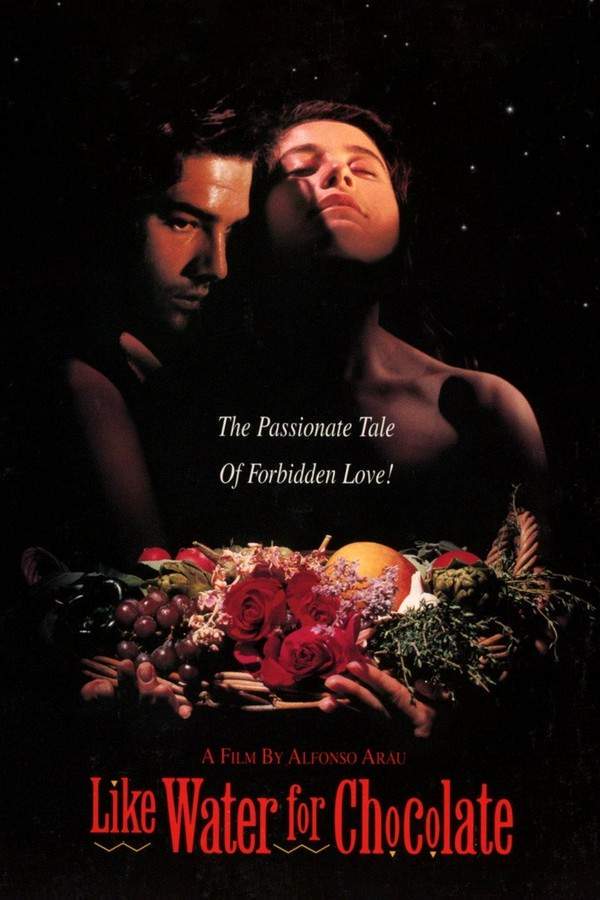
Like Water for Chocolate (1993) movie poster

Characters & Themes

Like Water for Chocolate (1993) Characters, Setting & Themes Explained

Release, runtime and language
1993 · 105 min · Spanish
Loading streaming availability…
Starring
Ada Carrasco, Claudette Maillé, Farnesio de Bernal, Joaquín Garrido, Lumi Cavazos, Marco Leonardi

In a family deeply rooted in tradition, Tita’s dreams of marrying Pedro are dashed when she is obliged to remain home and care for her mother. Unable to express her love directly, Tita pours her emotions into her cooking, and those who taste her dishes are strangely affected by her feelings. As the years pass, Pedro marries Tita’s sister, Rosaura, but their longing for each other continues, subtly influencing everyone around them through the evocative power of her recipes.

On this page (9)
  1. 1 Where to watch
  2. 2 Characters explained (4)
  3. 3 Character relationship map
  4. 4 Where & when it takes place
  5. 5 Themes & meaning (3)
  6. 6 Character & meaning questions
  7. 7 The book behind the movie
  8. 8 Movie threads
  9. 9 Every angle
Loading streaming availability…

4 main characters · contains spoilers

Like Water for Chocolate Characters Explained: Who Is Who

The main characters of Like Water for Chocolate (1993), heroes and villains: what drives them, how they change over the course of the story and what each of them reveals about the film's bigger ideas.

  • Tita (Lumi Cavazos)

    Tita is the youngest daughter, trapped by family tradition and her mother's oppressive control. Her passion and emotions manifest vividly in her cooking, showcasing her artistry and depth of feeling as she grapples with love, loss, and familial duty.

    • 👩‍🍳 Protagonist
    • 💔 Struggler
    • 🌹 Passionate
  • Pedro Muzquiz (Marco Leonardi)

    Pedro is Tita's love interest, caught in a web of social obligations and unfulfilled desires. His decision to marry Rosaura, despite his love for Tita, highlights the societal constraints that govern the characters' lives, accentuating themes of love and sacrifice.

    • 💖 Romantic
    • 🤔 Torn
    • 🌾 Conflicted
  • Elena

    Elena is Tita's mother, whose strict adherence to tradition imposes a heavy burden on her daughter. Her controlling nature not only inhibits Tita’s happiness but also reveals the complexities of maternal relationships entwined with cultural expectations.

    • ⚖️ Authoritarian
    • 👩‍👧 Mother
    • 💢 Oppressive
  • Nacha

    Nacha is the family cook and Tita's confidante, representing wisdom and emotional support. Her guidance allows Tita to explore her feelings through cooking, emphasizing the importance of emotional expression in a constrained environment.

    • 🌿 Nurturing
    • 🍳 Caregiver
    • 🌼 Supportive

Last updated: October 30, 2026 at 14:24

Was this helpful?

6 characters · 9 connections · contains spoilers

Like Water for Chocolate Character Relationship Map

Who is connected to whom in Like Water for Chocolate: family, love, friendships, rivalries and hidden ties, colour-coded. Pick a character to see their side of the story, or a connection to see what brings two characters together.

How much of the story to show
TTitaLumi CavazosPMPedro MuzquizMarco LeonardiEElenaNNachaRRosauraDJDr. John Brown

Last updated: October 30, 2026 at 14:24

Was this helpful?

Setting

Where and When Does Like Water for Chocolate Take Place?

The setting of Like Water for Chocolate (1993): the year and time period, the places and locations, and how they shape the characters, the mood and the tension of the story.

Time period

Early 1900s

The early 1900s were marked by significant social and cultural shifts in Mexico, shaped by familial obligations and traditions. During this period, the roles of women were particularly defined by societal expectations, often leading to personal sacrifices and struggles for independence.

Location

Ranch, Kitchen

The story is primarily set in a family ranch, reflecting the simplicity and challenges of rural life in early 1900s Mexico. The kitchen serves as the heart of the household, where traditions and emotions intertwine through food and cooking, dominating Tita's experiences and memories.

  • 🏡 Ranch
  • 🍽️ Kitchen

Last updated: October 30, 2026 at 14:24

Was this helpful?

3 major themes

Like Water for Chocolate Meaning: Themes & Message Explained

What is Like Water for Chocolate (1993) really about? The emotional, social and philosophical themes the film keeps returning to, its symbolism and the message beneath the surface.

  • Love

    Love serves as a central theme, driving the narrative forward while intertwining with pain and sacrifice. Tita's unrequited love for Pedro illustrates the complexities of affection in the face of oppressive family traditions and expectations.

  • Tradition

    Tradition plays a crucial role in shaping the lives of the characters, dictating their choices and fates. The family’s rigid adherence to custom weighs heavily on Tita, forcing her to navigate her personal desires against societal demands.

  • Sacrifice

    Sacrifice is a poignant theme, epitomized by Tita's enduring struggle to prioritize her family's needs above her own happiness. This theme resonates through her relationships, culminating in her tragic choices throughout the story.

Last updated: October 30, 2026 at 14:24

Was this helpful?

Character & theme questions

Like Water for Chocolate Characters & Meaning: Your Questions Answered

The questions people ask about Like Water for Chocolate (1993): who the characters really are, their relationships, what the symbols mean, where it takes place and what the movie is really about. Each answer contains spoilers.

Q1

Where is Like Water for Chocolate set?

The story takes place on a family ranch in early 1900s rural Mexico. The ranch reflects the simplicity and challenges of rural life during this period, with the kitchen serving as the heart of the household where traditions and emotions intertwine through food and cooking.

  • mexico ranch
  • kitchen
  • setting
  • rural mexican house
Q2

What time period does the movie take place in?

The movie is set in the early 1900s, a period in Mexico marked by significant social and cultural shifts. This era was defined by strong familial obligations and traditions, particularly affecting women's roles through societal expectations that often led to personal sacrifices.

  • early 1900s
  • mexico era
  • time period
  • 1900s mexican society
Q3

How does cooking affect people in the movie?

Tita expresses her emotions through cooking, and those who eat her dishes are strangely affected by her feelings. This magical realism element allows unexpressed emotions to find a physical outlet, giving the film a unique, sensual, and oppressive atmosphere.

  • magical realism
  • cooking
  • emotions
  • food
  • fantasy element
Q4

What is the main theme of love in the movie?

Love serves as the central theme, driving the narrative while intertwining with pain and sacrifice. Tita's unrequited love for Pedro illustrates the complexities of affection in the face of oppressive family traditions and expectations.

  • love
  • unrequited love
  • romance
  • emotional repression
Q5

How does tradition shape the story?

Tradition plays a crucial role by dictating the characters' choices and fates. The family's rigid adherence to custom weighs heavily on Tita, forcing her to navigate her personal desires against societal demands, particularly the rule that the youngest daughter must remain unmarried to care for her mother.

  • tradition
  • mexican customs
  • family obligations
  • societal expectations
Q6

What role does sacrifice play in the story?

Sacrifice is a poignant theme epitomized by Tita's enduring struggle to prioritize her family's needs above her own happiness. This theme resonates through her relationships, culminating in tragic choices that reflect the heavy burden of familial duty.

  • sacrifice
  • family duty
  • tragedy
  • emotional pain
Q7

Who is Tita and what is her role in the story?

Tita is the youngest daughter, trapped by family tradition and her mother's oppressive control. Her passion and emotions manifest vividly through her cooking, showcasing her artistry and depth of feeling as she grapples with love, loss, and familial duty.

  • tita
  • main character
  • youngest daughter
  • cooking
Q8

Who is Elena and what is her role?

Elena is Tita's mother, whose strict adherence to tradition imposes a heavy burden on her daughter. Her controlling nature inhibits Tita's happiness and reveals the complexities of maternal relationships entwined with cultural expectations.

  • elena
  • mother
  • tradition
  • control
  • parenting
Q9

Who is Pedro and what is his role?

Pedro is Tita's love interest, caught in a web of social obligations and unfulfilled desires. His decision to marry Rosaura despite his love for Tita highlights the societal constraints that govern the characters' lives, emphasizing themes of love and sacrifice.

  • pedro
  • love interest
  • marriage
  • social obligations
Q10

Who is Nacha and what is her role?

Nacha is the family cook and Tita's confidante, representing wisdom and emotional support. Her guidance allows Tita to explore her feelings through cooking, emphasizing the importance of emotional expression in a constrained environment.

  • nacha
  • cook
  • confidante
  • mentor
  • support
Q11

What does the kitchen symbolize in the movie?

The kitchen serves as the heart of the household and acts as Tita's primary means of emotional expression. It is where traditions and emotions intertwine through food and cooking, dominating Tita's experiences and memories throughout the story.

  • kitchen
  • symbolism
  • emotional expression
  • heart of home
Q12

What is the tone and emotional weight of the movie?

The movie has a deeply melancholic tone with heavy emotional weight, dealing with forced sacrifice, infant death, infidelity, and suicide. The ending is bittersweet; while the main lovers die tragically, their story and recipes are preserved and passed down, suggesting a legacy that outlasts their suffering.

  • tone
  • melancholy
  • bittersweet
  • emotional weight
  • legacy

Movie threads

More Movies Like Like Water for Chocolate, by Mood & Story

Curated lists built around what makes Like Water for Chocolate tick: the same mood, the same kind of story or the same emotional payoff. Each list explains why these movies belong together.

Movies Where Cooking is a Love Language like in Like Water for Chocolate

Stories where food becomes the secret, sensual expression of repressed desire. For fans of movies like *Like Water for Chocolate* that explore love and emotion through the art of cooking. This section features similar films where food becomes a powerful, sensual metaphor for repressed passion, family legacy, and the unspoken bonds formed in the kitchen.

  • sensual
  • passionate
  • melancholic
  • longing
  • magical realism
  • emotional
  • Tone: passionate, melancholic, sensual
  • Pacing: steady, deliberate
Why these movies?

The story pattern: Narratives in this thread often revolve around characters who are emotionally restrained by societal or familial expectations. Their true feelings—especially passionate or forbidden love—find a physical and creative outlet in cooking. The food they create literally or symbolically carries their emotions, influencing the plot and other characters, often leading to dramatic revelations or cathartic moments centered around a shared meal or a secret recipe.

Why they belong together: These films are grouped by their unique use of culinary arts as a narrative device. They share a focus on sensuality, emotional repression, and the transformative power of food, creating a distinct atmosphere that blends the mundane with the deeply emotional or magical.

Tragic Melodramas About Oppressive Family Duty like Like Water for Chocolate

Heart-wrenching stories of sacrifice and longing under the weight of tradition. If you were moved by the heavy emotional weight and tragic love story in *Like Water for Chocolate*, explore these films. Discover similar movies about characters crushed by family obligation, featuring bittersweet endings, intense longing, and the high cost of sacrificing personal passion for tradition.

  • tragic
  • melancholic
  • oppressive
  • longing
  • heavy
  • dramatic
  • Tone: melancholic, tragic, oppressive
  • Pacing: steady, deliberate
Why these movies?

The story pattern: The narrative pattern follows a protagonist, usually a woman, whose life path is dictated by uncompromising family rules. Their deepest wish—typically for love and autonomy—is denied, forcing them into a state of emotional repression. The story unfolds over years, building a sense of inevitable tragedy as their suppressed feelings create ripple effects of suffering, infidelity, and loss for everyone around them, culminating in a bittersweet or deeply sad conclusion.

Why they belong together: These movies share a core theme of the individual versus the family unit, characterized by a melancholic tone, high emotional intensity, and a steady pacing that allows the tragedy to unfold with profound weight. They are united by their exploration of generational trauma, sacrifice, and the destructive power of unyielding tradition.

Every angle

Like Water for Chocolate (1993) Explained: Plot, Timeline & Characters

Everything about Like Water for Chocolate in one place: what happens in the plot summary, the timeline in chronological order, the characters and meaning and a spoiler-free summary. What's After the Movie adds the cast, box office and post-credit scenes.

Coming soon on iOS and Android

The Plot Explained Movie Summary App

Plot summaries, endings explained and timelines on your phone. Catch up on any movie in minutes, save your favorites and never miss a twist again.

Be the first to know when we launch. Your email stays private, always.

Learn more about the app