
Life Is Beautiful

Vinayachandran and Sindhu are the picture‑perfect couple admired by neighbours Nambiarettan and Shoshammetathi. Vinayan recently starts teaching Malayalam at a prestigious public school, where his unconventional, politically‑correct teaching methods spark both curiosity and controversy.
Where to Watch Life Is Beautiful?
Find where to stream, rent, or buy Life Is Beautiful (2000) in the US with current JustWatch availability, up-to-date pricing, and platform listings for subscription, rental, and digital purchase options.















Streaming availability powered by 
Warning: spoilers below!
Haven’t seen Life Is Beautiful yet? This summary contains major spoilers. Bookmark the page, watch the movie, and come back for the full breakdown. If you're ready, scroll on and relive the story!
Timeline – Life Is Beautiful (2000)
Trace every key event in Life Is Beautiful (2000) with our detailed, chronological timeline. Perfect for unpacking nonlinear stories, spotting hidden connections, and understanding how each scene builds toward the film’s climax. Whether you're revisiting or decoding for the first time, this timeline gives you the full picture.
Last updated: October 07, 2025 at 20:33
Life Is Beautiful (2000) Timeline Questions Answered – Chronology FAQ
Find frequently asked questions about the Life Is Beautiful (2000) timeline, including chronological order, nonlinear jumps, cause-and-effect links, and scene sequence clarifications. This timeline FAQ helps explain when key events happen, how moments connect, and why the story unfolds in that specific order.
Why does Guido turn the concentration camp into a game for his son?
Guido creates the game to protect Giosuè from the psychological trauma of the concentration camp. He knows his son is terrified by the harsh reality around him, so he frames everything as a contest where being quiet, not complaining, and following rules earns points toward winning a tank. This elaborate lie shields the child from understanding the true horrors surrounding them, preserving his innocence and will to survive.
Earlier, Guido's charm and theatrical approach to winning Dora's heart established his belief in love as a hopeful game that can overcome hardship.
Why does Dora choose to board the train to the concentration camp?
Dora boards the train because she cannot bear to be separated from her husband and son. Though she would have been safe staying behind as a non-Jewish Italian citizen, her love for her family compels her to share their fate. This act represents her ultimate sacrifice and commitment, choosing to face the dangers of the camp rather than live without them.
Her earlier choice to leave Rodolfo for Guido already demonstrated that love mattered more to her than social safety or status.
How does Guido prevent Giosuè from being discovered as a Jewish prisoner?
Guido uses his resourcefulness to hide Giosuè among the German children in the camp. He tricks a German nanny by teaching the children Italian, so when Giosuè accidentally says "thank you" in Italian, it seems like a learned phrase rather than proof of his identity. This clever ruse keeps Giosuè hidden from guards who would kill him.
Guido's quick thinking and charm in Arezzo, where he orchestrated "coincidences" to win Dora, established his talent for improvisation.
Why does Giosuè avoid being gassed with the other children?
Giosuè avoids the gas chamber because he hates baths and refuses to go with the other children when they are called. This stubborn quirk, which frustrated Guido before, becomes a lucky survival trait. While the other children are led to the gas chambers, Giosuè's refusal to bathe saves his life.
Earlier scenes showed Giosuè's strong dislike for baths, a detail that seemed like a simple character trait before the camp.
Why does Guido hijack the camp's loudspeaker to send messages?
Guido uses the loudspeaker to send hopeful messages to Dora, who is in the women's section of the camp. By broadcasting romantic declarations and signals of love, he maintains their connection despite the brutal separation. These messages reassure Dora that her family is alive and still thinking of her, providing emotional strength during the worst moments of captivity.
Guido's earlier habit of creating magical "coincidences" to communicate his love to Dora in Arezzo foreshadows his determination to stay connected through any means.
What happens to Uncle Eliseo at the concentration camp?
Eliseo, Guido's uncle, is murdered immediately upon arrival at the concentration camp. He is taken to the gas chamber and killed, a grim reminder of the swift and lethal nature of the camp's operations. His death hits Guido hard, but also strengthens his resolve to protect Giosuè at all costs.
Eliseo's presence in Arezzo provided comic relief and warmth; his gentle nature made his fate particularly devastating.
Why does Guido wink at Giosuè before being executed?
Guido winks at Giosuè to maintain the illusion of the game. Even as he's being led to his death, he wants his son to believe this is simply another rule of the contest, that papa must hide and cannot be found until the game is truly over. This final act ensures Giosuè stays hidden and safe until liberation, preserving the protective lie until the very end.
The wink references their earlier moments of playful communication and inside jokes that bonded father and son.
What does winning the tank represent in Guido's game?
The tank represents ultimate victory and escape from the camp. Guido tells Giosuè that the child who accumulates the most points without being found will win a real tank. This promise gives Giosuè something to look forward to and motivates him to endure the hardships of camp life. When an American tank actually arrives at liberation, it appears as the literal fulfillment of Guido's promise.
The tank was introduced early in the game as the grand prize, creating hope amid despair.
Why does Guido teach Italian to the German children in the camp?
Guido teaches Italian to the German children so that when Giosuè accidentally speaks Italian in their presence, it won't reveal his identity as a prisoner. By making Italian seem like a language the children naturally know, the German nanny won't realize Giosuè is Jewish. This clever plan keeps Giosuè safe among the German families who occupy the camp.
Guido's quick thinking was established early when he used humor and cleverness to navigate social situations in Arezzo.
Why does Guido use humor and performance to cope with the Holocaust?
Guido uses humor as a weapon against despair, both for himself and his family. His theatrical personality, established from the moment he arrives in Arezzo, becomes his survival strategy. By treating love and life as a grand game even in the concentration camp, he transforms tragic circumstances into something bearable. This approach allows him to protect his son's psychological wellbeing while modeling resilience.
The film's opening establishes Guido's comedic nature and belief that love can conquer obstacles through imagination and wit.
Why does Dora fall in love with Guido despite his Jewish background?
Dora falls in love with Guido because of his genuine charm, humor, and persistent affection. Rather than being intimidated by social barriers, Guido uses creative "coincidences" to show his love, making her laugh and feel alive. His willingness to humiliate himself publicly at her engagement party demonstrates a depth of feeling she cannot ignore. Dora chooses love over safety and social convention.
The film establishes early that Guido sees obstacles as opportunities for creative pursuit rather than reasons to give up.
What is the final rule of Guido's game that saves Giosuè?
The final rule is that Giosuè must stay hidden until the camp is completely empty and silent, no more footsteps, no more voices, before he can come out. This rule keeps Giosuè in a hiding place while Guido is executed and during the chaos of the camp's abandonment. By strictly following this final instruction, Giosuè remains safe until the American soldiers arrive the next morning.
This final task builds on earlier rules that taught Giosuè to stay silent and hidden during dangerous moments.

Explore Movie Threads
Discover curated groups of movies connected by mood, themes, and story style. Browse collections built around emotion, atmosphere, and narrative focus to easily find films that match what you feel like watching right now.
Stories with Protective Fictions like in Life Is Beautiful
Stories where characters create an alternate reality to shield loved ones from brutal truth.If you were moved by how Guido used imagination to protect his son in Life Is Beautiful, explore more movies like it. These films feature characters who craft hopeful deceptions as a shield against trauma, offering bittersweet stories of love and resilience in the darkest of times.
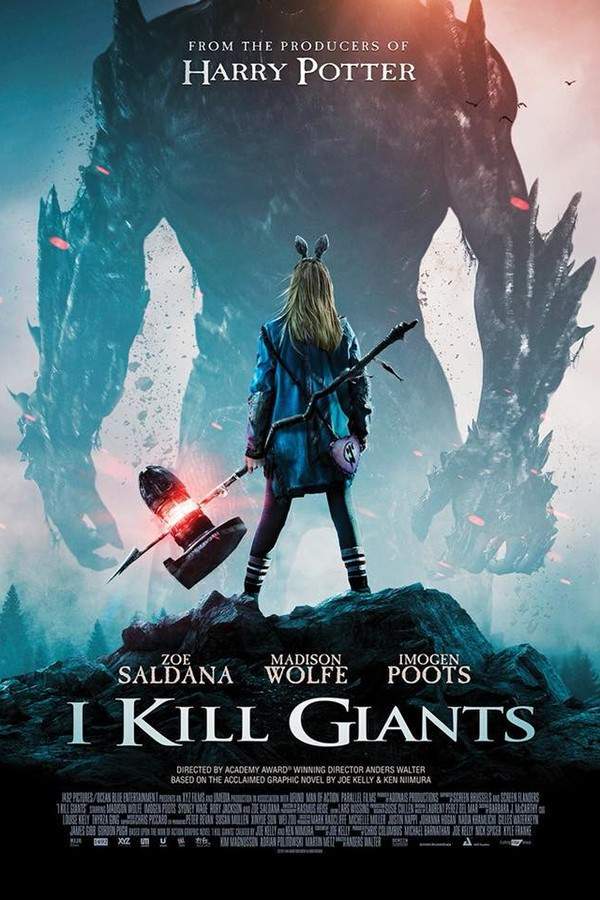
I Kill Giants
2018
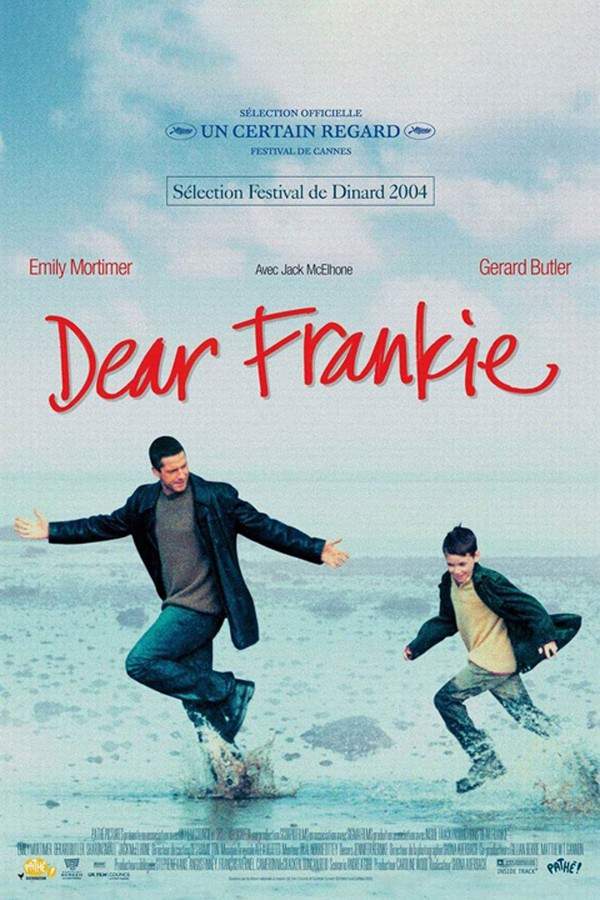
Dear Frankie
2005
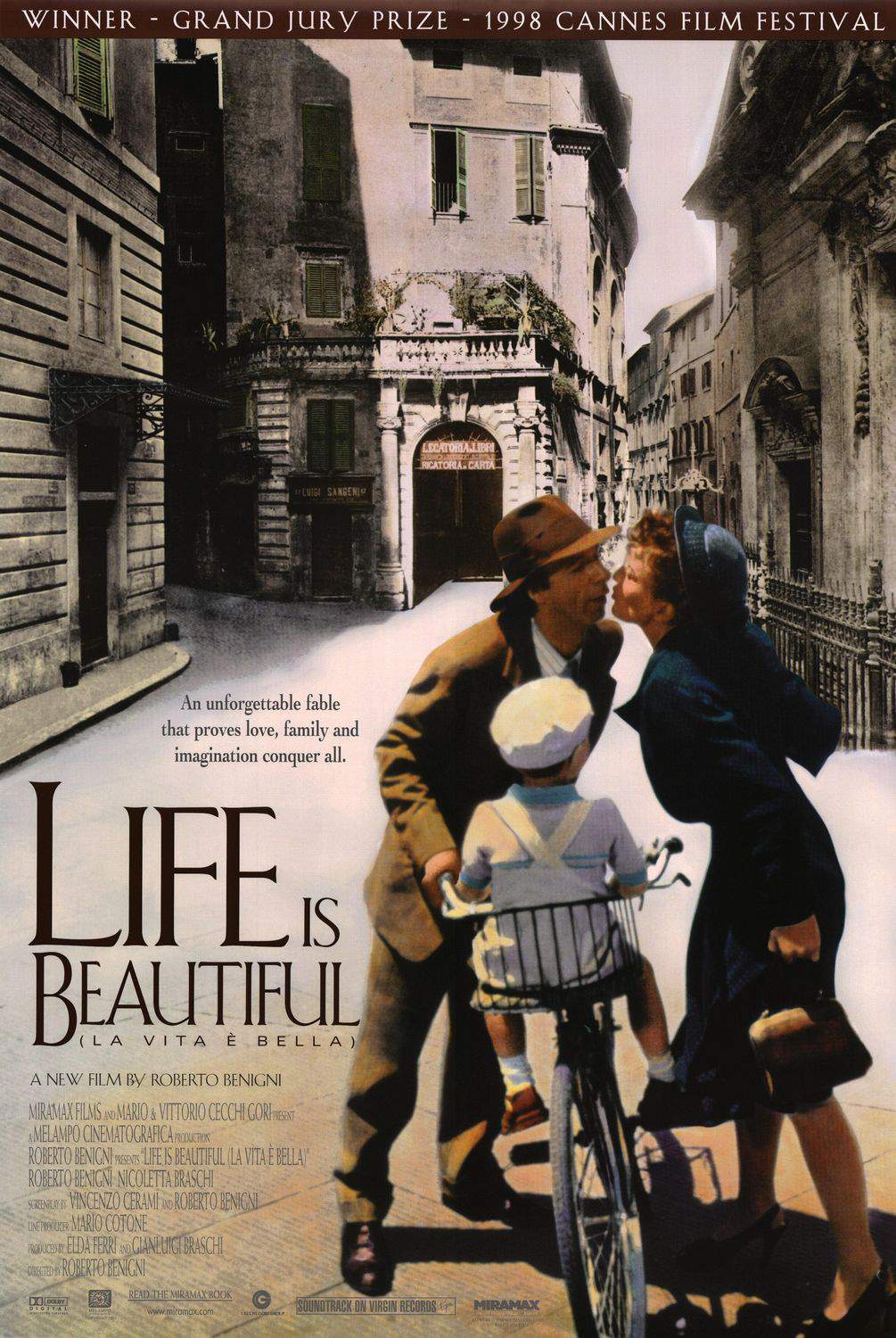
Life Is Beautiful
1998

Come Away
2020
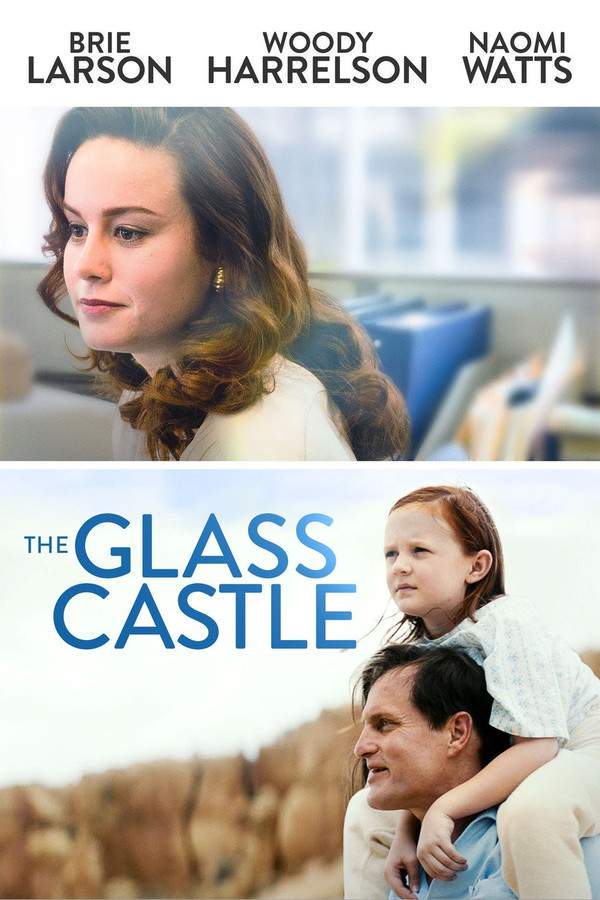
The Glass Castle
2017
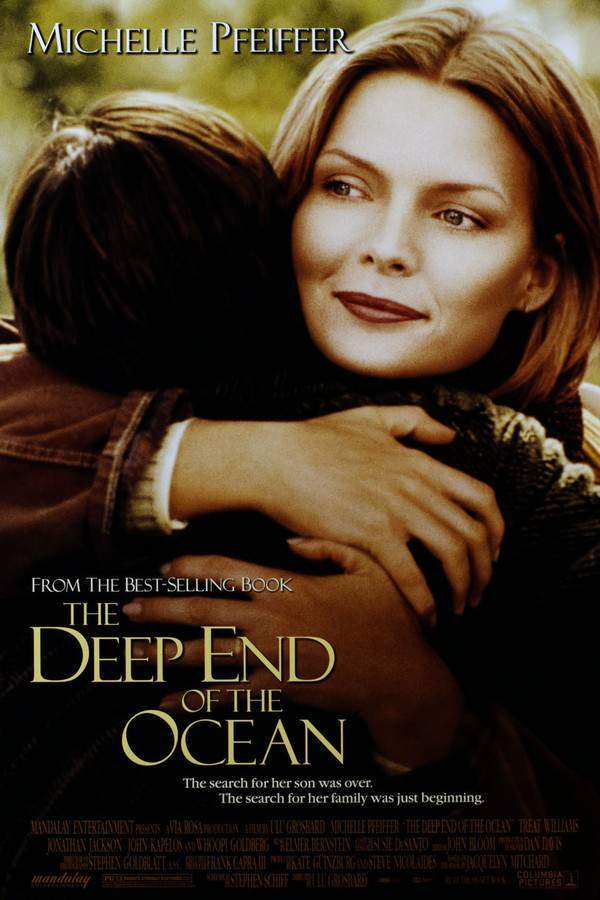
The Deep End of the Ocean
1999

Pay It Forward
2000

Fireflies in the Garden
2011

A Rumor of Angels
2002

Life Is Beautiful
2013

We Are Family
2010
Life Is Beautiful
2000

Strange Gardens
2003

The Mighty
1998

Like Dandelion Dust
2009
Narrative Summary
These narratives often follow a character who, confronted with an overwhelming and traumatic situation, chooses to invent a more palatable reality for a vulnerable companion. The plot unfolds with the delicate balance of maintaining the fiction against the encroaching darkness, leading to a climax where the truth may be revealed or the sacrifice behind the lie becomes fully apparent.
Why These Movies?
These films are grouped by their shared core theme: the morality and power of protective deception. They explore a specific type of love and sacrifice, creating a unique emotional blend where heartwarming moments are underpinned by deep, somber tension.
Movies with Dramatic Shifts like Life Is Beautiful
Films that start with lighthearted charm and romance before plummeting into profound darkness.Life Is Beautiful masterfully shifts from comedy to tragedy. Discover similar films that start with a lighthearted, whimsical feel before transforming into heavier, more dramatic stories. If you liked the emotional journey of this movie, you'll find other powerful tales where joy gives way to sorrow.

Big Fish & Begonia
2018
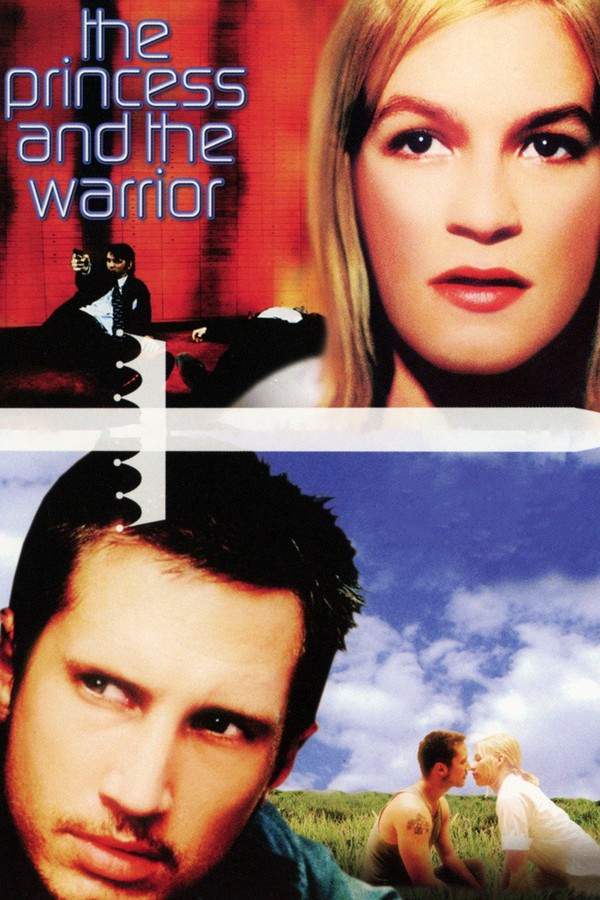
The Princess and the Warrior
2001
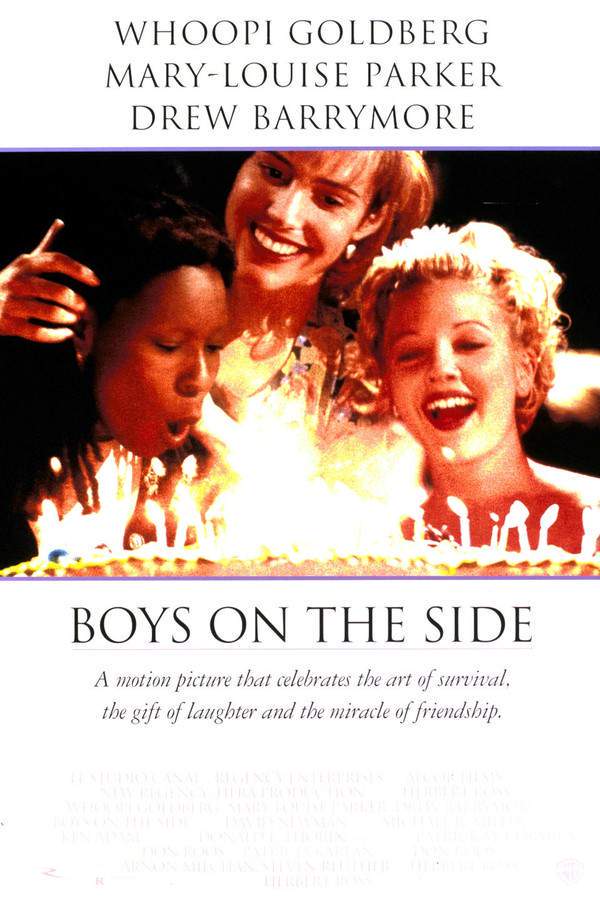
Boys on the Side
1995
Life Is Beautiful
1998
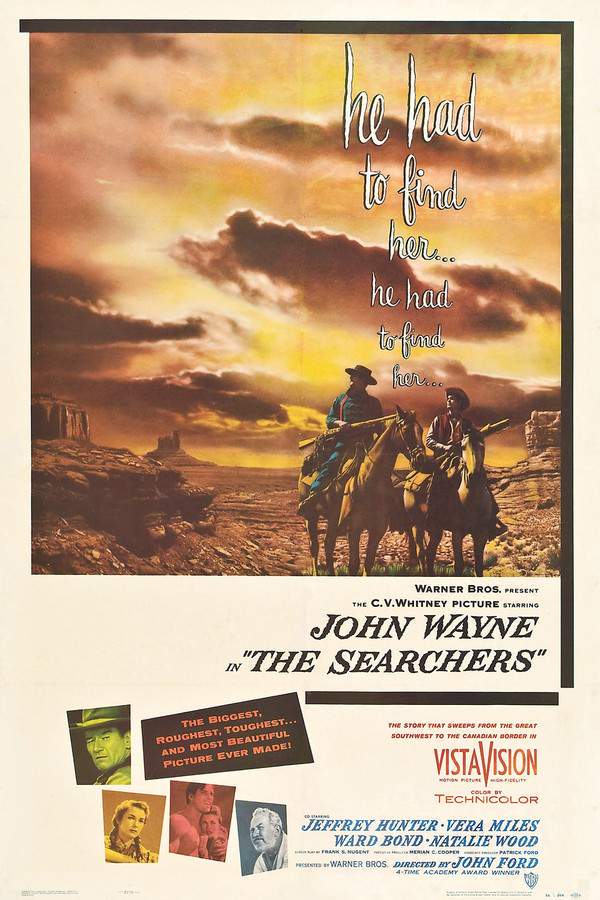
The Searchers
1956
Life Is Beautiful
2013
Life Is Beautiful
2000
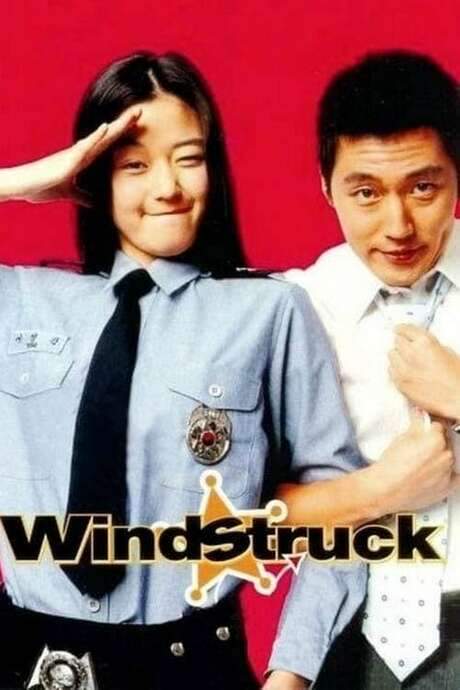
Windstruck
2004

Life Is a Miracle
2004

Plenty
1985

The World Changes
1933

The Search
1948

The Angel with the Trumpet
1950

Born to Be Bad
1934

Battle Cry
1955
Narrative Summary
The narrative pattern involves a clear two-act structure. The first act builds a world of love, humor, and beauty, making the audience deeply invested in the characters' happiness. The second act introduces a catastrophic event—war, illness, or societal collapse—that shatters this idyllic setting, forcing the characters to navigate survival and loss, with the memory of their earlier happiness haunting the present struggle.
Why These Movies?
These films are united by their specific emotional arc and pacing. They share a 'before and after' structure that creates a powerful contrast, amplifying the emotional weight of the tragedy by first making the audience fall in love with a world that is destined to be lost.
Unlock the Full Story of Life Is Beautiful
Don't stop at just watching - explore Life Is Beautiful in full detail. From the complete plot summary and scene-by-scene timeline to character breakdowns, thematic analysis, and a deep dive into the ending - every page helps you truly understand what Life Is Beautiful is all about. Plus, discover what's next after the movie.
Life Is Beautiful Summary
Read a complete plot summary of Life Is Beautiful, including all key story points, character arcs, and turning points. This in-depth recap is ideal for understanding the narrative structure or reviewing what happened in the movie.

Characters, Settings & Themes in Life Is Beautiful
Discover the characters, locations, and core themes that shape Life Is Beautiful. Get insights into symbolic elements, setting significance, and deeper narrative meaning - ideal for thematic analysis and movie breakdowns.


