Plot Explained Spoilers guaranteed!
Plot Explained

Browse by genre

Let Me Out (2012) movie poster

Timeline

Let Me Out (2012) Timeline Explained – Every Event in Order

Release, runtime and language
2012 · 97 mins · Korean
Directed by
Jae Soh, Chang-lae Kim
Starring
Park Hee-von, Kwon Hyun-sang

Mu-Young, a convenience store clerk and aspiring filmmaker, gets the opportunity to direct his first movie: a zombie melodrama. What begins as a dream project quickly devolves into a chaotic and disastrous shoot, with every possible problem arising. Struggling to survive the ordeal, he discovers the collaborative nature of filmmaking, realizing that success requires teamwork and support. It's a darkly comedic story for those with a passion for movies, romance, and the undead.

On this page (4)
  1. 1 Events in order (12)
  2. 2 Timeline questions answered
  3. 3 Movie threads
  4. 4 Every angle

12 events in order · contains spoilers

Let Me Out Timeline: Events in Chronological Order

Every key event of Let Me Out (2012) in order, scene by scene, with when and where it takes place. Use it to untangle flashbacks, time jumps and parallel storylines, to refresh your memory before the sequel or to find the exact scene you are thinking of.

  1. Q&A visit leads to sudden grant

    During a Q&A at the university, Mu-young mocks the famous indie director's latest work. The director fires back with a sharp rebuttal and then awards him a US$5,000 production grant. He challenges Mu-young to go out and actually shoot a decent film.

    When
    Q&A session
    Where
    University
  2. Unfinished screenplay prompts action

    Realizing his screenplay is unfinished and unprepared, Mu-young resolves to take action despite the lack of readiness. He scrambles to assemble a cast and crew to make his dream project a reality. The decision marks the start of a filming endeavor rather than continued theory.

    When
    After grant decision
    Where
    University / Production planning
  3. Casting Ah-young as the lead

    He casts Ah-young, the girl he loves, as the protagonist of a zombie melodrama. This choice anchors the emotional stakes of the project and tests his creative control. The casting move signals the transition from talk to production.

    When
    Pre-production
    Where
    Campus / Film set
  4. Ambitious zombie melodrama on the horizon

    Mu-young sets out to shoot his dream project, a zombie melodrama, signaling the beginning of production. The plan shifts from theoretical notes to real-world filmmaking demands. The choice of genre hints at ambitious but fragile goals.

    When
    Start of shoot
    Where
    Film set
  5. Diversely experienced cast and crew assembled

    He gathers a cast and crew with varying levels of experience, hoping some can compensate for his own inexperience. Tensions arise as different skill levels clash with his demands and vision. The team is formed with optimism undercut by practical uncertainty.

    When
    Early production
    Where
    Production locations
  6. On-set demands and impatience surface

    On set, Mu-young's inexperience, demands, and impatience push people to the edge. Relationships strain as schedules tighten and progress slows. The atmosphere grows unstable as early shoots struggle to gel.

    When
    Early days of shooting
    Where
    Film set
  7. Cast and locations prove elusive

    A string of obstacles hits production, from finding reliable actors to securing workable locations and funds. Delays pile up as logistics prove more challenging than expected. The project becomes harder to move forward with each hurdle.

    When
    During production
    Where
    Various locations
  8. A string of accidents and misfortunes

    The shoot endures accidents and misfortunes that compound the chaos. Equipment failures, missed cues, and conflicts escalate the sense that everything is spiraling out of control. Morale dips as the nightmare of the production unfolds.

    When
    Mid production
    Where
    On set
  9. The project spirals into a nightmare

    Everything that can go wrong seems to happen, turning the project into a nightmare on set. Tensions flare and the daily grind wears down everyone involved. The dream project begins to look unattainable.

    When
    Mid to late production
    Where
    Film set
  10. Reality sinks in: theory vs practice

    Mu-young begins to realize that the reality of filmmaking is far different from his theoretical knowledge. The work requires compromise, patience, and resilience he hadn’t anticipated. The experience also echoes the messy, challenging nature of love.

    When
    Late production
    Where
    On set
  11. Love and ambition collide

    His love for Ah-young adds pressure to manage professional and personal boundaries under mounting chaos. The pursuit of art collides with the stubbornness of ambition, testing both romance and resolve. The film’s chaos forces him to question whether passion alone is enough.

    When
    Late production
    Where
    On set
  12. End of shooting and hard lessons

    By the end of the production, Mu-young has learned a hard lesson: theory does not prepare you for practice, and love does not magically smooth the process. The experience leaves him with a clearer sense of filmmaking as craft that demands humility. The story closes on a note of hard-won insight rather than finished artistry.

    When
    End of production
    Where
    Film set / End location

Last updated: February 24, 2026 at 14:08

Was this helpful?

Timeline questions answered

Let Me Out Timeline Explained: Your Questions Answered

When does it happen, and why in that order? The questions people ask about the chronology of Let Me Out (2012): time jumps, flashbacks, cause and effect between scenes and the correct order of events, each answered with spoilers.

Q1

Why does the indie director give Mu-young the grant after he publicly criticizes his work?

The director recognizes Mu-young's sharp critical eye and theoretical knowledge as genuine talent. Rather than punishing his arrogance, the director challenges Mu-young to stop hiding behind criticism and actually prove himself by completing a film. The $5,000 grant is both a test and an opportunity, Mu-young talks the talk but has never actually finished a project, and the director wants to see if he can walk the walk.

Foreshadowing: Earlier in the Q&A, Mu-young accuses the director of making commercial, attention-seeking films, which prompts the director's sharper response.

  • indie director
  • production grant
  • criticism
  • opportunity
  • challenge
Q2

Why does Mu-young cast Ah-young as the lead actress when he has feelings for her?

Mu-young casts Ah-young because he wants to combine his creative vision with his personal emotions, he sees the zombie melodrama as a chance to create something emotionally meaningful while also having the person he loves at the center of his dream project. However, this decision blurs professional and personal boundaries, adding extra pressure and complexity to an already chaotic production.

Foreshadowing: The timeline notes that casting Ah-young signals the transition from talk to production, but also anchors emotional stakes that will be tested.

  • Ah-young
  • casting
  • love interest
  • lead role
  • emotional stakes
Q3

Why does the film production turn into such a chaotic nightmare?

The production collapses because Mu-young's theoretical knowledge doesn't prepare him for the practical realities of filmmaking. He has high expectations but lacks experience coordinating people, securing resources, and adapting when plans fail. The cast and crew have varying skill levels, communication breaks down, locations and funding prove difficult to secure, and his impatience pushes everyone to their limits. Essentially, every possible problem arises because he underestimated how much coordination and compromise filmmaking requires.

Foreshadowing: Early in production, Mu-young's demands and impatience surface, immediately straining relationships with the crew.

  • production disaster
  • chaos
  • filmmaking challenges
  • inexperience
  • crew problems
Q4

What does Mu-young learn by the end of the filmmaking ordeal?

Mu-young learns that theory alone doesn't prepare you for the messy reality of making movies. Directing requires patience, compromise, and the ability to coordinate people rather than simply executing a flawless vision. He also realizes that love doesn't magically smooth the production process, passion alone isn't enough. The experience teaches him humility and the importance of teamwork in turning a creative idea into something tangible.

Foreshadowing: The timeline notes that Mu-young begins to realize the gap between theory and practice during late production.

  • Mu-young
  • lessons learned
  • humility
  • teamwork
  • practice vs theory
Q5

Why does Mu-young choose to make a zombie melodrama for his first film?

Mu-young chooses a zombie melodrama because he envisions it as a bold, sweeping piece about love and survival in dire times. The genre allows him to combine his passion for cinema with emotional storytelling, zombies serve as an extreme setting to explore human connections under pressure. It's an ambitious choice that reflects his dreams of creating something meaningful, though the genre also sets up fragile expectations that the chaotic production cannot meet.

Foreshadowing: The timeline indicates the ambitious zombie melodrama signals the beginning of production with high hopes.

  • zombie melodrama
  • genre
  • ambition
  • love and survival
  • creative vision
Q6

How does Mu-young's theoretical knowledge clash with the reality of filmmaking?

Mu-young spends his time analyzing and criticizing others' work with sharp理论知识 but has never actually completed a film. When production begins, he discovers that directing involves coordinating people, bargaining for resources, and adapting when plans collapse, skills no amount of theory can teach. His impatience and high expectations clash with the messy, unpredictable nature of actual filmmaking, causing friction with cast and crew.

Foreshadowing: The meta notes confirm the story reveals the gap between theoretical knowledge and messy, unpredictable reality.

  • theory vs practice
  • film student
  • knowledge gap
  • directing
  • reality
Q7

What are the main challenges Mu-young faces during the film shoot?

Mu-young faces multiple interconnected challenges: casting decisions become contentious as personalities clash, finding reliable actors and workable locations proves difficult, funding runs tight, delays pile up, equipment fails, and miscommunication spreads. His inexperience shows as he struggles to balance his vision with practical demands. Each obstacle compounds the others, turning the dream project into a chaotic marathon that tests everyone's patience and commitment.

Foreshadowing: The timeline shows problems escalating from casting conflicts to a string of accidents and misfortunes.

  • production challenges
  • casting
  • locations
  • funding
  • delays
  • equipment
Q8

How does Mu-young's ambition conflict with his feelings for Ah-young during production?

Mu-young's love for Ah-young adds another layer of pressure to an already stressful production. He must manage professional boundaries while dealing with personal emotions, and the chaos of filmmaking tests both his romantic resolve and his creative ambition. The mounting pressure forces him to question whether passion alone, whether for filmmaking or for Ah-young, is enough to sustain the effort required. The story explores how stubborn ambition can complicate both art and love.

Foreshadowing: The timeline notes that late production shows love and ambition colliding as stress and fatigue creep in.

  • ambition
  • love
  • Ah-young
  • conflict
  • pressure
  • romance vs career
Q9

What character traits cause Mu-young to struggle as a first-time director?

Mu-young's sharp, know-it-all persona masks deep insecurities. He critiques others relentlessly but avoids actually making something himself. His impatience, high expectations, and stubbornness push cast and crew to their limits. He projects a flawless vision but lacks the flexibility to adapt when reality intrudes. These traits, arrogance combined with fear of failure, create friction that multiplies every production problem.

Foreshadowing: The summary establishes early that Mu-young hides behind theory and criticism rather than creating actual work.

  • Mu-young
  • personality
  • insecurity
  • arrogance
  • impatience
  • first-time director
Q10

Why is the $5,000 production grant a turning point in the story?

The $5,000 grant forces Mu-young out of his comfort zone. Before receiving it, he could hide behind theory and criticism, he had an unfinished screenplay collecting dust and never actually completed a film. The grant creates real pressure: he must now prove his worth by executing a full production. This moment transforms him from a passive critic into an active creator, setting the entire chaotic journey in motion.

Foreshadowing: The timeline shows the grant decision as the catalyst that marks the start of actual filming instead of continued theory.

  • production grant
  • money
  • turning point
  • action
  • film student
Q11

How do the cast and crew dynamics affect the film project?

Mu-young assembles a team with varying levels of experience, hoping some can compensate for his own inexperience. However, different skill levels clash with his demanding vision. Relationships strain as schedules tighten, progress slows, and stress builds. The crew faces delays, miscommunications, and a cascade of small disasters that wear everyone down. Despite the chaos, genuine moments of connection and ingenuity emerge as the crew tries to salvage something meaningful.

Foreshadowing: Early production notes that tensions arise as different skill levels clash with Mu-young's demands.

  • cast and crew
  • team dynamics
  • experience levels
  • tensions
  • collaboration

Movie threads

More Movies Like Let Me Out, by Mood & Story

Curated lists built around what makes Let Me Out tick: the same mood, the same kind of story or the same emotional payoff. Each list explains why these movies belong together.

Creative Process Chaos like in Let Me Out

When artistic ambitions collide disastrously with reality. If you enjoyed watching the filmmaking disaster unfold in Let Me Out, you'll love these movies about chaotic creative processes. Discover stories where artistic ambitions collide with reality in frustrating yet ultimately enlightening ways.

  • satirical
  • frustrating
  • chaotic
  • hopeful
  • cathartic
  • workplace comedy
  • Tone: frustrating, satirical, cathartic
  • Pacing: steady, problem-driven
Why these movies?

The story pattern: These narratives typically follow a passionate creator whose ambitious project quickly spirals into chaos due to practical obstacles, personality clashes, and technical disasters. The journey involves frustration, adaptation, and eventual growth as the protagonist learns to collaborate or accept imperfection.

Why they belong together: They share a satirical yet hopeful tone about artistic creation, combining workplace comedy with genuine character development. The pacing remains steady as problems accumulate linearly, leading to cathartic resolutions about the nature of collaboration.

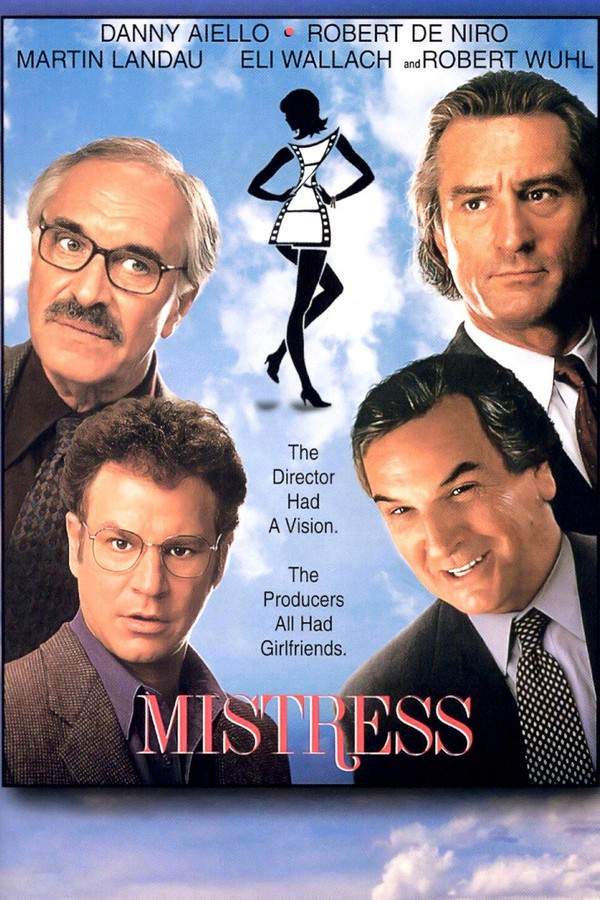
Arrogance to Humility Journeys like in Let Me Out

Characters who learn teamwork through spectacular failure. If you appreciated Mu-Young's transformation from arrogant director to collaborative filmmaker in Let Me Out, you'll enjoy these movies about characters learning humility through creative or professional failure.

  • coming of age
  • reflective
  • hopeful
  • character growth
  • workplace lessons
  • collaboration
  • Tone: bittersweet, reflective, hopeful
  • Pacing: steady character progression
Why these movies?

The story pattern: The pattern follows an overconfident protagonist who believes they can succeed alone. When their project inevitably collapses under the weight of their arrogance, they're forced to accept help and recognize the importance of teamwork, leading to genuine personal growth.

Why they belong together: They combine workplace comedy with authentic coming-of-age elements, showing how failure can be more educational than success. The bittersweet tone balances the frustration of disaster with the satisfaction of meaningful character development.

Every angle

Let Me Out (2012) Explained: Plot, Timeline & Characters

Everything about Let Me Out in one place: what happens in the plot summary, the timeline in chronological order, the characters and meaning and a spoiler-free summary. What's After the Movie adds the cast, box office and post-credit scenes.

Coming soon on iOS and Android

The Plot Explained Movie Summary App

Plot summaries, endings explained and timelines on your phone. Catch up on any movie in minutes, save your favorites and never miss a twist again.

Be the first to know when we launch. Your email stays private, always.

Learn more about the app