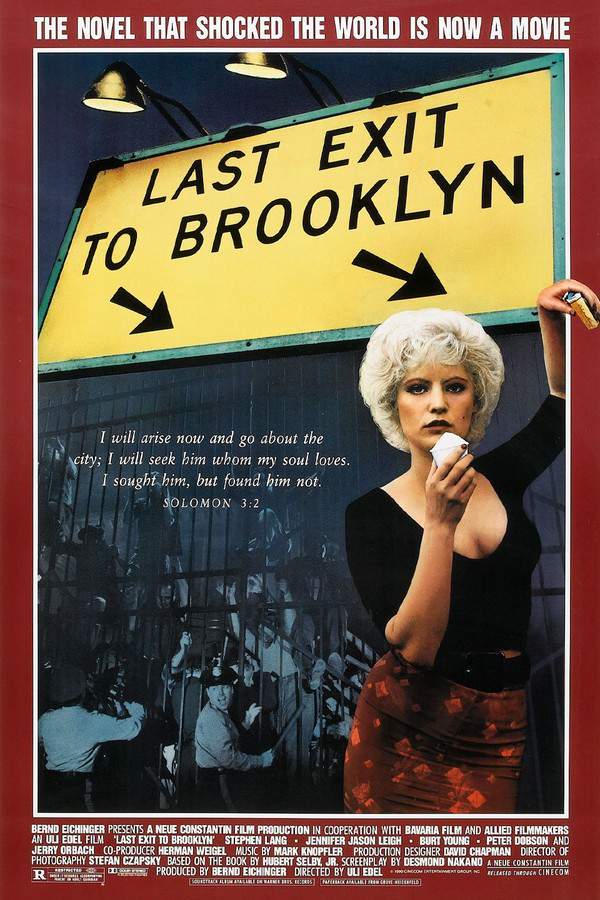
In the summer of 1952, the streets of Brooklyn pulse with the clang of picket signs and the low hum of a city still bruised by post‑war adjustments. A protracted factory strike dominates the neighborhood, turning sidewalks into stages where hope, desperation, and solidarity collide. The film’s visual language is unapologetically gritty—smog‑clouded skylines, cramped tenements, and dimly lit dockside bars—all rendered in a palette that feels both historic and startlingly immediate. Within this lived‑in world, personal survival and collective struggle are inseparable, lending the story a raw, almost documentary edge that never shies away from the era’s social strictures.
At the heart of the labor unrest is Harry Black, a shop steward who has risen to the role of strike secretary. He revels in the authority the position grants, yet it also shields him from the secret life he maintains at home, where his marriage masks a hidden sexuality. Harry’s internal conflict mirrors the external tension of the picket line, making his navigation of duty and desire a quiet undercurrent that drives much of the film’s emotional heft.
Intersecting the factory’s narrative are the lives of those perched on the margins of respectability. Tralala works the night‑shift streets, offering companionship to sailors while contending with a world that exploits her vulnerability. Georgette, a young transgender woman, moves through the same circles, harboring her own quiet longings. Meanwhile, Big Joe wrestles with a family crisis when his daughter becomes pregnant, a situation that draws in Tommy, a free‑spirited motorcycle‑riding worker whose charisma both eases and complicates the familial strain. These characters orbit the strike, each carrying personal burdens that echo the larger fight for dignity.
Together, the ensemble paints a portrait of a community caught between the promise of collective action and the harsh realities of individual need. The film’s tone remains unflinching yet empathetic, inviting the audience to feel the weight of every whispered fear and hopeful resolve. As Brooklyn’s streets reverberate with chants and quiet conversations, the story suggests that true solidarity is always a fragile, contested bargain—one that tests the limits of loyalty, love, and the courage to be seen.































-BWLBvsOkcVv1og.jpg)