Year: 1994
Runtime: 100 mins
Language: English
Director: Frank Pierson
Mary Crow Dog, raised in a destitute Lakota family on the Pine Ridge Reservation in South Dakota, becomes drawn into the 1960s protest movement. Witnessing systemic oppression, she joins her people’s fight for sovereignty, culminating in the 1973 armed standoff at Wounded Knee, the site of the 1890 massacre.
Get a spoiler-free look at Lakota Woman: Siege at Wounded Knee (1994) with a clear plot overview that covers the setting, main characters, and story premise—without revealing key twists or the ending. Perfect for deciding if this film is your next watch.
In the stark yet beautiful landscape of the Pine Ridge Reservation, a young Mary Crow Dog learns to navigate the contrast between ancient Lakota traditions and the harsh realities of modern life. The film breathes the rhythms of the land—wind over the plains, drums echoing at dusk—and embeds the viewer in a community where stories of the 1890 massacre linger as a quiet, unspoken weight. From the outset, the world feels both intimate and oppressive, its beauty shadowed by the systemic neglect that the residents endure daily.
Guided by her grandfather, Fool Bull, Mary receives the oral histories that keep her people’s identity alive, even as external forces push toward assimilation. A transfer to the rigid St. Tristan Boarding School puts her language and customs under siege, and the stark walls of the institution become a crucible for her emerging sense of self. Alongside her sister Barbra, she confronts a curriculum designed to erase her heritage, planting the first seeds of defiance that will later drive her onward.
After her sister’s departure, Mary’s path is steered by a mix of personal loss and unexpected allies. A determined aunt, Aunt Elsie Flood, and a brief encounter with a stranger named Webster offer fleeting moments of solidarity, while the wider world whispers of injustice through underground pamphlets and the voices of other activists. These interactions pull her toward the American Indian Movement, where she meets figures like Carter Camp who embody a fierce, collective yearning for sovereignty.
The narrative builds toward a pivotal moment in the early 1970s, when the growing resistance coalesces around a historic site—Wounded Knee. The film’s tone balances quiet contemplation with an undercurrent of rising tension, suggesting that Mary’s personal journey is on the cusp of merging with a larger, daring stand against decades of oppression, all while preserving the resilience and hope that have defined her community for generations.
Last Updated: November 25, 2025 at 15:16
Discover curated groups of movies connected by mood, themes, and story style. Browse collections built around emotion, atmosphere, and narrative focus to easily find films that match what you feel like watching right now.
Films about marginalized groups rising up against powerful, oppressive systems.If you were moved by the powerful resistance in Lakota Woman: Siege at Wounded Knee, explore more movies like it. This list features stories of marginalized groups fighting back against oppression, capturing similar themes of civil rights, political protest, and resilient hope in the face of overwhelming odds.
The narrative pattern follows a protagonist or community awakening to profound injustice. This realization sparks a journey from passive suffering to organized, often public, resistance. The conflict escalates to a direct confrontation with the oppressive power, creating a central, high-stakes event. The journey is defined by sacrifice, solidarity, and the moral imperative to fight, regardless of the immediate outcome.
Movies are grouped here because they share a core focus on resistance as a response to systemic wrongs. They create a similar viewing experience through a dark, tense tone, high emotional weight, and a steady pacing that builds towards a climactic standoff. The shared mood is a mix of the somber reality of oppression and the urgent, defiant spirit of those who challenge it.

Character-driven journeys from personal struggle to collective political action.For viewers who appreciated the personal transformation in Lakota Woman: Siege at Wounded Knee, this collection highlights similar character-driven dramas. Discover films where a protagonist's coming-of-age story intersects with a major political movement, leading to a bittersweet but meaningful conclusion.
The narrative follows a linear, often biographical, arc that traces a character's life as they encounter injustice. A pivotal moment shifts their perspective from individual survival to collective identity and action. Their personal maturation is measured by their increasing involvement in a cause larger than themselves. The story concludes not with a clean victory, but with a hard-won sense of purpose and belonging, acknowledging the sacrifices made.
These movies are connected by a specific character arc that blends personal development with political activism. They share a steady, chronological pacing that allows the audience to grow with the protagonist. The tone is consistently somber and gritty, yet punctuated by moments of defiant hope. The emotional journey is heavy, culminating in a bittersweet ending that validates the struggle without sugarcoating the loss.
Don't stop at just watching — explore Lakota Woman: Siege at Wounded Knee in full detail. From the complete plot summary and scene-by-scene timeline to character breakdowns, thematic analysis, and a deep dive into the ending — every page helps you truly understand what Lakota Woman: Siege at Wounded Knee is all about. Plus, discover what's next after the movie.
Read a complete plot summary of Lakota Woman: Siege at Wounded Knee, including all key story points, character arcs, and turning points. This in-depth recap is ideal for understanding the narrative structure or reviewing what happened in the movie.
Track the full timeline of Lakota Woman: Siege at Wounded Knee with every major event arranged chronologically. Perfect for decoding non-linear storytelling, flashbacks, or parallel narratives with a clear scene-by-scene breakdown.
Discover the characters, locations, and core themes that shape Lakota Woman: Siege at Wounded Knee. Get insights into symbolic elements, setting significance, and deeper narrative meaning — ideal for thematic analysis and movie breakdowns.
Visit What's After the Movie to explore more about Lakota Woman: Siege at Wounded Knee: box office results, cast and crew info, production details, post-credit scenes, and external links — all in one place for movie fans and researchers.
Discover movies like Lakota Woman: Siege at Wounded Knee that share similar genres, themes, and storytelling elements. Whether you’re drawn to the atmosphere, character arcs, or plot structure, these curated recommendations will help you explore more films you’ll love.
Lakota Woman: Siege at Wounded Knee (1994) Scene-by-Scene Movie Timeline
Lakota Woman: Siege at Wounded Knee (1994) Movie Characters, Themes & Settings
Lakota Woman: Siege at Wounded Knee (1994) Spoiler-Free Summary & Key Flow
Movies Like Lakota Woman: Siege at Wounded Knee – Similar Titles You’ll Enjoy
Lakota Nation vs. United States (2023) Spoiler-Packed Plot Recap
Woman Walks Ahead (2018) Full Summary & Key Details
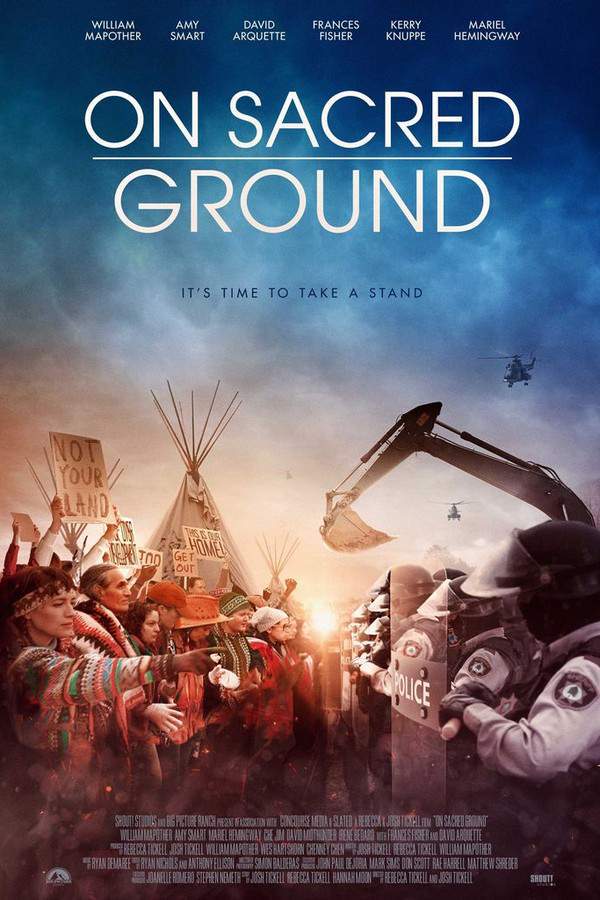
On Sacred Ground (2023) Spoiler-Packed Plot Recap
Bury My Heart at Wounded Knee (2007) Story Summary & Characters
Son of the Morning Star (1000) Story Summary & Characters
The Legend of Walks Far Woman (1980) Ending Explained & Film Insights
Powwow Highway (1989) Detailed Story Recap
Battle of Little Bighorn (2020) Film Overview & Timeline
Sioux City (1994) Complete Plot Breakdown
Cheyenne Warrior (1994) Ending Explained & Film Insights
The Great Sioux Uprising (1953) Film Overview & Timeline
The Great Sioux Massacre (1965) Plot Summary & Ending Explained
Stolen Women, Captured Hearts (1997) Spoiler-Packed Plot Recap
UnBowed (1999) Full Summary & Key Details
Chief Crazy Horse (1955) Ending Explained & Film Insights