






Plot Explained Spoilers guaranteed!
Plot Explained

Browse by genre

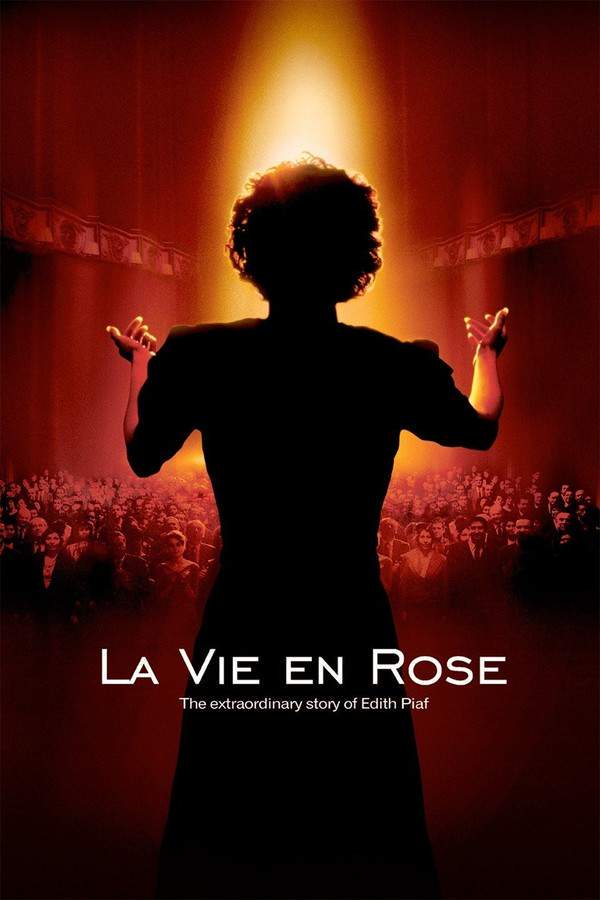
La Vie en Rose (2007) movie poster

Timeline

La Vie en Rose (2007) Timeline Explained – Every Event in Order

Release, runtime and language
2007 · 140 min · French (france)
JustWatch #21,750 2
Directed by
Olivier Dahan
Starring
Marion Cotillard, Sylvie Testud
Budget
$25M

Born in poverty and raised in difficult circumstances, Edith Piaf rises from the streets of Paris to become France's most iconic singer. With the help of composer Louis Leplee, she overcomes crippling shyness and finds fame in the Parisian music scene. The film explores Piaf's extraordinary journey, highlighting her fierce determination and the profound impact of her unforgettable voice on the 20th century.

On this page (6)
  1. 1 Where to watch
  2. 2 Events in order (15)
  3. 3 Timeline questions answered
  4. 4 Movie threads
  5. 5 Movies like La Vie en Rose
  6. 6 Every angle

Where to watch

Where to Watch La Vie en Rose (2007)

Where can you watch La Vie en Rose? Stream, rent or buy it in the US, including on YouTube TV, Amazon Video and Apple TV Store: current JustWatch availability with up-to-date prices.

Streaming availability powered by JustWatch

15 events in order · contains spoilers

La Vie en Rose Timeline: Events in Chronological Order

Every key event of La Vie en Rose (2007) in order, scene by scene, with when and where it takes place. Use it to untangle flashbacks, time jumps and parallel storylines, to refresh your memory before the sequel or to find the exact scene you are thinking of.

  1. Édith's Childhood Begins

    In 1918, young Édith Piaf begins her tumultuous journey living with her paternal grandmother in Normandy. Her grandmother's brothel serves as her first introduction to the harsh realities of life, shaping the resilience within her.

    When
    1918
    Where
    Normandy
  2. Temporary Blindness

    During her childhood, Édith suffers from temporary blindness caused by keratitis, adding to the challenges of her early years. Despite the struggles, she finds support from a kind-hearted sex worker named Titine, who helps guide her through this difficult time.

  3. Father's Attempt to Reclaim Édith

    Édith's father, a World War I veteran, attempts to reclaim her from their nomadic lifestyle as a circus acrobat. During a captivating fire-eater performance, Édith has a transformative experience, catching a glimpse of St. Thérèse that solidifies her aspirations.

    Where
    Circus
  4. Singing in Paris Streets

    At the age of nine, after her father leaves the circus, Édith finds herself on the streets of Paris. During a lackluster performance by her father, she spontaneously sings 'La Marseillaise,' captivating the onlookers and discovering her love for music.

    Where
    Paris
  5. Launch of Piaf's Career

    Years later, Édith gains her stage name 'Piaf' and is taken under the wing of nightclub owner Louis Leplée. Her petite stature becomes part of her identity as she begins to carve out her place in the music world.

    Where
    Nightclub
  6. Murder of Louis Leplée

    Tragedy strikes when her mentor, Louis Leplée, is murdered, casting a shadow over Édith's burgeoning career. The event brings rumors of mafia connections floating around her name, challenging her to rise above the speculation.

  7. Regaining Stage Presence

    After a humiliating experience with a hostile crowd, Édith seeks solace from Raymond Asso. He works diligently with her to restore her confidence and discipline, ultimately rekindling her passion for performance.

  8. Love with Marcel Cerdan

    In New York City, Édith encounters Marcel Cerdan, a charming French boxer, and their romance flourishes. Their love deepens as the song 'La Vie En Rose' becomes synonymous with their relationship, symbolizing happiness amidst turbulence.

    Where
    New York City
  9. Tragic Plane Crash

    The joy of Édith and Marcel's romance is shattered when his plane crashes, leaving her heartbroken. This devastating loss profoundly affects her, marking a dark chapter in her life.

  10. Battling Personal Demons

    As the years progress, Édith grapples with arthritis and a growing morphine addiction. Her husband, Jacques Pills, encourages her to pursue recovery, leading to fleeting moments of joy as they adventure in California.

    Where
    California
  11. Conflict at Olympia

    In her later years, Édith faces doubts from her team about her ability to perform at the prestigious Olympia. However, the heartfelt song 'Non, je ne regrette rien' brings her unexpected joy and determination.

    Where
    Olympia
  12. Final Performance Preparations

    As she readies herself for her last performance, Édith requests her cherished cross necklace, a symbol of her enduring faith. A reflective moment allows her to remember significant memories that have shaped her life.

  13. Stepping onto the Stage

    With her cross necklace around her neck, Édith steps onto the stage for the final time. She leads the audience through poignant flashbacks that highlight her youthful spirit and the vibrant passion that once defined her career.

    Where
    Stage
  14. Reflections in Her Final Hours

    In the twilight of her life, Édith reflects on her childhood and the memories of her mother and lost child, Marcelle. As she recalls her iconic performances, she comes to terms with the bittersweet nature of her life.

  15. Legacy of Édith Piaf

    Ultimately, Édith Piaf’s life resonates as a tale of triumph and tragedy. Her music and the emotions attached to her performances leave a profound legacy, demonstrating the extraordinary journey of a woman who lived deeply and loved fiercely.

Last updated: November 22, 2024 at 16:27

Was this helpful?

Timeline questions answered

La Vie en Rose Timeline Explained: Your Questions Answered

When does it happen, and why in that order? The questions people ask about the chronology of La Vie en Rose (2007): time jumps, flashbacks, cause and effect between scenes and the correct order of events, each answered with spoilers.

Q1

Why was Édith given the stage name Piaf?

Louis Leplée, the nightclub owner who discovered her, gave her the stage name 'Piaf' (French for sparrow) because of her petite stature of 1.47 meters (4 feet 8 inches). The name became synonymous with her small frame and big voice, eventually defining her identity as an artist.

  • piaf name origin
  • louis leplee
  • stage name
  • edith piaf height
Q2

How did Marcel Cerdan die and why did it devastate Édith?

Marcel Cerdan, Édith's great love and a famous French boxer, died in a plane crash while flying to New York to see her. This tragic loss in 1949 shattered her emotionally and deepened her struggles with addiction, becoming one of the most devastating moments in her life.

Foreshadowing: The film establishes 'La Vie En Rose' as the song symbolizing their romance, making the tragedy more poignant.

  • marcel cerdan death
  • plane crash
  • edith piaf lover
  • tragic love story
Q3

Why was Édith Piaf linked to the mafia after Louis Leplée's murder?

When Louis Leplée was murdered in 1934, rumors circulated linking Édith to the mafia because of her association with him and the underworld connections that frequented his nightclub. Though never implicated directly, these rumors cast a shadow over her early career and contributed to her humiliation when performing publicly.

  • louis leplee murder
  • mafia rumors
  • edith piaf scandal
Q4

What was the significance of the cross necklace Édith requested before her final performance?

The cross necklace represented Édith's enduring Catholic faith and deep connection to her childhood experience of seeing a vision of St. Thérèse during a circus fire-eater performance. When she requested it before her last concert at the Olympia, she was reaffirming the spiritual foundation that had guided her throughout her extraordinary journey.

Foreshadowing: The film earlier shows her transformative vision of St. Thérèse, establishing faith as a recurring element in her life.

  • cross necklace
  • faith
  • st therese
  • final performance
  • olympia
Q5

Why did Édith Piaf struggle with morphine addiction?

Édith developed a morphine addiction following the traumatic murder of her mentor Louis Leplée and the subsequent hostile crowds she faced. The addiction worsened after the devastating death of Marcel Cerdan. Her husband Jacques Pills encouraged her to seek recovery, leading to periods of struggle and temporary sobriety throughout her later years.

  • morphine addiction
  • jacques pills
  • recovery
  • edith piaf struggle
Q6

What caused Édith's temporary blindness as a child?

Édith suffered from keratitis as a child, which caused temporary blindness. During this difficult period, a sex worker named Titine at her grandmother's brothel in Normandy showed her kindness and guided her through the struggle, providing one of the few stable supports in her difficult childhood.

  • keratitis
  • childhood blindness
  • titine
  • normandy
Q7

Who was Marcelle and why does Édith think about her near the end?

Marcelle was Édith's daughter, who died in childhood. In her final hours, Édith reflected on this profound loss alongside memories of her mother, showing how the tragedies of her past continued to haunt her throughout her life. The loss of Marcelle represented another in a series of devastating personal tragedies that shaped her emotional depth.

  • marcelle
  • daughter
  • child loss
  • edith piaf family
Q8

What was the vision of St. Thérèse that Édith experienced at the circus?

While watching a fire-eater perform at the circus as a child, Édith experienced a transformative vision of St. Thérèse. This mystical moment, witnessed during her father's circus acrobat days, planted the seeds of spiritual conviction within her and became a defining experience that shaped her future aspirations and deep faith.

Foreshadowing: This vision directly connects to her later request for the cross necklace before her final performance.

  • st therese
  • vision
  • circus
  • fire eater
  • childhood experience
Q9

Why did nine-year-old Édith sing 'La Marseillaise' on the streets of Paris?

When Édith was nine, her father had left the circus and they were struggling on the streets of Paris. During one of his failed performances, a bystander asked if she was part of the act. In response, she spontaneously sang 'La Marseillaise' with raw emotion, captivating the crowd and discovering her extraordinary vocal talent that would define her life.

  • la marseillaise
  • street singing
  • paris
  • child performer
  • talent discovery
Q10

Why was Édith's performance at the Olympia important in her later years?

In her later years, Édith's own team doubted her capability to perform at the prestigious Olympia theater in Paris. However, when presented with the song 'Non, je ne regrette rien' by Charles Dumont and Michel Vaucaire, she found renewed joy and determination, deciding to perform it as her final concert, a triumphant conclusion to her career despite her declining health.

  • olympia
  • non je ne regrette rien
  • final concert
  • charles dumont
Q11

Why did young Édith live with her grandmother in Normandy?

In 1918, Édith's mother, a circus acrobat, was unable to care for her, so her father, a World War I veteran, placed young Édith with her paternal grandmother in Normandy. Her grandmother operated a brothel, exposing Édith to the harsh realities of life from an early age and shaping the resilience that would define her later success.

  • normandy
  • grandmother
  • brothel
  • childhood poverty
Q12

How did Raymond Asso help Édith regain her career after humiliation?

After the traumatic murder of Louis Leplée and facing humiliation from hostile crowds during performances, Édith's confidence shattered. Raymond Asso, a songwriter and supporter, worked diligently with her to restore her stage presence through discipline and mentorship, helping her rebuild her career and rediscover her passion for performing.

  • raymond asso
  • career recovery
  • stage presence
  • mentor

Movie threads

More Movies Like La Vie en Rose, by Mood & Story

Curated lists built around what makes La Vie en Rose tick: the same mood, the same kind of story or the same emotional payoff. Each list explains why these movies belong together.

Bittersweet biographical dramas like La Vie en Rose

Raw, sweeping journeys through the triumphs and tragedies of iconic artists. If you were moved by the tragic yet triumphant story of Edith Piaf in La Vie en Rose, explore other movies like it. This collection features emotionally heavy biographical dramas about iconic artists, musicians, and writers, focusing on their rise to fame amid personal tragedy and bittersweet endings.

  • biographical
  • tragic
  • melancholic
  • resilient
  • somber
  • nostalgic
  • Tone: bittersweet, tragic, melancholic
  • Pacing: variable, sprawling
Why these movies?

The story pattern: These narratives often follow a rise-to-fame arc intertwined with a fall-from-grace, exploring how immense talent is frequently shadowed by personal demons, addiction, loss, or illness. The structure may be non-linear, contrasting moments of peak glory with periods of deep despair to emphasize the bittersweet nature of a life lived intensely.

Why they belong together: Movies are grouped here for their shared focus on iconic real-life figures, their emotionally devastating yet triumphant tone, and their complex exploration of the price of genius. They resonate with viewers seeking profound, character-driven stories that don't shy away from harsh realities.


Emotionally heavy stories of survival like La Vie en Rose

Stories where characters overcome immense hardship, bearing deep emotional scars. For viewers who appreciated the heavy emotional weight and resilient spirit in La Vie en Rose, this section features similar movies about overcoming adversity. These films share a bittersweet tone, high intensity, and focus on characters surviving poverty, grief, and illness, ultimately telling stories of fierce determination.

  • desperate
  • resilient
  • somber
  • gritty
  • tragic
  • uplifting
  • Tone: bittersweet, bleak, desperate
  • Pacing: variable, deliberate
Why these movies?

The story pattern: The narrative pattern involves a protagonist facing a cascade of adversities, from a difficult childhood to adult tragedies. Their journey is not about easy victories but about gritty survival, where every triumph is hard-won and tempered by loss. The ending is rarely purely happy, instead acknowledging the scars and strength gained through struggle.

Why they belong together: These films are connected by their heavy emotional weight, high intensity, and core theme of resilience in the face of overwhelming odds. They appeal to audiences seeking cathartic, deeply moving stories that explore the darker sides of life while still finding glimmers of hope and human fortitude.

If you liked this

Movies Like La Vie en Rose

Similar movies to La Vie en Rose: the same genre, themes or kind of story. Each one comes with its own plot summary, timeline and ending explained.

Browse all movie summaries

Every angle

La Vie en Rose (2007) Explained: Plot, Timeline & Characters

Everything about La Vie en Rose in one place: what happens in the plot summary, the timeline in chronological order, the characters and meaning and a spoiler-free summary. What's After the Movie adds the cast, box office and post-credit scenes.

Coming soon on iOS and Android

The Plot Explained Movie Summary App

Plot summaries, endings explained and timelines on your phone. Catch up on any movie in minutes, save your favorites and never miss a twist again.

Be the first to know when we launch. Your email stays private, always.

Learn more about the app