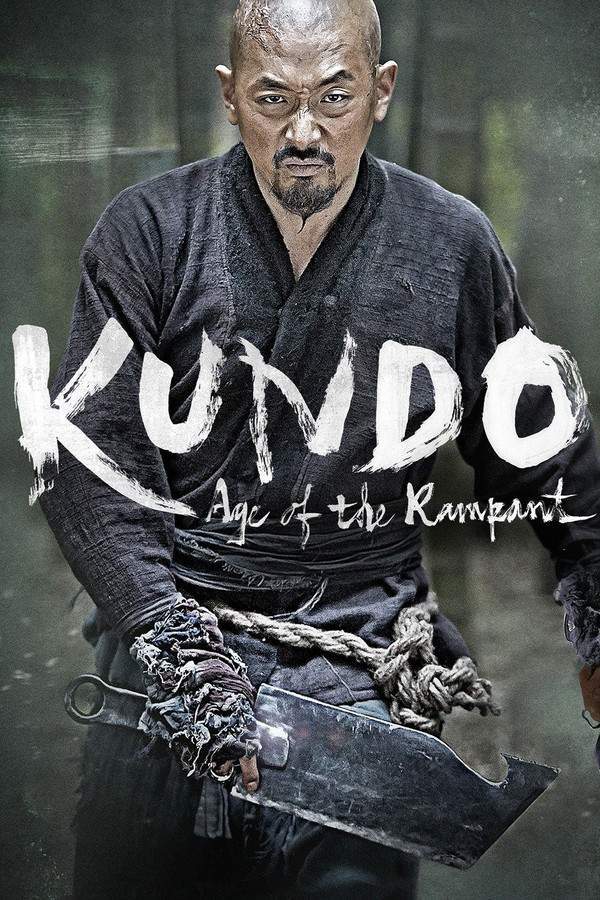
During a turbulent period in 1859 Joseon, a group of outlaws known as Kundo fight against the corrupt nobility who exploit the impoverished masses. This band of thieves steals from the rich to aid the poor, challenging the rigid social hierarchy. Simultaneously, one man embarks on a quest for vengeance against the nobleman responsible for the destruction of his family and the loss of his former life. Their actions spark a violent conflict with far-reaching consequences.
Find where to stream, rent, or buy Kundo: Age of the Rampant (2014) in the US with current JustWatch availability, up-to-date pricing, and platform listings for subscription, rental, and digital purchase options.
Warning: spoilers below!
Haven’t seen Kundo: Age of the Rampant yet? This summary contains major spoilers. Bookmark the page, watch the movie, and come back for the full breakdown. If you're ready, scroll on and relive the story!
Explore the full timeline and setting of Kundo: Age of the Rampant (2014). Follow every major event in chronological order and see how the environment shapes the story, characters, and dramatic tension.
Last updated: October 22, 2024 at 22:12
Meet the key characters of Kundo: Age of the Rampant (2014), with detailed profiles, motivations, and roles in the plot. Understand their emotional journeys and what they reveal about the film’s deeper themes.
Last updated: October 22, 2024 at 22:12
Explore the central themes of Kundo: Age of the Rampant (2014), from psychological, social, and emotional dimensions to philosophical messages. Understand what the film is really saying beneath the surface.
Last updated: October 22, 2024 at 22:12
Browse frequently asked questions about Kundo: Age of the Rampant (2014) focused on characters, relationships, themes, symbols, setting, and story context. This movie info FAQ gives spoiler-aware explanations for character arcs, world details, and thematic interpretation so readers can better understand what the film is really about.
The film takes place in Naju, a historical region in Korea known for its agrarian landscape. Naju represents the heart of the tumultuous events during the late Joseon dynasty and serves as a focal point for resistance against tyrannical rule.
The movie is set in 1862, during the late Joseon dynasty. This period was marked by significant turmoil following catastrophic natural disasters and economic instability, leading to widespread suffering under the oppressive rule of the aristocracy.
Rebellion is a central theme depicting the fight against oppressive systems. The Kundo group, a band of thieves, redistribute wealth from the rich to aid the poor, challenging the rigid social hierarchy. Characters are driven by a sincere desire for equality and the liberation of the oppressed.
Honor creates vital moral dilemmas for characters, particularly Dol Mo-chi, who struggles between completing a hit job or maintaining his integrity. The film explores how personal honor can influence both individual choices and collective revolutionary actions.
Legacy is explored through characters like Joo Yoon, whose complicated familial heritage shapes his actions. The protection of innocent lives and hope for a better future emphasize how the past influences the next generation's ideals and motivations.
Dol Mo-chi begins as a humble butcher torn between moral choices and survival instincts. When he spares the life of an intended victim, it reflects his deep moral compass. He transforms from an ordinary man into a bandit leader who protects the vulnerable, becoming a symbol of resistance against the corrupt nobility.
Joo Yoon is the film's complex antagonist, shaped by his traumatic past and ambition for power and recognition. With his cunning nature and martial arts prowess, he manipulates the masses while harboring a personal vendetta. He embodies the moral decay within the ruling class and ultimately meets a downfall.
The Kundo are a group of outlaws who steal from the rich to aid the poor. They represent the impoverished masses rising against the corrupt nobility who exploit them. Their actions spark a violent conflict with far-reaching consequences across the region.
In 1862, Korea faced catastrophic natural disasters and economic instability. The oppressive rule of the aristocracy led to widespread suffering among the common people, giving rise to resistance movements and rebellion against the ruling elite.
Discover curated groups of movies connected by mood, themes, and story style. Browse collections built around emotion, atmosphere, and narrative focus to easily find films that match what you feel like watching right now.
Stories where systemic oppression is met with violent, cathartic revolt.For viewers seeking movies like Kundo: Age of the Rampant, this thread collects historical and period action dramas where a downtrodden group fights back against a corrupt ruling class. These films share a theme of cathartic violence, high-stakes resistance, and a heavy emotional weight stemming from the brutal cost of freedom.
These narratives typically begin with a state of intense, unjust oppression, which galvanizes a group of protagonists—often outcasts or common folk—into forming a resistance. The plot is driven by a series of escalating confrontations, raids, and battles, leading to a violent climax where the old order is challenged, resulting in a hard-won but hopeful victory.
They are grouped by their core emotional drive: turning righteous anger into action. They share a dark tone due to the harsh realities depicted, but balance it with a cathartic, fast-paced intensity and a final feeling of hopeful justice, making the heavy emotional journey feel worthwhile.

Bonds forged in violence create a new family for outcasts and rebels.If you liked the theme of the Kundo band in Kundo: Age of the Rampant, this list features movies with similar 'found family' dynamics. These films focus on groups of outlaws, rebels, or soldiers who become a close-knit unit, offering a powerful sense of loyalty and belonging amidst a dark and violent backdrop.
The narrative pattern follows a protagonist, often isolated by trauma or loss, who is reluctantly integrated into a group of outsiders. Through shared missions and hardships, this group evolves from a mere alliance into a deep, familial bond. Their collective strength becomes their greatest weapon against overwhelming odds, with the survival of the 'family' being as important as the central conflict.
These movies are united by the powerful emotional core of 'found family'. Despite a dark tone and high intensity, they provide a sense of warmth and loyalty that counterbalances the brutality. The pacing is often fast, driven by the group's actions, and the emotional weight is heavy due to the stakes involved in protecting their new bonds.
Don't stop at just watching - explore Kundo: Age of the Rampant in full detail. From the complete plot summary and scene-by-scene timeline to character breakdowns, thematic analysis, and a deep dive into the ending - every page helps you truly understand what Kundo: Age of the Rampant is all about. Plus, discover what's next after the movie.
Read a complete plot summary of Kundo: Age of the Rampant, including all key story points, character arcs, and turning points. This in-depth recap is ideal for understanding the narrative structure or reviewing what happened in the movie.
Track the full timeline of Kundo: Age of the Rampant with every major event arranged chronologically. Perfect for decoding non-linear storytelling, flashbacks, or parallel narratives with a clear scene-by-scene breakdown.