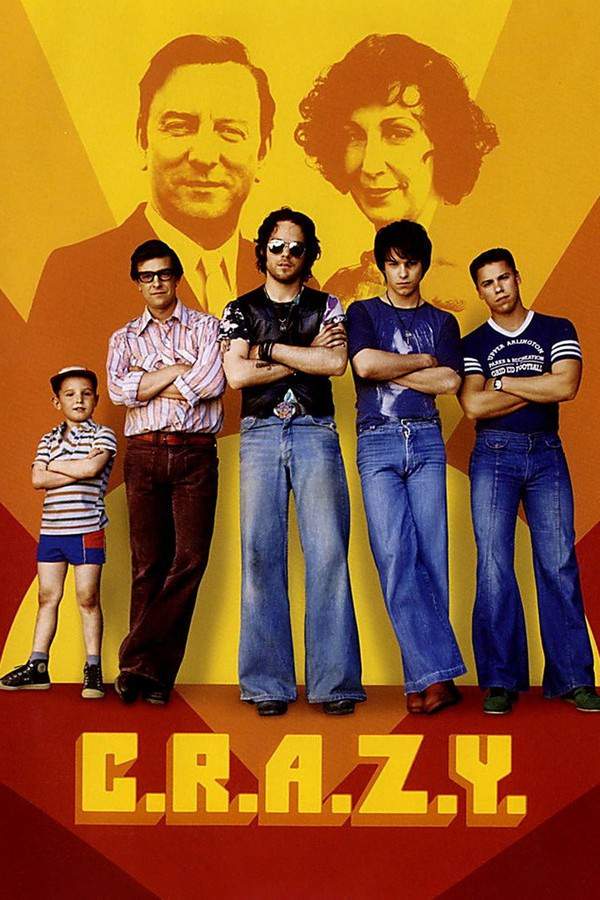
Taylor Ogburn, Nick Robinson, is an 18-year-old who lives with PAT, a persistent arrhythmia, in the rural South where his family’s creativity shapes every corner of their lives: his brother Campbell Campbell Ogburn is an artist, his father Wyatt Wyatt Ogburn is a writer, and his mother Poppy Poppy Ogburn is a poet. This is a world where art and emotion mingle, and where Taylor’s condition quietly shadows even ordinary moments, turning them into potential crises he must navigate with caution and care.
In a haunting flashback, we glimpse Taylor as a boy during his first PAT attack: he’s running with his dog when a man driving a car strikes him, and he collapses beside the vehicle, fragile and frightened. A second episode follows soon after, sparked by a troubling image of a cartoon devil in a girlie magazine that mirrors the man who hit his dog. The fear erupts into a full-blown panic, tearing through the house as Taylor screams that the devil has taken residence in the attic. His father, Wyatt, rationalizes the episode by weaving in his bookish philosophy about redemption through prayer and meditation, a belief that shapes the family’s approach to danger. From that day forward, Taylor is shielded from anything that might trigger another attack, and the idea of college becomes a distant risk—too many potential triggers lie ahead.
On the sunlit beach, Taylor’s life collides with a force he does not yet understand. Krystal Bryant, Rosario Dawson, a striking 30-something, asks Taylor for a ride, and the sudden rush of feeling nearly overwhelms him. Krystal accompanies him to the hospital, and in the charged proximity of crisis, he clings to her hand with a quiet desperation that unsettles both of them; she becomes light-headed and passes out, a moment that foreshadows the pull—and the danger—of falling for someone who stirs his deepest fears.
Back in Campbell’s studio, the two families collide in talk about faith, love, and doubt. Campbell’s skepticism sits in stark contrast to Wyatt’s belief in divine guidance, a tension that underscores Taylor’s own journey from innocence to a more complicated understanding of romance and faith. Later, at the art gallery where Taylor works, he tentatively asks Vera about love; Vera Greenwood tells him that love will arrive in its own time, then heads to an AA meeting.
Left to run the shop, Taylor spots Krystal from afar and deserts the gallery to pursue her. He slips into the AA meeting where Krystal is the keynote speaker, describing herself bluntly as an “ex-hooker-stripper-junkie-alcoholic.” After the talk, she declines his invitation for coffee, but she can’t deny the spark she sees in him, even as she notices his tremor and his pretense of steadiness.
In a family gathering, Taylor admits his growing feelings for Krystal, and the room erupts with worry and disapproval. Campbell, ever the provocateur, nudges Taylor toward a wilder edge by offering his first taste of alcohol and marijuana. The plan to win Krystal’s affection pushes Taylor toward the very thing he fears: letting loose his carefully guarded persona. He begins to attend AA meetings not for sobriety, but to connect with Krystal, even if that means adopting the image of Bo, the AA member known for his reckless swagger. He walks Krystal home, hoping to bridge the distance between them with bold, if risky, gestures.
Taylor soon discovers Krystal is a working-class single mother raising Bobby Bryant, a teenager two years younger than him who is confined to a wheelchair after an accident caused by his father’s intoxication. Bobby’s presence grounds the romance in real-world stakes, and Taylor’s protective impulses are tested in this new, practical reality. He accompanies Krystal as she retrieves Bobby from school, where the boy has been suspended for aggression. Krystal brushes off Taylor’s worry about his ex Willie, insisting she can handle the past; Taylor’s concern only grows.
A tense confrontation erupts when Willie appears, pressing Bobby to go with him. Taylor steps in, determined to shield Krystal’s family, and in the ensuing struggle he’s stabbed in the leg with a knife. Bobby, using the wheelchair as a shield, helps protect them, and they escape into the night, though Taylor is later struck by a car during the chase.
That evening, Krystal returns home with Taylor, tending his wound as the two share a private, intimate moment. When Krystal and Bobby visit Taylor’s family for lunch, the Ogburns’ hardened, judgmental attitudes drive them to leave in embarrassment and frustration. Taylor follows Krystal to another AA meeting, where Bo is speaking again. Krystal recognizes the performance of Taylor’s new persona and confronts him, finally calling out the imitation for what it is. She drags her ex Willie away, steering him toward the door and away from Taylor’s fragile progress.
Over the following days, Bobby calls for help, and the trio finds themselves holed up in a motel, with Krystal in a distressing high state. Taylor brings them back to the safety of his parents’ home, but Willie’s looming presence continues to complicate matters. As another PAT attack intensifies, Krystal soothes Taylor and helps him ride it out. In the days that follow, Krystal begins detox, leaving Bobby in the care of Taylor and his family—an ending note that points to recovery, responsibility, and the hard-won possibility of a different future for all of them. The story lingers on the tension between healing and relapse, faith and doubt, and the enduring pull of love amid fragile hearts.