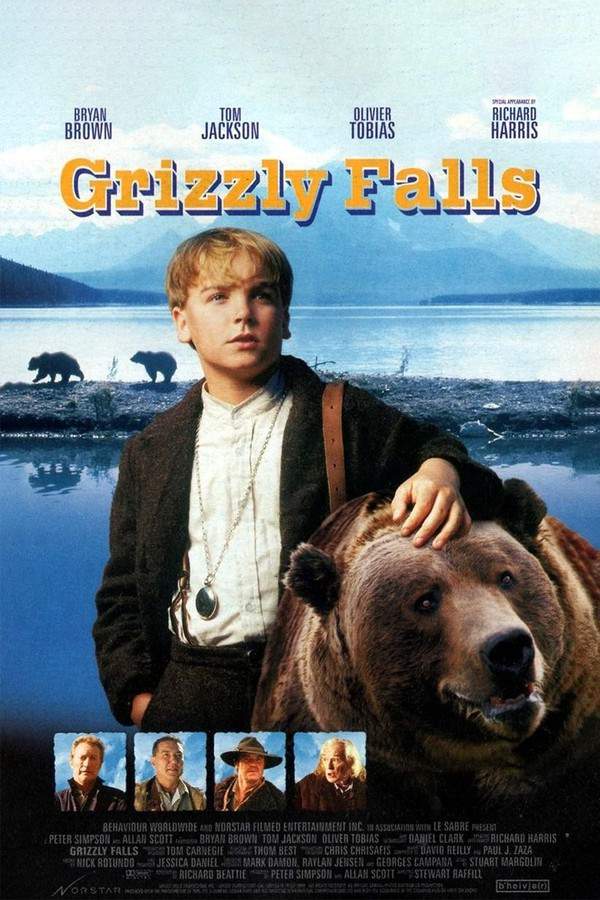
In the late 19th-century West, Moki John Yesno, a Cree Indian, works as a foreman on the ranch owned by his former Army commanding officer, Colonel Pearson Chris Wiggins. He bears a tribal totem—the four-toed grizzly track—on his hand, a mark that seems to bind him to the wild, unpredictable frontier.
A grizzly bear invades Pearson’s land and kills a steer. Pearson shoots the bear and one of her cubs, missing the other. The surviving cub tumbles over a cliff into a river and is swept downstream. Moki sets out to find the cub and discovers it has four toes on one foot. He names the cub Wahb, a name that means “four-toed grizzly,” and, moved by its strange fate, he captures Wahb and releases him on the outskirts of Pearson’s land. Wahb survives and grows to maturity, while the mountains and plains carry whispers of his cunning and power. At about three years old, Wahb appears and startles a ranch hand, prompting Pearson to order Moki to trap the bear; yet Wahb eludes capture, slipping back into the wilderness.
Years pass, and a renewed encounter in the mountains confirms an almost mystical connection between Moki and Wahb. The bear does not harm him, and Moki begins to believe that a shared destiny — a deep, spiritual tie — binds Wahb to his own fate. This bond becomes a central thread as Wahb reappears at roundup time on the Pearson ranch and stampedes the cattle, forcing Pearson to confront the threat he believes Wahb represents.
Pearson sets out to kill Wahb, but the wily bear turns the hunter into the pursued, tracking his pursuer with a patient, uncanny intelligence. Moki tries to warn the colonel of the danger, but his cautions fall on deaf ears. The situation escalates until Pearson meets Wahb face to face; his horse rears, and Pearson is thrown from the saddle, momentarily at the mercy of the animal he seeks to destroy. Wahb remains poised to attack, but Moki arrives as Pearson climbs down to face the bear.
In the tense moment that follows, Wahb appears while Moki tends to Pearson’s injuries. With only a pistol at hand, Moki’s odds seem slim against a powerful grizzly, yet Wahb chooses departure over further confrontation, leaving both men unharmed. Moki urges the colonel to reconsider, explaining the depth of the bear’s significance to him and the possibility that Wahb may choose to stay near his own territory rather than threaten the Gray Bull again. Though initially skeptical, Pearson finally understands the gesture and, moved by the quiet bond between man and beast, lowers his weapon. The two men turn away from the brink of violence and head back toward home, their choices shaped by a truth beyond fear: that the wild, once cursed with danger, can also be a source of restraint, respect, and mutual survival.