The story is framed by a young narrator, a little girl named Morgan Bastin, who sits in a chair and reads the tale from a book, inviting listeners into a festive season that blends whimsy with a gentle moral.
Kelly Clarkson’s star has begun to dim, and she enlists the help of her sharp-witted manager, Ken Jeong, and her loyal assistant Chad to hatch a plan that could revive her visibility. They pitch a big Christmas special to an NBC executive, a deal brokered with a seasoned splash of showbiz flair by the network’s brass, embodied by William Shatner. The scheme hinges on a so-called philanthropic angle—that children would benefit from the event—though its real aim is loud and clear: publicity for Kelly’s comeback. The plan flows through the glamorous nerve center of late-night TV, where the host spotlight shines on Jay Leno and a national audience tunes in to watch.
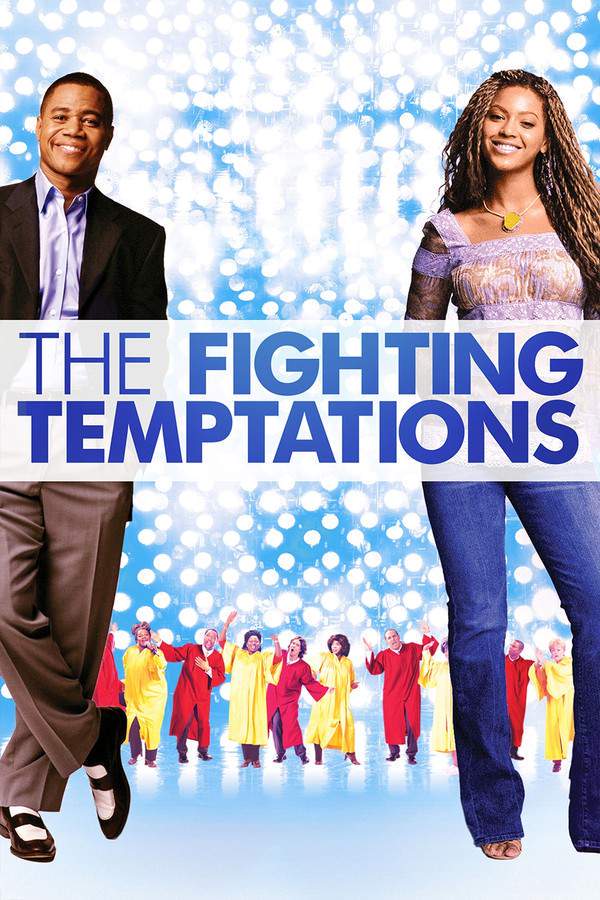
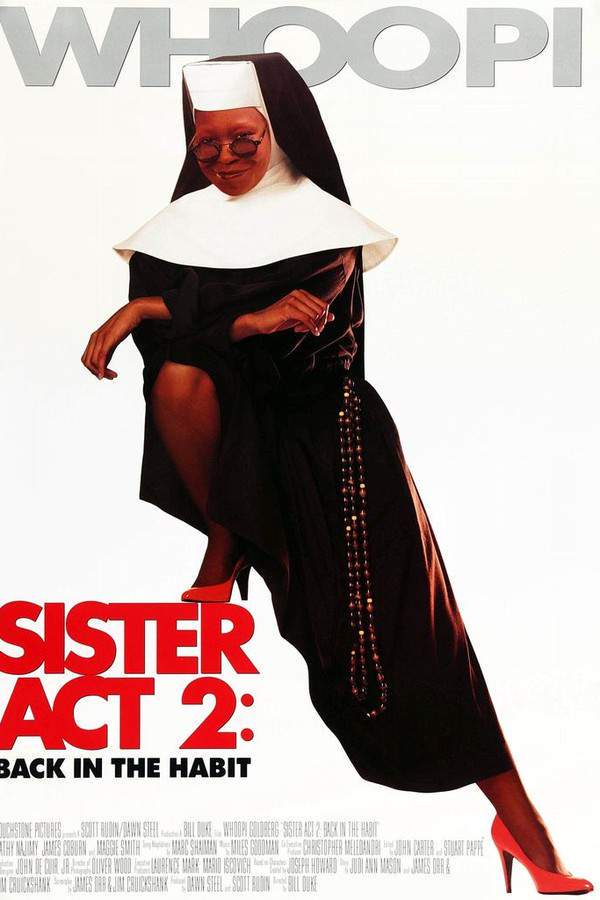
To fill the stage, Kelly woos stars with some blackmail-fueled charm, and she succeeds in roping in Reba McEntire and Trisha Yearwood to duet on the familiar carol “Silent Night.” Yet the guest list grows stubbornly thin; many big names decline, including the unapproachable glamour of Whoopi Goldberg, the magnetic charisma of Robin Williams, the sports-entertainment crossover of Danica Patrick, and the modeling elegance of Heidi Klum. Kelly’s frustration mounts as her imagination twists toward bigger, perhaps impossible, pull from stars like George Clooney, while her team’s effort to keep the train moving becomes a test of nerve and vanity. After a heated period of recruitment and rejection, Kelly fires her assistant Chad, a decision that might've sealed the plan's fate were it not for a stubborn glimmer of stubborn resilience.
In a surprising turn, the only willing participant who doesn’t turn away is country star Blake Shelton. He’s pressed into service, sewing gowns and ironing outfits, while Kelly puzzlingly mutters about a finale that probably involves elves, a line that hints at the playful chaos underlying the whole enterprise. As the night of the finale arrives, the theater feels colder than the promises it carried, and Kelly discovers a painful truth: no star-studded lineup is willing to appear, and panic rises like the winter wind.
Forced to confront the failure on the big stage, Kelly bolts from the venue and finds herself outside in a snowy street. A man begging for help draws her attention, and the woman discovers that the man is Chad, the same caretaker who brought a little sister, Poppy, into this story’s orbit. He lends his coat and leads Kelly to a shelter where he now lives, revealing a ragged world where homeless children depend on each other’s warmth. The scene is intimate and humane: Poppy offers her own candy cane, and Kelly is moved by their generosity and by the stark reality of lives that have nothing to give but kindness. In a moment of grace, she performs “White Christmas” for the shelter residents, a simple gesture that crystallizes the story’s true message—that Christmas is more than fame or applause.
Just when the moment seems to pivot toward a new personal understanding, Chad reaches out with surprising news: he has managed to reach [George Clooney], who would be available for the show, but Kelly chooses a different, quieter response—she wishes Clooney a Merry Christmas and hangs up, signaling a subtle shift away from self-importance toward something more meaningful. Back on the public stage, a video of Kelly singing that same song goes viral, racking up millions of views on YouTube, as announced by the talk-show host’s confidant, Matt Lauer. The momentum causes the previously reluctant celebrities to re-think their stance, calling Kelly with offers to join the show, only to discover that she’s chosen a different path.
Rather than attempt to assemble an A-list reunion, Kelly invites Poppy to share the stage for a duet on the heart of the night, performing “Underneath the Tree.” The moment becomes intimate and uplifting, a pivot from spectacle to soul that resonates through the theater and beyond. On the walk home afterward, Kelly encounters Blake Shelton, who appears in an elf costume and voices his frustration with the decision not to include him earlier, muttering that he’s “way too cool for this.” His bite reveals a thorny truth about fame, ego, and the price of agreed-upon appearances.
In the closing notes, the narrator’s voice returns to frame the moral: “and they all lived happily ever after.” Kelly’s reply lands with a wry smile: “for the most part, anyway,” and she winks at the camera, acknowledging that life—like Christmas—often blends forgiveness, humor, and imperfect triumph. The storyteller signs off, and the tale ends with a warm farewell to the audience, inviting everyone to carry a bit of the holiday spirit into their own days.
> “and they all lived happily ever after”
> > for the most part, anyway
What After the Movie wishes to convey in this tale is a reminder that fame is transient, that generosity and grace can reshape a life, and that the holiday spirit shines brightest when shared with those who have the least to give but the most heart to give it.