
Kappela
Falling into an over-the-phone romance with a rickshaw driver, a young woman visits his city when an encounter with a stranger derails their meeting.
Where to Watch Kappela?
Find where to stream, rent, or buy Kappela (2020) in the US with current JustWatch availability, up-to-date pricing, and platform listings for subscription, rental, and digital purchase options.




Streaming availability powered by 
Warning: spoilers below!
Haven’t seen Kappela yet? This summary contains major spoilers. Bookmark the page, watch the movie, and come back for the full breakdown. If you're ready, scroll on and relive the story!
Kappela (2020) – Full Plot Summary & Ending Explained
Read the complete plot breakdown of Kappela (2020), including all key story events, major twists, and the ending explained in detail. Discover what really happened, and what it all means.
Jessy Varghese Anna Ben is the eldest daughter in a modest farming family from Poovaranmala, a quiet corner of Wayanad. The lowermiddle-class household ekes out a living from the land while Jessy’s mother, Mary Nisha Sarangh, stitches at home to help the family make ends meet. Having left her studies, Jessy helps with chores and embroidery, and a gentle, unspoken fondness grows with Benny Sudhi Koppa, who runs a textile shop and quietly admires her.
One ordinary day, a routine call about blouse measurements turns magical and complicated when Jessy dials a wrong number and speaks to Vishnu Roshan Mathew, an auto rickshaw driver from Kozhikode. What begins as a distant flirtation soon becomes a steady, heartfelt connection carried through daily conversations, even though they have never laid eyes on each other. Vishnu is portrayed as a helpful, grounded man who often assists families in need, including a mother who requires hospital visits.
Their bond grows against a backdrop of everyday life in the countryside and the city, as they share dreams, fears, and small moments of joy. They schedule a meeting at Jessy’s church festival, but Vishnu must tend to his ailing mother and cannot join. Still, their conversations endure, and a quiet hope seeds the possibility of a future together. Meanwhile, Benny—whose proposal had already entered Jessy’s thoughts—faces resistance from his mother, who disapproves of the match and of the life Jessy’s family leads. The Priest Sudheesh even weighs in, encouraging Benny to pursue his own wishes despite the opposition. The tension between duty, expectation, and affection deepens as Jessy contemplates a life that might mean leaving behind the world she knows.
When Benny’s marriage proposal is formally set, Jessy confides in Vishnu, who warns that life is hard and suggests that she might be better off with Benny. Undeterred, the two plan to meet, and Jessy decides to visit Kozhikode alone to seek out Vishnu. She dials into hope while stepping into a city that holds both danger and possibility. But the moment she arrives, a simple misfortune shifts the balance: Vishnu loses his phone during a confrontation, and a passerby steals it. Roy Sreenath Bhasi intervenes, retrieves the phone from the thief, and unexpectedly becomes the one who meets Jessy—leading her to mistake him for Vishnu because they have not yet met in person.
The truth comes into focus as Vishnu locates her again, and the two venture through the unfamiliar city together. A mounting sense of pursuit emerges when Roy’s presence seems to shadow them, and a tense confrontation in a park tests their trust. They retreat to a lodge to sort out money worries and unexpected demands from a lodge owner who knows Vishnu. The owner’s questions—about travel plans and the sharing of photos—reveal the fragility of Vishnu’s precarious situation, hinting at debts and dangerous entanglements that threaten Jessy.
As the pursuit tightens, Roy resumes his role as watcher and protector. A fight ensues, and Roy manages to subdue Vishnu and rescue Jessy, while police move in to arrest Vishnu’s accomplices at his home. The immediate danger abates, but the emotional wounds linger. With the ordeal behind her, Jessy finds slender hints of healing and clarity through the support of Roy and others who care for her, even as she processes what has happened and what her future might hold.
In the final moments, Jessy seeks a quiet anchor for her sorrow. Roy helps her find a small measure of solace by the sea, where she gazes out and allows the waves to carry away some of the ache. The film closes with a gentle, ceremonial note: she visits a small Mother Mary chapel near her home and lights a candle, offering a moment of prayer and reflection for the path that lies ahead.
Last updated: October 14, 2025 at 04:07
Kappela (2020) Plot Questions Answered – Summary FAQ
Explore frequently asked questions about Kappela (2020) with spoiler-rich answers covering the full plot summary, major story beats, character motivations, hidden details, and ending meaning. This movie summary FAQ helps explain confusing scenes, plot twists, and narrative decisions in clear, searchable detail.
Why did Vishnu tell Jessy to marry Benny instead of meeting her?
Vishnu warned Jessy about the difficulties of life, suggesting she might be better off with Benny because he knew his own situation in Kozhikode was precarious. He was struggling with debts and dangerous entanglements, making him unable to offer her a stable life. This advice revealed his own doubts about whether he could provide for her, even though he cared for her.
Earlier, Vishnu is described as a helpful man who often assists families, including one with a sick mother, showing his caring nature despite his own struggles.
What was Vishnu involved in that put Jessy in danger?
Vishnu was entangled in financial trouble and criminal dealings. The lodge owner hinted at debts connected to transporting Jessy and pressured Vishnu for pictures of her, suggesting she was being used as collateral or leverage in some dangerous situation. The police later arrested his accomplices at his home, confirming his involvement in illicit activities.
The lodge owner asked invasive questions about travel plans and demanded pictures of Jessy, revealing the danger surrounding their meeting.
Who is Roy and why was he following Jessy and Vishnu?
Roy is a stranger who first intervenes by retrieving Vishnu's stolen phone from a thief. He then follows the couple through the city, initially appearing suspicious. However, he ultimately acts as a protector, confronting Vishnu and rescuing Jessy when the situation turns dangerous. His motives seem to shift from curiosity to genuine concern for her safety.
Roy casually follows them after the phone incident, adding an undercurrent of risk throughout their city encounters.
Why did Jessy mistake Roy for Vishnu at the bus terminal?
Jessy and Vishnu had developed their relationship entirely through phone conversations without ever meeting face to face. When Vishnu's phone was stolen during a scuffle, Roy retrieved it from the thief and approached Jessy, who naturally assumed he was the man she'd been speaking to. The mistaken identity created a fragile moment of connection before the truth was revealed.
Their entire relationship was built on voice and conversations, never on physical appearance, making mistaken identity possible.
What did the lodge owner want from Vishnu and Jessy?
The lodge owner, who knew Vishnu, asked intrusive questions about their travel plans and demanded pictures of Jessy. This revealed he was pressuring Vishnu, likely related to the financial debts and dangerous entanglements Vishnu was involved in. The owner was using their presence as leverage, suggesting Jessy had been brought there as part of some transaction.
The owner's suspicious questions about pictures and travel plans hinted at the dangerous situation Vishnu was caught in.
What happened to Vishnu after the police arrived?
While Jessy was rescued by Roy, Vishnu's accomplices were arrested at his home by the police. Vishnu himself was subdued during the confrontation with Roy. The film doesn't explicitly show his arrest, but the police action at his home and the confrontation suggest he faced legal consequences for his involvement in criminal activities.
The mounting danger throughout their city encounters built toward this climactic moment of police intervention.
What does the sea and chapel scene mean at the end of Kappela?
The ending shows Jessy seeking solace after her traumatic experience. Roy takes her to the sea to help her wash away her sorrow, symbolizing a cleansing of the emotional wounds from her ordeal. She then visits a small Mother Mary chapel near her home and lights a candle, representing quiet endurance, hope, and spiritual reflection as she processes what happened and considers her future.
The film opens with Jessy's simple rural life centered around her home and church, making the chapel return a meaningful full circle moment.
Why did Vishnu miss the planned meeting at Jessy's church festival?
Vishnu had to tend to his ailing mother and could not travel to attend the church festival where he and Jessy had planned to meet in person for the first time. This delay kept their relationship confined to phone conversations, extending the romantic tension and anticipation between them.
Vishnu was introduced as a man who often assists families with sick members, including his own mother.
Why was Benny's mother opposed to his marriage with Jessy?
Benny's mother disapproved of the match because she looked down on Jessy and her family's modest background. Coming from a lower-middle-class farming household, Jessy's family did not meet the expectations Benny's mother had for her son's prospective bride, leading to clear class-based opposition despite Benny's own feelings for Jessy.
The film establishes Jessy's modest lifestyle from the opening, with her mother stitching at home and the family depending on farming.
How did Jessy's wrong number call lead to the romance?
Jessy initially called to confirm blouse measurements for a tailoring job but dialed a wrong number and reached Vishnu, an auto rickshaw driver in Kozhikode. What began as a routine call turned into magical conversation, and they continued talking daily, developing a heartfelt connection without ever meeting, eventually leading to their planned meeting in the city.
The wrong number premise established the central conceit of the film, a relationship built entirely on voice and emotion without physical presence.

Explore Movie Threads
Discover curated groups of movies connected by mood, themes, and story style. Browse collections built around emotion, atmosphere, and narrative focus to easily find films that match what you feel like watching right now.
Movies about rural innocence and urban reality like Kappela
Stories where hopeful provincial characters face the disillusioning realities of the city.If you liked Kappela's story of a young woman's journey from rural hope to urban disillusionment, you'll find similar movies here. These films explore the emotional clash between provincial innocence and city harshness, featuring characters who learn difficult truths about the world.

Slums of Beverly Hills
1998

Nadaaniyan
2025

Holy Cow
2025

Ordinary
2012

Dil Chahta Hai
2001

Suburban Girl
2007

New York City Serenade
2007

Zara Si Zindagi
1983

An Autumn’s Tale
1987
Kappela
2020

Love and Pigeons
1985

Kabhi Haan Kabhi Naa
1994

Summer in Bethlehem
1998

Welcome to Sajjanpur
2008
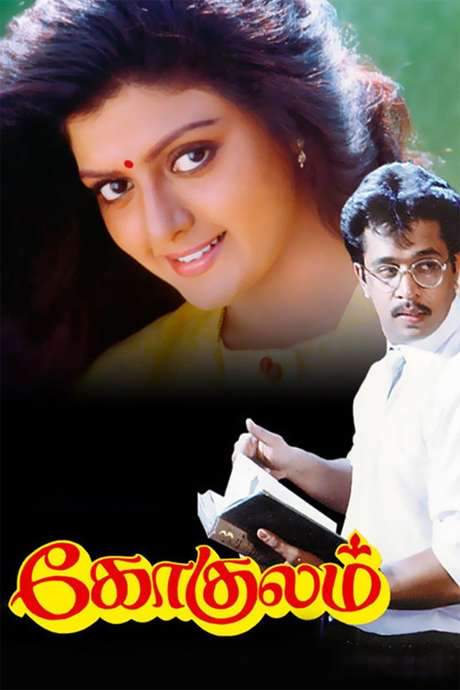
Gokulam
1993
Narrative Summary
Narratives in this thread typically begin with a character's idealized view of a place or connection, often built from a distance. The journey to the city acts as the catalyst, where they encounter deception, class disparity, and moral complexity, forcing a painful but necessary coming-of-age transformation.
Why These Movies?
Movies are grouped here for their shared focus on the geographical and emotional transition from a simple, hopeful world to a complex, challenging one. They resonate through a bittersweet tone, a steady pacing that builds towards emotional confrontation, and a thematic core about the shattering of illusions.
Thrilling long-distance romance movies like Kappela
Hopeful connections built from afar that lead to dangerous real-world encounters.For viewers who enjoyed the suspenseful twist in Kappela's phone romance, this section features movies with similar plotlines. These films combine the hope of a distant connection with the tension of a dangerous meeting, creating a unique blend of romance and psychological thriller elements.

Dangerous Lies
2020

My Cousin Rachel
2017

A Foreign Affair
2004

Dedh Ishqiya
2014

Get the Girl
2017

Deewana Main Deewana
2013

Strangers in the Night
2012

Strangers in the Night
2015

Edge of Innocence
2017

The Right Temptation
2000

Ugly Me
2006

Anthony Zimmer
2005

Teesri Manzil
1966

The Tamarind Seed
1974

Fall for Me
2025
Narrative Summary
The narrative pattern involves characters forming a deep emotional bond remotely, typically through letters, phone calls, or the internet. The anticipation of meeting builds hope, but the actual encounter reveals a sinister discrepancy between the idealized persona and reality, propelling the story into a tense survival scenario or a profound emotional reckoning.
Why These Movies?
These films are grouped by their unique hybrid structure, blending romance and thriller elements. They share a bittersweet emotional core, a steady pacing that escalates into anxiety, and a central theme of deception. The experience oscillates between the warmth of connection and the chill of potential danger.
Unlock the Full Story of Kappela
Don't stop at just watching - explore Kappela in full detail. From the complete plot summary and scene-by-scene timeline to character breakdowns, thematic analysis, and a deep dive into the ending - every page helps you truly understand what Kappela is all about. Plus, discover what's next after the movie.
Kappela Timeline
Track the full timeline of Kappela with every major event arranged chronologically. Perfect for decoding non-linear storytelling, flashbacks, or parallel narratives with a clear scene-by-scene breakdown.

Characters, Settings & Themes in Kappela
Discover the characters, locations, and core themes that shape Kappela. Get insights into symbolic elements, setting significance, and deeper narrative meaning - ideal for thematic analysis and movie breakdowns.


