
Joint Body
Year: 2011
Runtime: 86 mins
Language: English
Director: Brian Jun
A parolee, cut off by his ex‑wife and denied contact with his young daughter, spirals into a precarious new life. He forms a bond with a solitary, troubled woman, rescues her from an unexpected attacker, and must confront his own demons while eluding the authorities and questioning his freedom.
Warning: spoilers below!
Haven’t seen Joint Body yet? This summary contains major spoilers. Bookmark the page, watch the movie, and come back for the full breakdown. If you're ready, scroll on and relive the story!
Timeline – Joint Body (2011)
Trace every key event in Joint Body (2011) with our detailed, chronological timeline. Perfect for unpacking nonlinear stories, spotting hidden connections, and understanding how each scene builds toward the film’s climax. Whether you're revisiting or decoding for the first time, this timeline gives you the full picture.
Last updated: October 03, 2025 at 06:48
Joint Body (2011) Timeline Questions Answered – Chronology FAQ
Find frequently asked questions about the Joint Body (2011) timeline, including chronological order, nonlinear jumps, cause-and-effect links, and scene sequence clarifications. This timeline FAQ helps explain when key events happen, how moments connect, and why the story unfolds in that specific order.
Why does Nick take Dean's gun when he knows it could violate his parole?
Nick takes the gun despite the risk because Dean frames it as protection for someone living in a rough motel area. The gun represents his brother's attempt to look out for him, but it also symbolizes the thin line between safety and danger that follows Nick even as he tries to go straight. Nick pockets it reluctantly, aware that possessing a weapon could send him back to prison but unable to reject his brother's gesture.
Dean's gift of the gun directly enables the violent confrontation that later destroys Nick's fragile attempt at a new life.
Why does Nick risk his parole by intervening when Danny attacks Michelle?
Nick rushes to help Michelle because they've formed a genuine connection over coffee and shared stories at the motel. Despite knowing the danger and the potential consequences for his parole status, he cannot ignore someone being brutalized, especially someone he's grown to care about. The act reveals that Nick genuinely wants to be different from the man who went to prison, even if doing the right thing destroys his chances at a normal life.
This moment marks the turning point where Nick's attempt to reinvent himself collides with his past instincts and the violent world he tried to escape.
Why does Nick leave the hospital knowing he has violated his parole?
Nick leaves the hospital because he learned Danny died, which means he will face serious criminal charges regardless of the parole violation. Staying would mean immediate imprisonment, and he chooses to run with Michelle rather than surrender immediately. His decision reflects desperation, he'd rather spend whatever time he has on the outside with someone who cares about him than rot in a cell while waiting for his fate.
This choice sets in motion his final days as a free man, leading directly to the film's tragic ending.
Why does Dean tell Nick to disappear rather than turn himself in?
Dean advises Nick to disappear because he believes Michelle has betrayed them by handing over the gun to police. With the murder weapon linked to Nick and his brother's reputation as a cop at stake, Dean sees running as the only option. The advice also reveals the fractured trust between the brothers, Dean clearly favors protecting his own life and career over helping Nick face the consequences.
This moment deepens the rift between the brothers and introduces the betrayal subplot that haunts the remainder of the film.
Who gave the gun to the police - did Michelle betray Nick?
Michelle swears she did not hand over the gun to the police. Nick wants to believe her, and the most plausible explanation is that the police simply found the weapon where Michelle had hidden it during their investigation. The film leaves this ambiguous, suggesting either Michelle is telling the truth or she's afraid to admit her role. Either way, the suspicion poisons their relationship at the worst possible moment.
The unresolved question of betrayal haunts their final night together, adding emotional tension to an already desperate situation.
Why can't Nick reach out to his daughter at the end?
Nick cannot reach out to his daughter because he is a fugitive with an arrest warrant for parole violation and murder. Approaching her would endanger her and his ex-wife, and the restraining order still stands. When he watches her from a distance, the teacher confirms she's doing well, a life he cannot disrupt without making things worse. His silence is his final act of love, acknowledging he cannot offer her anything but trouble.
This moment completes the tragic arc of paternal loss that began with the restraining order at the start of the film.
What does the final scene on the lake mean?
The final scene shows Nick alone on a deserted lake in his old boat, drifting with no destination. This image represents his metaphorical and literal isolation, he cannot escape the weight of his past, no matter how hard he tries to start over. The quiet, empty landscape reflects his emotional state: adrift, disconnected from the possibility of redemption or connection. He remains trapped between his past identity and any hope for the future.
This image completes the film's bleak thematic arc, showing that Nick's journey has led nowhere but further into himself.
Why is Nick's relationship with his brother Dean so strained?
The strain between Nick and Dean stems from Nick's criminal past and the shame it brings to the family. Dean became a police officer, embodying the law Nick broke. Though Dean visits and gives him a gun, his advice to disappear reveals he cares more about protecting himself than helping his brother face justice. The brothers share history but have taken opposite paths, creating an unbridgeable distance that deepens throughout the film.
Dean's conflicting role as both brother and law enforcement creates the tension that leads to his advice to run rather than turn himself in.
What was Nick in prison for?
Nick went to prison for a violent offense, though the specific crime is not detailed in the film. The violent nature of his past is enough to justify his ex-wife's restraining order, the parole board's strict conditions, and his own determination to change. The vague but serious nature of his crime underscores the film's themes of guilt, redemption, and the lasting consequences of violence.
His violent past directly enables the confrontation with Danny, as Nick knows how to use a gun and is willing to resort to violence to protect others.
Why does Michelle get arrested at the end?
Michelle is arrested by authorities, likely for her involvement in Danny Wilson's death and as an accessory after the fact. Even if she did not directly hand over the gun, she was present during the confrontation and helped Nick escape from the hospital, making her a suspect in the murder investigation. Her arrest represents the final destruction of the fragile new life she and Nick tried to build together.
Michelle's arrest marks the complete collapse of the sanctuary the two sought, leaving Nick truly alone.
What are the parole conditions that Nick must follow?
Nick's parole conditions require him to report to his parole officer regularly, stay employed, attend AA meetings, and most importantly, relinquish all custodial rights to his daughter. The restraining order from his ex-wife keeps him away from his family, and any violation, such as possessing a gun, can send him back to prison. These conditions create the fragile framework that makes his eventual downfall so devastating.
The parole system's strict requirements create the constant pressure that makes Nick's choices increasingly impossible as the film progresses.

Explore Movie Threads
Discover curated groups of movies connected by mood, themes, and story style. Browse collections built around emotion, atmosphere, and narrative focus to easily find films that match what you feel like watching right now.
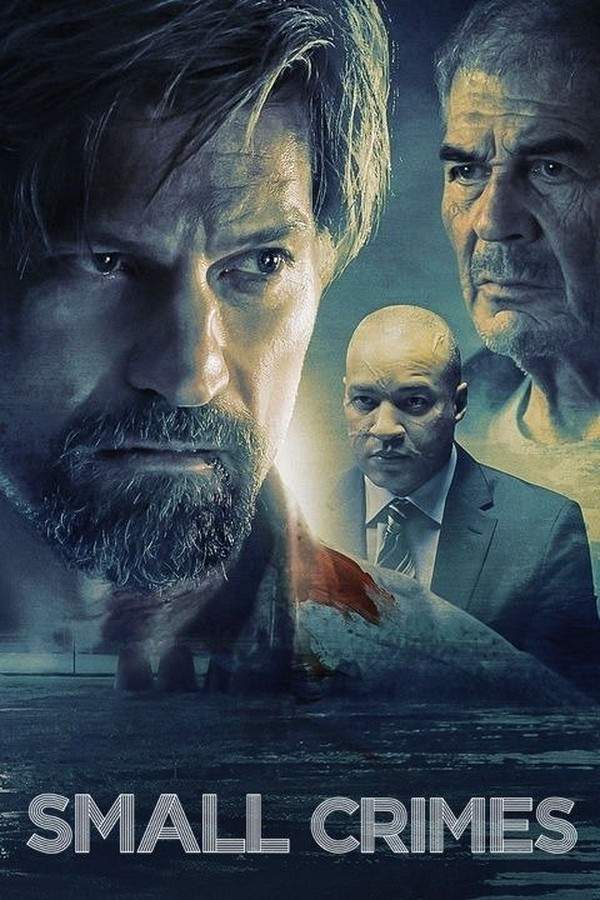
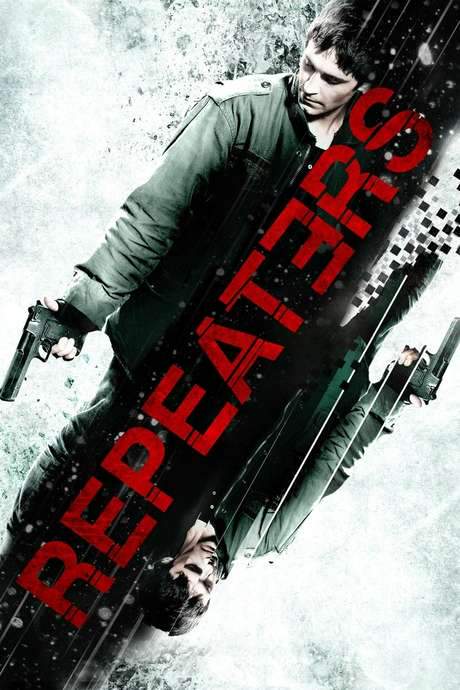
Gritty Parolee Dramas like Joint Body
Stories of ex-convicts struggling to rebuild their lives against overwhelming odds.If you liked the story of a parolee's struggle in Joint Body, you'll find similar movies here. These gritty dramas focus on the challenges of reintegration, the search for redemption, and the heavy consequences of past mistakes, often with a dark and emotionally heavy tone.










Narrative Summary
These narratives follow a linear progression from release to a critical turning point, often a violent confrontation or moral test. The protagonist's journey is internal as much as external, grappling with guilt, loss, and the desire for connection while navigating a world that is suspicious and unforgiving.
Why These Movies?
Movies are grouped here for their shared focus on the parolee experience, the thematic weight of redemption and paternal/maternal bonds, and a consistently dark, intense tone that examines the fragility of freedom.
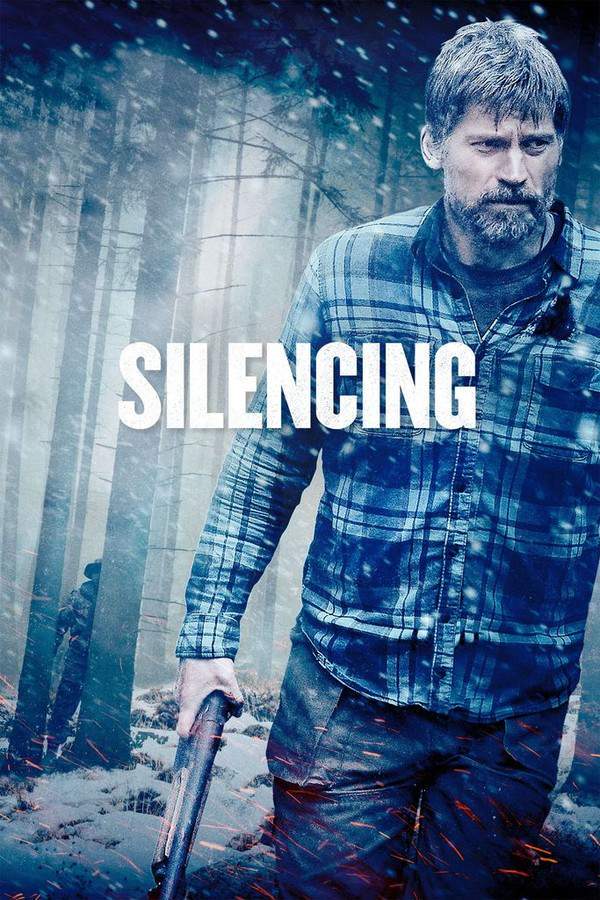
Atmospheric Solitude Thrillers like Joint Body
Lonely protagonists in tense, atmospheric narratives facing moral decay.For viewers who appreciated the lonely, tense atmosphere of Joint Body, this section highlights similar movies. These thrillers feature isolated protagonists in gritty settings, where the pacing is steady and the tone is dark, leading to a bleak emotional conclusion.













Narrative Summary
The narrative pattern involves a solitary individual, burdened by trauma or circumstance, forming a fragile connection that is threatened by external violence or internal flaws. The story unfolds with a steady, deliberate pace, focusing on character psychology and atmospheric tension rather than action, culminating in a collapse of hope or a reinforcement of isolation.
Why These Movies?
These films share a core vibe: a melancholic and oppressive atmosphere, a focus on a lonely protagonist's desperate struggle, a steady build of tense, high-stakes drama, and an ultimately bleak perspective on their chances for escape or happiness.
Unlock the Full Story of Joint Body
Don't stop at just watching - explore Joint Body in full detail. From the complete plot summary and scene-by-scene timeline to character breakdowns, thematic analysis, and a deep dive into the ending - every page helps you truly understand what Joint Body is all about. Plus, discover what's next after the movie.
Joint Body Summary
Read a complete plot summary of Joint Body, including all key story points, character arcs, and turning points. This in-depth recap is ideal for understanding the narrative structure or reviewing what happened in the movie.

Characters, Settings & Themes in Joint Body
Discover the characters, locations, and core themes that shape Joint Body. Get insights into symbolic elements, setting significance, and deeper narrative meaning - ideal for thematic analysis and movie breakdowns.


