
Joint Body
Year: 2011
Runtime: 86 mins
Language: English
Director: Brian Jun
A parolee, cut off by his ex‑wife and denied contact with his young daughter, spirals into a precarious new life. He forms a bond with a solitary, troubled woman, rescues her from an unexpected attacker, and must confront his own demons while eluding the authorities and questioning his freedom.
Warning: spoilers below!
Haven’t seen Joint Body yet? This summary contains major spoilers. Bookmark the page, watch the movie, and come back for the full breakdown. If you're ready, scroll on and relive the story!
Timeline & Setting – Joint Body (2011)
Explore the full timeline and setting of Joint Body (2011). Follow every major event in chronological order and see how the environment shapes the story, characters, and dramatic tension.
Last updated: October 03, 2025 at 06:42
Main Characters – Joint Body (2011)
Meet the key characters of Joint Body (2011), with detailed profiles, motivations, and roles in the plot. Understand their emotional journeys and what they reveal about the film’s deeper themes.
Last updated: October 03, 2025 at 06:42
Major Themes – Joint Body (2011)
Explore the central themes of Joint Body (2011), from psychological, social, and emotional dimensions to philosophical messages. Understand what the film is really saying beneath the surface.
Last updated: October 03, 2025 at 06:42
Joint Body (2011) Character & Theme Questions Answered – Info FAQ
Browse frequently asked questions about Joint Body (2011) focused on characters, relationships, themes, symbols, setting, and story context. This movie info FAQ gives spoiler-aware explanations for character arcs, world details, and thematic interpretation so readers can better understand what the film is really about.
Where does the movie take place?
The story unfolds across several ordinary American settings that anchor Nick's fragile attempt at normalcy. Key locations include a sparse motel where Nick tries to rebuild his life, a local manufacturing plant where he finds work, and a hospital that marks a violent turning point. The narrative also centers on his brother's home and a secluded lake, where solitude becomes both refuge and reminder of the past.
What are the main themes explored in the film?
Joint Body explores three interconnected themes: redemption, love and trust, and violence and consequences. The film examines whether redemption is possible when trust is scarce and danger remains close. It shows two damaged individuals, Nick and Michelle, seeking companionship in vulnerability, while a gun given to Nick by his brother symbolizes the thin line between protection and ruin.
Who are the main characters?
The film centers on four key characters: Nick Burke (Mark Pellegrino), a recently paroled man trying to escape his violent past; Michelle Page (Alicia Witt), an isolated stripper seeking connection; Danny Wilson (Tom Guiry), Michelle's aggressive former acquaintance who returns from Afghanistan; and Dean Burke (Ryan O'Nan), Nick's brother who is a police officer with a complicated family dynamic.
What motivates Nick Burke?
Nick is driven by a desperate desire to build a quiet, lawful life and maintain contact with his young daughter. His calm exterior often masks a readiness for danger, and his past keeps demanding acknowledgment. He seeks redemption from his violent past while trying to protect whatever future he can carve out for himself.
Who is Michelle Page and what role does she play?
Michelle Page is an isolated, troubled stripper whose life has been interrupted by tragedy and loss. She forms a tentative connection with Nick, offering companionship in a bleak situation, but remains cautious and self-protective. Her relationship with Nick becomes a fragile shelter against a world that keeps pulling them toward violence.
What is the relationship between Nick and Dean Burke?
Dean Burke is Nick's brother, a police officer who offers wary, pragmatic advice. Their relationship is complicated, Dean provides a potential lifeline to a normal life but maintains a guarded demeanor. His pregnant wife at home creates tension around Nick's attempts to disappear, and Dean ultimately gives Nick a gun that becomes pivotal to the story's violent turn.
What does the lake represent in the story?
The secluded lake represents both refuge and reminder of the past for Nick. It is where he retreats after the violent confrontation, and it becomes the setting for his solitary, reflective ending. The lake symbolizes isolation and the difficulty of truly escaping one's past, the solitude Nick seeks is also where he confronts what he has become.
What is the tone and style of the film?
Joint Body has a dark, serious tone reflecting themes of crime, loss, and an seemingly inescapable past. The pacing is steady and methodical, building from Nick's release through the fatal encounter to its aftermath. The intensity remains consistently high due to the protagonist's precarious parole status and the constant threat of being caught.
Can Nick escape his past in the film?
The film suggests that escaping one's past is nearly impossible. Despite Nick's genuine attempt to build a new life, his violent history continues to resurface. The ending is bleak, he remains isolated, having lost his chance at connection and family, adrift both literally and figuratively, implying that some doors, once closed, cannot be reopened.
How does the film handle violence and its consequences?
Violence in Joint Body is portrayed as destructive and inescapable. The gun given to Nick by his brother symbolizes the thin line between protection and ruin. The violent confrontation with Danny leads to fatal consequences and a parole violation that pushes Nick further from the life he wants. Every act of violence tightens the noose around his already fragile existence.

Explore Movie Threads
Discover curated groups of movies connected by mood, themes, and story style. Browse collections built around emotion, atmosphere, and narrative focus to easily find films that match what you feel like watching right now.
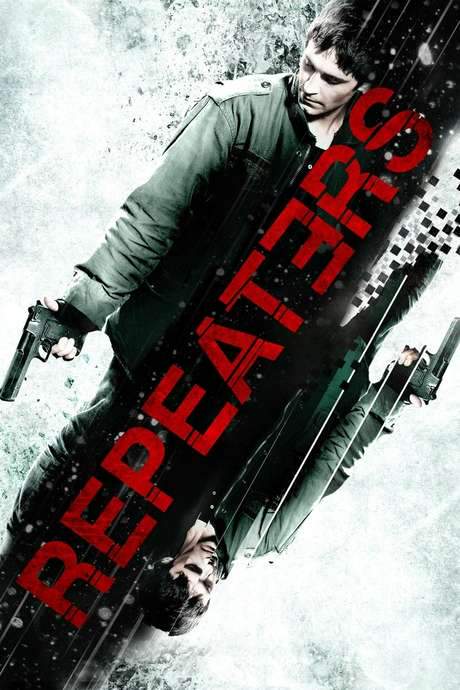
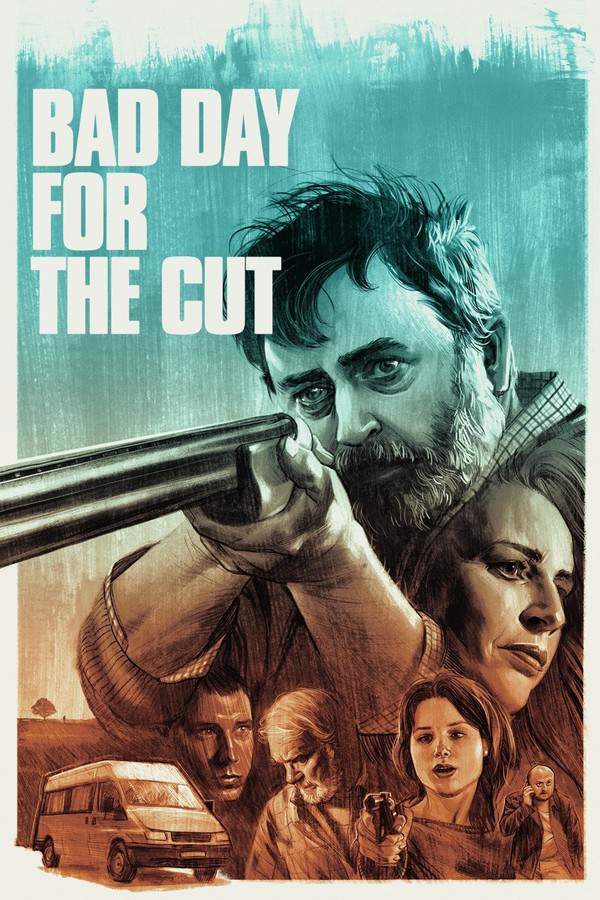
Gritty Parolee Dramas like Joint Body
Stories of ex-convicts struggling to rebuild their lives against overwhelming odds.If you liked the story of a parolee's struggle in Joint Body, you'll find similar movies here. These gritty dramas focus on the challenges of reintegration, the search for redemption, and the heavy consequences of past mistakes, often with a dark and emotionally heavy tone.










Narrative Summary
These narratives follow a linear progression from release to a critical turning point, often a violent confrontation or moral test. The protagonist's journey is internal as much as external, grappling with guilt, loss, and the desire for connection while navigating a world that is suspicious and unforgiving.
Why These Movies?
Movies are grouped here for their shared focus on the parolee experience, the thematic weight of redemption and paternal/maternal bonds, and a consistently dark, intense tone that examines the fragility of freedom.
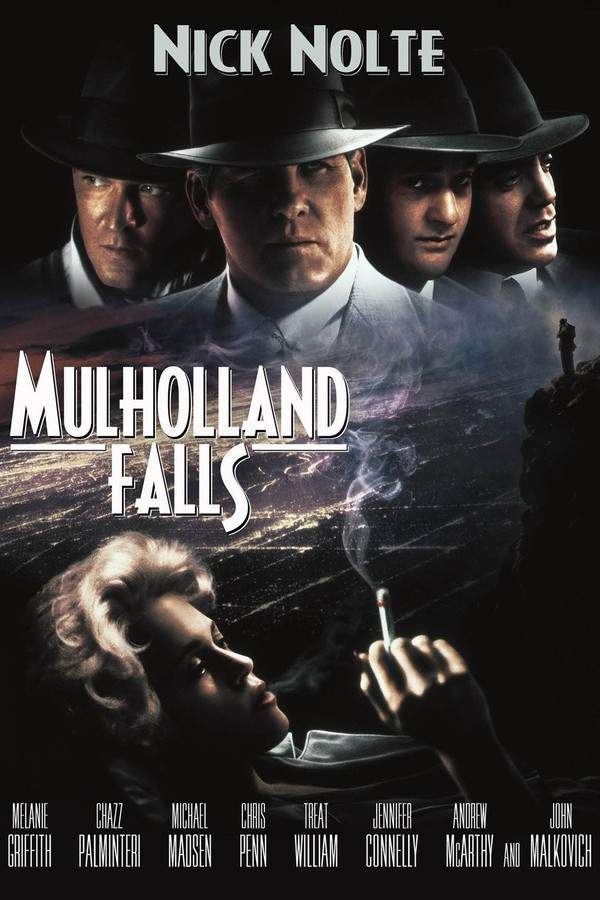
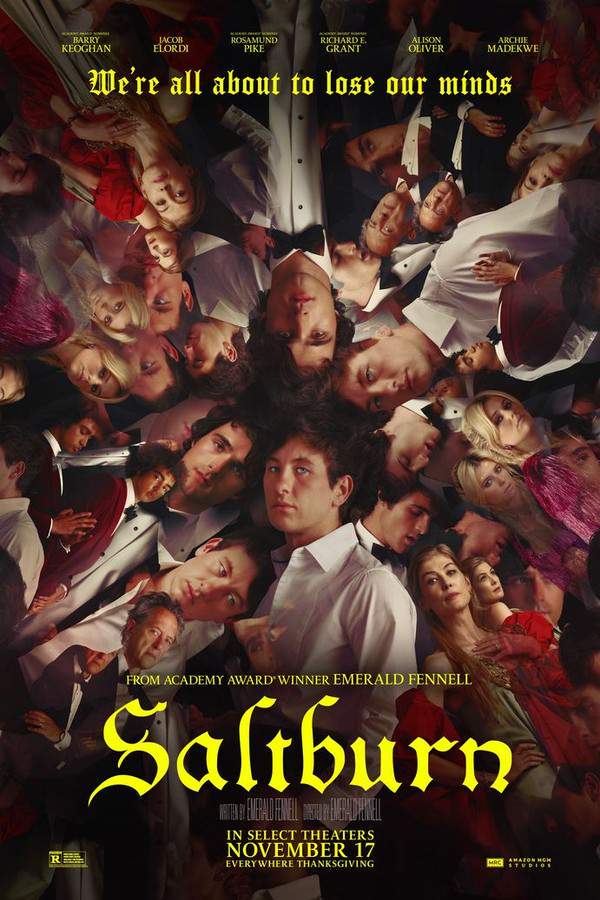
Atmospheric Solitude Thrillers like Joint Body
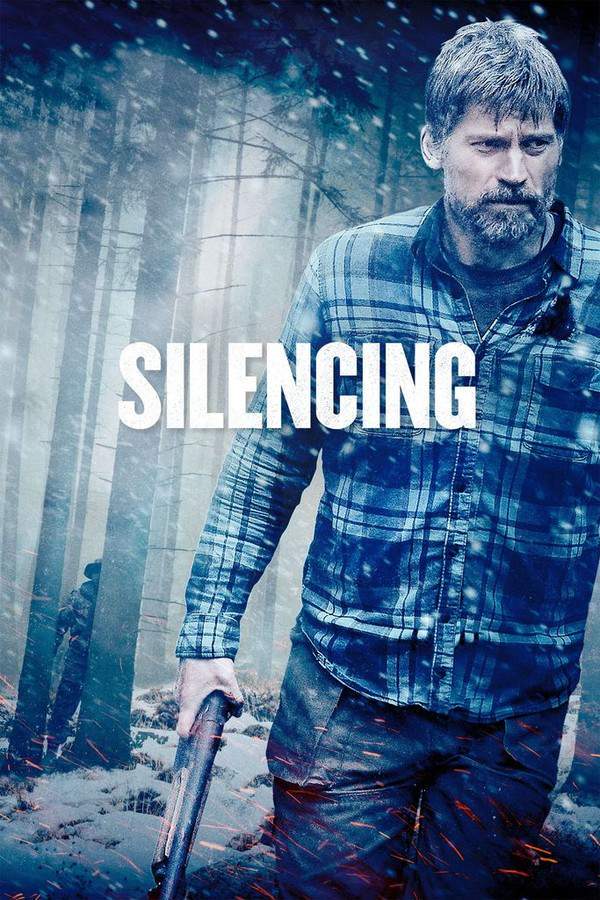
Lonely protagonists in tense, atmospheric narratives facing moral decay.For viewers who appreciated the lonely, tense atmosphere of Joint Body, this section highlights similar movies. These thrillers feature isolated protagonists in gritty settings, where the pacing is steady and the tone is dark, leading to a bleak emotional conclusion.











Narrative Summary
The narrative pattern involves a solitary individual, burdened by trauma or circumstance, forming a fragile connection that is threatened by external violence or internal flaws. The story unfolds with a steady, deliberate pace, focusing on character psychology and atmospheric tension rather than action, culminating in a collapse of hope or a reinforcement of isolation.
Why These Movies?
These films share a core vibe: a melancholic and oppressive atmosphere, a focus on a lonely protagonist's desperate struggle, a steady build of tense, high-stakes drama, and an ultimately bleak perspective on their chances for escape or happiness.
Unlock the Full Story of Joint Body
Don't stop at just watching - explore Joint Body in full detail. From the complete plot summary and scene-by-scene timeline to character breakdowns, thematic analysis, and a deep dive into the ending - every page helps you truly understand what Joint Body is all about. Plus, discover what's next after the movie.
Joint Body Summary
Read a complete plot summary of Joint Body, including all key story points, character arcs, and turning points. This in-depth recap is ideal for understanding the narrative structure or reviewing what happened in the movie.

Joint Body Timeline
Track the full timeline of Joint Body with every major event arranged chronologically. Perfect for decoding non-linear storytelling, flashbacks, or parallel narratives with a clear scene-by-scene breakdown.


