Jewel's Catch One

Jewel's Catch One

Year: 2018

Runtime: 90 min

Language: english

Documentary

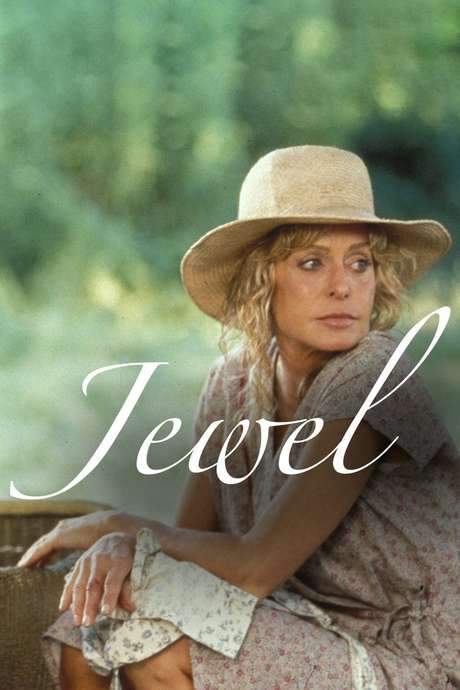
This documentary explores the remarkable story of Jewel's Catch One, America's oldest Black-owned disco club. For four decades, Jewel Thais-Williams created a welcoming space in Los Angeles, serving as a sanctuary for marginalized communities, including LGBTQ individuals, Black people, and those affected by AIDS. The film highlights her pioneering spirit and the lasting impact of the club’s atmosphere of freedom and acceptance.

Where to Watch Jewel's Catch One?

Find where to stream, rent, or buy Jewel's Catch One (2018) in the US with current JustWatch availability, up-to-date pricing, and platform listings for subscription, rental, and digital purchase options.

Warning: spoilers below!

Haven’t seen Jewel's Catch One yet? This summary contains major spoilers. Bookmark the page, watch the movie, and come back for the full breakdown. If you're ready, scroll on and relive the story!

Jewel's Catch One (2018) – Full Plot Summary & Ending Explained

Read the complete plot breakdown of Jewel's Catch One (2018), including all key story events, major twists, and the ending explained in detail. Discover what really happened, and what it all means.

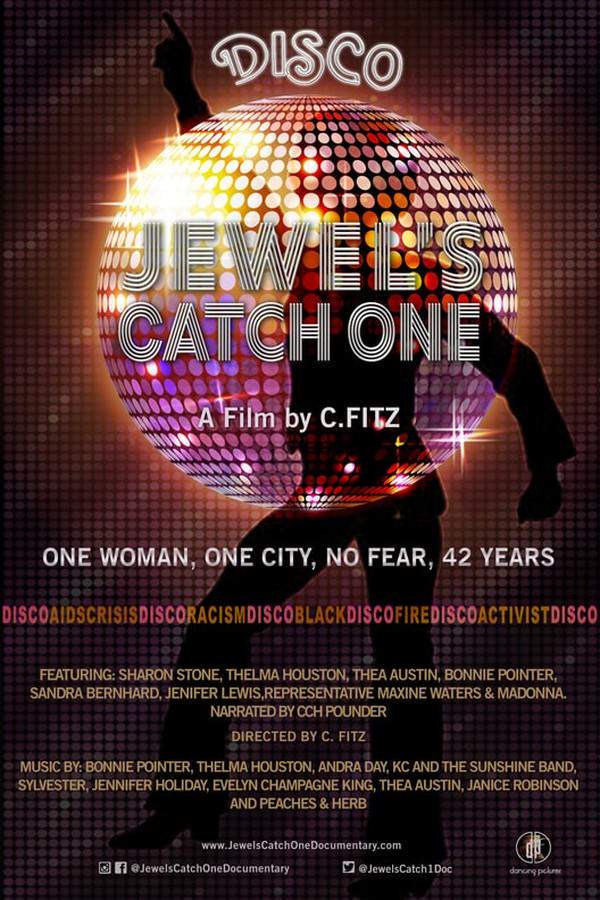
JEWEL'S CATCH ONE, directed by filmmaker C. Fitz, pays tribute to the remarkable history of a notable Los Angeles nightclub, Catch One, and showcases the profound influence of its owner, Jewel Thais-Williams, on her community. This documentary highlights how Jewel shattered racial and cultural barriers, establishing the oldest black-owned disco in America. Her journey intertwines elements of music, fashion, celebrity culture, and activism, providing a narrative that significantly altered the trajectory of our nation.

As one of the first safe havens for marginalized groups, Catch One also became a sanctuary for many during the AIDS crisis. Over time, the club garnered a reputation as the unofficial "Studio 54 of the West Coast," welcoming countless individuals from diverse backgrounds seeking acceptance and refuge.

However, as the club's popularity soared in the late 1970s and 1980s, so did opposition. In 1985, amid the devastating AIDS epidemic, Jewel’s Catch One fell victim to arson. Despite the challenges—a roof gone and a cash offer declined—Jewel resolutely pledged to reconstruct the beloved venue. Yet, her journey was fraught with resistance, even from the very city she cherished. Jewel Thais-Williams emerged as a national beacon for standing against discrimination, devoting over four decades to combat racism, homophobia, and injustice while ensuring that Catch One remained a welcoming space for all.

Throughout the years, Jewel founded notable organizations like The MINORITY AIDS PROJECT and RUE's HOUSE, the first shelter for women with AIDS and their children—co-created with Rue Thais-Williams. Later, she initiated her own non-profit health clinic, The Village Health Foundation, located next to the club. In 2015, Jewel made the decision to sell both buildings but continued her mission by relocating The Village Health Foundation down the street.

This compelling documentary encapsulates four decades of music alongside significant Black and LGBTQ history, enriched with exclusive interviews featuring celebrities, politicians, and individuals positively affected by the transformative activism that transpired at the intersection of Pico Boulevard and Norton Street. Ultimately, this is not only the story of how one woman ignited change but also the narrative of countless lives that found a home at Catch One.

Music by: Bonnie Pointer, Thelma Houston, Andra Day, KC and the Sunshine Band, Sylvester, Jennifer Holiday, Evelyn "Champagne" King, Thea Austin, and Peaches & Herb.
Last updated: November 07, 2024 at 23:19

Was this helpful?

Jewel's Catch One (2018) Plot Questions Answered – Summary FAQ

Explore frequently asked questions about Jewel's Catch One (2018) with spoiler-rich answers covering the full plot summary, major story beats, character motivations, hidden details, and ending meaning. This movie summary FAQ helps explain confusing scenes, plot twists, and narrative decisions in clear, searchable detail.

Q1

Why was Catch One important for the LGBTQ community?

A.

Catch One became one of the first safe havens in Los Angeles where LGBTQ individuals, particularly people of color, could gather without fear of discrimination. During the 1980s AIDS crisis, when many venues rejected affected individuals, Jewel Thais-Williams welcomed them warmly. The club provided a rare space of acceptance during a time when homosexuality faced widespread social stigma and legal persecution.

The club's founding as a welcoming space for marginalized communities established its identity from the very beginning.

lgbtqsafe havenaids crisissanctuaryacceptance
Q2

What happened to Catch One in the 1985 arson?

A.

In 1985 height of the AIDS, during the epidemic, Catch One was deliberately set on fire and destroyed. The arson occurred at a time when fear and prejudice against both the LGBTQ community and people affected by AIDS were at their peak. The fire represented a direct attack on the sanctuary Jewel had created.

The club's status as an outspoken safe haven for marginalized communities had drawn opposition throughout the late 1970s and early 1980s.

arsonfire 1985aids epidemicdestruction
Q3

How did Jewel respond after the arson attack?

A.

Despite losing the club and facing a destroyed roof, Jewel refused to give up. She declined a cash offer for the property and instead pledged to reconstruct Catch One. She fought against resistance from the city itself, demonstrating remarkable determination to restore the community hub she had built.

Jewel's earlier commitment to shattering barriers had already shown her willingness to face opposition.

reconstructionperseverancerebuildingresistance
Q4

What was the Minority AIDS Project?

A.

The Minority AIDS Project was an organization founded by Jewel Thais-Williams to address the disproportionate impact of AIDS on marginalized communities. It provided critical support, education, and resources to Black and Latino communities that were severely affected by the epidemic but often underserved by mainstream health organizations.

Catch One's role as a sanctuary during the AIDS crisis directly led to Jewel's activism in addressing the epidemic.

minority aids projectnonprofithealthaids education
Q5

What happened after Jewel sold Catch One in 2015?

A.

In 2015, Jewel made the difficult decision to sell both buildings that housed Catch One and her adjacent health clinic. However, she continued her mission by relocating The Village Health Foundation down the street, ensuring the community still had access to the health services she had worked decades to provide.

Jewel's establishment of The Village Health Foundation decades earlier had already demonstrated her commitment to sustainable community care.

sale 2015village health foundationrelocationbuildings
Q6

Why was Catch One considered revolutionary?

A.

Catch One was revolutionary because it was the oldest Black-owned disco in America and one of the few venues that actively welcomed everyone regardless of race, sexual orientation, or social status. At a time when racial segregation and homophobia were prevalent, Jewel created a space where diverse communities could gather, dance, and find acceptance together.

The timeline shows Jewel's mission to shatter racial and cultural barriers from the club's founding.

black-owned discointegrationinclusivehistoricstudio 54
Q7

What was Rue's House?

A.

Rue's House was the first shelter in America specifically designed for women with AIDS and their children. Jewel co-created this facility with Rue Thais-Williams, providing desperately needed housing and support for some of the most vulnerable victims of the AIDS epidemic who had nowhere else to turn.

The shelter emerged from Jewel's direct work with affected individuals at Catch One during the AIDS crisis.

rues houseshelterwomen aidschildrenhousing
Q8

Why did the city oppose Jewel after the fire?

A.

Even after the devastating arson attack, Jewel faced resistance from the very city she had served. The exact nature of the city's opposition is not detailed in the documentary, but it represents the broader systemic challenges she faced as a Black woman entrepreneur fighting for community spaces during a period of intense social discrimination.

The opposition echoed the barriers Jewel had been shattering since establishing the club.

city oppositiondiscriminationresistancechallenges
Q9

What made Catch One different from other nightclubs?

A.

Catch One stood out as the unofficial "Studio 54 of the West Coast," but its true distinction was Jewel's intentional mission to create a welcoming space for those rejected elsewhere. The club combined music, fashion, celebrity culture, and activism in a way that no other venue did, while actively serving as a refuge for the most marginalized members of society.

The club's founding vision explicitly prioritized inclusivity from its earliest days.

nightclubcelebritymusicdifferenceinclusivity
Q10

What is Jewel Thais-Williams legacy?

A.

Jewel Thais-Williams' legacy is that of a community champion who dedicated over four decades to fighting racism, homophobia, and injustice. She created more than a nightclub, she built a sanctuary that saved lives during the AIDS crisis, founded multiple organizations serving marginalized populations, and demonstrated that one person can create lasting change by standing firm against discrimination.

The documentary's conclusion emphasizes how Jewel ignited change for countless lives.

legacyactivismimpactcommunitychange
Mobile App Preview

Coming soon on iOS and Android

The Plot Explained Mobile App

From blockbusters to hidden gems - dive into movie stories anytime, anywhere. Save your favorites, discover plots faster, and never miss a twist again.

Sign up to be the first to know when we launch. Your email stays private, always.

Explore Movie Threads

Discover curated groups of movies connected by mood, themes, and story style. Browse collections built around emotion, atmosphere, and narrative focus to easily find films that match what you feel like watching right now.

Community Resilience Movies like Jewel's Catch One

Documentaries celebrating grassroots activism and the power of community support.Discover other inspiring documentaries and stories about grassroots activism and community building, similar to Jewel's Catch One. If you liked the story of a safe haven fighting for social justice, you'll find more movies here about perseverance and collective action.

inspiringheartfeltupliftingcelebratoryreflectivecommunity-driven

Narrative Summary

Stories in this thread often chronicle a long-term challenge—such as systemic injustice or a health crisis—and center on a central figure or group whose dedication creates a sanctuary or movement. The narrative follows their journey of perseverance, highlighting both the struggles and the profound positive impact on a marginalized community.

Why These Movies?

These movies are grouped together because they share a hopeful, heartfelt tone centered on community empowerment. They combine a steady, straightforward narrative with a medium emotional weight, focusing on uplifting real-world stories of activism and social change.

Movies About Cultural Havens like Jewel's Catch One

Films exploring iconic spaces that defined culture and provided sanctuary.Explore films that celebrate iconic gathering spots and their cultural impact, similar to the nightclub in Jewel's Catch One. If you enjoyed the story of a legendary club as a sanctuary, find more movies here about vibrant subcultures and the spaces that nurture them.

nostalgiccelebratoryupliftingheartfeltcultural historymusic-filled

Narrative Summary

The narrative is built around a specific location as a character, tracing its evolution over time. It uses a mix of archival footage, music, and personal testimonials to recreate the unique atmosphere and explore how this 'haven' served as a refuge and catalyst for identity, art, and social change.

Why These Movies?

These films share a nostalgic and celebratory mood, focusing on the intersection of music, culture, and social history. They often have a straightforward structure that lets the setting and its stories shine, creating an uplifting and reflective experience.

Unlock the Full Story of Jewel's Catch One

Don't stop at just watching - explore Jewel's Catch One in full detail. From the complete plot summary and scene-by-scene timeline to character breakdowns, thematic analysis, and a deep dive into the ending - every page helps you truly understand what Jewel's Catch One is all about. Plus, discover what's next after the movie.

Jewel's Catch One Timeline

Track the full timeline of Jewel's Catch One with every major event arranged chronologically. Perfect for decoding non-linear storytelling, flashbacks, or parallel narratives with a clear scene-by-scene breakdown.

Jewel's Catch One Timeline

Characters, Settings & Themes in Jewel's Catch One

Discover the characters, locations, and core themes that shape Jewel's Catch One. Get insights into symbolic elements, setting significance, and deeper narrative meaning - ideal for thematic analysis and movie breakdowns.

Characters, Settings & Themes in Jewel's Catch One

Jewel's Catch One Spoiler-Free Summary

Get a quick, spoiler-free overview of Jewel's Catch One that covers the main plot points and key details without revealing any major twists or spoilers. Perfect for those who want to know what to expect before diving in.

Jewel's Catch One Spoiler-Free Summary

More About Jewel's Catch One

Visit What's After the Movie to explore more about Jewel's Catch One: box office results, cast and crew info, production details, post-credit scenes, and external links - all in one place for movie fans and researchers.

More About Jewel's Catch One