Plot Explained Spoilers guaranteed!
Plot Explained

Browse by genre

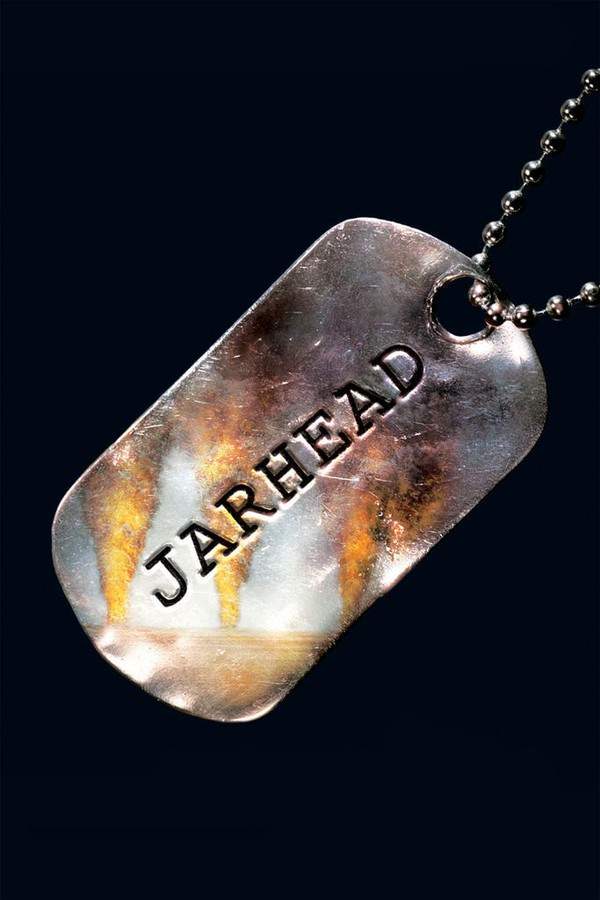
Jarhead (2005) movie poster

Timeline

Jarhead (2005) Timeline Explained – Every Event in Order

Release, runtime and language
2005 · 125 min · English
Loading streaming availability…
Directed by
Sam Mendes
Starring
Lucas Black, Jamie Foxx, Jake Gyllenhaal
Budget
$72M

During the Gulf War in the late 1980s, Marine Anthony Swofford and his fellow soldiers find themselves stationed in the barren deserts of Saudi Arabia. While awaiting orders, they endure rigorous training and the psychological pressures of military life, facing the harsh realities of their situation. The experience tests their mental fortitude as they grapple with boredom, uncertainty, and the potential for conflict, blurring the lines between duty and personal identity.

On this page (7)
  1. 1 Where to watch
  2. 2 Events in order (15)
  3. 3 Timeline questions answered
  4. 4 The book behind the movie
  5. 5 Movie threads
  6. 6 Movies like Jarhead
  7. 7 Every angle
Loading streaming availability…

15 events in order · contains spoilers

Jarhead Timeline: Events in Chronological Order

Every key event of Jarhead (2005) in order, scene by scene, with when and where it takes place. Use it to untangle flashbacks, time jumps and parallel storylines, to refresh your memory before the sequel or to find the exact scene you are thinking of.

  1. Boot Camp Training Begins

    In 1989, Anthony Swofford arrives at a rigorous U.S. Marine Corps boot camp. Under the relentless guidance of Drill Instructor Fitch, he faces intense physical and mental challenges designed to break recruits down and rebuild them into soldiers.

    When
    1989
    Where
    U.S. Marine Corps Boot Camp
  2. Struggles with Boot Camp

    As Swoff endures the grueling training, he grapples with the pressures of military life while forming bonds with fellow recruits. His frustrations boil over when he comically scrawls 'fuck it' on a light billboard, embodying his chaotic state of mind.

    Where
    Boot Camp
  3. Life at Camp Pendleton

    After graduating from boot camp, Swoff is assigned to Camp Pendleton. He struggles with the transition back to civilian life, contemplating his future but instead reflecting on the awkward moments and volatile nature of his relationships, particularly with his girlfriend.

    Where
    Camp Pendleton
  4. Meeting Staff Sergeant Sykes

    Swoff's path crosses with Staff Sergeant Sykes, known for his inspiring dedication to the Marines. Sykes invites Swoff to join the elite Scout Sniper course, igniting a new chapter in his military career.

  5. Rigorous Sniper Training

    The sniper training proves to be exceptionally challenging, leading to the tragic death of a fellow candidate. Despite these hardships, Swoff excels and emerges as one of only eight survivors from the initial sixty recruits.

    Where
    Sniper Training Camp
  6. Emergence of Dark Thoughts

    As he trains alongside his roommate Troy, Swoff begins to struggle with dark feelings surrounding the act of killing. This internal conflict signifies the mental toll that military training inflicts on soldiers preparing for combat.

  7. Towards Operation Desert Shield

    With the onset of Iraq's invasion of Kuwait, Swoff and his unit face increasing anxiety and boredom. They are haunted by personal demons, including the constant worries about Swoff's girlfriend's faithfulness.

  8. Christmas Chaos

    During an unexpected Christmas gathering, the unit's attempt to find joy spirals into chaos. After Fergus accidentally starts a fire, Swoff faces demotion to Private, leading him to perform demeaning tasks that intensify his mental struggle.

    Where
    Marine Barracks
  9. Confronting Fergus

    In a moment of heated confrontation, Swoff draws a weapon on Fergus, showcasing the severe pressure and emotional strain that war and personal issues impose on soldiers. This act underscores the fragility of their mental states.

  10. Commencement of Operation Desert Storm

    As Operation Desert Storm commences, the Marines make their way to the Saudi-Kuwaiti border, prepared for imminent conflict. However, Swoff becomes aware of secrets from Troy's past that could jeopardize their mission.

    Where
    Saudi-Kuwaiti Border
  11. Friendly Fire Tragedy

    The unit experiences a tragic accident due to friendly fire, solidifying their bond in the face of hardship. This horrific incident reminds them of the unpredictable dangers of combat and the high stakes involved.

  12. Mission to Eliminate Iraqi Officers

    Swofford and Troy are tasked with the critical mission of eliminating two high-ranking Iraqi officers. As they prepare to execute the mission, they are unexpectedly ordered to stand down in favor of an airstrike.

  13. Bittersweet Homecoming

    Upon returning home, the Marines are met with a celebratory victory parade. However, Swofford's homecoming is overshadowed by the emotional blow of discovering his girlfriend has moved on with someone else.

    Where
    Home Town
  14. Coping with Civilian Life

    As Swofford tries to reintegrate into civilian life, he observes his comrades, such as Kruger, facing their own challenges. The transition proves difficult as they all bear the emotional scars left by their military service.

  15. Reflection at Troy's Funeral

    The narrative culminates in the poignant moment of Troy's untimely death, where Swofford reflects on the profound impacts of war. At the funeral, he confronts the lingering shadows of combat, acknowledging the deep emotional toll it takes on soldiers.

    Where
    Funeral

Last updated: November 08, 2024 at 02:04

Was this helpful?

Timeline questions answered

Jarhead Timeline Explained: Your Questions Answered

When does it happen, and why in that order? The questions people ask about the chronology of Jarhead (2005): time jumps, flashbacks, cause and effect between scenes and the correct order of events, each answered with spoilers.

Q1

Why was Anthony Swofford demoted to Private after the Christmas party?

Swofford was demoted to Private after a Christmas gathering went wrong. During the party, a fellow Marine named Fergus accidentally started a fire while trying to enjoy stolen alcohol. Though Swoff wasn't directly responsible for the fire, he was blamed as the higher-ranking member present and reassigned to humiliating tasks like cleaning latrines. This demotion symbolized his continued downward spiral in the military hierarchy and intensified his psychological deterioration.

Foreshadowing: The tension between Swoff and his unit had been building throughout the deployment, with the Christmas party serving as a breaking point.

  • demotion
  • christmas party
  • fires
  • fergus
  • jarhead plot
Q2

Why were Swoff and Troy ordered to stand down from their sniper mission?

Swoff and Troy were positioned to eliminate two high-ranking Iraqi officers when a U.S. officer intervened and ordered an airstrike instead. Despite their protests, the plans were overruled and the target was destroyed via air support. The military command chose to use aerial bombardment rather than risk exposing the snipers, denying Swoff and Troy the opportunity to ever fire their weapons. This moment represents the film's central theme of soldiers prepared for combat who are denied the chance to prove themselves.

Foreshadowing: The buildup to this moment included extensive training sequences and Swoff's growing anticipation of taking a life, making the last-minute cancellation particularly frustrating.

  • sniper mission
  • airstrike
  • stand down
  • iraqi officers
  • troy
Q3

What was the 'wall of shame' that haunted Swoff?

The wall of shame was Swoff's psychological torment over his girlfriend's potential infidelity while he was deployed. It manifested as a constant, haunting presence that weighed on his mind throughout his time in the Gulf. The fear of being betrayed while he risked his life added to his psychological strain, representing the personal battles soldiers face alongside their military duties. His girlfriend ultimately did cheat on him, as Swoff discovers upon returning home.

Foreshadowing: The wall of shame appears early in the deployment as Swoff struggles with the isolation and uncertainty of military life away from his relationship.

  • wall of shame
  • girlfriend
  • infidelity
  • jealousy
  • psychological toll
Q4

Why did Swoff draw a weapon on Fergus during deployment?

Swoff pointed his weapon at Fergus during a heated confrontation that exemplified the extreme psychological pressure and emotional strain of military deployment. The incident occurred after the Christmas fire incident that led to Swoff's demotion, combined with his mounting personal demons including the wall of shame and general boredom. This moment illustrated how the combination of uncertainty, frustration, and confinement could push soldiers to their breaking point, showcasing the fragile mental state of troops waiting for combat.

Foreshadowing: The confrontation was a direct result of accumulated tensions from Swoff's demotion and the psychological burden of deployment.

  • fergus
  • confrontation
  • weapon
  • psychological breakdown
  • deployment
Q5

What happened to Troy at the end of Jarhead?

Troy died sometime after the Gulf War, as revealed when Swoff attends his funeral. The film ends with Swoff reflecting on his friend's death and the lasting psychological impact of war on soldiers. This tragic conclusion underscores the film's themes of how military service leaves permanent emotional scars even on those who return physically unharmed. Troy's death serves as a somber reminder of the fates that can befall veterans.

Foreshadowing: Troy's hidden criminal past was revealed before their deployment, hinting at trouble ahead for his character.

  • troy death
  • funeral
  • veterans
  • psychological scars
  • fate
Q6

Why does Jarhead focus on waiting and inaction rather than actual combat?

Jarhead deliberately subverts typical war movie expectations by emphasizing the agony of waiting over the glory of battle. The film depicts soldiers enduring months of boredom, psychological tension, and anticipation for combat that largely never arrives. This approach reflects the reality of modern warfare where much of military service involves preparation and waiting rather than active fighting. Director Sam Mendes uses this pacing to explore how the psychological toll of anticipation can be as damaging as actual combat itself.

Foreshadowing: From the opening boot camp sequences, the film establishes a pattern of tension followed by anticlimactic release.

  • waiting
  • inaction
  • combat
  • war movie subversion
  • boredom
Q7

Why did Swoff's girlfriend betray him while he was deployed?

Swoff's girlfriend cheated on him during his deployment to the Gulf War, which Swoff discovers upon his return home. While the film doesn't extensively explore her reasons, it depicts the strain that military separation places on relationships. The timing of her betrayal coincided with Swoff's absence, and the discovery adds to his emotional devastation during an already difficult homecoming. This betrayal represents one of the personal losses Swoff suffers as a result of his military service.

Foreshadowing: The wall of shame and Swoff's constant worrying about her fidelity throughout the deployment foreshadow this betrayal.

  • girlfriend
  • betrayal
  • cheating
  • relationship
  • jarelhead plot
Q8

Why did the unit get branded after the friendly fire incident?

The unit experienced a tragic accident caused by friendly fire, which the film depicts as a horrific moment that solidified their bond in the face of hardship. After this incident, the Marines branded themselves in a display of dark camaraderie, using the tragedy as a twisted unifying experience. This act represented how shared trauma and near-death experiences create powerful bonds between soldiers, even when the trauma comes from their own forces.

Foreshadowing: The friendly fire incident occurred as the unit prepared for combat, representing the unpredictable dangers they faced.

  • friendly fire
  • branding
  • unit
  • camarade
  • accident
Q9

Why did Swoff choose to join the Scout Sniper course?

Swoff was invited to join the Scout Sniper course by Staff Sergeant Sykes, who recognized his potential. Despite the extremely rigorous training that resulted in candidate deaths, Swoff persevered and became one of only eight survivors from an initial sixty recruits. The decision represented Swoff's attempt to find purpose and distinction in the Marines, though the training also awakened dark thoughts in him about the prospect of killing. His roommate Troy became his spotter during this training.

Foreshadowing: Sykes' invitation came at a low point in Swoff's career, representing an opportunity for redemption and achievement.

  • sniper training
  • sykes
  • selection
  • troy
  • marine corps
Q10

What motivated Swoff to excel in sniper training despite the extreme difficulty?

Swoff's motivation to excel in sniper training stemmed from multiple factors: Staff Sergeant Sykes' inspiring invitation represented recognition of his potential, and completing the course offered a path to distinction in the Marines. The training was exceptionally brutal, with one candidate dying during the process, but Swoff was determined to survive and succeed. His parallel training with Troy as his spotter created a brotherhood dynamic that further drove him. However, the training also began triggering dark psychological responses as he contemplated killing.

Foreshadowing: The dark thoughts Swoff developed during training foreshadowed the psychological toll that deployment would take on him.

  • motivation
  • excellence
  • sykes
  • troy
  • sniper course

Movie threads

More Movies Like Jarhead, by Mood & Story

Curated lists built around what makes Jarhead tick: the same mood, the same kind of story or the same emotional payoff. Each list explains why these movies belong together.

Movies about the tension of waiting like Jarhead

Stories where the agonizing wait for conflict proves more damaging than the conflict itself. Explore more movies like Jarhead that focus on the psychological strain of inaction. These films capture the unique anxiety of anticipation, where characters are trapped in a state of readiness, confronting boredom, fear, and mental unraveling long before any physical conflict begins.

  • anxious
  • claustrophobic
  • psychological
  • oppressive
  • frustrated
  • grim
  • Tone: dark, tense, cynical
  • Pacing: variable, slow burn with intense peaks
Why these movies?

The story pattern: The narrative follows characters thrust into a high-stakes situation where they are forced to wait for an impending event, often with little to do but train, worry, and watch their comrades. The plot structure alternates between long stretches of monotonous routine and sudden, sharp bursts of tension, mirroring the characters' fractured mental states. The journey is internal, focusing on the erosion of identity and purpose under extreme pressure.

Why they belong together: Movies are grouped here for their shared focus on the psychological dread of anticipation over action. They share a common mood of oppressive boredom, anxious waiting, and the grim realization that the mind can be a more brutal battlefield than any physical arena. The pacing and tone are crucial, building a specific kind of claustrophobic tension.


Movies about bitter homecomings like Jarhead

Journeys where soldiers return physically intact but psychologically broken by their experiences. Find movies similar to Jarhead that deal with the aftermath of service and the struggle to reintegrate into civilian life. These stories focus on characters who return home physically safe but carry deep psychological scars, leading to bittersweet or bleak endings where the true cost of their experience is revealed.

  • melancholic
  • disillusioned
  • alienating
  • traumatic
  • heavy
  • reflective
  • Tone: bittersweet, dark, melancholic
  • Pacing: steady, character-driven
Why these movies?

The story pattern: The narrative pattern follows a protagonist through a defining, intense experience and then focuses extensively on their return. The central conflict shifts from external survival to an internal struggle with trauma, memory, and a lost sense of self. The ending is typically bittersweet or bleak, emphasizing that some wounds don't heal and that the person who left is not the one who returned.

Why they belong together: These films are united by their thematic focus on the lasting psychological impact of trauma and the difficulty of reintegration. They share a heavy emotional weight, a dark or bittersweet tone, and a conclusion that underscores permanent change and loss. The similarity lies in the emotional journey from trauma to a fractured homecoming.

If you liked this

Movies Like Jarhead

Similar movies to Jarhead: the same genre, themes or kind of story. Each one comes with its own plot summary, timeline and ending explained.

Browse all movie summaries

Every angle

Jarhead (2005) Explained: Plot, Timeline & Characters

Everything about Jarhead in one place: what happens in the plot summary, the timeline in chronological order, the characters and meaning and a spoiler-free summary. What's After the Movie adds the cast, box office and post-credit scenes.

Coming soon on iOS and Android

The Plot Explained Movie Summary App

Plot summaries, endings explained and timelines on your phone. Catch up on any movie in minutes, save your favorites and never miss a twist again.

Be the first to know when we launch. Your email stays private, always.

Learn more about the app