
Jai Gangaajal
Year: 2016
Runtime: 149 mins
Language: Hindi
Director: Sham Kaushal
SP Abha Mathur becomes the first female Superintendent of Police in Bankipur district, Bihar, facing immediate conflict with the local MLA and his associates from Lakhisarai district. Her efforts to uphold the law put her on a collision course with powerful figures, leading to a tense and dangerous confrontation.
Warning: spoilers below!
Haven’t seen Jai Gangaajal yet? This summary contains major spoilers. Bookmark the page, watch the movie, and come back for the full breakdown. If you're ready, scroll on and relive the story!
Timeline – Jai Gangaajal (2016)
Trace every key event in Jai Gangaajal (2016) with our detailed, chronological timeline. Perfect for unpacking nonlinear stories, spotting hidden connections, and understanding how each scene builds toward the film’s climax. Whether you're revisiting or decoding for the first time, this timeline gives you the full picture.
Last updated: October 03, 2025 at 06:45
Jai Gangaajal (2016) Timeline Questions Answered – Chronology FAQ
Find frequently asked questions about the Jai Gangaajal (2016) timeline, including chronological order, nonlinear jumps, cause-and-effect links, and scene sequence clarifications. This timeline FAQ helps explain when key events happen, how moments connect, and why the story unfolds in that specific order.
Why does DSP Beant Singh help arrest Dabloo after protecting him for so long?
DSP Beant Singh had been shielding the Pandey brothers in exchange for money and political favors, using legal loopholes to keep them safe. However, when Dabloo commits the brutal rape and murder of Sunita and hangs her body from a tree as an intimidation tactic, the atrocity becomes too extreme even for Singh to ignore. The murder shocks him into action because it crosses a line that threatens to unravel the entire fragile order he had helped maintain, and it gives him a legitimate reason to move against Dabloo without appearing weak or corrupt.
Singh's earlier protection of the Pandeys establishes his corrupt role, making his sudden change of heart more impactful when violence spirals beyond his control.
What triggers the vigilante justice wave that sweeps through Bankipur?
The vigilante justice wave is triggered by the combination of Sunita's brutal murder and the subsequent riot. When the community witnesses the extreme violence used to force them off their land, and when they see that even the corrupt police system cannot protect them, the villagers take matters into their own hands. Nagesh, Sunita's younger brother, leads this charge by directly confronting and killing Dabloo, which sparks the entire community to rise up against the goons and corrupt officials.
Abha's arrival and her zero-tolerance stance inspire officers to resist, creating an environment where the community feels empowered to fight back.
Why does Nagesh kill Dabloo Pandey?
Nagesh kills Dabloo in a fatal confrontation after witnessing the brutal murder of his sister Sunita. Dabloo's goons had abducted Sunita and Nagesh to force them off their land, and Dabloo raped and killed Sunita before hanging her body from a tree. Driven by grief and rage over this atrocity, Nagesh finds his resolve and directly confronts Dabloo, ending his reign of terror.
The abduction of Sunita and Nagesh early in the conflict establishes Nagesh as a vulnerable victim, making his transformation into a vengeful force a powerful payoff.
What is the power plant project and why is it driving the conflict?
The power plant project is a controversial infrastructure development in Lakhisarai that Babloo and Dabloo Pandey use as a facade to justify their land grabbing operations. They forcibly acquire land from villagers under the guise of the project, using violence and intimidation to coerce people off their property. Political financiers back this operation, creating a web of corruption that connects the Pandeys to powerful local government figures.
The jungle raj is established from the start as a systematic operation to corner land, hinting at the economic motive behind the violence.
How does Abha Mathur's appointment as SP change the situation in Bankipur?
Abha Mathur's appointment as the first female Superintendent of Police marks a dramatic shift because she arrives with zero tolerance for corruption and refuses to bend to powerful figures. Her presence lifts the veil of fear that had paralyzed the town, inspiring corrupt officers like Beant Singh to reconsider their positions and giving honest officers the courage to resist. She represents a direct challenge to the jungle raj that had dominated Lakhisarai and Bankipur.
The home minister's decision to appoint Abha signals a political will to challenge the existing power structure.
What moral conflict does Abha Mathur face at the end of the film?
Abha grapples with the tension between upholding the law and accepting vigilante justice. While the extrajudicial violence topples the criminal network and brings justice for crimes the system failed to punish, she must confront whether this justifies the lawlessness that preceded it. The film shows her striving to maintain order while acknowledging the community's need for retribution, leaving her to balance the need for reform against the chaos of violent uprising.
Her zero-tolerance stance for corruption creates an internal conflict when the community takes the law into their own hands.
Why is Sunita's murder considered the story's major turning point?
Sunita's murder shatters the community's remaining sense of safety and breaks the passive acceptance of the Pandeys' rule. The brutality of the crime, rape, murder, and public display of the body, jolts even the complicit DSP Beant Singh into action to arrest Dabloo. It transforms fear into fury, leading directly to the riot and subsequent vigilante uprising that changes the power dynamics entirely.
The earlier abductions establish the Pandeys' cruelty, but Sunita's specific fate exceeds all previous violence.
What happens to Babloo Pandey at the end of the film?
Babloo Pandey is cornered by authorities in the climactic clash, and his hold over the town begins to unravel as the system reasserts itself. While the film shows his reign of corruption and terror ending, the exact fate (arrest or death) is not fully detailed in the summary. The ending suggests that justice finally catches up with him, though the scars left on the community remain.
The Pandey brothers' earlier consolidation of power through jungle raj sets up their eventual downfall.
What does jungle raj mean in the context of this film?
Jungle raj is a Hindi phrase meaning "rule of the jungle" or anarchic rule where might makes right. In the film, it describes the situation in Lakhisarai where Babloo and Dabloo Pandey operate with impunity, using violence and intimidation to control the community and grab land. The term reflects the absence of legitimate law enforcement and the presence of a criminal enterprise that functions as an alternate power structure.
The opening establishes the Pandeys' jungle raj as the central problem Abha is sent to solve.
Why does a riot erupt in Bankipur town after Beant Singh tries to arrest Dabloo?
The riot erupts because Singh's attempt to arrest Dabloo exposes the deep tensions between the corrupt system and the oppressed community. When the police finally move against the Pandeys after long protecting them, it creates chaos, supporters of both sides clash, and the fragile order collapses under the weight of accumulated grievances. The violence escalates quickly, marking the beginning of the end for the Pandey brothers' control.
The tension between Singh's corrupt protection and the community's suffering builds until it finally explodes.
Why is Abha Mathur's appointment as female SP significant?
Abha Mathur's appointment as the first female Superintendent of Police in Bankipur district is significant because it breaks the traditional male dominance in police leadership and represents the state government's commitment to tackling corruption differently. Her gender becomes symbolic of the new approach, fearless, uncompromising, and unwilling to be intimidated by powerful men like the MLA and the Pandey brothers.
The film establishes early that Abha's arrival represents a fundamental shift in how law enforcement will operate.

Explore Movie Threads
Discover curated groups of movies connected by mood, themes, and story style. Browse collections built around emotion, atmosphere, and narrative focus to easily find films that match what you feel like watching right now.
Gritty crime dramas with vigilante justice like Jai Gangaajal
When the law fails, a community takes justice into its own hands.If you liked Jai Gangaajal, explore more movies where systemic corruption pushes ordinary people towards vigilante action. These films are tense, morally complex crime dramas that examine the blurred lines between law and retribution in a broken system.















Narrative Summary
These narratives typically begin by establishing a world where institutional power is deeply corrupt and the law is impotent. A triggering event—often a brutal crime—shatters the fragile peace, causing public anger to boil over. The story follows the chaotic and violent consequences as citizens take the law into their own hands, challenging both the corrupt authorities and the protagonist's ideals.
Why These Movies?
They are grouped by their shared focus on the theme of vigilante justice as a response to systemic failure. They create a similar tense and anxious mood, often ending on a bittersweet note where a villain may fall, but the means of victory are ethically questionable.
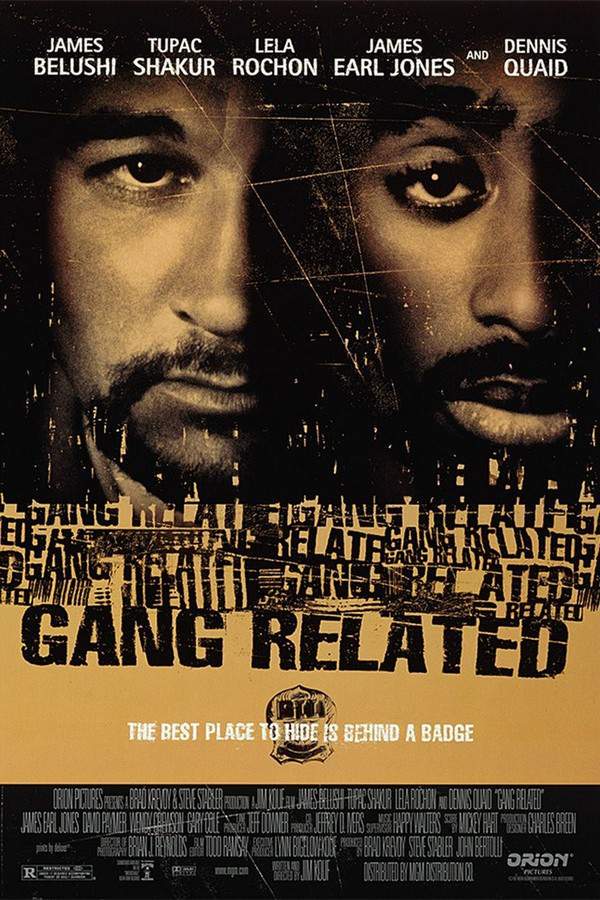
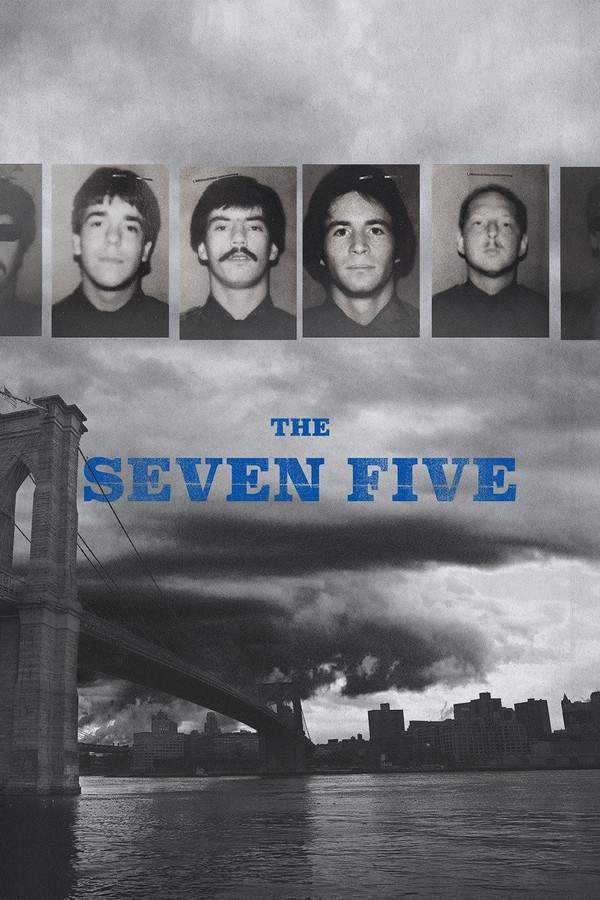
Movies about a cop fighting corruption like in Jai Gangaajal
One principled officer confronts a web of power and crime alone.Find more movies like Jai Gangaajal that follow the journey of a principled police officer standing against a deeply corrupt system. These films are fast-paced, high-stakes dramas about moral conflict, political power, and the heavy weight of upholding the law in a lawless place.










Narrative Summary
The pattern centers on a character arc: an idealistic or determined officer arrives in a new posting expecting to enforce the law, only to discover that the system itself is the enemy. The conflict is not just with external criminals but with their own colleagues and superiors. The narrative is a tense, escalating battle of wills, often culminating in a violent confrontation that forces the protagonist to make difficult moral choices.
Why These Movies?
These movies share a core character archetype and a specific type of conflict. They create a similar feel of isolation and determination against a powerful, oppressive adversary, delivering a stressful, high-intensity experience focused on systemic injustice and personal integrity.
Unlock the Full Story of Jai Gangaajal
Don't stop at just watching - explore Jai Gangaajal in full detail. From the complete plot summary and scene-by-scene timeline to character breakdowns, thematic analysis, and a deep dive into the ending - every page helps you truly understand what Jai Gangaajal is all about. Plus, discover what's next after the movie.
Jai Gangaajal Summary
Read a complete plot summary of Jai Gangaajal, including all key story points, character arcs, and turning points. This in-depth recap is ideal for understanding the narrative structure or reviewing what happened in the movie.

Characters, Settings & Themes in Jai Gangaajal
Discover the characters, locations, and core themes that shape Jai Gangaajal. Get insights into symbolic elements, setting significance, and deeper narrative meaning - ideal for thematic analysis and movie breakdowns.


