Plot Explained Spoilers guaranteed!
Plot Explained

Browse by genre

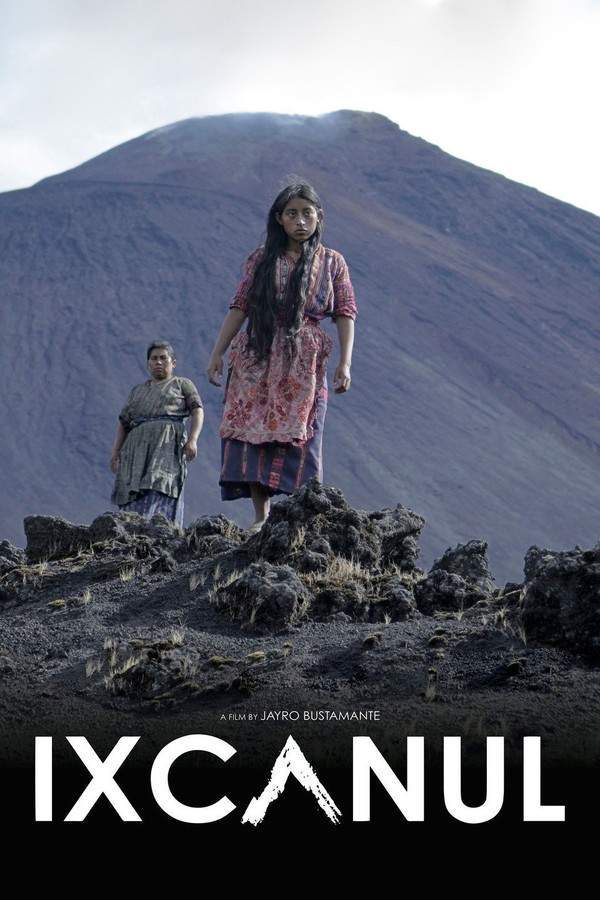
Ixcanul (2016) movie poster

Characters & Themes

Ixcanul (2016) Characters, Setting & Themes Explained

Release, runtime and language
2016 · 93 min · Spanish
Loading streaming availability…
Directed by
Jayro Bustamante

Set against the backdrop of a Guatemalan volcano, this film follows Maria, a seventeen-year-old Mayan woman whose life is upended by an arranged marriage. Yearning for a life beyond her village and a connection to the city, she struggles against restrictive traditions. A sudden medical emergency forces her into a modern hospital, revealing the complicated intersection of tradition and progress, and challenging her understanding of her own identity and future.

On this page (8)
  1. 1 Where to watch
  2. 2 Characters explained (4)
  3. 3 Where & when it takes place
  4. 4 Themes & meaning (3)
  5. 5 Character & meaning questions
  6. 6 Movie threads
  7. 7 Movies like Ixcanul
  8. 8 Every angle
Loading streaming availability…

4 main characters · contains spoilers

Ixcanul Characters Explained: Who Is Who

The main characters of Ixcanul (2016), heroes and villains: what drives them, how they change over the course of the story and what each of them reveals about the film's bigger ideas.

  • Maria

    Maria is a young Mayan woman caught between her duties to her family and her longing for a better life. Her innocence is portrayed through her desires and the decisions she makes, leading to dramatic consequences. Maria embodies resilience as she faces the multifaceted challenges of love, societal expectations, and the heartbreaking realities of motherhood.

    • 👩‍🌾 Protagonist
    • 💔 Tragic Figure
    • 🌸 Innocence
  • Pepe

    Pepe represents the allure of escape and ambition but ultimately embodies the reckless nature of uncommitted love. His promises to Maria paint a vivid picture of hope, yet he fails to uphold them, leaving her vulnerable and alone. Pepe’s character is a reflection of the conflicting desires between tradition and the chase for opportunity.

    • 🚶‍♂️ Dreamer
    • ❤️ Deceiver
    • 🌍 Escape
  • Ignacio

    Ignacio is the plantation foreman and represents the oppressive aspects of societal expectations and gender roles. Though initially portrayed as a steadfast choice for Maria, his character later reveals manipulative traits as he stands in the way of her happiness. His actions drive home the theme of control within relationships.

    • 👨‍🌾 Authority
    • 🚶‍♂️ Manipulative
    • 🔒 Conformity
  • Juana

    Juana, Maria's mother, embodies the struggle of a protective parent while dealing with the traditions that shape their lives. She is resourceful and desperate, seeking remedies to help her daughter. Juana's character reflects the generational gap in understanding the challenges faced by young women in a rigid society.

    • 👩‍👧 Protector
    • 🌿 Traditionalist
    • 💪 Strong

Last updated: October 22, 2024 at 21:33

Was this helpful?

Setting

Where and When Does Ixcanul Take Place?

The setting of Ixcanul (2016): the year and time period, the places and locations, and how they shape the characters, the mood and the tension of the story.

Time period

While the specific time period is not defined, the cultural practices and rural lifestyle depicted suggest a contemporary setting that resonates with ongoing social issues faced by indigenous communities. The film showcases a clash between traditional values and modern challenges in a society marked by economic struggles and shifting opportunities.

Location

Ixcanul, Guatemala

The film is set in Ixcanul, a village located at the foot of an active volcano in Guatemala. This rural area is known for its lush coffee plantations tended by the Kaqchikel villagers, who blend their Mayan traditions with Catholic customs. The presence of the volcano serves as a powerful symbol in the lives of the villagers, representing both danger and spiritual significance.

  • 🌋 Volcano
  • 🌱 Agriculture
  • 🏡 Village

Last updated: October 22, 2024 at 21:33

Was this helpful?

3 major themes

Ixcanul Meaning: Themes & Message Explained

What is Ixcanul (2016) really about? The emotional, social and philosophical themes the film keeps returning to, its symbolism and the message beneath the surface.

  • Love and Betrayal

    The theme of love and betrayal is central to Maria's story as she navigates her feelings for Pepe, who ultimately deceives her. This highlights the painful journey of unrequited love and the consequences of romantic choices that can upend one’s life. Maria's encounters reflect the complexities of desire and the harsh realities that ensue.

  • Justice and Inequality

    The struggle for justice in an unequal society plays a significant role in the narrative. Maria and her family face systemic barriers when seeking help from authorities, emphasizing the challenges faced by marginalized communities. The theme illustrates the inability to navigate justice and the harsh realities of social injustice and exploitation.

  • Tradition vs Modernity

    The film explores the tension between tradition and modernity through Maria's adherence to her cultural practices amidst the lure of a different life in America. The struggle to maintain cultural identity while confronting contemporary challenges is palpable, reflecting the broader issues of globalization and cultural erosion.

Last updated: October 22, 2024 at 21:33

Was this helpful?

Character & theme questions

Ixcanul Characters & Meaning: Your Questions Answered

The questions people ask about Ixcanul (2016): who the characters really are, their relationships, what the symbols mean, where it takes place and what the movie is really about. Each answer contains spoilers.

Q1

Where is Ixcanul set?

The film takes place in Ixcanul, a rural village at the foot of an active volcano in Guatemala. The village is known for its lush coffee plantations, and the area is home to Kaqchikel villagers who maintain a blend of Mayan traditions with Catholic customs. The volcano itself serves as a powerful symbol throughout the film, representing both danger and spiritual significance to the community.

  • guatemala setting
  • volcano village
  • coffee plantations
  • kaqchikel
Q2

What does the volcano symbolize in Ixcanul?

The active volcano looming over the village represents both physical danger and spiritual significance in the lives of the Kaqchikel villagers. It serves as a constant presence that reminds the community of natural threats and connects their identity to the land and ancient beliefs, reinforcing the film's themes of tradition versus the modern world.

  • volcano symbolism
  • active volcano
  • mayan spirituality
  • village danger
Q3

When does the story take place?

While the film does not specify an exact year, it depicts a contemporary setting that reflects ongoing social issues faced by indigenous communities in Guatemala. The story portrays a clash between traditional values and modern challenges in a society dealing with economic struggles and shifting opportunities.

  • time period
  • contemporary setting
  • modern Guatemala
  • indigenous communities
Q4

What are the main themes in Ixcanul?

The film explores three central themes: love and betrayal through Maria's relationship with Pepe, justice and inequality as the family faces systemic barriers when seeking help, and tradition versus modernity as Maria struggles between maintaining her cultural identity and yearning for a different life. These themes intersect to paint a portrait of a marginalized community grappling with change.

  • themes
  • love and betrayal
  • justice and inequality
  • tradition vs modernity
Q5

How does Ixcanul explore tradition vs modernity?

The film portrays the tension between tradition and modernity through Maria's internal conflict between adhering to her cultural practices and being drawn to the lure of a different life. This theme reflects broader issues of globalization and cultural erosion, as the village's way of life faces pressure from modern society and opportunities that exist beyond the plantation.

  • cultural identity
  • globalization
  • mayan traditions
  • modern challenges
Q6

What does Ixcanul say about justice and inequality?

Ixcanul depicts the systemic barriers faced by marginalized indigenous communities when seeking help from authorities. Maria and her family encounter hopelessness when navigating justice systems, illustrating the harsh realities of social injustice and exploitation that persistent in societies with deep-rooted inequality.

  • social injustice
  • marginalized communities
  • systemic barriers
  • inequality Guatemala
Q7

Who is Maria in Ixcanul?

Maria is a seventeen-year-old Mayan woman whose life is upended by an arranged marriage. She is caught between her duties to her family and her longing for a better life beyond the village. The film follows her journey as she faces the multifaceted challenges of love, societal expectations, and the realities of motherhood, embodying resilience in the face of hardship.

  • maria character
  • mayan woman
  • protagonist
  • arranged marriage
Q8

Who is Pepe in Ixcanul?

Pepe is a character who represents the allure of escape and ambition in Ixcanul. He promises Maria a different life and fills her with hope, but ultimately embodies reckless and uncommitted love. His failure to uphold his promises leaves Maria vulnerable and alone, serving as a vehicle for the theme of love and betrayal in the film.

  • pepe character
  • love interest
  • betrayal
  • escape dreams
Q9

Who is Ignacio in Ixcanul?

Ignacio is the plantation foreman in the village. He represents the oppressive aspects of societal expectations and traditional gender roles. While initially presented as a steadfast choice for Maria, his character reveals manipulative traits that stand in the way of her happiness, embodying the theme of control within relationships.

  • ignacio character
  • plantation foreman
  • gender roles
  • control relationships
Q10

Who is Juana in Ixcanul?

Juana is Maria's mother, who embodies the struggle of a protective parent navigating restrictive traditions. She is resourceful and desperate to help her daughter, seeking remedies and solutions despite the limitations imposed by their cultural context. Juana represents the generational gap in understanding the challenges faced by young women in a rigid society.

  • juana character
  • mother
  • protective parent
  • generational conflict
Q11

What kind of community lives in Ixcanul village?

The village is home to Kaqchikel villagers, an indigenous Mayan community that blends traditional Mayan customs with Catholic practices. The community relies on coffee plantation work and maintains a rural lifestyle deeply connected to the land and their ancestral traditions, while facing economic challenges and limited opportunities.

  • kaqchikel
  • indigenous community
  • coffee plantations
  • mayan traditions
Q12

What is the tone and emotional feel of Ixcanul?

Ixcanul has a melancholic tone characterized by pervasive quiet sadness and a sense of loss, particularly of innocence and opportunity. The film unfolds with deliberate, observational pacing that builds tension through accumulating hardships rather than high-drama events. The emotional weight is heavy, culminating in a bleak ending that leaves the protagonist with no recourse for justice.

  • melancholic tone
  • emotional weight
  • slow pacing
  • bleak ending
Q13

How do language barriers affect the story in Ixcanul?

The tension in Ixcanul arises significantly from cultural and language barriers between the indigenous villagers and the modern world. These communication challenges amplify the theme of systemic powerlessness, as Maria and her family struggle to navigate institutions and authorities outside their community, highlighting the isolation faced by marginalized groups.

  • language barrier
  • cultural barriers
  • communication
  • powerlessness

Movie threads

More Movies Like Ixcanul, by Mood & Story

Curated lists built around what makes Ixcanul tick: the same mood, the same kind of story or the same emotional payoff. Each list explains why these movies belong together.

Slow burn dramas about marginalized lives like Ixcanul

Quiet, observational stories that immerse you in the struggles of overlooked communities. If you appreciated the authentic, slow-paced portrayal of indigenous life in Ixcanul, explore these other movies like it. This collection features similar films that immerse you in the stories of marginalized communities, using deliberate pacing and a heavy emotional weight to explore themes of tradition, poverty, and systemic injustice.

  • oppressive
  • gritty
  • isolating
  • quiet
  • somber
  • tragic
  • Tone: melancholic, somber
  • Pacing: slow, deliberate
Why these movies?

The story pattern: These narratives often follow a straightforward, linear path, observing a protagonist navigating the confines of their social and cultural environment. The conflict is less about external villains and more about the grinding pressure of systemic forces, poverty, or rigid traditions. The journey is typically one of survival and resilience against overwhelming odds, often leading to a somber or bleak conclusion.

Why they belong together: Movies are grouped here for their shared commitment to portraying marginalized existences with respect and realism. They connect through a slow, observational pace, a heavy emotional tone, and a focus on the crushing weight of circumstance rather than sensationalist drama.
Bleak coming-of-age stories with systemic tragedy like Ixcanul

Young protagonists whose journey into adulthood is defined by tragedy and powerlessness. For viewers who were moved by the tragic loss of innocence in Ixcanul, this list recommends similar movies about young characters whose lives are upended by systemic injustice. These films share a heavy emotional weight, a bleak ending, and a focus on the powerlessness of individuals against larger societal structures.

  • tragic
  • bleak
  • powerless
  • somber
  • devastating
  • loss of innocence
  • Tone: tragic, melancholic
  • Pacing: slow, steady
Why these movies?

The story pattern: The narrative arc follows a young person, often from an isolated or traditional background, who yearns for something more. Their aspirations are met with a devastating event or series of events that expose their vulnerability within an uncaring system. The story concludes not with growth or empowerment, but with a sense of entrapment and the extinguishing of their spirit, highlighting a profound injustice.

Why they belong together: These films are united by their exploration of a specific, harsh coming-of-age pattern. They share a heavy, melancholic tone, a straightforward narrative leading to a bleak conclusion, and a core thematic focus on the destruction of youthful hope by impersonal, systemic power.

If you liked this

Movies Like Ixcanul

Similar movies to Ixcanul: the same genre, themes or kind of story. Each one comes with its own plot summary, timeline and ending explained.

Browse all movie summaries

Every angle

Ixcanul (2016) Explained: Plot, Timeline & Characters

Everything about Ixcanul in one place: what happens in the plot summary, the timeline in chronological order, the characters and meaning and a spoiler-free summary. What's After the Movie adds the cast, box office and post-credit scenes.

Coming soon on iOS and Android

The Plot Explained Movie Summary App

Plot summaries, endings explained and timelines on your phone. Catch up on any movie in minutes, save your favorites and never miss a twist again.

Be the first to know when we launch. Your email stays private, always.

Learn more about the app