Plot Explained Spoilers guaranteed!
Plot Explained

Browse by genre

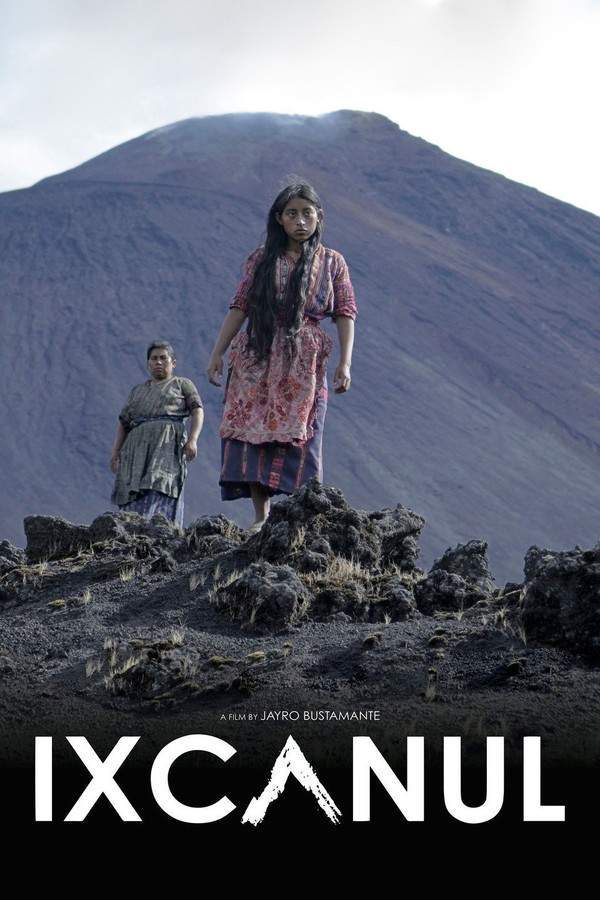
Ixcanul (2016) movie poster

Plot Summary

Ixcanul (2016) Plot Summary Explained

Release, runtime and language
2016 · 93 min · Spanish
Loading streaming availability…
Directed by
Jayro Bustamante

Set against the backdrop of a Guatemalan volcano, this film follows Maria, a seventeen-year-old Mayan woman whose life is upended by an arranged marriage. Yearning for a life beyond her village and a connection to the city, she struggles against restrictive traditions. A sudden medical emergency forces her into a modern hospital, revealing the complicated intersection of tradition and progress, and challenging her understanding of her own identity and future.

On this page (6)
  1. 1 Where to watch
  2. 2 What happens: full plot
  3. 3 Plot questions answered
  4. 4 Movie threads
  5. 5 Movies like Ixcanul
  6. 6 Every angle
Loading streaming availability…

Full plot summary · contains spoilers

What Happens in Ixcanul: Full Plot Summary

The whole story of Ixcanul (2016) explained, from the opening scene to the final frame: every key event, every twist and what it all adds up to. Read it as a quick recap before the sequel, to check a scene you missed, or to finally understand what really happened.

The story unfolds in a village nestled at the foot of an active volcano, where Maria and her family passionately tend to their coffee crops. The Kaqchikel villagers, like many Mayans, harmoniously blend elements of Catholicism with their age-old Maya traditions, honoring both the Christian God and the goddess believed to reside within the volcano. Confined within her village, Maria's life revolves around the land and its customs. Although she is betrothed to Ignacio, the plantation foreman, her heart yearns for Pepe, a younger worker eager to escape to the United States. Pepe paints an enticing image of America, a place brimming with abundance and opportunities that seem unattainable in Guatemala. When Maria inquires about traveling with him, Pepe suggests a troubling condition—intimacy with him, despite cautioning her about the perils of the journey across deserts and rivers.

As fate would have it, the plantation becomes infested with dangerous snakes, making it increasingly perilous for Maria and her family to cultivate their fields. Ignacio leaves for the city, assuring Maria he will return to marry her. Driven by curiosity and perhaps desperation, the innocent Maria indulges in exploring her sexuality and, in a moment of vulnerability, seduces Pepe outside their bar. After they share a passionate encounter, Pepe reassures her that pregnancy is unlikely on their first time, but unbeknownst to her, Maria becomes pregnant. Despite his earlier promises, Pepe abandons her after squandering his wages at the bar, leaving her emotionally shattered and without a trace of his intentions.

Upon learning of Maria's pregnancy, her parents are enraged, fearing the wrath of Ignacio, who may evict them from their home. Her mother, Juana, desperately attempts various folk remedies to terminate the pregnancy, but none prove effective, leading her to believe that the child is meant to be born. In a bid to save their livelihoods, Maria proposes that if they could drive the snakes away, they could replant their coffee and thus secure their future against eviction. However, their attempt to clear the fields leads to another snake infestation. Juana informs Maria that pregnancy gifts her with a mystical "light" to fend off danger, urging her to seek the help of a Mayan shaman. Though cautious, Maria decides to undertake the ritual, attempting to harness her inner strength, but unfortunately, she suffers a snake bite in the process and is rushed to a nearby hospital.

At the hospital, the language barrier creates a formidable obstacle as the staff cannot communicate with Maria, leaving her in a state of confusion regarding her treatment and paperwork. Eventually, she survives the ordeal, but the devastating news follows—her baby has not made it. Devastated and consumed by grief, Maria seeks closure by unearthing her child, only to discover the coffin contains nothing but a brick and a blanket. Determined to find justice and uncover the truth, Maria and her family take their plight to the authorities, but the Spanish-speaking police dismiss their complaints, leaving them to navigate through systemic barriers. Ignacio, manipulating the situation, sabotages their attempts for help. The film culminates with Maria, resigned yet dignified, as she dons traditional Mayan bridal attire, preparing to marry Ignacio, trapped in a web of her circumstances.

Last updated: November 16, 2024 at 14:44

Was this helpful?

Plot questions answered

Ixcanul Plot Explained: Your Questions Answered

The questions people ask most about Ixcanul (2016): what happens in the confusing scenes, why the characters do what they do, the twists, hidden details and what the ending means. Each answer contains spoilers.

Q1

Why does Maria choose Pepe over Ignacio?

Maria is drawn to Pepe because he represents escape from her constrained village life. While Ignacio offers stability and tradition as the plantation foreman, Pepe promises a journey to America, a land of opportunity that Maria can only dream of. Her desire for freedom and a life beyond the plantation drives her choice, despite the risks involved.

Foreshadowing: Earlier scenes show Maria confined to her village, tending coffee crops, establishing her deep yearning for something more.

  • maria
  • pepe
  • ignacio
  • escape
  • america
  • village
Q2

Why does Pepe abandon Maria after their encounter?

After sharing an intimate encounter with Maria, Pepe wastes his wages at the bar and disappears without a trace. His abandonment reveals his true character, he offered Maria a vision of a better life but had no intention of following through. He represents the trap the broken promises that villagers in their circumstances.
Foreshadowing: Pepe's condition that Maria be intimate with him before she can travel reveals his manipulative nature.

  • pepe
  • abandonment
  • bar
  • wages
  • pregnancy
Q3

Why does Juana try folk remedies to end the pregnancy?

When Maria's pregnancy is discovered, her parents fear Ignacio's wrath, he may evict them from their home for her infidelity. Desperate to hide the pregnancy and preserve their livelihood, Juana attempts various traditional folk remedies to terminate it. When these fail, she accepts the pregnancy as destined, reflecting the blend of Catholic and Maya beliefs guiding their decisions.

Foreshadowing: The betrothal to Ignacio was arranged for stability, creating high stakes when Maria breaks that commitment.

  • juana
  • pregnancy
  • folk remedies
  • ignacio
  • eviction
Q4

Why do snakes infest the plantation?

The snake infestation creates mounting pressure on Maria's family. As the dangerous snakes make cultivation increasingly perilous, Ignacio leaves for the city, promising to return to marry Maria. This forces the family into desperation, Maria suggests driving the snakes away so they can replant and secure their future against potential eviction.

Foreshadowing: The infestation begins early in the film, establishing the precariousness of the family's livelihood.

  • snakes
  • plantation
  • coffee
  • eviction
  • livelihood
Q5

Why does Maria undergo the shaman ritual?

Juana tells Maria that pregnancy grants her a mystical protective "light" to ward off danger, including snakes. Desperate to protect her family and their fields, Maria attempts the ritual to harness this supposed power. During the ceremony, she is bitten by a snake and rushed to the hospital, tragic irony showing the ritual offers no real protection.

Foreshadowing: The Maya traditions mentioned earlier establish the cultural context for believing in such spiritual powers.

  • shaman
  • ritual
  • light
  • snake bite
  • pregnancy
Q6

Why can't the hospital staff communicate with Maria?

A significant language barrier exists between Maria and the hospital staff. As a Kaqchikel Mayan speaker from a rural village, Maria does not speak Spanish fluently, and the hospital workers do not speak her language. This communication gap leaves Maria confused about her treatment and paperwork, symbolizing the larger systemic barriers between indigenous people and modern institutions.

Foreshadowing: The film's depiction of the Kaqchikel village establishes their distinct language and cultural separation.

  • hospital
  • language barrier
  • communication
  • spanish
  • indigenous
Q7

Why is the coffin empty when Maria uncovers it?

After surviving the snake bite, Maria learns her baby did not survive. When she digs up the coffin seeking closure, she finds only a brick and a blanket, no baby. This devastating discovery represents the final injustice in a series of betrayals. The hospital either disposed of the infant improperly or never gave Maria accurate information about what happened.

Foreshadowing: The language barrier at the hospital foreshadows this misunderstanding and lack of proper care.

  • baby
  • coffin
  • brick
  • blanket
  • hospital
  • death
Q8

Why do the police dismiss Maria's complaints?

Maria and her family travel to the police station seeking justice for what happened at the hospital. However, the Spanish-speaking police dismiss their complaints entirely. The indigenous family faces systemic barriers, language differences, cultural disconnect, and institutional prejudice prevent them from being heard or receiving help.

Foreshadowing: The language barrier at the hospital established the communication gap that continues at the police station.

  • police
  • complaint
  • language
  • spanish
  • injustice
  • systemic
Q9

Why does Ignacio sabotage Maria's attempts for help?

Ignacio manipulates the situation to tighten his control over Maria. Rather than helping her seek justice, he uses her vulnerable position, her pregnancy, the lost baby, her family's desperation, to ensure she has no recourse except to marry him. His sabotage reflects his character as someone who prioritizes ownership and control over compassion.

Foreshadowing: Earlier, Ignacio's departure for the city after the snake infestation established his pattern of using leverage.

  • ignacio
  • manipulation
  • sabotage
  • marriage
  • control
Q10

Why does Maria ultimately marry Ignacio?

After losing her baby, facing hospital injustice, having her police complaint dismissed, and being manipulated by Ignacio, Maria has no remaining options. She is trapped, her family faces eviction without Ignacio's protection, and the systemic barriers have left her with no recourse. The film ends with Maria donning traditional Mayan bridal attire, resigned to a marriage she never wanted but cannot escape.

Foreshadowing: The entire film builds toward this conclusion: Maria's choices were constrained from the start, and each tragedy narrows her options further.

  • maria
  • ignacio
  • marriage
  • resignation
  • trapped
  • ending
Q11

What does the volcano represent in the film?

The active volcano towering over the village represents the spiritual heart of the Kaqchikel people, they believe a goddess resides within it. The volcano embodies the blend of Catholicism and Maya traditions that define the village's identity. It also serves as a powerful backdrop, symbolizing the ancient, enduring presence of indigenous culture against modern pressures.

Foreshadowing: The opening scenes establish the volcano as the village's spiritual and physical anchor.

  • volcano
  • maya
  • goddess
  • tradition
  • culture
  • symbolism

Movie threads

More Movies Like Ixcanul, by Mood & Story

Curated lists built around what makes Ixcanul tick: the same mood, the same kind of story or the same emotional payoff. Each list explains why these movies belong together.

Slow burn dramas about marginalized lives like Ixcanul

Quiet, observational stories that immerse you in the struggles of overlooked communities. If you appreciated the authentic, slow-paced portrayal of indigenous life in Ixcanul, explore these other movies like it. This collection features similar films that immerse you in the stories of marginalized communities, using deliberate pacing and a heavy emotional weight to explore themes of tradition, poverty, and systemic injustice.

  • oppressive
  • gritty
  • isolating
  • quiet
  • somber
  • tragic
  • Tone: melancholic, somber
  • Pacing: slow, deliberate
Why these movies?

The story pattern: These narratives often follow a straightforward, linear path, observing a protagonist navigating the confines of their social and cultural environment. The conflict is less about external villains and more about the grinding pressure of systemic forces, poverty, or rigid traditions. The journey is typically one of survival and resilience against overwhelming odds, often leading to a somber or bleak conclusion.

Why they belong together: Movies are grouped here for their shared commitment to portraying marginalized existences with respect and realism. They connect through a slow, observational pace, a heavy emotional tone, and a focus on the crushing weight of circumstance rather than sensationalist drama.

Bleak coming-of-age stories with systemic tragedy like Ixcanul

Young protagonists whose journey into adulthood is defined by tragedy and powerlessness. For viewers who were moved by the tragic loss of innocence in Ixcanul, this list recommends similar movies about young characters whose lives are upended by systemic injustice. These films share a heavy emotional weight, a bleak ending, and a focus on the powerlessness of individuals against larger societal structures.

  • tragic
  • bleak
  • powerless
  • somber
  • devastating
  • loss of innocence
  • Tone: tragic, melancholic
  • Pacing: slow, steady
Why these movies?

The story pattern: The narrative arc follows a young person, often from an isolated or traditional background, who yearns for something more. Their aspirations are met with a devastating event or series of events that expose their vulnerability within an uncaring system. The story concludes not with growth or empowerment, but with a sense of entrapment and the extinguishing of their spirit, highlighting a profound injustice.

Why they belong together: These films are united by their exploration of a specific, harsh coming-of-age pattern. They share a heavy, melancholic tone, a straightforward narrative leading to a bleak conclusion, and a core thematic focus on the destruction of youthful hope by impersonal, systemic power.

If you liked this

Movies Like Ixcanul

Similar movies to Ixcanul: the same genre, themes or kind of story. Each one comes with its own plot summary, timeline and ending explained.

Browse all movie summaries

Every angle

Ixcanul (2016) Explained: Plot, Timeline & Characters

Everything about Ixcanul in one place: what happens in the plot summary, the timeline in chronological order, the characters and meaning and a spoiler-free summary. What's After the Movie adds the cast, box office and post-credit scenes.

Coming soon on iOS and Android

The Plot Explained Movie Summary App

Plot summaries, endings explained and timelines on your phone. Catch up on any movie in minutes, save your favorites and never miss a twist again.

Be the first to know when we launch. Your email stays private, always.

Learn more about the app