Plot Explained Spoilers guaranteed!
Plot Explained

Browse by genre

I Vitelloni (1953) movie poster

Timeline

I Vitelloni (1953) Timeline Explained – Every Event in Order

Release, runtime and language
1953 · 103 mins · Italian
Directed by
Federico Fellini
Starring
Alberto Sordi, Franco Fabrizi, Franco Interlenghi, Leopoldo Trieste, Silvio Bagolini, Riccardo Fellini

Five restless youths linger in a sleepy Italian town, each chasing hollow ambitions. Fausto, the leader, is a womanizer; Riccardo craves fame; Alberto drifts in dreams; Moraldo longs for city life; Leopoldo aspires to be a playwright. Their lazy days unfold on a river‑edge beach, as Fausto’s affairs alarm his pregnant wife and the group drifts from one uneventful episode to the next.

On this page (5)
  1. 1 Events in order (14)
  2. 2 Timeline questions answered
  3. 3 Movie threads
  4. 4 Movies like I Vitelloni
  5. 5 Every angle

14 events in order · contains spoilers

I Vitelloni Timeline: Events in Chronological Order

Every key event of I Vitelloni (1953) in order, scene by scene, with when and where it takes place. Use it to untangle flashbacks, time jumps and parallel storylines, to refresh your memory before the sequel or to find the exact scene you are thinking of.

  1. Pageant interruption and a secret

    A violent downpour on the Adriatic coast interrupts the beachside beauty pageant. Sandra Rubini, crowned Miss Mermaid 1953, faints, and rumors spread that she is pregnant by Fausto Moretti. The town buzzes with speculation as summer ends.

    When
    End of summer
    Where
    Beachside town on the Adriatic coast
  2. Shotgun wedding

    Under pressure from Francesco, Fausto agrees to a shotgun wedding with Sandra. The ceremony is a sparsely attended middle-class affair. The newlyweds then depart for a honeymoon in Rome.

    When
    Shortly after pageant
    Where
    Local town church
  3. Rome honeymoon

    Fausto and Sandra leave for a honeymoon in Rome, stepping into a world beyond their provincial town. The trip marks a temporary escape from the town's expectations. The couple returns to a different reality, still financially strapped.

    When
    Immediately after wedding
    Where
    Rome
  4. Back from honeymoon, unemployed

    Fausto returns to an unemployed life, living with his parents. His twenty-something friends drift from empty cafés to seedy pool halls and windswept beaches, filling time with petty pranks. One reckless day they taunt road workers from a luxury car, only to be beaten when the car breaks down.

    When
    After honeymoon
    Where
    Provincial town
  5. Moraldo's quiet longing

    Moraldo, the youngest vitellone, watches Fausto's womanizing with unease and questions the point of their provincial lives. He dreams of escaping to the city, balancing desire with loyalty to family and friends.

    When
    Around this period
    Where
    Town
  6. Friends' ambitions and dreams

    Riccardo nurtures ambitions to sing and act. Alberto is a daydreamer living with his mother and Olga, who secretly dates a married man. Leopoldo writes a play and discusses it with Natali, an eccentric stage actor he hopes will perform in it.

    When
    Ongoing
    Where
    Town
  7. New job at Curti’s shop

    Back from the honeymoon, Fausto takes a job as a stockroom assistant in Michele Curti's religious articles shop. The respectable steady job clashes with his restless temperament and lifestyle.

    When
    After wedding
    Where
    Curti shop
  8. Infidelity persists

    Fausto continues to pursue other women even in Sandra’s presence, showing his inability to settle into a conventional marriage. His flirtations intensify the strain of their precarious domestic life.

    When
    Post-honeymoon
    Where
    Shop and home
  9. Masquerade ball and surreal spectacle

    At the annual masquerade ball, Fausto is bedazzled by Giulia Curti, the wife of his employer. Alberto, in drag and wearing an oversized carnaval head, performs a surreal dance that unsettles the evening. The night exposes fractures beneath the town’s respectable surface.

    When
    During the ball
    Where
    Ball hall
  10. Olga’s elopement

    Returning from the ball at dawn, Alberto is shattered to learn that his sister Olga is running off with her lover. The revelation further strains the family’s fragile stability.

    When
    Dawn after ball
    Where
    Family home
  11. The statue theft

    Fausto makes a clumsy play for Giulia, then is humiliated when her husband fires him. In revenge, he steals a statue of an angel from Curti’s shop and enlists Moraldo to help hawk it. They fail to pawn it to a convent or a monk, who both turn them away.

    When
    Night
    Where
    Curti shop and surrounding locales
  12. The statue’s fate

    The angel statue is abandoned with a simple-minded peasant who sets it on a mound outside his hut and caresses it. The object becomes a quiet, strange remnant of the characters’ failed swagger.

    When
    Sometime after the theft
    Where
    Peasant’s hut on the hillside
  13. Sandra’s departure and the search

    Sandra runs away with the baby after a one-night stand. Moraldo and the others join Fausto in a desperate search for wife and child. They eventually find her at Fausto’s father’s home, where Francesco belts Fausto in a fit of rage.

    When
    After the search
    Where
    Fausto’s father’s home
  14. Reconciliation and a last image

    Fausto and Sandra reconcile and walk home together, hopeful about their life ahead despite the town’s stifling ordinariness. Meanwhile, Moraldo boards a train, imagining his friends sleeping and dreaming their lives away in some distant future.

    When
    Evening
    Where
    Town streets and train station

Last updated: October 09, 2025 at 09:32

Was this helpful?

Timeline questions answered

I Vitelloni Timeline Explained: Your Questions Answered

When does it happen, and why in that order? The questions people ask about the chronology of I Vitelloni (1953): time jumps, flashbacks, cause and effect between scenes and the correct order of events, each answered with spoilers.

Q1

Why does Fausto keep chasing other women even after marrying Sandra?

Fausto's womanizing stems from his inability to settle into conventional life. Even after the shotgun wedding and despite Sandra's pregnancy, his restless temperament and need for excitement override any commitment to marriage. The job at the religious articles shop represents the boring adult responsibility he resents, and his flirtations are his way of asserting freedom against the provincial monotony that suffocates him.

Foreshadowing: His reputation for flirtation is established early, with rumors about Sandra's pregnancy spreading even before the wedding.

  • fausto
  • sandra
  • marriage
  • infidelity
  • womanizing
Q2

Why does Moraldo decide to leave at the end?

Moraldo has spent the entire film watching his friends waste away in pointless pursuits while dreaming of something bigger. His unease with Fausto's behavior and his own stagnant life builds throughout the story. The final train ride represents his realization that staying in the town means forever drifting like his friends. He's the only one with enough self-awareness to choose action over stagnation.

Foreshadowing: Moraldo's longing for the city is established early when he watches the group from the margins and questions their lifestyle.

  • moraldo
  • departure
  • city
  • escape
  • dreams
Q3

Why does Olga run away with a married man?

Olga has been secretly dating a married man throughout the film, a relationship that causes tension within Alberto's family. Her elopement represents her desperate escape from a suffocating home environment where she cares for her mother and brother Alberto. The married man's promise of escape, however irresponsible, offers her a way out of her constrained life, mirroring the larger theme of characters seeking freedom through flawed choices.

Foreshadowing: Alberto's frustration with Olga's secret dating is mentioned early, showing the family's dysfunction.

  • olga
  • alberto
  • elopement
  • married man
  • escape
Q4

Why does Sandra leave with the baby after learning about Fausto's affair?

Sandra's departure happens after she hears about Fausto's one-night stand with a variety performer. The revelation compounds the humiliation she's already endured since the pregnancy rumors at the pageant. She takes the baby and runs to Fausto's father's house, seeking protection and expressing her limit of容忍. However, she eventually returns, suggesting the economic and social pressures of provincial life make leaving permanently impractical despite her justifiable anger.

Foreshadowing: Sandra's precarious position is established from the wedding onwards, as she struggles with Fausto's continued flirtations.

  • sandra
  • baby
  • departure
  • affair
  • reconciliation
Q5

Why does Fausto steal the angel statue from Curti's shop?

Fausto's theft is an act of revenge after being fired. His clumsy attempt to seduce Giulia Curti ends in humiliation when her husband discovers the truth and dismisses him from the job. The statue theft is impulsive and petty, his response to being humiliated is to take something of value rather than accept the consequences of his actions. He involves Moraldo, pulling his brother-in-law into the failed scheme.

Foreshadowing: Fausto's pattern of reckless behavior and inability to accept rejection builds throughout his interactions with women and at work.

  • fausto
  • statue
  • theft
  • curtis shop
  • revenge
Q6

What does "vitelloni" mean in the context of the film?

Vitelloni literally means "big calves" or "young bulls" in Italian, a term for idle young men who loiter in small towns without purpose. The film portrays five such men, Fausto, Moraldo, Riccardo, Alberto, and Leopoldo, who spend their days drifting between cafes and beaches, chasing hollow ambitions while accomplishing nothing. The term captures the film's critique of provincial stagnation and arrested development.

  • vitelloni
  • title
  • meaning
  • idle
  • young men
Q7

What is the significance of Alberto's carnival head at the masquerade ball?

Alberto's surreal dance wearing an oversized papier-mâché carnival head represents his escape into fantasy and his emotional instability. Dressed in drag and visibly intoxicated, he performs a strange fandango that unsettles the other guests. This moment reveals how disconnected Alberto is from reality, he retreats into dreamlike states, much like his general character as a hopeless daydreamer who cannot face the disappointments of his life, including his sister's problematic relationship.

Foreshadowing: Alberto is established early as a daydreamer living with his mother, avoiding real responsibilities.

  • alberto
  • carnival
  • masquerade ball
  • dance
  • surreal
Q8

Why does Leopoldo run away from Natali after their walk?

Leopoldo is an aspiring playwright who seeks out the eccentric stage actor Sergio Natali to perform his work. When Natali propositioned him during their late-night walk along the sea, Leopoldo is frightened and confused by the advance. His flight represents both his naivety about the theatrical world and his personal uncertainty about his own identity and aspirations. This incident underscores the theme of frustrated dreams and the harsh reality that the artistic world heIdealizes has complications he wasn't prepared for.

Foreshadowing: Leopoldo's ambition to be a playwright and his naive excitement about working with Natali is established earlier.

  • leopoldo
  • natali
  • proposition
  • playwright
  • escape
Q9

What happens to the stolen statue after Fausto and Moraldo fail to sell it?

After Fausto and Moraldo fail to pawn the stolen angel statue to a convent or a monk, both refuse the risky purchase, they abandon it with a simple-minded peasant living on a hillside. The peasant places the statue on a sun-warmed mound outside his hut and tends to it with religious devotion, caressing it gently. The statue becomes a strange, quiet symbol of failed ambition and misplaced reverence, finding an unlikely home with someone who gives it more care than it ever received in the shop.

Foreshadowing: The failed attempts to sell the statue set up its ultimate abandonment.

  • statue
  • peasant
  • abandoned
  • angel
  • fate
Q10

Do Fausto and Sandra reconcile at the end of the film?

Yes, Fausto and Sandra reconcile and walk home together after Sandra temporarily left with the baby. The reconciliation is tentative and fragile, not a triumphant moment. They appear hopeful about finding a life beyond the town's boundaries, but the future remains uncertain. This bittersweet ending reflects the film's theme, change is possible but difficult, and the characters must choose between repeating old patterns or truly breaking free.

Foreshadowing: Francesco's violent reaction when they find Sandra hints at the family's dysfunction but also the pressure to maintain appearances.

  • fausto
  • sandra
  • reconciliation
  • ending
  • hopeful
Q11

What happens to Riccardo, Alberto, and Leopoldo after Moraldo leaves?

The film ends with an image of Moraldo on a train, imagining his friends sleeping and dreaming their lives away in some distant future. Riccardo, Alberto, and Leopoldo remain in the provincial town, continuing their aimless existence. The film suggests they will keep drifting from cafes to pool halls, chasing unfulfilled ambitions without the self-awareness or courage to change. Their stagnation contrasts with Moraldo's choice to act, even though his destination and future are uncertain.

Foreshadowing: Throughout the film, each character's failed ambitions are established, Riccardo's singing dreams, Alberto's fantasy, Leopoldo's play.

  • riccardo
  • alberto
  • leopoldo
  • future
  • stagnation
Q12

How does the town trap the five friends?

The small Adriatic coastal town offers no opportunities or stimulation for the five young men, leaving them trapped in a cycle of boredom and petty mischief. They fill days with taunting road workers, loitering in cafes, and discussing dreams they never pursue. The town's provincial nature, represented by the gossip at the pageant, the expectations of family, and the limited social horizons, stifles any ambition. Even Fausto's marriage and job cannot anchor him because the town's emptiness drives his restlessness.

Foreshadowing: The opening sets the town as a place where summer ends and nothing changes, with the rain interrupting the pageant symbolizing stagnation.

  • town
  • trap
  • provincial
  • stagnation
  • dreams

Movie threads

More Movies Like I Vitelloni, by Mood & Story

Curated lists built around what makes I Vitelloni tick: the same mood, the same kind of story or the same emotional payoff. Each list explains why these movies belong together.

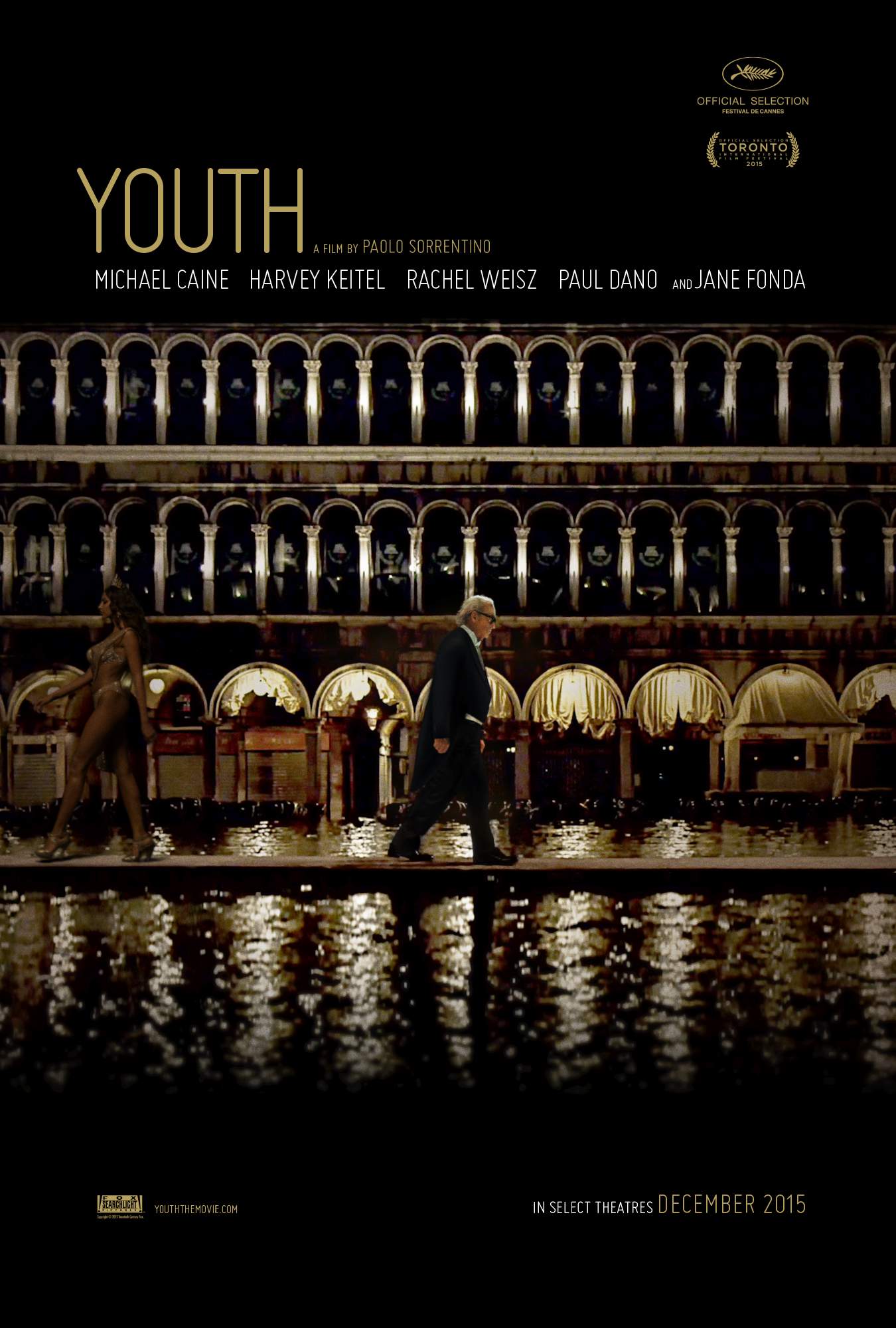
Melancholic Portraits of Idle Youth like in I Vitelloni

Coming-of-age tales set in sleepy towns, filled with yearning and unfulfilled dreams. Discover movies like I Vitelloni that explore the listless lives of young adults in small towns. If you enjoyed the melancholic, character-driven study of friendship and ambition, you'll find similar stories of yearning and arrested development in these films.

  • melancholic
  • nostalgic
  • yearning
  • aimless
  • provincial
  • reflective
  • Tone: melancholic, reflective, bittersweet
  • Pacing: slow, deliberate, observational
Why these movies?

The story pattern: Stories in this thread follow an episodic, character-driven structure, often without a central plot. They unfold through a series of uneventful encounters and conversations, building a cumulative portrait of stagnation, shared bonds, and the tension between longing for escape and the comfort of familiar surroundings.

Why they belong together: These films are grouped by their shared mood of wistful melancholy, a slow, observational pace, and a focus on the universal experience of youthful ennui. They resonate with anyone who has experienced the gap between aspiration and reality.
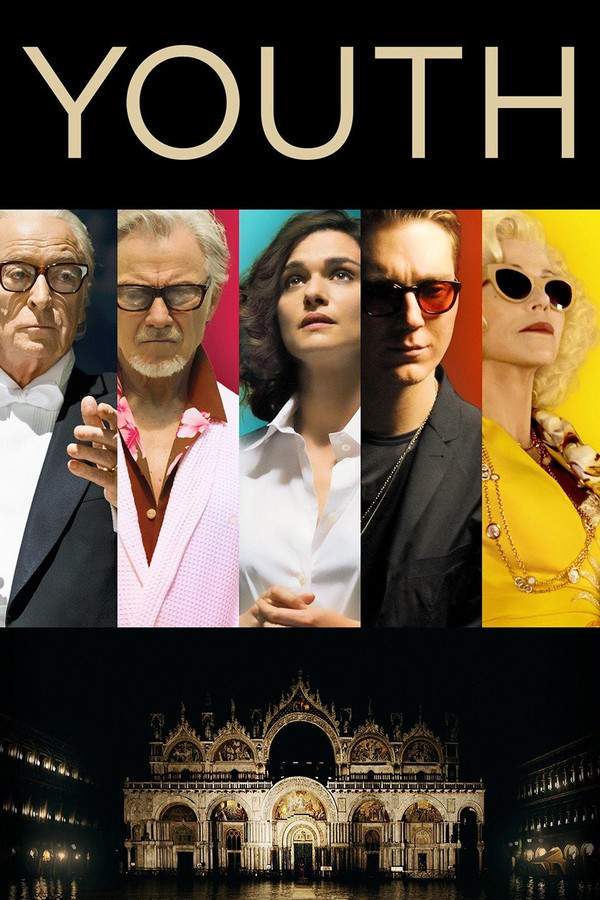
Bittersweet Ensemble Character Studies like in I Vitelloni

Intimate stories following a group of friends, each with their own struggles and dreams. Explore films similar to I Vitelloni that center on a group of friends navigating life. These ensemble dramas share a straightforward narrative complexity and a bittersweet tone, perfect if you liked the reflective look at friendship and personal dreams.

  • ensembledrama
  • characterdriven
  • bittersweet
  • poignant
  • relational
  • grounded
  • Tone: bittersweet, observational, poignant
  • Pacing: steady, character-driven
Why these movies?

The story pattern: The narrative pattern involves weaving together the individual storylines of several main characters, often friends or a found family. The plot is secondary to exploring their personalities, relationships, and internal conflicts. The ending typically sees some characters finding a measure of resolution or change, while others remain unchanged, creating a realistic and bittersweet feel.

Why they belong together: They are connected by their ensemble structure, straightforward storytelling that favors emotion over plot twists, and a balanced emotional tone that finds poignancy in everyday life. The focus is on the authenticity of human connection and individual journeys.

If you liked this

Movies Like I Vitelloni

Similar movies to I Vitelloni: the same genre, themes or kind of story. Each one comes with its own plot summary, timeline and ending explained.

Browse all movie summaries

Every angle

I Vitelloni (1953) Explained: Plot, Timeline & Characters

Everything about I Vitelloni in one place: what happens in the plot summary, the timeline in chronological order, the characters and meaning and a spoiler-free summary. What's After the Movie adds the cast, box office and post-credit scenes.

Coming soon on iOS and Android

The Plot Explained Movie Summary App

Plot summaries, endings explained and timelines on your phone. Catch up on any movie in minutes, save your favorites and never miss a twist again.

Be the first to know when we launch. Your email stays private, always.

Learn more about the app