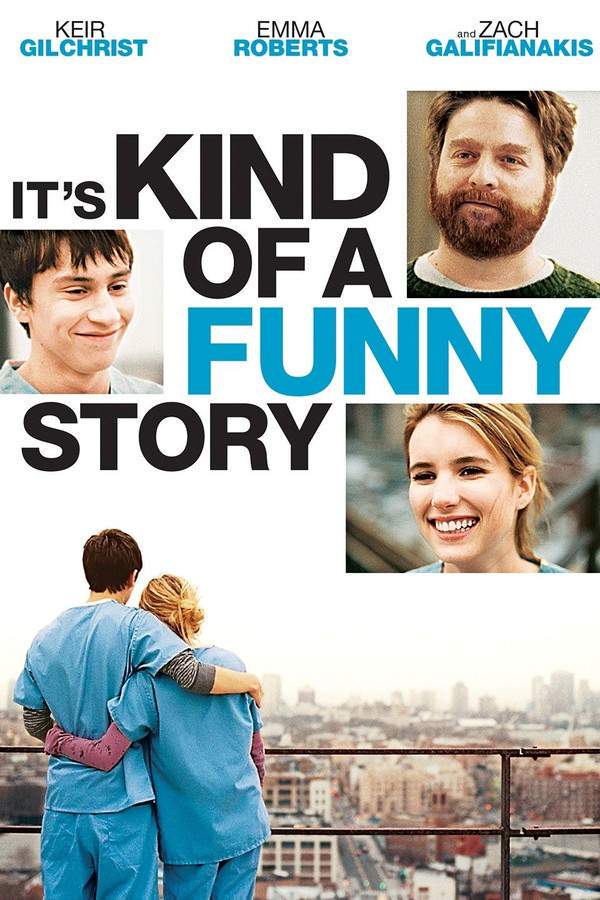
It's Kind of a Funny Story
 #6,579 8
 Year: 2010
Runtime: 101 min
Language: English
Directors: Anna Boden, Ryan Fleck
Budget: $8M
Craig Gilner, a teenager struggling with overwhelming anxiety, voluntarily checks himself into a mental health clinic in Brooklyn. Due to an administrative error, he’s placed in the adult ward, where he unexpectedly connects with patients Bobby and Noelle. During his five-day stay, Craig experiences a unique perspective on life, love, and the challenges of growing up, while also confronting his own insecurities and the pressures he faces.
Where to Watch It's Kind of a Funny Story?
Find where to stream, rent, or buy It's Kind of a Funny Story (2010) in the US with current JustWatch availability, up-to-date pricing, and platform listings for subscription, rental, and digital purchase options.








Warning: spoilers below!
Haven’t seen It's Kind of a Funny Story yet? This summary contains major spoilers. Bookmark the page, watch the movie, and come back for the full breakdown. If you're ready, scroll on and relive the story!
Timeline – It's Kind of a Funny Story (2010)
Trace every key event in It's Kind of a Funny Story (2010) with our detailed, chronological timeline. Perfect for unpacking nonlinear stories, spotting hidden connections, and understanding how each scene builds toward the film’s climax. Whether you're revisiting or decoding for the first time, this timeline gives you the full picture.
Last updated: November 03, 2024 at 23:38
It's Kind of a Funny Story (2010) Timeline Questions Answered – Chronology FAQ
Find frequently asked questions about the It's Kind of a Funny Story (2010) timeline, including chronological order, nonlinear jumps, cause-and-effect links, and scene sequence clarifications. This timeline FAQ helps explain when key events happen, how moments connect, and why the story unfolds in that specific order.
Why does Craig decide to check himself into the hospital?
Craig decides to check himself into the psychiatric ward after standing on the Brooklyn Bridge and contemplating suicide. Overwhelmed by anxiety and the pressure he feels from school and his family's expectations, he chooses to seek help rather than give in to despair. He tells Dr. Mahmoud that he needs help, and is admitted for a five-day stay.
Why is Craig placed in the adult psychiatric ward?
Craig is placed in the adult ward because the hospital has a lack of teenage patients at the time of his admission. Since the teen ward is empty, the administrative error results in him being placed among adult patients dealing with serious mental health issues, making him feel out of place and anxious in his new environment.
Why does Bobby say he's on vacation in the hospital?
Bobby claims he's on vacation as a defense mechanism to cope with the stigma of being in a psychiatric ward. His lighthearted attitude masks the reality that he is a father who has faced several suicide attempts. The 'vacation' persona allows him to maintain a sense of dignity while dealing with his serious mental health struggles.
Why does Noelle leave after hearing Craig confess his love to Nia?
Noelle leaves because she has developed romantic feelings for Craig and is hurt by hearing him declare his love for Nia right in front of her. She had been inspired by Craig's kindness when he lent Bobby a dress shirt, and they had connected during their painting session. Upon hearing the confession, she takes her self-portrait and leaves in dismay.
Earlier moments between Craig and Noelle, including their painting session and mutual support, hinted at their growing connection.
What happens to Bobby at the end of the movie?
At the end of the movie, Bobby is accepted into a halfway house, which represents a positive step in his recovery journey. On Craig's last night, they exchange heartfelt goodbyes and share a moment reflecting on imagined brain maps, symbolizing their meaningful connection and mutual support during their time in the ward.
Why does Craig confront his father about his aspirations after leaving the hospital?
After leaving the hospital, Craig confronts his father because his experience in the psychiatric ward helped him realize his true passions lie in creative pursuits like painting and singing, rather than following his father's ambition for him to become a corporate success. The hospitalization gave him the clarity and courage to articulate his own goals.
What does the city map Craig paints represent?
During a creative painting session with Noelle, Craig illustrates a city map that symbolizes his mind. The map represents the complexity of his thoughts and mental state, with different areas representing various aspects of his psyche. This artistic expression becomes a pivotal moment in his therapeutic journey and his connection with Noelle.
Is Craig completely cured when he leaves the hospital?
Craig does not leave the hospital completely cured. Instead, he leaves with a renewed resolve to embrace life and pursue his own path. The film emphasizes that recovery is a journey rather than an instant cure, and Craig gains the courage to face his challenges with a fresh perspective and stronger sense of self.
Why does Craig throw a pizza party for the patients on his last night?
Craig organizes a pizza party on his last night to bring joy and camaraderie to his fellow patients, showing his growth from a anxious newcomer to someone who cares about others. The party represents his appreciation for the community he found in the ward and his desire to give back before leaving, demonstrating the supportive relationships he developed during his stay.
Why does Noelle become interested in Craig after he lends Bobby a shirt?
Noelle becomes interested in Craig after witnessing his act of kindness when he offers one of his father's dress shirts to Bobby for his upcoming interview. This gesture shows Craig's compassionate nature and willingness to help others, which inspires Noelle to invite him to meet later that evening, leading to their deeper connection through the painting session.
Why does Muqtada stay in his room throughout the movie?
Craig's elderly roommate Muqtada stays in his room, appearing withdrawn and isolated. On Craig's final night, Craig encourages Muqtada to step beyond the confines of his room with the power of music, representing one of Craig's final acts of encouraging others to break free from their mental constraints.
How do Craig and Noelle reconcile after the confession incident?
After Craig's confession to Nia hurts Noelle, they eventually reconcile and share a liberating moment together. They run through the hospital in scrubs and ultimately share a kiss on the roof, symbolizing their renewed bond and mutual understanding despite the earlier misunderstanding.

Explore Movie Threads
Discover curated groups of movies connected by mood, themes, and story style. Browse collections built around emotion, atmosphere, and narrative focus to easily find films that match what you feel like watching right now.
Movies like It's Kind of a Funny Story about healing in unlikely places
Characters find support and self-acceptance in unexpected communities. If you liked the way It's Kind of a Funny Story showed Craig finding community in a psychiatric ward, you'll enjoy these movies. They feature characters who discover support, belonging, and a chance to heal through unexpected connections and found families in unique settings.

Hope Springs
2003

Healing
2014

Where Hope Grows
2015

The Broken Hearts Gallery
2020

Happiness for Beginners
2023

In the Land of Women
2007

We Can Do That
2008

The World Is Funny
2012

Love Happens
2009

Safe Harbour
2007
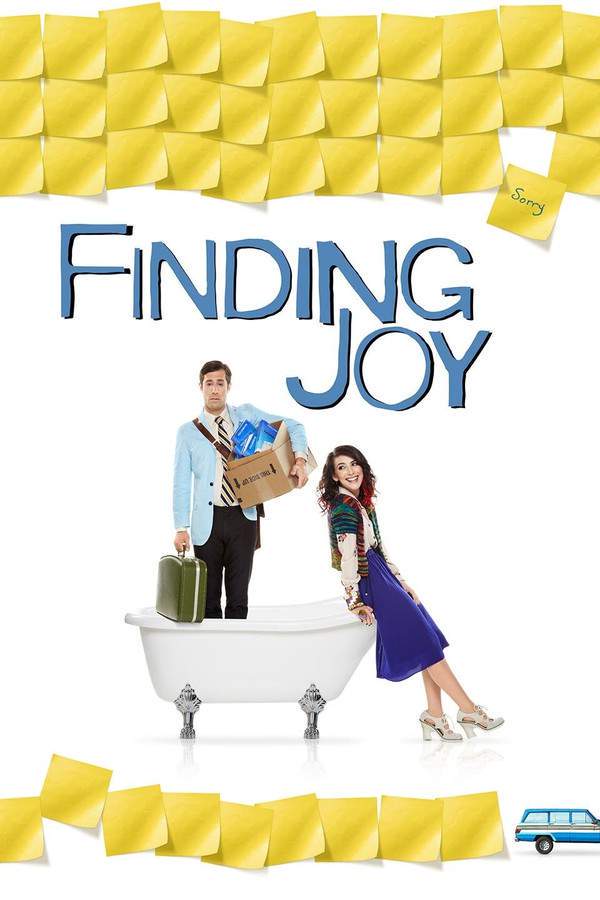
Finding Joy
2013

Hula Girls
2007

Ordinary Miracles
2005

The Perfect Find
2023

The Secret: Dare to Dream
2020
Narrative Summary
The narrative follows a protagonist, often feeling isolated or broken, who enters an unfamiliar environment. Initially apprehensive, they gradually form genuine connections with other inhabitants. Through these relationships and the unique rhythm of their new world, they confront their inner struggles and begin a journey toward self-discovery and emotional recovery.
Why These Movies?
These films are grouped by their shared focus on positive transformation within confined or unconventional settings. They blend serious themes with a hopeful, often humorous, tone, emphasizing that healing is a collaborative process and that the right people can appear when you need them most.
Gentle coming of age movies similar to It's Kind of a Funny Story
Quiet, character-focused stories about young people finding their way. Fans of It's Kind of a Funny Story's thoughtful approach to teenage anxiety will appreciate these films. They are similar character-driven stories about self-discovery, blending drama with tender humor and a hopeful outlook, without relying on overly dramatic plot twists.

Going to Heaven
2015

Pink Skies Ahead
2021

Come As You Are
2011

Girl in Progress
2012
Finding Joy
2013
Happiness for Beginners
2023

Along for the Ride
2017

Little Secrets
2002

The Road Within
2015
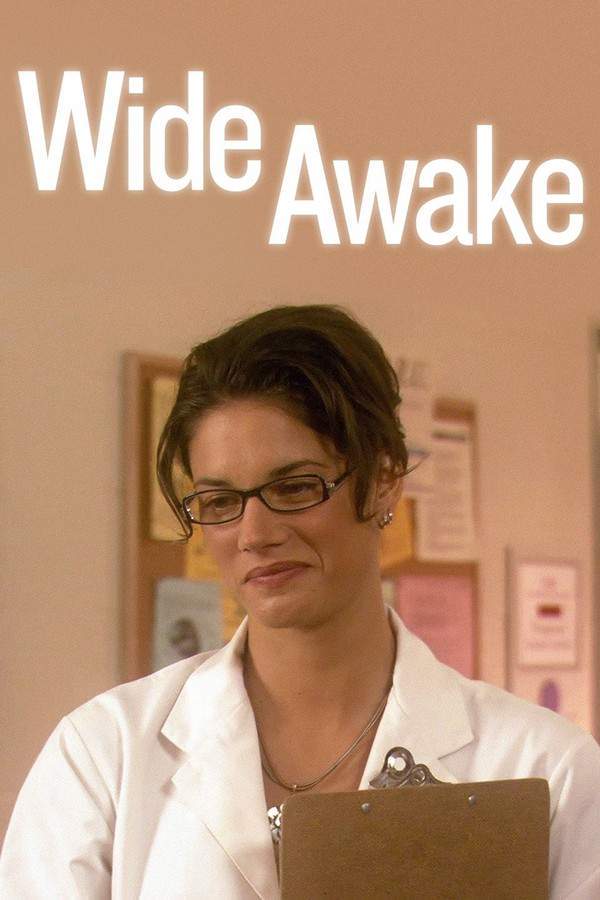
Wide Awake
1998
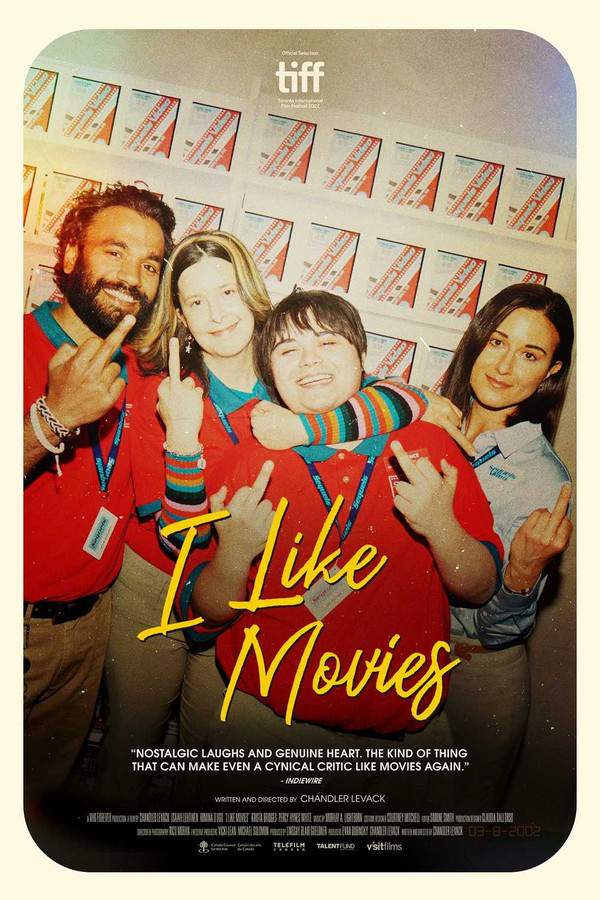
I Like Movies
2024

How Old Are You
2014
Gray Matters
2007

Love Untangled
2025
American Teen
2008
Narrative Summary
The plot is often straightforward, centering on a short but impactful period in a young person's life where they face internal pressures—anxiety, artistic blocks, or social expectations. The conflict is primarily internal, resolved through small breakthroughs, meaningful conversations, and a growing sense of self-awareness rather than external action.
Why These Movies?
They share a specific mood: a blend of anxiety and hope, delivered with a steady pace and medium emotional weight. The focus is on relatable, personal growth rather than epic scale, making the journey feel authentic and deeply felt. The tone is consistently tender and ultimately uplifting.
Unlock the Full Story of It's Kind of a Funny Story
Don't stop at just watching - explore It's Kind of a Funny Story in full detail. From the complete plot summary and scene-by-scene timeline to character breakdowns, thematic analysis, and a deep dive into the ending - every page helps you truly understand what It's Kind of a Funny Story is all about. Plus, discover what's next after the movie.
It's Kind of a Funny Story Summary
Read a complete plot summary of It's Kind of a Funny Story, including all key story points, character arcs, and turning points. This in-depth recap is ideal for understanding the narrative structure or reviewing what happened in the movie.

Characters, Settings & Themes in It's Kind of a Funny Story
Discover the characters, locations, and core themes that shape It's Kind of a Funny Story. Get insights into symbolic elements, setting significance, and deeper narrative meaning - ideal for thematic analysis and movie breakdowns.


Similar Movies to It's Kind of a Funny Story
Discover movies like It's Kind of a Funny Story that share similar genres, themes, and storytelling elements. Whether you’re drawn to the atmosphere, character arcs, or plot structure, these curated recommendations will help you explore more films you’ll love.
This Isn't Funny
2015
C.R.A.Z.Y.
2022

Funny People
2009

Storytelling
2002
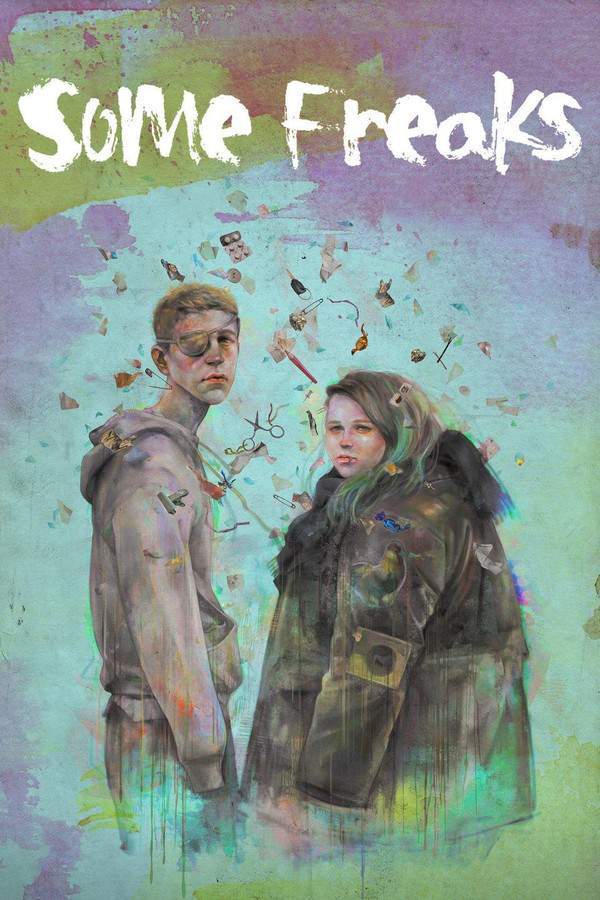
Some Freaks
2017

Words on Bathroom Walls
2020

Manic
2003
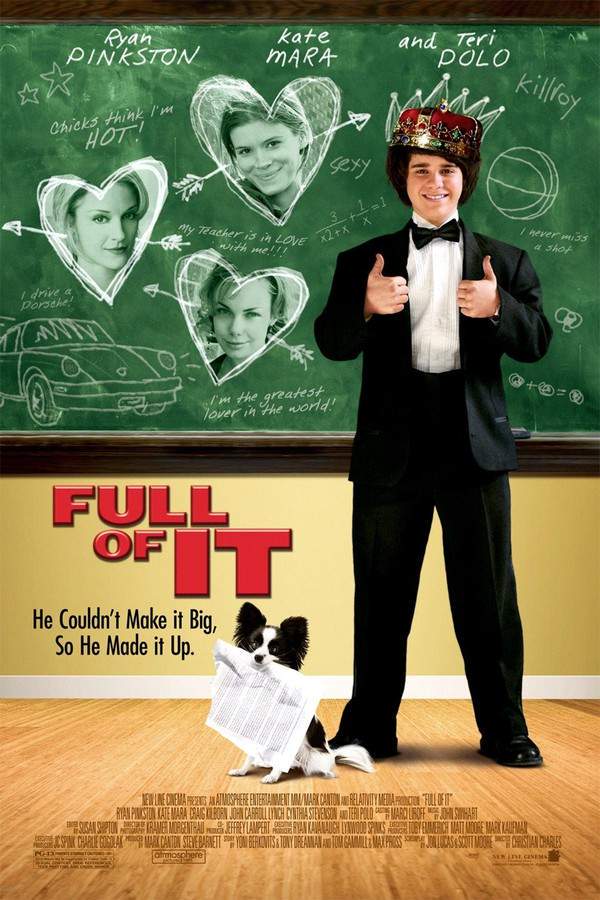
Full of It
2007

I Used to Be Funny
2024

It’s Okay to Not Be Okay
1000

Nothing to Laugh About
2021

David and Lisa
1962

My Suicide
2009

It’s Not Me, I Swear!
2008

I Feel Fine.
2024
Explore More About Movie It's Kind of a Funny Story
It's Kind of a Funny Story (2010) Plot Summary & Movie Recap
It's Kind of a Funny Story (2010) Scene-by-Scene Movie Timeline
It's Kind of a Funny Story (2010) Spoiler-Free Summary & Key Flow
Movies Like It's Kind of a Funny Story – Similar Titles You’ll Enjoy
This Isn't Funny (2015) Movie Recap & Themes
C.R.A.Z.Y. (2022) Ending Explained & Film Insights
Funny People (2009) Full Summary & Key Details
Storytelling (2002) Story Summary & Characters
Some Freaks (2017) Spoiler-Packed Plot Recap
Words on Bathroom Walls (2020) Detailed Story Recap
Manic (2003) Full Movie Breakdown
Full of It (2007) Complete Plot Breakdown
I Used to Be Funny (2024) Full Movie Breakdown
It’s Okay to Not Be Okay (1000) Complete Plot Breakdown
Nothing to Laugh About (2021) Spoiler-Packed Plot Recap
David and Lisa (1962) Detailed Story Recap
My Suicide (2009) Full Summary & Key Details
It’s Not Me, I Swear! (2008) Film Overview & Timeline
I Feel Fine. (2024) Complete Plot Breakdown